

 Надіслати як листівку
 Поділитися
 Деталі витвору
 Посібник

 Завантажити
 Схожі екземпляри
 Слайд-шоу
 Статистика
Rrose Sélavy


 Розгорнути текст
Мистецький твір, представлений на цій сторінці, захищений законом про авторське право, що унеможливлює легальне створення або продаж його ідентичної репродукції. Цей захист забезпечується відповідно до міжнародних угод, таких як Бернська конвенція та національним законодавством, зокрема положеннями, що викладені в Законодавство США про авторське право — Розділ 17. Всі права захищені. Будь-яке використання без дозволу заборонено.
Цей метод повністю відповідає нормам авторського права, оскільки він не передбачає копіювання чи дублювання захищеного твору мистецтва. Натомість це творче переосмислення — створення нового малюнка під впливом оригіналу, який не є його точним відтворенням.
Гікле / Художній принт
Друк جيкле або на полотні музейної якості з оперативним виготовленням та різноманітними варіантами фінішної обробки. ( Замовити картину ручної роботи Перейти до цифрових зображень)




































Обирайте з наших стандартних розмірів, що відповідають оригінальним пропорціям твору мистецтва.

Введіть необхідну ширину та висоту, щоб принт ідеально підійшов до вашої рами або стіни. Принт можна лише обрізати, але не можна зробити більшим за оригінал, тому при зміні пропорцій частина зображення буде втрачена. Перед друком ми надсилаємо вам цифровий макет для затвердження. Зображення на цій сторінці не відображає реальну обрізку — її можна побачити лише на макеті.
Доставка по всьому світу () за 2 тижні замість стандартних 4/5 тижнів. (26 Жовтень)

Безкоштовна експрес-доставка по всьому світу

Високоякісне лляне полотно

Повне страхове покриття доставки

Гарантія повернення митних зборів

Гарантія точного відтворення кольорів

Політика повернення протягом 100 днів (лише у разі виявлення дефектів)

Гарантія повернення 100% коштів

Пропозиція на оптові замовлення
 Скляний варіант доступний лише для розмірів до 110 см

Rrose Sélavy
Гікле / Художній принт
Розмір репродукції
-


Підсумкова вартість
₴ 3588
Introduction to Marcel Duchamp
Marcel Duchamp (July 28, 1887 – October 2, 1968) was a French-American painter, sculptor, chess player, and writer whose work is associated with Cubism, Dada, and conceptual art. He is commonly regarded as one of the three artists who helped to define the revolutionary developments in the plastic arts in the opening decades of the 20th century, responsible for significant developments in painting and sculpture.The Painting: 'Rrose Sélavy'
Marcel Duchamp's "Rrose Sélavy" is an oil painting created in 1921. The painting depicts a female figure, which is one of the pseudonyms of the artist himself. The name, a pun, sounds like the French phrase 'Eros, c'est la vie', which translates to English as 'eros, that's life'. It has also been read as 'arroser la vie' ('to make a toast to life').Style and Influence
Duchamp's work is known for its conceptual nature, often challenging traditional notions of art. His use of puns and wordplay in his art reflects his interest in language and meaning. The painting "Rrose Sélavy" is a prime example of this, as it explores the relationship between identity, gender, and art.Relevance Today
Duchamp's work continues to be relevant today, as his exploration of language, meaning, and identity resonates with contemporary concerns. His use of puns and wordplay in his art has influenced many contemporary artists, who continue to explore these themes in their own work.Conclusion
In conclusion, Marcel Duchamp's painting "Rrose Sélavy" is a significant work that reflects the artist's interest in language, meaning, and identity. The painting continues to be relevant today, as its exploration of these themes resonates with contemporary concerns.Further Reading
To learn more about Marcel Duchamp and his work, please visit the following links: Rrose Sélavy, or Rose Sélavy, was one of the pseudonyms of artist Marcel Duchamp. The name, a pun, sounds like the French phrase 'Eros, c'est la vie', which translates to English as 'eros, that's life'. It has also been read as 'arroser la vie' ('to make a toast to life'). Sélavy emerged in 1921 in a series of photographs by Man Ray of Duchamp dressed as a woman. Through the 1920s Man Ray and Duchamp collaborated on more photos of Sélavy. Duchamp later used the name as the byline on written mate... Painting by 'Marcel Duchamp' | Marcel Duchamp:Rrose Sélavy (Dadaism,Oil,)Питання та відповіді
Як поєднуються контраст і гармонія у творі "Rrose Sélavy"?
Колірна композиція «Rrose Sélavy» роботи Марсель Дюшан поєднує в собі Опис контраст із Цілісна палітра гармонією.
Як я можу придбати цифровий файл «Rrose Sélavy» роботи Марсель Дюшан?
Цифрове зображення твору «Rrose Sélavy» роботи Марсель Дюшан можна придбати на його сторінці за посиланням Цифрове зображення високої якості: завантаження цифрового зображення високої роздільної здатності.
Чи не захищений твір "Rrose Sélavy" авторським правом?
Статус авторського права для «Rrose Sélavy» роботи Марсель Дюшан: цей твір є все ще перебуває під захистом авторського права. Це визначає, чи можна вільно створювати репродукції зображення.
Біографія митця
Дух революціонера: Життя та мистецтво Марселя Дюшана
Марсель Дюшан, який народився під іменем Анрі-Робер-Марсель Дюшан у 1887 році в Блейнвіль-сюр-Мер, Нормандія, був не просто художником; він був філософським провокатором, що докорінно змінив хід розвитку сучасного мистецтва. Його ранні роки, хоча й здавалися звичайними — він виріс у родині, де цінували мистецьку експресію, а обидва його брати побудували успішні кар'єри митців — вже тоді приховували ознаки майбутнього іконоборства. Спочатку Дюшан проходив класичну підготовку, опановуючи традиційні техніки та експериментуючи з постімпресіоністськими стилями. Однак цей академічний фундамент став не самоціллю, а трампліном для переосмислення самої природи мистецтва, його мети та визначення. Він не бажав просто відтворювати світ; він прагнув кинути виклик тому, як ми його сприймаємо, і що саме створює художню цінність. Ця невпинна інтелектуальна допитливість стала визначальною рисою його плідної творчості.Від кубізму до дадаїзму: Відмова від умовностей
Мистецький шлях Дюшана позначений постійною еволюцією, свідомим позбавленням усталених норм. Його перше залучення до кубізму, що проявилося в таких роботах, як Портрет гравців у шахи (1911), продемонструвало інтерес до фрагментованих форм і множинних перспектив — відхід від традиційної репрезентації. Проте він швидко вийшов за межі суто естетичних турбот, усвідомивши, що простого перерозподілу візуальних елементів недостатньо для вирішення глибинних питань, що вирували в його душі. Жахи Першої світової війни підживили це невдоволення, змусивши Дюшана прийняти дадаїзм — рух, народжений із розчарування та відмови від логіки, розуму й традиційних художніх цінностей. Саме в межах дадаїзму Дюшан по-справжньому почав демонтувати загальноприйняті уявлення про мистецтво. Його не цікавило створення красивих об'єктів; він прагнув провокувати думку, кидати виклик припущенням і викривати довільність естетичного судження. Цей період став часом народження його найбільш радикальної інновації: «ready-made» (готового речі).Ready-mades та підрив основ мистецтва
Впровадження ready-mades — звичайних промислових об'єктів, обраних і представлених як мистецтво — стало найважливішим внеском Дюшана у XX століття. Це не були просто знайдені предмети; це були навмисні акти художнього підриву. Взявши повсякденну річ, таку як пісуар (Фонтан, 1917), підписавши його «R. Mutt» і подавши на мистецьку виставку, Дюшан кинув виклик самому визначенню художньої майстерності та авторства. Чи була це рука художника, що створила твір, чи це була ідея художника? Це питання стало центральним у його практиці та заклало фундамент для концептуалізму. Інші відомі ready-mades, як-от L.H.O.O.Q. (1919) — репродукція листівки з Мона Лізою, на якій з'явилися вуса та еспаньйолка — були грайливою, але гострою критикою історії мистецтва та встановлених культурних ікон. Ці роботи не призначалися для милування їхніми естетичними якостями; вони мали провокувати дискусії та змушувати глядачів переглянути свої упередження про те, що є мистецтвом. Дюшан вірив, що мистецтво має жити в розумі, а не лише в очах.Спадщина та безсмертний вплив
Вплив Марселя Дюшана на наступні покоління митців є безмірним. Він фундаментально змінив наше розуміння мистецтва, проклавши шлях таким напрямам, як концептуалізм, мінімалізм, поп-арт та багатьом іншим. Його акцент на ідеї художника — концепції, що стоїть за твором — над його естетичними якостями продовжує надихати митців і сьогодні.- Кубізм: ранні дослідження роздроблених форм та просторової репрезентації.
- Дадаїзм: відмова від логіки, розуму та традиційних художніх цінностей у відповідь на Першу світову війну.
- Концептуальне мистецтво: акцент на ідеї художнього твору, а не на його естетичних характеристиках.
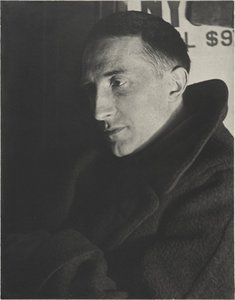
Марсель Дюшан
1887 - 1968 , Франція
Короткі факти
- Artistic Movement Or Style:
- Кубізм
- Дадаїзм
- Концептуальне мистецтво
- Artists Or Movements Influenced By This Artist:
- Концептуальне мистецтво
- Поп арт
- Мінімалізм
- Date Of Birth: 28 липня 1887 р.
- Date Of Death: 2 жовтня 1968 р.
- Full Name: Marcel Duchamp
- Nationality: Французький
- Notable Artworks:
- Фонтан
- Л.Х.О.О.К.
- Велике скло
- Боîte-en-valise
- Place Of Birth: Блейнвіль-сюр-Мер, Франція
Пов'язані статті

Monochrome Visions: Exploring the Aesthetic & Historical Significance of Black & White Photography
Explore the rich history & artistic power of black and white photography. From early techniques to iconic masters like Ansel Adams, discover why monochrome continues to captivate art lovers today. Expert insights for collectors.
Shadow & Soul: Why Black & White Photography Remains the Ultimate Power Move in Modern Art
Discover why black & white photography remains a powerful force in contemporary art. Explore the impact of light, shadow, and texture through a visual journey of monochrome mastery and learn how to elevate your space with timeless grayscale aesthetics.

Monochrome Edge: The Ultimate Design Flex—Level Up Your Space with Bold Black & White Art
Master the monochrome aesthetic with high-impact Black & White art from OriginalUniqueArt.com. From custom hand-painted oils to iconic pop culture remixes, discover the ultimate design flex for your urban space. Elevate your decor with bold, premium, and timeless monochrome masterpieces.
Timeless & Chic: Elevating Your New Home with the Sophistication of Black and White Photography
Transform your new home with the timeless allure of black and white photography. OriginalUniqueArt.com specializes in elegant monochrome decor and custom hand-painted wedding portraits that turn cherished milestones into lasting, soulful masterpieces. Elevate your space with ease.

Топ-10 шедеврів у білих тонах: мистецтво світла та простору від OriginalUniqueArt
Відкрийте для себе 10 легендарних картин, де білий колір стає головним героєм! Історія Моне, Ван Гога та інших майстрів. Купіть репродукції шедеврів імпресіонізму на OriginalUniqueArt.com – мистецтво для вашого дому.


