

 Надіслати
 Поділитися
 Деталі
 Посібник

 Завантажити
 Схожі предмети колекціонування
 Слайд-шоу
 Статистика переглядів
Paris Air


 Читати далі
Мистецький твір, представлений на цій сторінці, захищений законом про авторське право, що унеможливлює легальне створення або продаж його ідентичної репродукції. Цей захист забезпечується відповідно до міжнародних угод, таких як Бернська конвенція та національним законодавством, зокрема положеннями, що викладені в Законодавство США про авторське право — Розділ 17. Всі права захищені. Будь-яке використання без дозволу заборонено.
Цей метод повністю відповідає нормам авторського права, оскільки він не передбачає копіювання чи дублювання захищеного твору мистецтва. Натомість це творче переосмислення — створення нового малюнка під впливом оригіналу, який не є його точним відтворенням.
Гікле / Художній принт
Музейна якість друку جيкле або на полотні з оперативним виготовленням та різноманітними варіантами фінішної обробки. ( Купити картину ручної роботи Перейти до цифрових зображень)




































Обирайте з наших стандартних розмірів, що відповідають оригінальним пропорціям твору мистецтва.

Введіть необхідну ширину та висоту, щоб принт ідеально підійшов до вашої рами або стіни. Принт можна лише обрізати, але не можна зробити більшим за оригінал, тому при зміні пропорцій частина зображення буде втрачена. Перед друком ми надсилаємо вам цифровий макет для затвердження. Зображення на цій сторінці не відображає реальну обрізку — її можна побачити лише на макеті.
Доставка по всьому світу () за 2 тижні замість стандартних 4/5 тижнів. (21 Жовтень)

Безкоштовна експрес-доставка по всьому світу

Високоякісне лляне полотно

Повне страхове покриття доставки

Гарантія повернення митних зборів

Гарантія точного відтворення кольорів

Політика повернення протягом 100 днів (лише у разі виявлення дефектів)

Гарантія повернення 100% коштів

Знижка на оптові замовлення
 Скляний варіант доступний лише для розмірів до 110 см

Paris Air
Гікле / Художній принт
Розмір репродукції
-


Загальна вартість
₴ 3585
A Breath of Parisian Air: Duchamp’s Conceptual Sculpture
Marcel Duchamp's *Paris Air* (1919) isn’t merely a glass ampoule; it’s an audacious provocation, a distilled moment captured in fragile form. This readymade, born from a seemingly simple souvenir purchased by the artist during his time in Paris, embodies the core tenets of Dadaism and challenges our very understanding of art's definition. Duchamp, ever the iconoclast, took a commonplace object – an empty apothecary vial – and imbued it with profound philosophical weight. He emptied it of its original contents, a physiological serum, and then meticulously refilled it with air from Paris itself, sealing it within the glass as a tangible memory. The resulting sculpture isn’t about beauty or craftsmanship in the traditional sense; instead, it's an exploration of value, perception, and the ephemeral nature of experience. Duchamp deliberately stripped away any illusion of artistic skill, presenting us with an object that demands we question what constitutes “art” – is it the material itself, the process of creation, or the idea behind it? *Paris Air* forces a confrontation with these questions, inviting viewers to contemplate the inherent absurdity and intellectual rigor at the heart of Dada.The Readymade: A Revolutionary Act
Duchamp’s concept of the “readymade” – an object chosen from everyday life and elevated to the status of art simply by its selection and presentation – was revolutionary for its time. Prior to this, artistic value was inextricably linked to skill, labor, and the artist's hand. Duchamp deliberately circumvented these conventions, asserting that the artist’s role lay in the act of choosing and presenting, rather than in creating something entirely new. *Paris Air* exemplifies this perfectly; it requires no technical expertise to appreciate – its beauty lies not in its form but in its conceptual depth. The deliberate choice of an empty vial, a vessel devoid of inherent artistic merit, is precisely what makes the piece so compelling. It’s a statement about the arbitrary nature of value and a rejection of traditional notions of aesthetic judgment. Duchamp wasn't trying to create something visually stunning; he was creating a thought experiment, a challenge to our assumptions about art and its purpose.A Fragile Memory: Materiality and Symbolism
The physical qualities of *Paris Air* are crucial to understanding its impact. The delicate glass ampoule, now meticulously repaired after an accidental breakage in 1949, embodies the fragility of memory and experience. It’s a tangible reminder that even seemingly solid concepts – like the air itself – can be fleeting and easily disrupted. The inscription “Serum Physiologique” on the vial further complicates the work's meaning, blurring the line between reality and representation. Duchamp knowingly misrepresented the contents, creating an illusion of authenticity while simultaneously undermining it. This deliberate ambiguity is characteristic of Dadaism’s playful rejection of logic and reason. The act of sealing the air within a confined space also speaks to themes of containment, isolation, and the desire to preserve something ephemeral – perhaps even a moment in time or a feeling associated with Paris itself.A Legacy of Conceptual Art
*Paris Air* profoundly influenced the development of conceptual art, paving the way for artists who prioritized ideas over traditional artistic techniques. Its impact can be seen in the work of numerous subsequent generations of artists, including Yves Klein and Joseph Kosuth. Duchamp’s willingness to challenge established norms and embrace absurdity continues to resonate today, reminding us that art doesn't have to conform to conventional expectations. *Paris Air* remains a potent symbol of artistic innovation – a small, unassuming object that holds within it a vast and complex philosophical statement. It is a testament to the power of conceptual thinking and a reminder that sometimes, the most profound works of art are those that defy easy definition. Reproductions of this piece offer a unique opportunity to engage with Duchamp’s radical ideas and experience the intellectual thrill of his groundbreaking work.Запитання та відповіді
Наскільки популярним є твір «Paris Air» у межах Dadaism?
«Paris Air» має рівень популярності Iconic серед творів Dadaism, представлених у каталозі.
Чи доступне завантаження для "Paris Air"?
Цифрову копію роботи «Paris Air» Марсель Дюшан можна завантажити на сторінці Завантажити, обравши варіант завантаження цифрового зображення високої роздільної здатності.
Кольори «Paris Air» Марсель Дюшан яскраві чи приглушені?
«Paris Air» Марсель Дюшан зафіксовано з Muted насиченістю та Monochromatic інтенсивністю.
Біографія митця
Дух революціонера: Життя та мистецтво Марселя Дюшана
Марсель Дюшан, який народився під іменем Анрі-Робер-Марсель Дюшан у 1887 році в Блейнвіль-сюр-Мер, Нормандія, був не просто художником; він був філософським провокатором, що докорінно змінив хід розвитку сучасного мистецтва. Його ранні роки, хоча й здавалися звичайними — він виріс у родині, де цінували мистецьку експресію, а обидва його брати побудували успішні кар'єри митців — вже тоді приховували ознаки майбутнього іконоборства. Спочатку Дюшан проходив класичну підготовку, опановуючи традиційні техніки та експериментуючи з постімпресіоністськими стилями. Однак цей академічний фундамент став не самоціллю, а трампліном для переосмислення самої природи мистецтва, його мети та визначення. Він не бажав просто відтворювати світ; він прагнув кинути виклик тому, як ми його сприймаємо, і що саме створює художню цінність. Ця невпинна інтелектуальна допитливість стала визначальною рисою його плідної творчості.Від кубізму до дадаїзму: Відмова від умовностей
Мистецький шлях Дюшана позначений постійною еволюцією, свідомим позбавленням усталених норм. Його перше залучення до кубізму, що проявилося в таких роботах, як Портрет гравців у шахи (1911), продемонструвало інтерес до фрагментованих форм і множинних перспектив — відхід від традиційної репрезентації. Проте він швидко вийшов за межі суто естетичних турбот, усвідомивши, що простого перерозподілу візуальних елементів недостатньо для вирішення глибинних питань, що вирували в його душі. Жахи Першої світової війни підживили це невдоволення, змусивши Дюшана прийняти дадаїзм — рух, народжений із розчарування та відмови від логіки, розуму й традиційних художніх цінностей. Саме в межах дадаїзму Дюшан по-справжньому почав демонтувати загальноприйняті уявлення про мистецтво. Його не цікавило створення красивих об'єктів; він прагнув провокувати думку, кидати виклик припущенням і викривати довільність естетичного судження. Цей період став часом народження його найбільш радикальної інновації: «ready-made» (готового речі).Ready-mades та підрив основ мистецтва
Впровадження ready-mades — звичайних промислових об'єктів, обраних і представлених як мистецтво — стало найважливішим внеском Дюшана у XX століття. Це не були просто знайдені предмети; це були навмисні акти художнього підриву. Взявши повсякденну річ, таку як пісуар (Фонтан, 1917), підписавши його «R. Mutt» і подавши на мистецьку виставку, Дюшан кинув виклик самому визначенню художньої майстерності та авторства. Чи була це рука художника, що створила твір, чи це була ідея художника? Це питання стало центральним у його практиці та заклало фундамент для концептуалізму. Інші відомі ready-mades, як-от L.H.O.O.Q. (1919) — репродукція листівки з Мона Лізою, на якій з'явилися вуса та еспаньйолка — були грайливою, але гострою критикою історії мистецтва та встановлених культурних ікон. Ці роботи не призначалися для милування їхніми естетичними якостями; вони мали провокувати дискусії та змушувати глядачів переглянути свої упередження про те, що є мистецтвом. Дюшан вірив, що мистецтво має жити в розумі, а не лише в очах.Спадщина та безсмертний вплив
Вплив Марселя Дюшана на наступні покоління митців є безмірним. Він фундаментально змінив наше розуміння мистецтва, проклавши шлях таким напрямам, як концептуалізм, мінімалізм, поп-арт та багатьом іншим. Його акцент на ідеї художника — концепції, що стоїть за твором — над його естетичними якостями продовжує надихати митців і сьогодні.- Кубізм: ранні дослідження роздроблених форм та просторової репрезентації.
- Дадаїзм: відмова від логіки, розуму та традиційних художніх цінностей у відповідь на Першу світову війну.
- Концептуальне мистецтво: акцент на ідеї художнього твору, а не на його естетичних характеристиках.
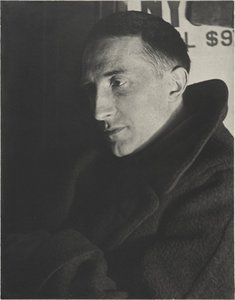
Марсель Дюшан
1887 - 1968 , Франція
Довідкова інформація
- Artistic Movement Or Style:
- Кубізм
- Дадаїзм
- Концептуальне мистецтво
- Artists Or Movements Influenced By This Artist:
- Концептуальне мистецтво
- Поп арт
- Мінімалізм
- Date Of Birth: 28 липня 1887 р.
- Date Of Death: 2 жовтня 1968 р.
- Full Name: Marcel Duchamp
- Nationality: Французький
- Notable Artworks:
- Фонтан
- Л.Х.О.О.К.
- Велике скло
- Боîte-en-valise
- Place Of Birth: Блейнвіль-сюр-Мер, Франція
Схожі статті
Luminous Masterpieces: The Captivating Beauty and Timeless Elegance of Stained Glass Artworks
Embark on a visual journey through the luminous world of stained glass art. Discover the exquisite craftsmanship, historical significance, and captivating beauty of masterworks from Art Nouveau to the Gothic era, curated for the discerning fine art enthusiast.

10 Легендарних Бронзових Шедеврів, Які Змінили Мистецтво | OriginalUniqueArt
Відкрийте для себе 10 легендарних бронзових шедеврів, що змінили мистецтво! Історія створення, художні техніки та вплив скульпторів Ренесансу й Античності. Купуйте репродукції картин на OriginalUniqueArt.com – музейна якість для вашого дому.

The Enduring Form: Exploring Themes & Techniques in Sculpture Across Historical Periods
Explore the rich history of sculpture from ancient masterpieces to contemporary innovations. Discover key techniques, influential artists & investment potential for discerning art collectors.

The Enduring Form: Sculpture Across History, Technique & Emotional Resonance
Explore the rich history of sculpture with OriginalUniqueArt. Discover key techniques, influential artists & investment potential for discerning collectors. Expert insights into valuing and collecting timeless masterpieces.

10 легендарних бронзових скульптур, що змінили мистецтво | OriginalUniqueArt
Відкрийте 10 легендарних бронзових скульптур, що змінили хід мистецтва! Дізнайтесь історії Мікеланджело, Родена та інших геніїв. Репродукції картин преміум-класу для вашого дому – на OriginalUniqueArt.com


