Expressionism · 1915
Marching (Марк Шагал, 1915)
Марк Шагал (1887–1985) створив Marching. Дата створення — 1915. Він належить до напряму Expressionism. Виконано в Acrylic On Canvas.
- 1915
- Acrylic On Canvas

 Переглянути в інтер'єрі

 Картина олією ручної роботи
 Надіслати як листівку
 Поділитися
 Посібник


 Завантажити
 Схожі екземпляри
 Рентгенівське дослідження
 Слайд-шоу
 Питання та відповіді

 Статистика
Marching: основні характеристики
- Назва
- Marching
- Художник
- Марк Шагал (1887–1985)
- Рік народження митця
- Ліозно, Білорусь
- Дата
- 1915
- Матеріал
- Acrylic On Canvas
- Сюжет
- uniform, roof, sky, clock, figures, folklore
Що зображено на Marching?
A Symphony of Color and Memory: Exploring Marc Chagall's "I Am Alone"
Marc Chagall’s “I Am Alone,” painted in 1915, isn’t merely a depiction of solitude; it’s an embodiment of existential angst rendered in the breathtaking language of Expressionism. Created during the turbulent years preceding World War I—a period marked by anxieties about national identity and impending conflict—the painting transcends its immediate historical context to speak to universal themes of isolation and longing. It's housed in the Musée d'Orsay, Paris, a testament to Chagall’s enduring influence on modern art.- Subject Matter: The canvas portrays a man standing alone on a rooftop amidst a swirling panorama of fantastical figures—a woman with outstretched arms, a child perched precariously on the edge of the roof, and several other stylized individuals drifting upwards into the heavens.
- Style: Chagall’s style is unmistakably Expressionist. Rejecting representational accuracy in favor of emotional intensity, he employs bold colors—primarily yellows, blues, and reds—to convey mood and feeling rather than to faithfully reproduce reality. The figures themselves are distorted and stylized, imbued with a dreamlike quality that defies logical interpretation.
Technique: Bold Brushstrokes and Layered Color
Chagall’s technique is characterized by thick, impasto brushstrokes—meaning the paint is applied in layers so thickly that it stands up prominently from the surface of the canvas. This textural approach contributes significantly to the painting's dramatic impact, creating a palpable sense of movement and conveying the artist’s emotional state directly onto the artwork. The colors are blended strategically to create luminous washes and vibrant accents, enhancing the overall visual richness.- Color Palette: The dominant hues—golden yellows symbolizing warmth and optimism juxtaposed with deep blues representing melancholy and uncertainty—are deliberately chosen to evoke specific emotions. Chagall’s masterful use of color underscores the painting's psychological depth.
- Composition: The rooftop setting serves as a focal point, anchoring the swirling figures and emphasizing the man’s isolation. The upward trajectory of the figures symbolizes aspiration but also hints at vulnerability—a yearning for connection amidst overwhelming circumstances.
Symbolism: Folklore and Existential Concerns
“I Am Alone” is replete with symbolic references drawn from Jewish folklore and Kabbalah—the mystical tradition of Judaism. The woman with outstretched arms represents compassion and maternal care, while the child symbolizes innocence and vulnerability. The swirling figures embody the chaotic forces of fate and the anxieties surrounding impending war. More broadly, the painting explores profound existential questions about human existence—questions concerning identity, purpose, and the inevitability of suffering.Ultimately, Chagall’s “I Am Alone” transcends its historical origins to resonate with viewers across generations. It's a hauntingly beautiful meditation on solitude, loss, and the enduring quest for meaning—a masterpiece that continues to inspire awe and provoke contemplation decades after its creation.
Marching у високій роздільній здатності

Захищено авторським правом: зображення представлене лише для ознайомлення.
Більше розмірів, варіантів кадрування та цитат →Марк Шагал, Marching (1915).
Питання про Marching
Чи має "Marching" виражений світлотіньовий контраст?
У творі «Marching» роботи Марк Шагал спостерігається Statement контраст між світлими та темними ділянками.
«Marching» роботи Марк Шагал — це світлий чи темний твір мистецтва?
Загальна яскравість твору "Marching" становить bright, а його світловий показник — Bright Balance.
Що зображено на творі «Marching» роботи Марк Шагал і який у нього настрій?
«Marching» роботи Марк Шагал зображує uniform, roof, sky, clock, figures, folklore, dreams у Romantic настрої. Поєднання сюжету та атмосфери повністю розкриває цей твір.
Скільки людей переглядають "Marching"?
Статистика про «Marching» роботи Марк Шагал доступна на сторінці Статистика переглядів твору: щомісячна кількість переглядів цього твору, кількість переглядів робіт художника, а також розподіл останніх відвідувачів за країнами та мовами.
Який інтер'єр найкраще підкреслить кольори твору «Marching» роботи Марк Шагал?
Кольорова палітра Earthy у творі «Marching» роботи Марк Шагал ідеально підходить для рекомендованого інтер'єру: це Living Room.
З якої країни походить твір у стилі Expressionism під назвою "Marching"?
Твір у стилі Expressionism «Marching» був створений художником, який народився в Білорусь.
Який емоційний тон притаманний стилю Expressionism у творі "Marching"?
Melancholic емоційність твору "Marching" підкреслюється його стилем Expressionism.
Чому статус авторського права на "Marching" саме такий?
«Marching» роботи Марк Шагал перебуває у все ще перебуває під захистом авторського права. Термін дії авторського права розраховується від року смерті митця, яка відбулася у 1985.
Яка частина дому найкраще підійде для репродукції «Marching»?
«Marching» роботи Марк Шагал рекомендується для Living Room. Ця пропозиція ґрунтується на сюжеті, кольоровій гамі та настрої твору.
Про художника Марк Шагал
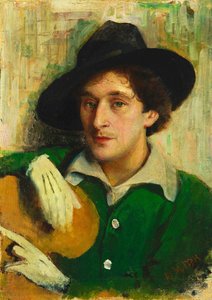
1887–1985, Білорусь
Марк Шагал
Ранні роки, сім'я та навчання Марк Шагал з'являється на світ 7 липня 1887 року у Вітебську, що в Російській імперії, під іменем Мойше Сегал. Він став першою з дев'яти дітей у скромній єврейській родині. Його життя було визначене ритмами важкої праці та дрібної торгівлі. Батько, Хацкель Сегал, працював на складі засобами для засоляння оселедця, тоді як мати, Фейга-Іта Черніна, керувала невеликою продуктовою лавкою.
Також за участю Марк Шагал
 Я і село1911
 Біле розп'яття1938
 З Днем народження1915
 Над містом1918
Есе до твору Marching
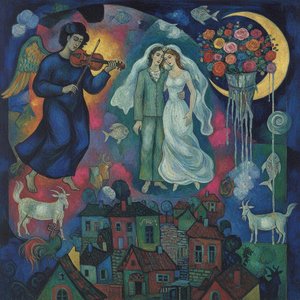 Marc Chagall’s Masterpieces: Exploring the Magic, Color, and Surrealist Legacy of a Modernist IconEmbark on a journey through the dreamlike masterpieces of Marc Chagall. Explore the profound symbolism and vibrant colors of this Surrealis…
 The Language of Brushstrokes: How Artistic Technique Expresses Emotion and EraExplore the profound connection between artistic technique and emotion. From the heavy impasto of Van Gogh to classical mastery, learn how …
 Dreaming in Color: The 25 Most Iconic Masterpieces by Marc ChagallStep into the dreamlike world of Marc Chagall. Explore 25 iconic masterpieces, from vibrant surrealist tales to soulful folklore. Find insp…