

 Переглянути в інтер'єрі
 Надіслати
 Поділитися
 Деталі
 Посібник

 Завантажити
 Схожі предмети колекціонування
 Рентгенівське дослідження
 Слайд-шоу
 Статистика переглядів
The Flight into Egypt
 Acrylic On Canvas
- WallArt
- Baroque
 1685
1685 204.0 x 191.0 cm
 Музей Мистецтв Будапешта
 Читати далі
Гікле / Художній принт
Музейна якість друку جيкле або на полотні з оперативним виготовленням та різноманітними варіантами фінішної обробки. ( Купити картину ручної роботи Перейти до цифрових зображень)




P118B ₴10

P118H ₴10

P118W ₴10

P438Z ₴10

P508JH ₴12

P508YH ₴12

P805H ₴10

P805Z ₴10

P919BZ ₴10

P919G ₴10

P919XJ ₴10

P959ZH ₴10

P968JZ ₴12

W106C ₴8

W218G ₴10

W218JH ₴8

W218Y ₴10

W307PJ ₴10

W316G ₴10

W316PJ ₴8

W316Y ₴10

W398PJ ₴8

W4111J ₴10

W500HY ₴15

W500JH ₴15

W692G ₴12

W849H ₴8

W940BG ₴15

W953PJ ₴8




Обирайте з наших стандартних розмірів, що відповідають оригінальним пропорціям твору мистецтва.

Введіть необхідну ширину та висоту, щоб принт ідеально підійшов до вашої рами або стіни. Принт можна лише обрізати, але не можна зробити більшим за оригінал, тому при зміні пропорцій частина зображення буде втрачена. Перед друком ми надсилаємо вам цифровий макет для затвердження. Зображення на цій сторінці не відображає реальну обрізку — її можна побачити лише на макеті.
Доставка по всьому світу () за 2 тижні замість стандартних 4/5 тижнів. (25 Жовтень)

Безкоштовна експрес-доставка по всьому світу

Високоякісне лляне полотно

Повне страхове покриття доставки

Гарантія повернення митних зборів

Гарантія точного відтворення кольорів

Політика повернення протягом 100 днів (лише у разі виявлення дефектів)

Гарантія повернення 100% коштів

Знижка на оптові замовлення
 Скляний варіант доступний лише для розмірів до 110 см

The Flight into Egypt
Гікле / Художній принт
Розмір репродукції
-


Загальна вартість
₴ 3591
Luca Giordano’s “The Flight into Egypt”: A Symphony of Light and Faith
Luca Giordano (1634-1705), nicknamed "Luca fa presto"—Luca the quick one—was arguably Naples' most celebrated painter during the late Baroque era. He wasn’t merely prolific; he was a whirlwind of creativity whose output fundamentally reshaped both monumental frescoes and architectural spaces across Italy and Spain. His formative years were spent under the tutelage of Jusepe de Ribera, absorbing the dramatic intensity and meticulous realism that characterized Ribera's oeuvre—a stark contrast to Giordano’s innate inclination towards luminosity and movement. This early influence undeniably shaped his distinctive style, evident in the initial canvases where he skillfully captured human emotion with remarkable precision. Yet, Giordano swiftly transcended stylistic constraints, establishing himself as a master of illusionistic painting and transforming interiors into breathtaking spectacles of color and grandeur.- Subject Matter: The artwork depicts the biblical narrative of Mary and Joseph fleeing persecution to Egypt—a cornerstone of Christian faith symbolizing divine protection and hope amidst adversity.
- Style: Giordano’s style embodies the exuberant dynamism of Baroque art, prioritizing theatrical composition and expressive gesture. It's characterized by a masterful use of chiaroscuro – dramatic contrasts between light and dark – creating an immersive experience for the viewer.
Technique and Materials: A Masterful Orchestration
Giordano’s technique was revolutionary for its time, prioritizing speed and efficiency without sacrificing artistic excellence. He famously claimed to paint a fresco in just three days—a testament to his unparalleled skill and dedication. Employing tempera on plaster, Giordano achieved astonishing brilliance and vibrancy, layering pigments with meticulous precision. The artist skillfully manipulated perspective and spatial illusion, creating an environment that feels palpable and alive. Detailed observation of anatomical accuracy combined with expressive dynamism is evident throughout the painting, demonstrating Giordano’s profound understanding of human form and emotion.- Color Palette: Giordano utilized a rich palette dominated by warm hues—gold, crimson, ochre—to convey spiritual fervor and majesty.
- Surface Texture: The fresco surface possesses an exceptional smoothness achieved through painstaking polishing techniques, maximizing the impact of light and enhancing the visual richness of the artwork.
Symbolism and Narrative Depth
“The Flight into Egypt” is laden with symbolic significance. The angels surrounding Mary and Joseph represent divine guardianship and reassurance, highlighting God’s unwavering care for his chosen family. The luminous depiction of Mary embodies maternal piety and humility—qualities revered throughout Christian tradition. Furthermore, the inclusion of birds – specifically doves – symbolizes peace and innocence, reinforcing the overarching theme of deliverance from danger. Giordano's masterful storytelling elevates the artwork beyond mere representation; it invites contemplation on themes of faith, resilience, and divine providence.Historical Context: Naples Under Bourbon Rule
Painted in 1685 during the reign of King Louis XIV—the “Sun King”—Naples was experiencing a period of artistic flourishing under Bourbon patronage. Giordano’s work reflects the grandeur and ambition of this era, aligning with the Baroque aesthetic's penchant for monumental decoration and theatrical spectacle. The fresco adorned the chapel of San Lorenzo Maggiore in Naples, serving as a powerful emblem of royal piety and reinforcing the city’s position as a cultural epicenter within Europe. Its enduring legacy testifies to Giordano’s genius—a painter who captured not only visual beauty but also the very essence of spiritual conviction.Запитання та відповіді
Яке місце посідає "The Flight into Egypt" серед постійних тем Лука Фа Престо (Luca Fa Presto)?
Повторювані теми Лука Фа Престо (Luca Fa Presto) включають dramatic intensity, baroque style, biblical storytelling, spiritual devotion, neapolitan tradition; «The Flight into Egypt» зосереджується на religious scene, mary, jesus child, angels, flight journey, biblical narrative, baroque art, pilgrimage.
Якому художнику приписують роботу "The Flight into Egypt"?
«The Flight into Egypt» приписують Лука Фа Престо (Luca Fa Presto).
Чи можу я побачити «The Flight into Egypt» Лука Фа Престо (Luca Fa Presto) при іншому освітленні?
Рентгенівський зріз «The Flight into Egypt» Лука Фа Престо (Luca Fa Presto) доступний на сторінці Рентгенівське дослідження твору: це інтерактивне дослідження зображення крізь одинадцять оптичних шарів.
Біографія митця
A Neapolitan Dynamo: The Life and Art of Luca Giordano
Luca Giordano, born in Naples in 1634, was a name that quickly became synonymous with the exuberant spirit of the late Baroque. He wasn’t merely an artist; he was a force of nature, a whirlwind of creativity whose prolific output transformed both canvases and architectural spaces across Italy and Spain. His father, Antonio Giordano, laid the initial foundations of his artistic training, but it was under the stern yet masterful guidance of Jusepe de Ribera that the young Luca truly began to forge his distinctive path. This early apprenticeship left an indelible mark, evident in the dramatic intensity and realistic portrayal of figures characteristic of Giordano’s initial works. However, unlike Ribera's often somber palette, Giordano possessed a natural inclination towards luminosity and movement—qualities that would ultimately define his unique style. Even then, he earned the nickname “Luca fa presto”—Luca the quick one—a testament to his remarkable speed and seemingly boundless energy. He wasn’t simply skilled; he was capable of capturing profound emotion and dazzling spectacle with an ease that astonished contemporaries.From Naples to Spain: A Career in Constant Motion
Giordano's artistic journey was far from static. It was a dynamic progression fueled by commissions and travels, taking him across the Italian peninsula and beyond. After establishing himself as a rising star in Naples, he sought opportunities in Rome, Florence, and Venice, absorbing the diverse influences of each city like a sponge. In Venice, he studied the works of Titian and Veronese, embracing their vibrant color palettes and dynamic compositions—a stark contrast to the tenebrism of his early training. Florence saw him undertake significant fresco cycles, most notably in the dome of the Corsini Chapel at the Chiesa del Carmine, showcasing his burgeoning mastery of illusionistic space and narrative storytelling. The intricate details and dramatic lighting within this chapel demonstrate a clear evolution from Ribera’s influence towards a more Italianate style. But it was his decade-long sojourn in Spain (1682-1692) that cemented his international reputation. Appointed as court painter to Charles II, Giordano transformed Spanish interiors with lavish frescoes, injecting a much-needed dose of Italian exuberance into the more restrained Spanish artistic tradition. He wasn’t simply replicating existing styles; he was adapting and innovating, creating works that resonated deeply with the Spanish court and its patrons. The Biblioteca Riccardiana in Florence, adorned with allegorical frescoes celebrating divine wisdom, stands as a testament to this period, showcasing his ability to blend intellectual depth with visual splendor. These grand schemes were not merely decorative; they aimed to elevate the viewer’s experience of space and reinforce the power and prestige of the monarchy.A Synthesis of Styles: Giordano’s Artistic Signature
Giordano's genius lay not in inventing entirely new techniques but in synthesizing existing ones into a remarkably fluid and decorative style. He masterfully combined the dramatic realism inherited from Ribera, the luminous colorism inspired by Venetian painters, and the dynamic compositions reminiscent of Pietro da Cortona. His brushwork was characterized by its freedom and spontaneity, creating an impression of effortless grace. He wasn’t afraid to embrace ornamentation, filling his canvases with intricate details and swirling draperies—a hallmark of his mature style. This approach allowed him to tackle a wide range of subjects – from religious scenes and mythological narratives to portraits and decorative schemes – with equal aplomb. The Judgment of Paris, housed in the Berlin Museum, exemplifies this synthesis; it’s a vibrant display of classical mythology rendered with a distinctly Baroque flair. The painting captures the moment of deliberation as the goddesses Eos, Hera, and Athena compete for the golden apple, showcasing Giordano's ability to convey both dramatic tension and exquisite beauty. His frescoes, particularly those found in Naples Cathedral and various Neapolitan palaces, are monumental achievements, transforming architectural spaces into immersive visual experiences that enveloped viewers in a world of color and drama. The sheer scale and complexity of these works demonstrate his mastery of perspective and illusionistic space—qualities he honed through years of meticulous study and practice.Key Works & Artistic Connections
Here are some notable works and artistic connections:- The Judgment of Paris (Berlin Museum): A prime example of Giordano’s mythological paintings, showcasing his vibrant color palette and dynamic composition.
- Christ with the Doctors in the Temple (Corsini Gallery, Rome): Demonstrates his skill in religious narrative and mastery of light and shadow.
- Frescoes in Florence & Naples: Monumental works that transformed architectural spaces into immersive visual experiences.
- Influences: Jusepe de Ribera, Titian, Veronese, Pietro da Cortona
- Influenced Artists: Paolo de Matteis, and a generation of Neapolitan painters.
Legacy and Influence: The Enduring Impact of a Master
Luca Giordano’s influence extended far beyond his own lifetime. He trained numerous pupils, including Paolo de Matteis, who went on to become successful artists in their own right, spreading his stylistic innovations throughout Italy and beyond. His work served as a bridge between the High Baroque and the Rococo style, paving the way for the lighter, more playful aesthetic that would characterize 18th-century art. His prolific output – estimated at over six hundred paintings and numerous fresco cycles – continues to captivate audiences today. The Palace of Capodimonte in Naples remains a treasure trove of his works, offering a comprehensive overview of his artistic evolution. Giordano’s ability to seamlessly blend technical virtuosity with emotional depth ensures his place as one of the most important and beloved figures of the Italian Baroque. He died in his native Naples in 1705, leaving behind a legacy that continues to inspire artists and art lovers alike.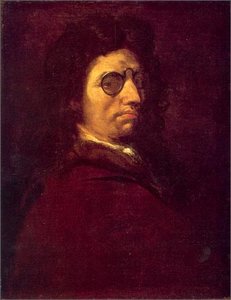
Лука Фа Престо (Luca Fa Presto)
1634 - 1705 , Італія
Довідкова інформація
- Artistic Movement Or Style: Пізній бароко
- Artists Or Movements Influenced By This Artist: ['Паоло де Матейзі']
- Artists Who Influenced This Artist:
- Йосепе ді Рібера
- Тіціан
- Date Of Birth: 1634
- Date Of Death: 1705
- Full Name: Luca Giordano
- Nationality: Італійський
- Notable Artworks:
- Суд над Парісом
- Христос з лікарями
- Place Of Birth: Неаполь, Італія
Схожі статті

The Visceral Stage: Exploring Dramatic Narratives & Emotional Intensity in Baroque Art
Explore the dramatic world of Baroque art! Discover iconic masters like Caravaggio & Rembrandt, their techniques, and the movement's lasting impact. Expert insights for collectors & enthusiasts at OriginalUniqueArt.

The Dramatic Flourish: Exploring the Baroque Movement's Enduring Legacy in Art History
Explore the dramatic world of Baroque art! Discover iconic artists like Caravaggio & Rubens, defining techniques, and its lasting impact on art history. Expert insights for collectors & enthusiasts at OriginalUniqueArt.

Топ-10 шедеврів бароко: картини, що змінили мистецтво | OriginalUniqueArt.com
Відкрийте для себе 10 шедеврів бароко від Караваджо, Рембрандта та Рубенса! Історія мистецтва, техніки живопису та натхнення для вашого інтер'єру. Репродукції картин високої якості – OriginalUniqueArt.com
Luca Giordano: Neapolitan Baroque Master & His European Influence
Explore the life & works of Luca Giordano, the celebrated Neapolitan Baroque master. Discover his prolific fresco cycles, Roman commissions, and lasting influence on European art history. Learn more at OriginalUniqueArt.

Барокова драма: мистецтво, що привносить велич у дім
Відкрийте для себе велич бароко! Дізнайтесь про історію стилю, особливості українського бароко та як створити розкішний інтер'єр. Ексклюзивні репродукції картин від .


