

 Переглянути в інтер'єрі
 Надіслати як листівку
 Поділитися
 Детальніше

 Завантажити
 Схожі експонати
 Рентгенівське дослідження
 Слайд-шоу
Clara Pater
 Oil On Canvas
- WallArt
- Academic Realism
 1860
1860 80.0 x 62.0 cm
 Somerville College
 Читати далі
Придбайте цифрову копію високої роздільної здатності з покращеною якістю, що значно перевершує онлайн-перегляд.
Кожен файл ретельно підготовлений нашими фахівцями за допомогою сучасних інструментів та професійної ручної ретуші. Ми гарантуємо виняткову чіткість, точну передачу кольору та високу деталізацію кожного зображення.
Фінальний файл надсилається електронною поштою протягом 72 годин і оптимізований для негайного використання у професійних виданнях та друкованих матеріалах. Таку якість обирають провідні дизайнерські студії, видавництва та галереї.
Цифрове зображення
Завантажте файл високої роздільної здатності для особистого використання, друку та творчих проєктів. ( Замовити принт Замовити репродукцію ручної роботи)
Переваги кожного замовлення цифрових зображень
Експертна цифрова доставка з гарантією якості
Обираючи OriginalUniqueArt.com, ви отримуєте не просто зображення — ви отримуєте професійно вдосконалений цифровий витвір мистецтва, створений з надзвичайною точністю та підкріплений гарантією задоволення. Ось усе, що автоматично додається до вашого замовлення:

Швидка доставка на email
Ваш цифровий файл із зображенням високої роздільної здатності буде надісланий вам електронною поштою протягом 72 годин після оформлення замовлення — він буде готовий до негайного використання.

Цифровий файл із покращенням ШІ
Ваш витвір мистецтва професійно оптимізовано за допомогою передових інструментів штучного інтелекту та ручної корекції, що забезпечує максимальну деталізацію, чіткість і точність передачі кольорів.

Безкоштовне повторне завантаження назавжди
Випадково видалили або втратили файл? Не хвилюйтеся — ми надішлемо його вам повторно в будь-який час безкоштовно.

Без митних зборів — ніколи
Насолоджуйтесь вашим витвором мистецтва миттєво без жодних мит, зборів або плати за доставку — цифрові завантаження завжди не оподатковуються.

Гарантія точності кольорів
Ми гарантуємо максимально точне відтворення оригінальних кольорів на вашому цифровому зображенні завдяки використанню професійних інструментів та систем управління кольором.

Гарантія задоволення протягом 60 днів
Якщо ви не задоволені придбаним цифровим зображенням, ми відкоригуємо його або повернемо 100% вартості протягом 60 днів — без жодних запитань.

Гарантія повернення 100% коштів
Не задоволені покупкою? Отримайте повне повернення коштів протягом 60 днів після отримання цифрового файлу — без жодних запитань.

Знижки на оптові замовлення
Купуйте 3 зображення — заощаджуйте 10% — Купуйте 5 — заощаджуйте 15% — Купуйте 10+ — заощаджуйте 20%. Чудово підходить для творчих проєктів, галерей та агентств.
Опис колекційного об'єкта
Clara Pater: A Study in Victorian Dignity
Lowes Cato Dickinson’s portrait of Clara Pater stands as a quintessential emblem of late 19th-century artistic sensibility—a testament to the Pre-Raphaelites' fascination with capturing inner life and conveying moral seriousness. Painted in 1860, this oil on canvas masterpiece resides within Somerville College, Oxford, offering viewers an intimate glimpse into a period defined by intellectual debate and burgeoning feminist aspirations. Dickinson’s meticulous approach to composition and execution speaks volumes about his commitment to academic realism, prioritizing accuracy of form and subtle tonal gradations over flamboyant embellishment.- Composition: The portrait is centered around Clara Pater's face and upper body, seated posture immediately establishing a formal demeanor indicative of Victorian social conventions. Dickinson skillfully employs lines—defining the folds of her gown and delineating contours of her visage—to sculpt volume and texture, guiding the eye towards the subject’s gaze.
- Style: Dickinson adheres to the tenets of academic realism, mirroring the stylistic preferences championed by luminaries like Ruskin and Rossetti. The artist's aim was not merely to depict Clara Pater visually but to convey her character—her quiet dignity and contemplative spirit—through careful observation and artistic rendering.
- Technique: Dickinson’s technique involves layering paint in thin glazes, building up texture and form with painstaking detail. This method allows for nuanced tonal variations that imbue the canvas with depth and luminosity, capturing the soft diffused light that illuminates Clara Pater's features. The artist’s brushwork is particularly evident in the fabric of her gown—a rich tapestry of color and sheen—demonstrating a mastery of pigment manipulation.
Symbolism: Jewelry and Remembrance
Beyond its formal aesthetic qualities, Clara Pater embodies symbolic elements characteristic of Victorian art. The necklace adorning Clara’s neck represents wealth and status—a visible marker of her familial background and social standing—reflecting the societal pressures surrounding women's roles during this era. Simultaneously, the floral arrangement positioned behind Clara serves as a poignant gesture of remembrance, hinting at themes of beauty and mourning—perhaps referencing memories of loved ones or reflecting upon the passage of time. Dickinson’s deliberate inclusion of these symbolic motifs underscores his belief that art possesses the capacity to communicate profound emotional truths beyond mere visual representation.Historical Context: The Pre-Raphaelite Ideal
Dickinson's Clara Pater is firmly rooted in the artistic landscape of the Pre-Raphaelites, a movement dedicated to reviving medieval artistic ideals and rejecting the perceived artificiality of academic art. Influenced by Ruskin’s moral philosophy—particularly his critique of Victorian materialism—the Pre-Raphaelites sought to infuse their paintings with spiritual depth and psychological insight. Dickinson's stylistic choices—his emphasis on tonal subtlety, meticulous detail, and symbolic resonance—align seamlessly with this broader artistic ethos, reflecting a desire to elevate art beyond mere decorative function into a vehicle for conveying moral contemplation and aesthetic beauty.Emotional Impact: Quiet Dignity and Restrained Emotion
Ultimately, Clara Pater resonates with an enduring emotional tone—one of quiet dignity and restrained emotion—a hallmark of Victorian portraiture. Dickinson’s masterful depiction captures the essence of his subject's inner life—her contemplative gaze and serene composure—suggesting a profound awareness of beauty and moral responsibility. The painting invites viewers to contemplate themes of femininity, intellectuality, and remembrance, prompting reflection on the values cherished by Victorian society and celebrating the enduring power of art to communicate timeless truths about human experience.Біографія митця
A Life Etched in Portraits: The World of Lowes Cato Dickinson
Lowes Cato Dickinson, born November 27, 1819, in Kilburn, London, was a figure deeply rooted within the artistic and social landscape of Victorian England. His familial connection to the art world—his father, Joseph Dickinson, being a respected lithographer and publisher on Bond Street—established a trajectory marked by both privilege and profound engagement with the era’s evolving aesthetic sensibilities. One of eleven siblings, he received his formative education at Topsham School and Dr Lord's School in Tooting, equipping him with foundational knowledge before immersing himself fully within the family business following his father’s untimely passing in 1849. This pivotal moment propelled him into partnership with his brothers, Gilbert Bell Dickinson and William Robert Dickinson, to perpetuate Dickinson Brothers on Bond Street—a firm that swiftly ascended to prominence as a beacon of quality art publishing and photography. Early exposure to this commercial enterprise wasn't merely transactional; it served as an apprenticeship in visual culture, honing his eye for detail and composition – qualities that would become hallmarks of his subsequent artistic endeavors as a portraitist.The Pre-Raphaelite Circle and the Call of Social Reform
Dickinson’s artistic journey gained momentum with a three-year expedition to Italy around 1850. This immersive experience profoundly impacted his stylistic development, exposing him to the grandeur of Renaissance masterpieces and fostering an unwavering devotion to truthfulness in representation—a core principle championed by the Pre-Raphaelite Brotherhood. He absorbed their fervent belief in recapturing the spirit of early Christian art, rejecting academic conventions and prioritizing emotional resonance alongside meticulous observation. This affiliation wasn’t solely aesthetic; it resonated with a burgeoning moral compass. Dickinson actively participated in discussions and corresponded with luminaries like Dante Gabriel Rossetti and John Ruskin, solidifying his position within this influential artistic collective. Furthermore, he lectured alongside them, disseminating their ideas and bolstering his reputation as an intellectual voice of the time. The influence of Ruskin’s emphasis on nature and spiritual contemplation is palpable throughout Dickinson's oeuvre.A Portraitist Dedicated to Craftsmanship
Dickinson’s distinctive approach to portraiture distinguished him from many of his contemporaries. Rather than striving for grand narratives or theatrical displays, he prioritized capturing the essence of his subjects—individuals who held positions of influence within British society. He achieved this remarkable feat through a meticulous technique characterized by painstaking attention to facial features and subtle shading – techniques that conveyed character and emotion with unparalleled sensitivity. Notably, Dickinson often collaborated with other artists on portrait commissions, delegating tasks such as clothing depiction to specialists while concentrating solely on rendering the face itself. This division of labor allowed him to maximize his artistic focus and deliver portraits imbued with profound psychological depth. His reputation for capturing genuine likenesses cemented his place among Britain’s foremost portrait painters.Notable Achievements: Gladstone's Cabinet and Beyond
Among Dickinson’s most celebrated accomplishments was the creation of “Gladstone’s Cabinet,” a monumental portrait commissioned in 1868 depicting William Gladstone, Prime Minister during a pivotal period of British history. This artwork exemplifies his mastery of technique and his ability to convey not merely physical appearance but also inner character—a testament to his artistic vision. He skillfully reconstructed likenesses from photographs or descriptions, ensuring that memory endured beyond the confines of mortality. Dickinson’s legacy extends far beyond individual artworks; he established the Working Men's College in London in 1854 – an institution dedicated to providing accessible education to underprivileged communities—reflecting his unwavering conviction in the transformative potential of knowledge and fostering social harmony.Legacy and Enduring Influence
Lowes Cato Dickinson’s contributions to British art history are commemorated prominently within the National Portrait Gallery in London, where numerous canvases bearing his signature grace the walls. The annual Lowes Dickinson Award recognizes student excellence in visual arts—a continuing tribute to his enduring influence on artistic education. His scholarly papers reside at Princeton, Oxford, and Cambridge Universities – invaluable resources for researchers delving into Victorian art, social history, and the intersection of faith and reform. Dickinson’s life embodies a harmonious blend of artistic talent, moral conviction, and intellectual curiosity—a portrait not merely of an artist but of a man who profoundly shaped his era through both creative expression and active engagement with societal betterment. His enduring legacy resides in the images he created – visual records of Victorian society that continue to inspire contemplation and admiration today.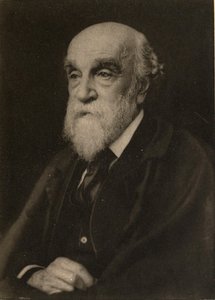
Лоуэс Като Диккенсон
1819 - 1908 , Великобританія
Основна інформація
- Artistic Movement Or Style: Прерафаелізм, Реалізм
- Artists Or Movements Influenced By This Artist: ['Християнський соціалізм']
- Artists Who Influenced This Artist:
- Джон Рускин
- Данте Габріель Россетті
- Date Of Birth: 27 листопада 1819 р.
- Date Of Death: 1908 р.
- Full Name: Lowes Cato Dickinson
- Nationality: Британський
- Notable Artworks:
- Кабінет гласгоуського лорда Гладстона (1868)
- Портрет Голдсворта Лоуеса Діккенса
- Place Of Birth: Лондон, Великобританія

