

 Переглянути в інтер'єрі
 Надіслати
 Поділитися
 Деталі
 Посібник

 Завантажити
 Схожі предмети колекціонування
 Рентгенівське дослідження
 Слайд-шоу
 Статистика переглядів
The Last Supper
 Acrylic On Canvas
- WallArt
- High Renaissance
 1394
1394 47.0 x 142.0 cm
 Державні музеї Берліна
 Читати далі
Олійная репродукція ручної роботи
Написана вручну олією на полотні у вашому розмірі та рамі, виготовлена на замовлення нашими художниками. ( Перейти до друку Перейти до цифрових зображень)




P118B ₴10

P118H ₴10

P118W ₴10

P438Z ₴10

P508JH ₴12

P508YH ₴12

P805H ₴10

P805Z ₴10

P919BZ ₴10

P919G ₴10

P919XJ ₴10

P959ZH ₴10

P968JZ ₴12

W106C ₴8

W218G ₴10

W218JH ₴8

W218Y ₴10

W307PJ ₴10

W316G ₴10

W316PJ ₴8

W316Y ₴10

W398PJ ₴8

W4111J ₴10

W500HY ₴15

W500JH ₴15

W692G ₴12

W849H ₴8

W940BG ₴15

W953PJ ₴8




Обирайте з наших стандартних розмірів, що відповідають оригінальним пропорціям твору мистецтва.

Введіть необхідну ширину та висоту, щоб картина підійшла до вашої рами або стіни. Оскільки це ручний розпис, для розміру іншої форми художник може написати трохи більше навколо картини або трохи обрізати її — вибір за вами. Перед початком роботи ми надішлемо вам цифровий макет для затвердження. Зображення, показане на цій сторінці, не є реальним результатом — лише макет відображає майбутній вигляд.
Після оформлення замовлення команда OriginalUniqueArt.com зв'яжеться з клієнтом електронною поштою для отримання інструкцій та надасть попередній макет
Доставка по всьому світу () за 3–4 тижні замість стандартних 5 тижнів. (23 Жовтень). Без жодних компромісів у якості.

Безкоштовна експрес-доставка по всьому світу

Високоякісне лляне полотно

Повне страхове покриття доставки

Гарантія повернення митних зборів

Гарантія точного відтворення кольорів

Політика повернення протягом 100 днів (лише у разі виявлення дефектів)

Гарантія повернення 100% коштів

Знижка на оптові замовлення
 Скляний варіант доступний лише для розмірів до 110 см

The Last Supper
Техніка репродукції
Розмір репродукції
-


Загальна вартість
₴ 13459
A Moment Frozen in Time: The Story of the Last Supper
Leonardo da Vinci’s The Last Supper, housed within the refectory of Santa Maria delle Grazie in Milan, isn't merely a painting; it’s an immersive experience. Completed between 1495 and 1498, this monumental mural captures a pivotal moment from Christian scripture – the announcement by Jesus of his impending betrayal by one of his apostles. More than just a depiction of an event, it’s a profound exploration of human emotion, faith, and the complexities of relationships. Leonardo masterfully distilled the narrative into a single, dramatic tableau, freezing a conversation in perpetual motion. The scene unfolds with an almost palpable tension, radiating from Jesus's face as he reveals the devastating truth to his disciples. The composition is carefully constructed; each apostle reacts uniquely – shock, denial, anger, confusion – creating a dynamic and deeply affecting visual dialogue.

Technique and Innovation: A Revolutionary Approach
Leonardo’s choice of medium – tempera on gesso, pitch, and mastic – was a radical departure from the traditional fresco method employed for such large-scale works. Fresco relies on pigments mixed with water applied to wet plaster; this technique is notoriously difficult to alter once dry. Leonardo's approach allowed him unprecedented flexibility, enabling him to rework details and experiment with shading and color until he achieved his desired effect. This innovative technique, however, proved tragically unstable over time, contributing significantly to the painting’s deterioration. The layering of materials and the inherent fragility of tempera on gesso have resulted in extensive fading, cracking, and flaking, demanding constant conservation efforts. Despite these challenges, Leonardo's mastery of *sfumato* – a subtle blurring technique that creates soft transitions between light and shadow – remains breathtakingly evident, lending an ethereal quality to the figures and imbuing them with a remarkable sense of realism.
Symbolism and Spiritual Depth
Beyond its dramatic depiction of betrayal, The Last Supper is rich in symbolic meaning. Judas Iscariot, traditionally depicted as sitting alone at the table, is positioned furthest from Jesus, emphasizing his isolation and treachery. The arrangement of the apostles reflects their individual personalities and relationships within the group. Leonardo’s use of color also carries significant weight; the vibrant reds and blues contrast sharply with the muted browns and grays, drawing attention to key figures and emotions. The inclusion of details like the table, benches, and even the architectural elements of the room contribute to a sense of realism and immediacy, grounding the spiritual narrative in a tangible setting. The painting’s overall effect is one of profound introspection, inviting viewers to contemplate themes of faith, betrayal, forgiveness, and the nature of humanity.
A Legacy Enduring Through Time
The Last Supper stands as a testament to Leonardo da Vinci's genius – a masterpiece that continues to captivate audiences centuries after its creation. Its revolutionary techniques, profound symbolism, and emotional resonance have cemented its place among the most iconic works of art in Western history. Reproductions, while never fully capturing the original’s luminosity and depth, offer a valuable opportunity to experience this extraordinary painting firsthand. Whether admired for its technical brilliance or its enduring spiritual message, The Last Supper remains a powerful reminder of the complexities of human nature and the transformative power of art.
Запитання та відповіді
З якої країни походить твір у стилі High Renaissance під назвою "The Last Supper"?
«The Last Supper» пов’язує напрям High Renaissance із Італія через місце народження його творця.
Який розмір «The Last Supper» рекомендується для Dining Room?
Для Dining Room рекомендується друк «The Last Supper» у розмірі Large.
Яка кольорова палітра використана в «The Last Supper» Лоренцо Монакко?
Кольори твору "The Last Supper" утворюють Earthy палітру. Ця класифікація описує домінантні колірні групи.
Біографія митця
Lorenzo Monaco, c.1370–1425 | Art UK
Lorenzo Monaco (c.1370–1425) stands as a singular figure in the artistic landscape of late Gothic Florence—a beacon illuminating the twilight years before the full blaze of the Renaissance. Despite the scarcity of biographical data, his oeuvre speaks volumes about an artist deeply rooted in tradition yet subtly attuned to emerging stylistic currents, securing him a place among the most revered masters of his era. His journey began in Siena, where he was born around 1370—a birthplace that would later become synonymous with artistic excellence and innovation. Precise details regarding his upbringing remain elusive, but scholarly consensus points to Florence as his formative environment, where he absorbed the lessons imparted by luminaries like Giotto, Spinello Aretino, and Agnolo Gaddi – artists who established a bedrock of narrative clarity and emotional resonance that would define Monaco’s artistic trajectory.Early Training and Influences: The Gothic Legacy
Lorenzo Monaco's formative years were spent honing his craft in the *bottega* of Agnolo Gaddi—a workshop renowned for its patronage of Giottoesque painting and its commitment to upholding the stylistic conventions of the International Gothic style. This exposure undoubtedly instilled in him a profound appreciation for meticulous detail, elegant linearism, and restrained chromatic palettes—characteristics that would permeate his early works. The influence of Giotto is palpable in Monaco’s approach to portraying human figures, particularly in his depiction of drapery folds and facial expressions—a stylistic hallmark that distinguishes him from many of his contemporaries. Furthermore, he absorbed insights from Ghiberti and Starnina, artists who championed sophisticated compositional techniques and a heightened awareness of visual space—elements that would contribute to the distinctive aesthetic of his artistic output. The International Gothic style itself—characterized by shimmering gold leaf, elongated figures draped in flowing garments, and an ethereal luminescence—provided Monaco with a framework for exploring themes of piety and transcendence.The Camaldolese Order and Artistic Transformation
A pivotal moment in Lorenzo Monaco’s life occurred in 1390 when he embraced monastic vows at Santa Maria degli Angeli in Florence—joining the Camaldolese order, a movement dedicated to contemplative prayer and scholarly pursuits. This decision profoundly shaped his artistic identity, imbuing it with an introspective quality and directing him toward subjects of spiritual significance. The monastery’s scriptorium became his studio, where he diligently illuminated manuscripts—a practice that demanded precision, patience, and a mastery of color and texture—further refining his technical skills and deepening his understanding of visual symbolism. It was during this period that Monaco adopted the name Lorenzo Monaco—a moniker signifying “Lawrence the Monk”—reflecting his unwavering devotion to God and his commitment to upholding monastic traditions. This dedication would become an enduring hallmark of his artistic vision, distinguishing him from many artists of his time who prioritized worldly pursuits over spiritual contemplation.Stylistic Evolution: From Gothic Grace to Renaissance Light
As Monaco’s artistic career progressed, he subtly adapted the stylistic conventions of the International Gothic style—embracing elongated figures draped in sinuous garments and favoring sharp edges and brilliant colors—particularly gold leaf and lapis lazuli—to convey emotion and spiritual depth. However, unlike many artists of his era who wholeheartedly embraced Renaissance humanism—characterized by anatomical accuracy and perspectival illusion—Monaco remained steadfastly committed to the expressive power of Gothic tradition. His later works demonstrate a remarkable sensitivity to light—a technique that anticipates the innovations championed by Masaccio and Filippo Brunelleschi—creating an ethereal luminescence that elevates his paintings beyond mere representation, transforming them into vehicles for conveying profound theological ideas. The *Pietà*, housed in Florence’s Galleria dell'Accademia, exemplifies this stylistic evolution—capturing the sorrowful dignity of Mary mourning Jesus with a nervous energy in its lines and a palpable sense of emotional tension. Similarly, *The Coronation of the Virgin*—now gracing the Uffizi Gallery—displays Monaco’s masterful command of color and composition—creating a vibrant tapestry of saints rendered with sinuous forms and dazzling hues.Legacy: A Singular Voice Amidst Changing Times
Lorenzo Monaco's artistic legacy endures as a testament to his singular vision—a synthesis of Gothic elegance and nascent Renaissance sensibilities that distinguishes him from many of his contemporaries. Giorgio Vasari, writing in *Lives of the Artists*, acknowledged Monaco’s talent while noting his untimely death around 1425—a loss that deprived Florence of one of its most distinguished painters. Despite the brevity of his life, Monaco left an indelible mark on art history—establishing himself as the final significant exponent of Giotto's style and paving the way for subsequent generations of artists who embraced Renaissance humanism. His paintings continue to inspire admiration for their refined technique, spiritual depth, and evocative beauty—serving as enduring reminders of a pivotal moment in Florentine artistic culture—a time when tradition and innovation converged to produce masterpieces that resonate with viewers centuries later.
Лоренцо Монакко
1370 - 1425 , Італія
Довідкова інформація
- Artistic Movement Or Style: Пізня готична / Ранній ренесанс
- Artists Or Movements Influenced By This Artist:
- Фра Анжеліко
- Мазаччо
- Artists Who Influenced This Artist:
- Джото
- Спіньоло Аретіно
- Агноло Гадді
- Date Of Birth: Сiena, Італія (бл. 1370)
- Date Of Death: Італія (бл. 1425)
- Full Name: Lorenzo Monaco
- Nationality: Італійський
- Notable Artworks:
- П'єта
- Коронація Діви Марії
- Поклоніння Magi
- Place Of Birth: Сiena
Схожі статті
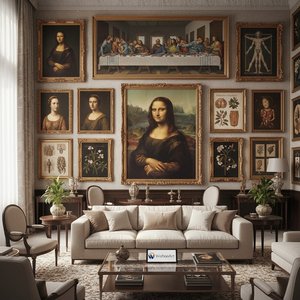
Леонардо да Вінчі: 25 шедеврів для вашого дому – мистецтво, історія та декор від OriginalUniqueArt
Відкрийте 25 шедеврів Леонардо да Вінчі! Історія, техніка та значення культових картин Відродження. Репродукції високої якості для вашого дому від OriginalUniqueArt.com – мистецтво, що надихає.
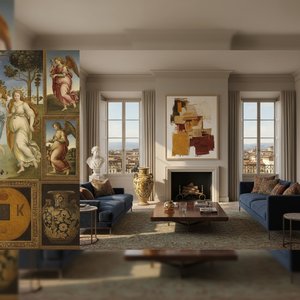
Топ-25 шедеврів Уффіці: Відродження в мистецтві для вашого дому | OriginalUniqueArt
Відкрийте для себе 25 шедеврів Уффіці, Флоренція! Історія Леонардо да Вінчі, Боттічеллі та Рафаеля. Репродукції картин онлайн – натхнення для вашого дому від OriginalUniqueArt.com.
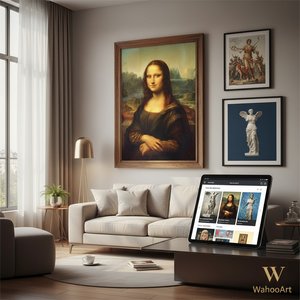
Топ-25 шедеврів Лувру: Відкрийте для себе велич мистецтва з OriginalUniqueArt
Відкрийте для себе 25 найвідоміших шедеврів Лувру! Історія Джоконди, Венери Мілоської та інших легендарних картин. Репродукції високої якості від OriginalUniqueArt – натхнення для вашого інтер'єру. Дослідіть колекцію онлайн!
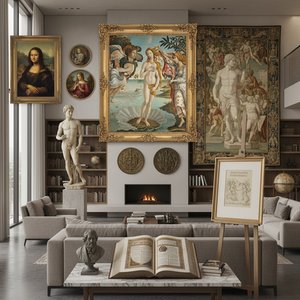
Топ-10 шедеврів епохи Відродження: мистецтво гуманізму для вашого дому
Відкрийте для себе 10 шедеврів епохи Відродження, що втілюють дух гуманізму! Дізнайтесь історії Леонардо да Вінчі, Рафаеля та інших геніїв. Купуйте високоякісні репродукції картин на OriginalUniqueArt.com для вашого дому.
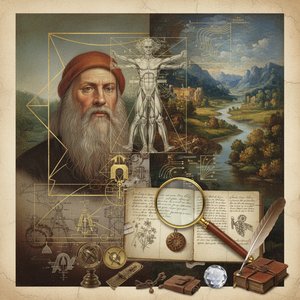
Leonardo da Vinci: A Renaissance Master’s Synthesis of Art, Science & Human Observation – Reinterpreted for the Collector
Explore Leonardo da Vinci’s timeless masterpieces with OriginalUniqueArt. Discover insights into his art, science, and legacy – trusted expertise for discerning collectors seeking authentic reproductions & investment opportunities.


