

 Переглянути в інтер'єрі
 Надіслати
 Поділитися
 Деталі
 Посібник

 Завантажити
 Схожі предмети колекціонування
 Рентгенівське дослідження
 Слайд-шоу
 Статистика переглядів
Crucifixion
 Acrylic On Canvas
- WallArt
- Renaissance Humanism
 1405
1405 50.0 x 27.0 cm
 Галерея Академії у Флоренції
 Читати далі
Гікле / Художній принт
Музейна якість друку جيкле або на полотні з оперативним виготовленням та різноманітними варіантами фінішної обробки. ( Купити картину ручної роботи Перейти до цифрових зображень)




P118B ₴10

P118H ₴10

P118W ₴10

P438Z ₴10

P508JH ₴12

P508YH ₴12

P805H ₴10

P805Z ₴10

P919BZ ₴10

P919G ₴10

P919XJ ₴10

P959ZH ₴10

P968JZ ₴12

W106C ₴8

W218G ₴10

W218JH ₴8

W218Y ₴10

W307PJ ₴10

W316G ₴10

W316PJ ₴8

W316Y ₴10

W398PJ ₴8

W4111J ₴10

W500HY ₴15

W500JH ₴15

W692G ₴12

W849H ₴8

W940BG ₴15

W953PJ ₴8




Обирайте з наших стандартних розмірів, що відповідають оригінальним пропорціям твору мистецтва.

Type the width and the height you need, to fit your frame or your wall. A print can only be cut, never made bigger than the picture, so a size with a different shape loses a part of the image. We send you a digital mockup to approve before we print anything. The picture shown on this page does not show the real cut — only the mockup does.
Доставка по всьому світу () за 2 тижні замість стандартних 4/5 тижнів. (14 Жовтень)

Безкоштовна експрес-доставка по всьому світу

Високоякісне лляне полотно

Повне страхове покриття доставки

Гарантія повернення митних зборів

Гарантія точного відтворення кольорів

Політика повернення протягом 100 днів (лише у разі виявлення дефектів)

Гарантія повернення 100% коштів

Знижка на оптові замовлення
 Скляний варіант доступний лише для розмірів до 110 см

Crucifixion
Гікле / Художній принт
Розмір репродукції
-


Загальна вартість
₴ 3574
The Soul of Sorrow: Analyzing Lorenzo Monaco’s Crucifixion
Lorenzo Monaco's Crucifixion stands as a cornerstone of Quattrocento Florentine art—a testament not merely to artistic skill but to profound spiritual contemplation. Painted circa 1405, this monumental panel transcends mere depiction; it strives to convey the agonizing beauty inherent in Christ’s suffering and serves as an enduring emblem of Christian faith. Examining its stylistic choices, technical execution, and historical resonance illuminates Monaco's masterful grasp of both humanist ideals and medieval devotional traditions.- Style: Monaco’s Crucifixion embodies a refined Gothic sensibility tempered by nascent Renaissance principles. While retaining the solemn grandeur characteristic of his predecessors—particularly Giotto—the painting exhibits an unprecedented level of naturalism, evident in the subtly rendered musculature of Christ and the expressive drapery that clings to his body. This careful attention to anatomical detail distinguishes it from earlier depictions where Christ was often stylized as a symbolic figure rather than a human being experiencing palpable pain.
- Technique: Monaco employed tempera on panel—a technique favored by Florentine artists of the period—renowned for its luminosity and durability. The pigment binders, derived from egg yolk, achieved astonishing brilliance through meticulous layering and glazing, capturing the ethereal quality of divine light that permeates the scene. Furthermore, Monaco’s masterful use of chiaroscuro—the dramatic interplay between light and shadow—intensifies the emotional impact of the composition, emphasizing Christ's vulnerability against a backdrop of solemn majesty.
Historical Context: Bridging Gothic Legacy & Renaissance Awakening
Symbolism: Echoes of Medieval Devotion & Humanist Insight
Emotional Impact: Capturing Agony & Reverence
This painting exemplifies the Renaissance’s quest for artistic excellence while honoring medieval spiritual traditions. It is a remarkable achievement of tempera technique, demonstrating Monaco's profound understanding of human anatomy and emotion.
Запитання та відповіді
У якій техніці виконано «Crucifixion» Лоренцо Монакко?
Техніка виконання «Crucifixion» Лоренцо Монакко — Acrylic On Canvas. Репродукції мають на меті відтворити вигляд цієї техніки.
Про що твір "Crucifixion"?
«Crucifixion» Лоренцо Монакко зображує: religious iconography, crucifixion scene, byzantine art influence, medieval symbolism, suffering christ, artistic composition, renaissance painting.
Чи можна вільно відтворювати зображення «Crucifixion» Лоренцо Монакко?
Статус авторського права для «Crucifixion» Лоренцо Монакко: цей твір є є суспільним надбанням — термін дії авторського права закінчився. Це визначає, чи можна вільно створювати репродукції зображення.
Біографія митця
Lorenzo Monaco, c.1370–1425 | Art UK
Lorenzo Monaco (c.1370–1425) stands as a singular figure in the artistic landscape of late Gothic Florence—a beacon illuminating the twilight years before the full blaze of the Renaissance. Despite the scarcity of biographical data, his oeuvre speaks volumes about an artist deeply rooted in tradition yet subtly attuned to emerging stylistic currents, securing him a place among the most revered masters of his era. His journey began in Siena, where he was born around 1370—a birthplace that would later become synonymous with artistic excellence and innovation. Precise details regarding his upbringing remain elusive, but scholarly consensus points to Florence as his formative environment, where he absorbed the lessons imparted by luminaries like Giotto, Spinello Aretino, and Agnolo Gaddi – artists who established a bedrock of narrative clarity and emotional resonance that would define Monaco’s artistic trajectory.Early Training and Influences: The Gothic Legacy
Lorenzo Monaco's formative years were spent honing his craft in the *bottega* of Agnolo Gaddi—a workshop renowned for its patronage of Giottoesque painting and its commitment to upholding the stylistic conventions of the International Gothic style. This exposure undoubtedly instilled in him a profound appreciation for meticulous detail, elegant linearism, and restrained chromatic palettes—characteristics that would permeate his early works. The influence of Giotto is palpable in Monaco’s approach to portraying human figures, particularly in his depiction of drapery folds and facial expressions—a stylistic hallmark that distinguishes him from many of his contemporaries. Furthermore, he absorbed insights from Ghiberti and Starnina, artists who championed sophisticated compositional techniques and a heightened awareness of visual space—elements that would contribute to the distinctive aesthetic of his artistic output. The International Gothic style itself—characterized by shimmering gold leaf, elongated figures draped in flowing garments, and an ethereal luminescence—provided Monaco with a framework for exploring themes of piety and transcendence.The Camaldolese Order and Artistic Transformation
A pivotal moment in Lorenzo Monaco’s life occurred in 1390 when he embraced monastic vows at Santa Maria degli Angeli in Florence—joining the Camaldolese order, a movement dedicated to contemplative prayer and scholarly pursuits. This decision profoundly shaped his artistic identity, imbuing it with an introspective quality and directing him toward subjects of spiritual significance. The monastery’s scriptorium became his studio, where he diligently illuminated manuscripts—a practice that demanded precision, patience, and a mastery of color and texture—further refining his technical skills and deepening his understanding of visual symbolism. It was during this period that Monaco adopted the name Lorenzo Monaco—a moniker signifying “Lawrence the Monk”—reflecting his unwavering devotion to God and his commitment to upholding monastic traditions. This dedication would become an enduring hallmark of his artistic vision, distinguishing him from many artists of his time who prioritized worldly pursuits over spiritual contemplation.Stylistic Evolution: From Gothic Grace to Renaissance Light
As Monaco’s artistic career progressed, he subtly adapted the stylistic conventions of the International Gothic style—embracing elongated figures draped in sinuous garments and favoring sharp edges and brilliant colors—particularly gold leaf and lapis lazuli—to convey emotion and spiritual depth. However, unlike many artists of his era who wholeheartedly embraced Renaissance humanism—characterized by anatomical accuracy and perspectival illusion—Monaco remained steadfastly committed to the expressive power of Gothic tradition. His later works demonstrate a remarkable sensitivity to light—a technique that anticipates the innovations championed by Masaccio and Filippo Brunelleschi—creating an ethereal luminescence that elevates his paintings beyond mere representation, transforming them into vehicles for conveying profound theological ideas. The *Pietà*, housed in Florence’s Galleria dell'Accademia, exemplifies this stylistic evolution—capturing the sorrowful dignity of Mary mourning Jesus with a nervous energy in its lines and a palpable sense of emotional tension. Similarly, *The Coronation of the Virgin*—now gracing the Uffizi Gallery—displays Monaco’s masterful command of color and composition—creating a vibrant tapestry of saints rendered with sinuous forms and dazzling hues.Legacy: A Singular Voice Amidst Changing Times
Lorenzo Monaco's artistic legacy endures as a testament to his singular vision—a synthesis of Gothic elegance and nascent Renaissance sensibilities that distinguishes him from many of his contemporaries. Giorgio Vasari, writing in *Lives of the Artists*, acknowledged Monaco’s talent while noting his untimely death around 1425—a loss that deprived Florence of one of its most distinguished painters. Despite the brevity of his life, Monaco left an indelible mark on art history—establishing himself as the final significant exponent of Giotto's style and paving the way for subsequent generations of artists who embraced Renaissance humanism. His paintings continue to inspire admiration for their refined technique, spiritual depth, and evocative beauty—serving as enduring reminders of a pivotal moment in Florentine artistic culture—a time when tradition and innovation converged to produce masterpieces that resonate with viewers centuries later.
Лоренцо Монакко
1370 - 1425 , Італія
Довідкова інформація
- Artistic Movement Or Style: Пізня готична / Ранній ренесанс
- Artists Or Movements Influenced By This Artist:
- Фра Анжеліко
- Мазаччо
- Artists Who Influenced This Artist:
- Джото
- Спіньоло Аретіно
- Агноло Гадді
- Date Of Birth: Сiena, Італія (бл. 1370)
- Date Of Death: Італія (бл. 1425)
- Full Name: Lorenzo Monaco
- Nationality: Італійський
- Notable Artworks:
- П'єта
- Коронація Діви Марії
- Поклоніння Magi
- Place Of Birth: Сiena
Схожі статті
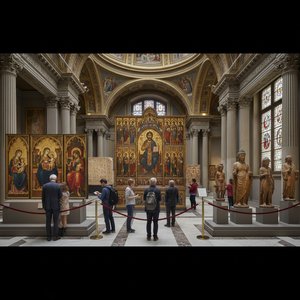
Sacred Narratives Embodied: A Comprehensive Exploration of Religious Iconography in Art History
Explore the rich history of religious iconography in art! Discover symbolism, movements & masterpieces from Byzantine to Renaissance periods. Expert insights for collectors and enthusiasts at OriginalUniqueArt.
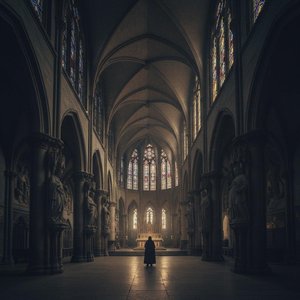
Gothic Art Unveiled: The Dark Beauty and Drama of a Timeless Era
Embark on a journey through the dramatic era of Gothic art. Discover the profound beauty of illuminated manuscripts, sacred gold leaf masterpieces, and the transition to naturalism in this expert-led exploration of medieval artistry and historical grandeur.
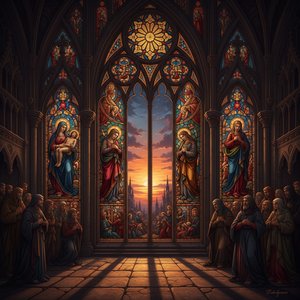
The Radiant Dusk of Medieval Vision: Exploring Late Gothic Art's Synthesis of Faith, Form & Emotionality (c. 1300-1500)
Explore the exquisite beauty & spiritual depth of Late Gothic art (c. 1300-1500). Discover key artists, symbolism, and its lasting influence on the Renaissance. Expert insights at OriginalUniqueArt.
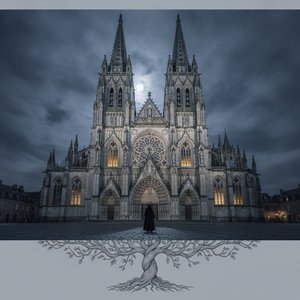
Shadows & Splendor: A Journey Through the Soul of Gothic Art and Architectural Grandeur
Embark on a profound journey through the spiritual intensity of Gothic art. Explore the architectural marvels, luminous stained glass, and sacred sculptures that define this era of grandeur and human devotion.

Gothic Vibes: From Dark Shadows to Bold Modern Edge | The Ultimate Trend Forecast
Explore the evolution of Gothic vibes, from historical shadows to bold modern edge. Discover how dark aesthetics, noir interiors, and contemporary subcultures are redefining modern design through a high-impact, trend-focused lens.


