
 Переглянути в інтер'єрі
 Надіслати як листівку
 Поділитися
 Деталі витвору
 Посібник

 Завантажити
 Схожі екземпляри
 Рентгенівське дослідження
 Слайд-шоу
 Питання та відповіді
 Статистика
Venus and Cupid

- 92.0 x 111.0 cm


 Розгорнути текст
Гікле / Художній принт
Друк جيкле або на полотні музейної якості з оперативним виготовленням та різноманітними варіантами фінішної обробки. ( Замовити картину ручної роботи Перейти до цифрових зображень)




P118B ₴10

P118H ₴10

P118W ₴10

P438Z ₴10

P508JH ₴12

P508YH ₴12

P805H ₴10

P805Z ₴10

P919BZ ₴10

P919G ₴10

P919XJ ₴10

P959ZH ₴10

P968JZ ₴12

W106C ₴8

W218G ₴10

W218JH ₴8

W218Y ₴10

W307PJ ₴10

W316G ₴10

W316PJ ₴8

W316Y ₴10

W398PJ ₴8

W4111J ₴10

W500HY ₴15

W500JH ₴15

W692G ₴12

W849H ₴8

W940BG ₴15

W953PJ ₴8




Обирайте з наших стандартних розмірів, що відповідають оригінальним пропорціям твору мистецтва.

Введіть необхідну ширину та висоту, щоб принт ідеально підійшов до вашої рами або стіни. Принт можна лише обрізати, але не можна зробити більшим за оригінал, тому при зміні пропорцій частина зображення буде втрачена. Перед друком ми надсилаємо вам цифровий макет для затвердження. Зображення на цій сторінці не відображає реальну обрізку — її можна побачити лише на макеті.
Доставка по всьому світу () за 2 тижні замість стандартних 4/5 тижнів. (8 Листопад)

Безкоштовна експрес-доставка по всьому світу

Високоякісне лляне полотно

Повне страхове покриття доставки

Гарантія повернення митних зборів

Гарантія точного відтворення кольорів

Політика повернення протягом 100 днів (лише у разі виявлення дефектів)

Гарантія повернення 100% коштів

Пропозиція на оптові замовлення
 Скляний варіант доступний лише для розмірів до 110 см

Venus and Cupid
Гікле / Художній принт
Розмір репродукції
-


Підсумкова вартість
₴ 3637
A Moment of Divine Grace: Unveiling Lorenzo Lotto’s “Venus and Cupid”
Lorenzo Lotto's "Venus and Cupid," painted in 1540, is more than just a depiction of the Roman goddess and her son; it’s a profound meditation on love, fertility, and the delicate balance between earthly desire and celestial grace. This captivating work transcends its historical context to resonate with viewers centuries later, offering a glimpse into the artist's unique vision and his masterful command of color, composition, and symbolism. The painting immediately draws the eye with its rich palette – the deep reds of the curtain create an intimate, almost theatrical space, contrasting beautifully with the soft blues and creams of Venus’ attire and the youthful blush of Cupid. Lotto eschews the overtly sensual depictions common in his era, instead presenting a scene imbued with a quiet dignity and a subtle, knowing humor.
(Image: Lorenzo Lotto, *Venus and Cupid*, c. 1540)
The Venetian Wanderer’s Vision
Lorenzo Lotto's life was a testament to artistic restlessness. Born in Venice around 1480, he defied the established paths of his contemporaries, choosing instead a nomadic existence that spanned Italy – from the bustling canals of Treviso and Rome to the quieter landscapes of Bergamo and Ancona, culminating in his final years as a lay brother at Loreto. This itinerant journey profoundly shaped his artistic style, fostering an independence of spirit and exposing him to diverse influences while simultaneously sharpening his ability to synthesize disparate elements into a cohesive whole. Unlike many Venetian artists who rigidly adhered to the dictates of the workshop, Lotto developed a distinctly personal voice—a harmonious blend of High Renaissance grace and nascent Mannerist sensibilities, evident in the subtly elongated figures and expressive gestures that characterize this particular painting.
A Symphony of Symbolism
“Venus and Cupid” is a veritable treasure trove of symbolic detail. The central image – Venus reclining on her side, cradling a baby – immediately evokes classical notions of fertility and maternal love. However, Lotto cleverly subverts expectations by depicting the infant not as an idealized cherub but as a boy engaged in a decidedly un-divine act: he urinates through a crown of myrtle upon the belly of Venus. This seemingly irreverent gesture is laden with meaning. The urine symbolizes potent fertility and renewal, while the myrtle wreath represents everlasting love. The presence of two angels flanking the scene further elevates the narrative, suggesting divine approval and blessing. A bird hovering above adds an element of ethereal beauty and perhaps foreshadows future progeny. Even the carefully chosen objects – a burning incense burner, garlands of roses and ivy – contribute to the overall message of harmony, abundance, and enduring affection.
A Window into Renaissance Marriage
Historical research suggests that this painting was likely commissioned as a wedding gift in Bergamo or Venice around 1540. The iconography—the rose, seashell, and ivy – reflects the prevailing customs surrounding marriage at the time, emphasizing beauty, purity, and eternal love. The depiction of Cupid’s act is particularly noteworthy; it's a playful allusion to ancient fertility rituals, suggesting that the couple would be blessed with many children. Lotto’s masterful use of color and composition creates an intimate atmosphere, inviting viewers to contemplate not only the romance between Venus and Cupid but also the hopes and aspirations associated with marriage and family life. The painting stands as a testament to Lotto's ability to seamlessly blend classical mythology with contemporary social customs, creating a work that is both timeless and deeply rooted in its historical context.
Питання та відповіді
Який розмір та орієнтацію рекомендується для друку «Venus and Cupid» роботи Лоренцо Лотто?
Розмір Medium, орієнтація Landscape: рекомендовані параметри друку для «Venus and Cupid» роботи Лоренцо Лотто.
Яка насиченість кольорів у творі «Venus and Cupid» роботи Лоренцо Лотто?
Насиченість кольорів у творі «Venus and Cupid» — Balanced. Насиченість описує, наскільки яскравими та виразними є кольори.
Яку кольорову гармонію демонструє «Venus and Cupid» роботи Лоренцо Лотто?
Колірна гармонія твору "Venus and Cupid" визначена як Balanced Harmony.
Біографія митця
A Venetian Wanderer: The Life and Art of Lorenzo Lotto
Born in the vibrant heart of Venice around 1480, Lorenzo Lotto emerged as a distinctive voice within the Italian Renaissance, though his artistic journey would lead him far beyond the lagoon city’s celebrated studios. Unlike many of his contemporaries who firmly established themselves within specific schools or courts, Lotto embarked on a peripatetic career, traversing cities like Treviso, Rome, Bergamo, and Ancona before ultimately finding solace as a lay brother in Loreto. This itinerant existence profoundly shaped his artistic vision, exposing him to diverse influences while fostering an independent spirit that set him apart. While early training remains somewhat shrouded in mystery, it’s believed he absorbed the lessons of Giovanni Bellini, a leading figure of the Venetian school, yet Lotto quickly transcended simple imitation, forging a style uniquely his own—a blend of High Renaissance grace and nascent Mannerist sensibilities.Blending Traditions: Style and Influences
Lotto’s artistic signature lies in his remarkable ability to synthesize diverse influences into a cohesive and deeply personal aesthetic. His early works reveal the impact of Giorgione's poetic naturalism, particularly evident in the subtle atmospheric effects and lyrical compositions. The Venetian light, so prized by these masters, permeates many of Lotto’s earlier paintings, creating an ethereal quality that sets them apart from more rigid depictions. However, a sojourn in Rome brought him into contact with the art of Raphael, imbuing his work with a newfound clarity of form and compositional balance. He studied the precise lines and balanced arrangements of Raphael's frescoes in the Vatican, adopting a greater sense of order and perspective. Later, during his extended stay in Bergamo, he absorbed elements of Lombard realism, adding a grounded physicality to his figures—a shift away from the purely idealized forms often found in Venetian painting. This eclectic approach is not merely additive; Lotto masterfully integrated these influences, creating paintings that are both technically refined and emotionally resonant. He wasn’t afraid to experiment with perspective, often employing unusual vantage points to heighten the sense of drama or intimacy. His palette, while rooted in Venetian colorism—the rich reds, blues, and greens characteristic of the region—evolved over time, becoming increasingly vibrant and expressive, reflecting his growing mastery of light and shadow.Portraits of the Soul: Lotto’s Masterpieces
While Lotto excelled in religious painting, it is perhaps through his portraits that he truly distinguished himself. He possessed an extraordinary gift for capturing not just the physical likeness but also the inner life of his sitters. His portraits are rarely idealized; instead, they present individuals with all their complexities and vulnerabilities. Man with a Golden Paw, painted in 1527, is a prime example—a captivating study of a gentleman holding a small golden statuette, its symbolism open to interpretation but undeniably intriguing. The sitter’s gaze is direct and engaging, conveying a sense of intelligence and quiet contemplation. The details – the folds of his clothing, the subtle expression on his face – are rendered with remarkable precision, revealing Lotto's keen observational skills. Similarly, Portrait of a 37-year-old Man, showcases Lotto’s ability to convey personality through subtle details—the man’s clothing, his posture, the expression in his eyes all contribute to a compelling psychological portrait. These are not merely representations of individuals; they are windows into their souls. He seemed less interested in presenting an image of perfection and more focused on capturing the essence of his subjects – their character, their thoughts, their emotions.Religious Visions: Altarpieces and Mysticism
Lotto’s religious paintings are equally compelling, often imbued with a profound sense of spirituality and mystery. His altarpieces, particularly those he painted in Bergamo—the *Entombment* at Jesi and the *Transfiguration* at Recanati—are considered masterpieces of the Italian Renaissance. These works demonstrate his mastery of composition, color, and light, creating scenes that are both dramatic and deeply moving. The *Entombment*, for example, is a powerful depiction of grief and sacrifice, with the figures rendered in rich, luminous colors and arranged in a dynamic, almost theatrical manner. The *Transfiguration* showcases Lotto’s ability to convey divine presence—the radiant light emanating from Christ's face and the serene expressions on the faces of the apostles create an atmosphere of awe and reverence. Many scholars believe that Lotto’s religious paintings were informed by his own spiritual experiences, reflecting a deep sense of faith and devotion.A Rediscovered Legacy: Historical Significance
Despite achieving considerable recognition during his lifetime, Lotto's reputation waned after his death in 1556 or 1557. His works, often dispersed throughout provincial churches and private collections, were largely overlooked for centuries. It wasn’t until the late 19th century, with Bernard Berenson’s groundbreaking scholarship, that Lotto experienced a significant revival of interest. Berenson's writings highlighted the originality and complexity of Lotto’s style, challenging conventional interpretations of Venetian painting. Today, he is recognized as one of the most original and compelling artists of the Italian Renaissance. His unique blend of stylistic influences, his psychological depth, and his technical mastery continue to captivate audiences and inspire art historians. He stands as a testament to the power of artistic independence—a wanderer who forged his own path and left an indelible mark on the world of art. The rediscovery of Lotto’s oeuvre has enriched our understanding of the Renaissance, revealing a complex and multifaceted artist whose work deserves continued exploration and appreciation.
Лоренцо Лотто
1480 - 1556 , Італія
Короткі факти
- Artistic Movement Or Style: Ренесанс, Маньєризм
- Artists Or Movements Influenced By This Artist: ['Тіціан']
- Artists Who Influenced This Artist:
- Джіввані Белліні
- Джоргаьоне
- Рафаель
- Date Of Birth: c. 1480
- Date Of Death: 1556/57
- Full Name: Lorenzo Lotto
- Nationality: Італійський
- Notable Artworks:
- Мадонна з Святим Петром
- Святий Єронім у пустелі
- Розmazione
- Чоловік із золотим хустинцем
- Place Of Birth: Венеція, Італія
Пов'язані статті

Топ-10 творів мистецтва, що пробуджують глибокі романтичні почуття | OriginalUniqueArt.com
Відкрийте для себе 10 найромантичніших творів мистецтва! Історія кохання в картинах від відомих художників, імпресіонізм та прерафаеліти. Репродукції картин ручної роботи на OriginalUniqueArt.com – додайте емоцій вашому дому. Дослідіть колекцію онлайн!

Топ-10 значущих подарунків з мистецтва на весілля: ідеї для створення затишку та краси
Оберіть ідеальний подарунок на весілля! 🖼️ Топ-10 значущих картин від Ван Гога, Моне та інших відомих художників. Романтичні пейзажі, символізм та класичне мистецтво для створення затишку в будинку. Купіть репродукції високої якості на OriginalUniqueArt.com! ✨
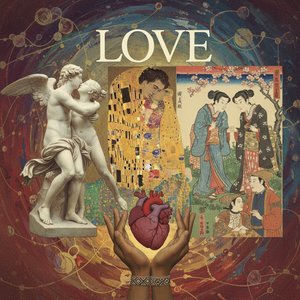
The Enduring Motif of Love in Art History: A Cross-Cultural Exploration of Representation and Emotion
Explore the rich history of love in art! Discover iconic masterpieces, artistic techniques & cultural symbolism from antiquity to modern times. Expert analysis for collectors.

Топ-25 шедеврів Сандро Боттічеллі: мистецтво Відродження для вашого дому | OriginalUniqueArt
Відкрийте для себе 25 шедеврів Сандро Боттічеллі! Дослідіть історії створення "Народження Венери", "Весни" та інших культових картин Відродження. Репродукції високої якості для вашого дому – OriginalUniqueArt.

Lorenzo Lotto: Unveiling the Enigma of a Venetian Master's Portraits
Explore the captivating world of Lorenzo Lotto, a Venetian Renaissance master renowned for his psychologically insightful portraits & enigmatic symbolism. Discover his life, style, and rediscovered legacy with OriginalUniqueArt.


