

 Надіслати
 Поділитися
 Деталі
 Посібник

 Завантажити
 Схожі предмети колекціонування
 Слайд-шоу
 Статистика переглядів
The Flagellation
 Bronze
- Sculpture
- Early Renaissance
 1403
1403- Renaissance
 52.0 x 45.0 cm
 Баптистерій Сан-Джованні
 Читати далі
Придбайте цифрову копію високої роздільної здатності з покращеною якістю, що значно перевершує онлайн-перегляд.
Кожен файл ретельно підготовлений нашими фахівцями за допомогою сучасних інструментів та професійної ручної ретуші. Ми гарантуємо виняткову чіткість, точну передачу кольору та високу деталізацію кожного зображення.
Фінальний файл надсилається електронною поштою протягом 72 годин і оптимізований для негайного використання у професійних виданнях та друкованих матеріалах. Таку якість обирають провідні дизайнерські студії, видавництва та галереї.
Цифрове зображення
Завантажте файл високої роздільної здатності для особистого використання, друку та творчих проєктів. ( Перейти до друку Купити картину ручної роботи)
Що входить у кожне замовлення цифрових зображень
Експертна цифрова доставка з гарантією якості
Обираючи OriginalUniqueArt.com, ви отримуєте не просто зображення — ви отримуєте професійно вдосконалений цифровий витвір мистецтва, створений з надзвичайною точністю та підкріплений гарантією задоволення. Ось усе, що автоматично додається до вашого замовлення:

Швидка доставка на email
Ваш цифровий файл із зображенням високої роздільної здатності буде надісланий вам електронною поштою протягом 72 годин після оформлення замовлення — він буде готовий до негайного використання.

Цифровий файл із покращенням ШІ
Ваш витвір мистецтва професійно оптимізовано за допомогою передових інструментів штучного інтелекту та ручної корекції, що забезпечує максимальну деталізацію, чіткість і точність передачі кольорів.

Безкоштовне повторне завантаження назавжди
Випадково видалили або втратили файл? Не хвилюйтеся — ми надішлемо його вам повторно в будь-який час безкоштовно.

Без митних зборів — завжди
Насолоджуйтесь вашим витвором мистецтва миттєво без жодних мит, зборів або плати за доставку — цифрові завантаження завжди не оподатковуються.

Гарантія точності кольорів
Ми гарантуємо максимально точне відтворення оригінальних кольорів на вашому цифровому зображенні завдяки використанню професійних інструментів та систем управління кольором.

100-денна гарантія задоволення клієнта
Якщо ви не задоволені придбаним цифровим зображенням, ми внесемо правки або повернемо 100% вартості протягом 100 днів — без зайвих запитань.

Гарантія повернення 100% коштів
Незадоволені покупкою? Отримайте повне повернення коштів протягом 100 днів після отримання цифрового файлу — без зайвих запитань.

Знижки на оптові замовлення
Купуйте 3 зображення — заощаджуйте 10% — Купуйте 5 — заощаджуйте 15% — Купуйте 10+ — заощаджуйте 20%. Чудово підходить для творчих проєктів, галерей та агентств.
The Drama Etched in Bronze: An Encounter with The Flagellation
To stand before a depiction of The Flagellation, particularly one rendered with the masterful hand of Lorenzo Ghiberti, is to be plunged immediately into a vortex of human suffering and profound spiritual drama. This bronze sculpture, dating from 1403, is not merely an artistic representation; it is a visceral narrative moment frozen in time. The scene captures the raw intensity of physical torment, yet within that agony, Ghiberti masterfully embeds layers of theological meaning and breathtaking technical virtuosity. Observe the composition: the figures are arranged with palpable tension—the figure on the left wielding the whip, the central recipient bearing the brunt of the blows, another figure enduring the lash to the right, and a fourth figure whose raised hands speak volumes of protest or desperate appeal.
Mastery in Metalwork: Technique and Form
Ghiberti’s command over bronze is legendary, and here it shines with breathtaking clarity. The sculptural quality allows the viewer to appreciate not only the narrative action but also the sheer physical skill required to render such complex human anatomy in a durable, gleaming medium. Notice how the drapery falls, suggesting movement even in repose; how the musculature strains under duress. The artist has achieved an unparalleled sense of weight and dynamism. For those considering bringing this monumental piece into a contemporary space, understanding its material depth is key. A reproduction captures the *spirit* of Ghiberti’s handling—the dramatic interplay between polished surfaces and textured agony—allowing you to integrate Renaissance drama into modern décor.
Historical Echoes: The Florentine Renaissance Context
Created in 1403, this work stands at a pivotal moment in art history. Lorenzo Ghiberti was a central figure in the burgeoning Renaissance spirit of Florence. His career bridged the gap between the Gothic tradition and the emerging naturalism of the High Renaissance. This piece reflects that transition: while the subject matter is deeply rooted in medieval devotional art, the *treatment*—the emotional realism, the sophisticated composition—speaks to an era rediscovering classical ideals of human potential. It speaks of a culture obsessed with both divine narrative and earthly perfection.
Symbolism and Emotional Resonance
The symbolism inherent in The Flagellation is immense. Beyond the literal depiction of punishment, the sculpture invites contemplation on themes of sacrifice, redemption, and endurance. The contrast between the brutal action and the potential for spiritual transcendence creates a powerful emotional current that resonates across centuries. When viewing it, one feels the weight of history, the ache of human vulnerability, and simultaneously, the enduring power of faith. It is an object designed not just to be looked at, but to be felt—a profound meditation rendered in cold, hard bronze.
Біографія митця
A Florentine Renaissance Forged in Bronze: The Life and Legacy of Lorenzo Ghiberti
Lorenzo di Bartolo – a name that would forever be intertwined with artistic innovation – was born near Florence, Italy, in 1378. His early life, steeped in the practical artistry of goldsmithing under his stepfather, Bartolo di Michele, laid the foundation for a career that would reshape the landscape of Renaissance sculpture. This foundational training instilled within him an unparalleled mastery of metalwork, a skill he would later elevate to breathtaking heights, transforming bronze into windows onto biblical narratives and human emotion. Little did he know, this humble beginning was merely the prelude to a legacy that would resonate through centuries of art history.The Baptistery Doors: A Triumph of Skill and Vision
In 1401, Florence held a contest of unparalleled significance – the selection of an artist to create new bronze doors for the city’s magnificent Baptistery. This commission was considered the most prestigious in the region, a testament to artistic merit and civic pride. Lorenzo Ghiberti, a young man brimming with ambition and talent, entered this arena alongside some of the era's most formidable minds, including Filippo Brunelleschi, a rival whose architectural genius would challenge Ghiberti’s own creative vision. The challenge was daunting: to depict the *Sacrifice of Isaac* in relief – a scene from the Old Testament that demanded both technical virtuosity and profound artistic interpretation. Ghiberti's panel wasn’t simply a demonstration of skill; it was a revelation, a bold declaration of a new artistic sensibility. His innovative approach, characterized by graceful figures imbued with a sense of movement and a sophisticated understanding of perspective, secured his victory – a moment that launched his career into immortality. This triumph wasn’t merely about winning a commission; it was a symbolic affirmation of a fresh artistic voice, one poised to redefine the possibilities of sculpture.The “Gates of Paradise”: A Masterpiece Unveiled
Following the resounding success of the North Doors, Ghiberti was entrusted with an even more ambitious undertaking: the creation of a second set for the Baptistery’s east entrance – a project that would become his magnum opus and earn him the enduring nickname "the Gates of Paradise." Completed in 1452, these doors are arguably the pinnacle of Renaissance sculpture. Each panel depicts scenes from the Old Testament with an unprecedented level of realism, detail, and emotional depth. Ghiberti’s mastery of bronze casting and relief sculpture reached its zenith in these works. The panels aren't merely representations of biblical stories; they are immersive narratives brought to life through meticulous attention to anatomy, drapery, and spatial relationships. He pioneered the use of perspective – a revolutionary technique at the time – to create a sense of depth and realism that was truly groundbreaking. The sheer scale and complexity of the project demanded not only exceptional technical skill but also an unwavering commitment to artistic vision.Style, Influences, and Lasting Impact
Ghiberti’s artistic style represents a beautiful synthesis of Gothic elegance and the burgeoning principles of Renaissance humanism. While deeply rooted in the traditions of medieval craftsmanship – evident in the rich textures and intricate details of his work – he embraced classical antiquity, incorporating elements of Roman art and sculpture into his designs. This fusion created a unique aesthetic that was both refined and profoundly expressive. He wasn’t simply imitating the past; he was reinterpreting it through a distinctly Renaissance lens, imbuing ancient forms with new life and meaning. Beyond his technical brilliance, Ghiberti's work reflects a deep understanding of human emotion and spirituality – qualities that resonated powerfully with audiences throughout Florence and beyond. His legacy extends far beyond his artistic achievements; he embodied the spirit of the Early Renaissance – a period marked by intellectual curiosity, artistic innovation, and a renewed appreciation for classical learning.A Legacy Cast in Bronze
The historical significance of Lorenzo Ghiberti transcends mere technical brilliance. He was a pivotal figure in shaping the cultural identity of Florence during a transformative era. His work not only revolutionized the aesthetic landscape of the city but also helped to define the humanist ideals that would shape Western culture for centuries to come. His meticulous attention to detail, his mastery of perspective, and his ability to imbue his sculptures with emotional depth set a new standard for artistic excellence. Ghiberti’s innovations paved the way for masters like Leonardo da Vinci and Michelangelo, solidifying his place as a cornerstone of Western art history. The “Gates of Paradise” remain an enduring symbol of Florentine civic pride and artistic achievement – a testament to the power of human creativity and the timeless beauty of Renaissance artistry.- Major Works: North Doors & East Doors (Gates of Paradise) – Florence Baptistery, Bronze Statues for Orsanmichele.
- Key Influences: Gothic Art, Classical Antiquity, Renaissance Humanism.
- Artistic Style: Blending Gothic elegance with emerging Renaissance principles; naturalistic depictions, innovative use of perspective.
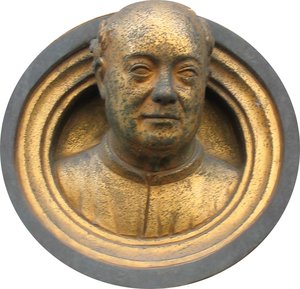
Лоренцо Джиберті
1378 - 1455 , Італія
Коротко про автора
- Artistic Movement Or Style: Ранній Ренесанс
- Artists Or Movements Influenced By This Artist:
- Донателло
- Мазаоло
- Artists Who Influenced This Artist:
- Геррадо Скарнаїна
- Бартоло ді Мікеле
- Date Of Birth: 1378
- Date Of Death: 1455
- Full Name: Lorenzo Ghiberti
- Nationality: Італійський
- Notable Artworks:
- Вхідні двері
- Райські ворота
- Святий Іоанн
- Place Of Birth: Флоренція, Італія