

 Переглянути в інтер'єрі
 Надіслати
 Поділитися
 Деталі
 Посібник

 Завантажити
 Схожі предмети колекціонування
 Рентгенівське дослідження
 Слайд-шоу
 Статистика переглядів
Ode to Kinshasa


 Читати далі
Мистецький твір, представлений на цій сторінці, захищений законом про авторське право, що унеможливлює легальне створення або продаж його ідентичної репродукції. Цей захист забезпечується відповідно до міжнародних угод, таких як Бернська конвенція та національним законодавством, зокрема положеннями, що викладені в Законодавство США про авторське право — Розділ 17. Всі права захищені. Будь-яке використання без дозволу заборонено.
Як шанобливу та законну альтернативу, ми пропонуємо унікальні картини ручної роботи, створені натхненням від оригіналу. Наші досвідчені професійні художники ретельно вивчають стиль, настрій та художню сутність оригіналу, щоб створити новий, неповторний твір, який викликає ті ж почуття, — залишаючись при цьому самобутнім творінням.
Цей метод повністю відповідає нормам авторського права, оскільки він не передбачає копіювання чи дублювання захищеного твору мистецтва. Натомість це творче переосмислення — створення нового малюнка під впливом оригіналу, який не є його точним відтворенням.
Олійная репродукція ручної роботи
Написана вручну олією на полотні у вашому розмірі та рамі, виготовлена на замовлення нашими художниками. ( Перейти до друку Перейти до цифрових зображень)




P118B ₴10

P118H ₴10

P118W ₴10

P438Z ₴10

P508JH ₴12

P508YH ₴12

P805H ₴10

P805Z ₴10

P919BZ ₴10

P919G ₴10

P919XJ ₴10

P959ZH ₴10

P968JZ ₴12

W106C ₴8

W218G ₴10

W218JH ₴8

W218Y ₴10

W307PJ ₴10

W316G ₴10

W316PJ ₴8

W316Y ₴10

W398PJ ₴8

W4111J ₴10

W500HY ₴15

W500JH ₴15

W692G ₴12

W849H ₴8

W940BG ₴15

W953PJ ₴8




Обирайте з наших стандартних розмірів, що відповідають оригінальним пропорціям твору мистецтва.

Введіть необхідну ширину та висоту, щоб картина підійшла до вашої рами або стіни. Оскільки це ручний розпис, для розміру іншої форми художник може написати трохи більше навколо картини або трохи обрізати її — вибір за вами. Перед початком роботи ми надішлемо вам цифровий макет для затвердження. Зображення, показане на цій сторінці, не є реальним результатом — лише макет відображає майбутній вигляд.
Після оформлення замовлення команда OriginalUniqueArt.com зв'яжеться з клієнтом електронною поштою для отримання інструкцій та надасть попередній макет
Доставка по всьому світу () за 3–4 тижні замість стандартних 5 тижнів. (24 Жовтень). Без жодних компромісів у якості.

Безкоштовна експрес-доставка по всьому світу

Високоякісне лляне полотно

Повне страхове покриття доставки

Гарантія повернення митних зборів

Гарантія точного відтворення кольорів

Політика повернення протягом 100 днів (лише у разі виявлення дефектів)

Гарантія повернення 100% коштів

Знижка на оптові замовлення
 Скляний варіант доступний лише для розмірів до 110 см

Ode to Kinshasa
Техніка репродукції
Розмір репродукції
-


Загальна вартість
₴ 13463
Ode to Kinshasa: A Celebration of African Heritage Through Cubist Vision
Lois Mailou Jones’s *Ode to Kinshasa* isn't merely a painting; it’s a testament to resilience, cultural pride, and the transformative power of artistic exploration. Completed in 1972, shortly after Jones embarked on her groundbreaking research trip to Africa—specifically Zaire (now Democratic Republic of Congo)—the artwork embodies the spirit of liberation that characterized the nation's newfound independence from Belgian colonial rule. This pivotal moment profoundly influenced Jones’s creative process, prompting her to synthesize European artistic traditions with vibrant African imagery and symbolism.- Subject Matter: The centerpiece of *Ode to Kinshasa* is a stylized depiction of an African warrior—a figure steeped in tradition and imbued with palpable energy—charging toward the viewer’s gaze. This dynamic posture immediately establishes a connection between the artwork's subject and its audience, inviting contemplation on themes of courage, determination, and confrontation.
- Style & Technique: Jones skillfully employs cubism, a revolutionary artistic movement pioneered by Pablo Picasso and Georges Braque in the early 20th century. Cubist principles—fragmentation, multiple perspectives, and geometric abstraction—are expertly applied to render the warrior’s form and surroundings. The artist utilizes a collage technique incorporating Japanese paper and gold foil, adding textural richness and visual complexity to the composition.
African Influences: Echoes of Tradition
Jones's artistic journey began with her fascination for African masks—a motif that would recur throughout her oeuvre. Her meticulous observation of mask designs during her research expedition in Zaire served as a catalyst for incorporating geometric patterns and stylized representations into *Ode to Kinshasa*. The diamond shape, prominent within the painting’s background, directly references traditional Kuba cloth weaving techniques prevalent in central Africa—a symbol of wealth, prestige, and artistic craftsmanship. Similarly, the triangular form echoes architectural elements found across the continent.
Symbolism Beyond Representation
Beyond its literal depiction of a warrior, *Ode to Kinshasa* operates on multiple symbolic levels. The single eye positioned at the center of the composition represents vigilance and awareness—a deliberate nod to Jones’s lifelong engagement with the African mask tradition. This visual element underscores the importance of observation and contemplation as pathways to understanding cultural heritage. Furthermore, the bold use of color—particularly vibrant oranges and yellows—evokes associations with warmth, vitality, and optimism—reflecting the hopeful spirit of Zaire's independence.
Emotional Resonance: A Portrait of Liberation
*Ode to Kinshasa* transcends mere visual representation; it communicates a profound emotional resonance. The painting’s energetic dynamism captures the fervor of liberation—the palpable excitement surrounding Zaire’s emergence from colonial subjugation. Jones's masterful technique conveys not only the physical form of the warrior but also his inner resolve and unwavering determination to confront adversity. Ultimately, *Ode to Kinshasa* stands as a powerful reminder that art can serve as a conduit for cultural pride and an affirmation of humanity’s capacity for courage and resilience.
Запитання та відповіді
Для чого рекомендується використовувати репродукцію «Ode to Kinshasa»?
Репродукція твору «Ode to Kinshasa» Лois Mailou Jones рекомендована для Accent. Ця пропозиція ґрунтується на сюжеті, настрої та кольоровій гамі роботи.
Який це вид твору мистецтва: «Ode to Kinshasa» Лois Mailou Jones?
«Ode to Kinshasa» Лois Mailou Jones класифікується як WallArt. Ця категорія описує вид художнього твору, яким є оригінал.
Де я можу переглянути попередній перегляд "Ode to Kinshasa"?
Попередній перегляд «Ode to Kinshasa» Лois Mailou Jones доступний на сторінці Попередній перегляд твору.
Біографія митця
A Life Immersed in Color and Culture
Lois Mailou Jones, a name synonymous with groundbreaking artistry and unwavering dedication to African American representation, was born in Boston, Massachusetts, on November 3, 1905. From her earliest years, she was nurtured in an environment that valued creativity; her parents, Thomas Vreeland Jones, a lawyer, and Carolyn Adams Jones, a cosmetologist, encouraged her innate talent for drawing and painting, particularly with the fluid grace of watercolors. Summers spent on Martha's Vineyard proved formative, introducing young Lois to a constellation of influential figures – sculptor Meta Warrick Fuller, composer Harry T. Burleigh, and novelist Dorothy West – who would subtly shape her artistic sensibilities. This early exposure instilled in her not only an appreciation for art but also a sense of cultural pride and the importance of mentorship, values she would carry throughout her life. Her formal education began at the High School of Practical Arts in Boston (1919-1923), followed by night classes at the Boston Museum of Fine Arts, secured through a hard-earned scholarship. A pivotal apprenticeship with costume designer Grace Ripley further broadened her artistic horizons, sparking an early fascination with African masks and their potential for symbolic expression. Even as a teenager, Jones demonstrated remarkable ambition, holding her first solo exhibition on Martha’s Vineyard at the age of seventeen. She continued to hone her skills at the School of the Museum of Fine Arts in Boston (1923-1927), consistently winning the Susan Minot Lane Scholarship, and supplemented her studies with courses at the Boston Normal Art School, culminating in a graduate degree in design from the Design Art School of Boston in 1928.From Textile Design to Artistic Independence
Jones’s initial professional path led her into the world of textile design, working for both F. A. Foster Company in Boston and Schumacher Company in New York City. However, a transformative summer at Harvard University in 1928 ignited a deeper desire – to fully dedicate herself to painting. This decision coincided with the burgeoning Harlem Renaissance, an intellectual and artistic movement that profoundly impacted her work. The influence of artist Aaron Douglas became particularly significant; his stylized depictions of African American life and incorporation of African motifs resonated deeply with Jones’s own emerging aesthetic vision. Her seminal work, The Ascent of Ethiopia, stands as a testament to this period, reflecting both Douglas's stylistic influence and her growing commitment to celebrating African heritage. She bravely confronted societal prejudices that attempted to limit opportunities for Black artists during her time, demonstrating resilience and determination. Her marriage to Haitian graphic designer Louis Vergniaud Pierre-Noël in 1953 further enriched her artistic vocabulary, introducing the bold patterns and luminous hues characteristic of Haitian art into her compositions. From 1928 she joined the faculty of Howard University in Washington, D.C., under the guidance of James Vernon Herring, where she would remain as Professor of Design and Watercolor Painting until her retirement in 1977. At Howard, Jones fostered a vibrant artistic community, nurturing young talent and advocating for inclusivity within the art world. Her unwavering belief in the transformative power of art fueled her dedication to educating future generations.A Pioneer’s Artistic Style
Jones's artistic style evolved over time, reflecting her extensive travels and encounters with diverse cultures. Initially influenced by Impressionism, she gradually incorporated Cubist elements and abstraction into her paintings, creating compositions that were both visually striking and emotionally resonant. Her palette was characterized by vibrant colors—particularly reds, yellows, and blues—which she skillfully blended to convey mood and atmosphere. She frequently employed bold patterns and textures, drawing inspiration from African textiles and Haitian art. Recurring motifs included stylized figures of Black women, symbolizing strength, resilience, and dignity. These images were often rendered in a luminous style that captured the essence of movement and vitality. Her meticulous attention to detail—particularly in capturing the nuances of light and shadow—demonstrated her mastery of technique.Major Achievements and Recognition
Lois Mailou Jones achieved considerable acclaim throughout her career as an artist and educator. She was awarded numerous grants and fellowships, enabling her to pursue her artistic research and expand her creative horizons. Her paintings were exhibited in prestigious museums across the United States and internationally, cementing her place among the most important figures of American art history. Notably, she received the MacArthur Fellowship in 1978, recognizing her contributions to visual arts and her unwavering commitment to fostering creativity within underserved communities. Her work continues to inspire artists and scholars alike, serving as a powerful reminder of the importance of artistic expression and cultural heritage.Legacy and Enduring Influence
Lois Mailou Jones’s legacy extends far beyond her individual artworks. She championed the cause of Black artists and educators, advocating for greater access to resources and opportunities within the art world. Her unwavering belief in the transformative power of art—and her dedication to nurturing young talent—left an indelible mark on Howard University and countless aspiring artists. Her paintings remain a testament to her artistic vision and her profound understanding of human experience. She bravely challenged societal prejudices that attempted to limit opportunities for Black artists during her time, demonstrating resilience and determination. Lois Mailou Jones passed away in Washington, D.C., on June 9, 1998, leaving behind a rich artistic legacy that continues to inspire and challenge audiences today. Her paintings are not merely representations of the world; they are vibrant celebrations of life, culture, and the enduring power of the human spirit.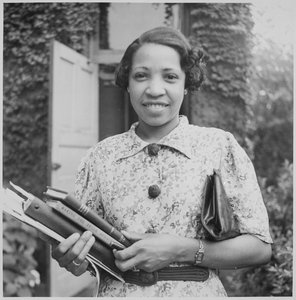
Лois Mailou Jones
1905 - 1998 , США
Довідкова інформація
- Artistic Movement Or Style: Імпресіонізм; Харемський ренесанс
- Artists Or Movements Influenced By This Artist: ['Аарон Доглас']
- Artists Who Influenced This Artist:
- Декан художніх наук
- Мета Варрік Фуллер
- Date Of Birth: 3 листопада 1905 р.
- Date Of Death: 9 червня 1998 р.
- Full Name: Lois Mailou Jones
- Nationality: Американка
- Notable Artworks:
- Молода француженка
- Фетиші
- Ініціація, Ліберія
- Підйом Ефіопії
- Place Of Birth: Бостон, США
Схожі статті

Deconstructing Reality: Cubism's Evolution, Impact & Enduring Legacy
Explore the revolutionary world of Cubism with expert insights from OriginalUniqueArt. Discover Picasso & Braque's groundbreaking techniques, its philosophical roots, and lasting impact on modern art. Expert appraisal & custom reproductions available.

Jean Dominique Antony Metzinger: Pioneering Cubism & the Evolution of Abstract Form
Explore the life & work of Jean Metzinger, a pivotal Cubist painter and theorist. Discover his innovations in proto-Cubism, 'Du Cubisme,' and Crystal Cubism – a journey through modern art's evolution.
Deconstructing Reality: Cubism's Revolutionary Impact on 20th-Century Art
Explore the revolutionary world of Cubism with OriginalUniqueArt. Discover Picasso & Braque's groundbreaking techniques, its philosophical roots, and lasting impact on modern art. Expert insights for collectors.

Cubism Unveiled: How Picasso and Braque Redefined Reality Through Geometric Abstraction
Explore the revolutionary world of Cubism. Discover how masters Pablo Picasso and Georges Braque dismantled reality through geometric abstraction to redefine modern art history.

Cubism Unveiled: How Picasso and Braque Redefined Modern Art through Geometric Revolution
Explore the revolutionary world of Cubism. Discover how Pablo Picasso and Georges Braque dismantled perspective to redefine modern art through geometric innovation and analytical mastery. An essential guide for art students, collectors, and history enthusiasts.