
 Переглянути в інтер'єрі
 Надіслати
 Поділитися
 Деталі

 Завантажити
 Схожі експонати
 Рентгенівське дослідження
 Слайд-шоу
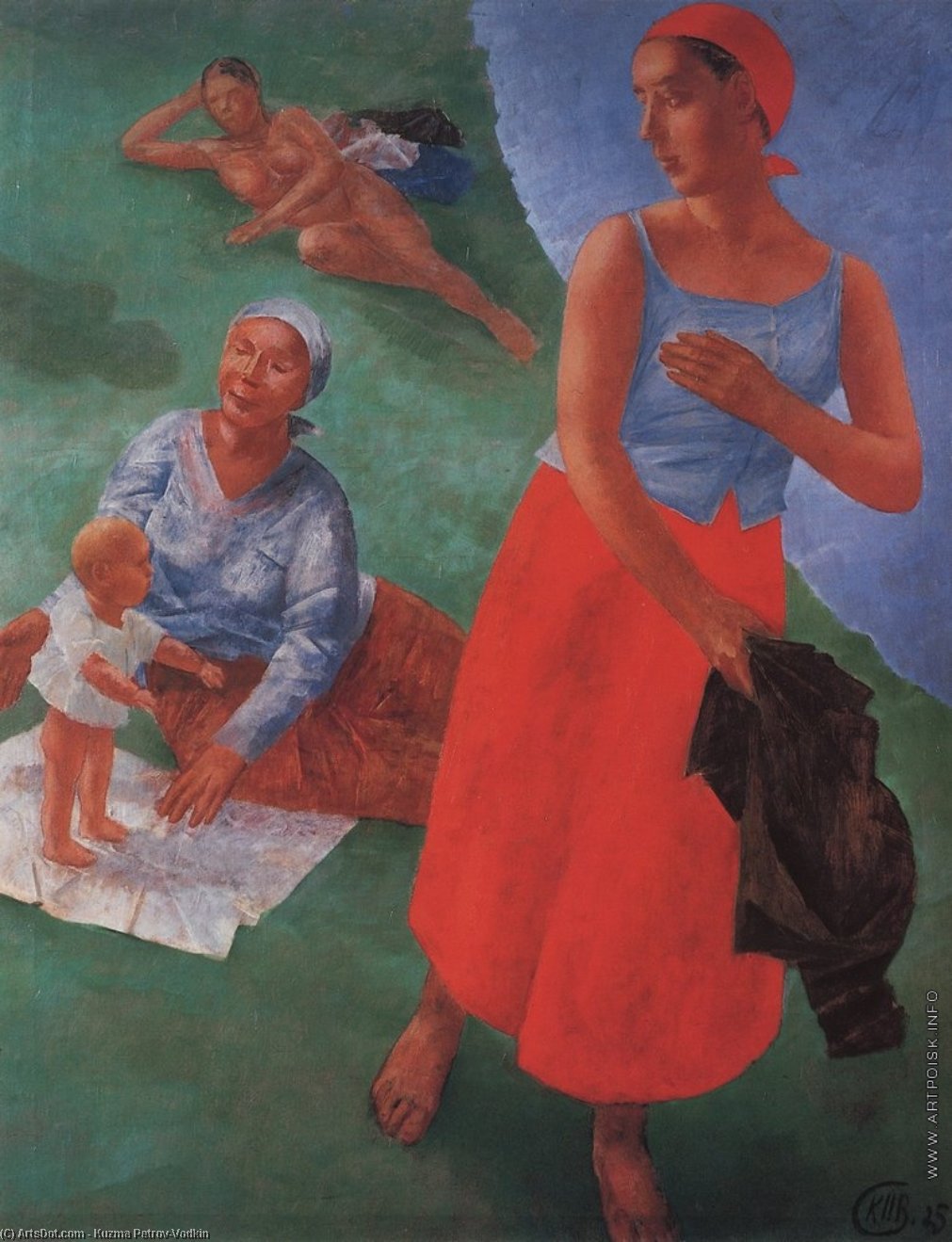
First Steps


 Читати далі
Олійная репродукція ручної роботи
Написана вручну олією на полотні у вашому розмірі та рамі, виготовлена на замовлення нашими художниками. ( Купити принт Купити зображення)




































Обирайте з наших стандартних розмірів, що відповідають оригінальним пропорціям твору мистецтва.

Ви можете вказати власні розміри, щоб репродукція ідеально підійшла до конкретної рами або інтер'єру. Якщо вибраний вами розмір не відповідає пропорціям оригіналу, ми або обріжемо полотно, або доповнимо картину додатковими елементами, промальованими вручну. Цифровий макет буде надіслано вам на затвердження перед початком виробництва.
Зверніть увагу, що попередній перегляд на екрані не відображає фактичне обрізання або розширення зображення. Тільки макет точно покаже остаточну композицію.
Хоча ми можемо виготовити виріб у нестандартному розмірі, для збереження оригінальних пропорцій рекомендуємо обирати варіанти зі встановленого списку.
Після оформлення замовлення команда OriginalUniqueArt.com зв'яжеться з клієнтом електронною поштою для отримання інструкцій та надасть попередній макет
Доставка по всьому світу () за 3–4 тижні замість стандартних 5 тижнів. (13 Серпень). Без жодних компромісів у якості.

Безкоштовна експрес-доставка по всьому світу

Високоякісне лляне полотно

Повне страхове покриття доставки

Гарантія відшкодування митних зборів

Гарантія точного відтворення кольорів

Політика повернення протягом 60 днів (лише у разі виявлення дефектів)

Гарантія повернення 100% коштів

Знижка на оптові замовлення
 Скляний варіант доступний лише для розмірів до 110 см

First Steps
Техніка репродукції
Розмір репродукції
-


Загальна вартість
$ 300
Біографія митця
A Visionary of Spherical Space: The Life and Art of Kuzma Petrov-Vodkin
Kuzma Sergeevich Petrov-Vodkin, a name that resonates deeply within the heart of Russian art history, was far more than simply a painter; he was a philosophical explorer of form, a master weaver of symbolism, and a poignant chronicler of his nation’s tumultuous soul. Born in 1878 in Khvalynsk, a small, unassuming provincial town nestled along the banks of the mighty Volga River, Petrov-Vodkin's artistic journey began not within the imposing walls of prestigious academies but amidst the vibrant, profoundly spiritual world inherited from Russian icon painting traditions and the skilled hands of local signmakers. These formative influences instilled in him an unwavering reverence for line, color, and narrative—qualities that would become inextricably linked to his unique aesthetic vision throughout his entire career. His formal artistic training commenced at the Baron Stieglitz School in Saint Petersburg between 1895 and 1897, providing a crucial foundation upon which he would subsequently build a style that boldly diverged from prevailing artistic currents of the time. It wasn’t merely an absorption of techniques; it was a deliberate synthesis—a careful blending of tradition with the burgeoning spirit of modernism, forging a distinctive path unlike any other.The Birth of a Unique Style: Spherical Perspective and Symbolic Resonance
Petrov-Vodkin's most enduring legacy rests upon his groundbreaking development of “spherical perspective.” Rejecting the rigid, linear perspective championed by Renaissance masters—a system that dictated how space was represented on a flat surface—he embraced a radically different approach. He sought to capture not just what the eye *saw*, but rather how space *felt* – an attempt to translate the subjective experience of depth and volume into his paintings. This wasn’t simply an aesthetic choice; it was deeply rooted in his philosophical convictions and spiritual inclinations, reflecting a belief that art should transcend mere representation and tap into something far more profound. The result was a technique characterized by swirling compositions, flattened planes, and a sense of boundless space—a visual embodiment of the artist's desire to capture the essence of reality beyond its superficial appearance. His seminal work, *The Dream* (1910), became an immediate focal point for debate within Russian artistic circles. Alexandre Benois, a prominent figure in the Society for Protestant Art, championed Petrov-Vodkin’s innovative approach, while Ilya Repin, a celebrated realist painter, voiced critical reservations. Despite the controversy, *The Dream* undeniably sparked a vital conversation about the possibilities of modern painting and its potential to move beyond traditional constraints. The work's dreamlike quality—achieved through carefully orchestrated color palettes, ambiguous figures, and a deliberate blurring of spatial boundaries—perfectly encapsulates Petrov-Vodkin’s ability to evoke profound psychological states and invite viewers into a realm of emotional resonance. *Bathing of a Red Horse*, completed in 1912, solidified his reputation as a visionary artist. This iconic image – depicting a group of peasant youths bathing a crimson horse against the backdrop of rolling hills—is often interpreted as a potent symbol of impending social upheaval and renewal within Russia. The vibrant color palette, combined with an unconventional composition, signaled a decisive departure from traditional realism towards a more symbolic and emotionally charged form of artistic expression.Beyond Painting: Literary Pursuits and Reflections on Life
Petrov-Vodkin’s creative spirit extended far beyond the confines of the canvas. Following a debilitating bout of pulmonary tuberculosis in 1927, he turned his considerable intellect to literature, embarking on a remarkable writing career that mirrored the explorations found within his visual art. He produced three deeply personal and introspective volumes—*Khvalynsk*, *Euclid’s Space*, and *Samarkandia*—which offered intimate glimpses into his childhood memories, philosophical musings, and artistic process. These literary works weren't merely autobiographical accounts; they were profound meditations on memory, perception, and the enduring human quest for meaning in a world undergoing rapid transformation. They provided invaluable insight into the intellectual and spiritual foundations that underpinned his artistic vision, revealing a complex and deeply thoughtful individual. His later paintings—such as *Death of a Commissar* and *In the Line of Fire*—reflect a shift towards darker tones and more detailed compositions, perhaps mirroring the increasingly tense political climate of the era.Influences and Artistic Development
Petrov-Vodkin’s artistic development was shaped by a confluence of influences. His early exposure to Russian icon painting instilled in him a deep appreciation for line, color, and narrative—qualities that would remain central to his style throughout his career. The teachings at the Moscow School of Painting, Sculpture, and Architecture exposed him to the works of prominent artists such as Valentin Serov, Isaak Levitan, and Konstantin Korovin, broadening his artistic horizons. His travels through Europe – particularly France, Italy, Greece, and North Africa – provided him with a wealth of visual inspiration and exposure to diverse cultural traditions. He was deeply influenced by Symbolism, a late 19th-century art movement that sought to express abstract ideas and emotions through symbolic imagery. However, Petrov-Vodkin ultimately developed his own distinctive style—a unique synthesis of tradition and innovation that defied easy categorization. His work can be seen as bridging the gap between Russian icon painting and modern European movements such as Cubism and Surrealism.Legacy and Historical Significance
Kuzma Petrov-Vodkin’s impact on Russian art is undeniable, extending far beyond his own prolific output. He left an indelible mark on subsequent generations of artists, inspiring them to explore new avenues of symbolism, perspective, and emotional expression. His innovative use of spherical perspective continues to fascinate art historians and practitioners alike, demonstrating the enduring power of artistic experimentation. Petrov-Vodkin’s paintings are now held in prestigious collections across Russia, including the Kramskoy Museum of Fine Arts in Voronezh and the Krasnoyarsk Art Museum, ensuring that his legacy remains accessible for future generations to appreciate and study. He died in Leningrad in 1939, but his artistic spirit—his unwavering commitment to beauty, symbolism, and the exploration of the human condition—continues to resonate powerfully today. His work serves as a poignant reminder of the transformative power of art and its ability to capture the essence of both individual experience and collective history.Museums Featuring Petrov-Vodkin’s Work
- Kramskoy Museum of Fine Arts (Voronezh, Russia)
- Krasnoyarsk Art Museum (Krasnoyarsk, Russia)

Кузьма Петров-Водкін
1878 - 1939 , Росія
Досьє митця
- Artistic Movement Or Style: Пост-імпресіонізм
- Artists Or Movements Influenced By This Artist: ['Російські іконописці']
- Date Of Birth: 5 листопада 1878
- Date Of Death: 15 лютого 1939
- Full Name: Кузьма Сергеевич Петров-Водкин
- Nationality: Російський
- Notable Artworks:
- Мрія
- Ванна для червоного коня
- Place Of Birth: Хвалынськ, Росія

