

 Переглянути в інтер'єрі
 Надіслати
 Поділитися
 Деталі
 Посібник

 Завантажити
 Схожі предмети колекціонування
 Рентгенівське дослідження
 Слайд-шоу
 Статистика переглядів
People
 Oil On Canvas
- WallArt
- Impressionism
 1923
1923- Modern
 91.0 x 121.0 cm
 Читати далі
Мистецький твір, представлений на цій сторінці, захищений законом про авторське право, що унеможливлює легальне створення або продаж його ідентичної репродукції. Цей захист забезпечується відповідно до міжнародних угод, таких як Бернська конвенція та національним законодавством, зокрема положеннями, що викладені в Законодавство США про авторське право — Розділ 17. Всі права захищені. Будь-яке використання без дозволу заборонено.
Цей метод повністю відповідає нормам авторського права, оскільки він не передбачає копіювання чи дублювання захищеного твору мистецтва. Натомість це творче переосмислення — створення нового малюнка під впливом оригіналу, який не є його точним відтворенням.
Гікле / Художній принт
Музейна якість друку جيкле або на полотні з оперативним виготовленням та різноманітними варіантами фінішної обробки. ( Купити картину ручної роботи Перейти до цифрових зображень)




P118B ₴10

P118H ₴10

P118W ₴10

P438Z ₴10

P508JH ₴12

P508YH ₴12

P805H ₴10

P805Z ₴10

P919BZ ₴10

P919G ₴10

P919XJ ₴10

P959ZH ₴10

P968JZ ₴12

W106C ₴8

W218G ₴10

W218JH ₴8

W218Y ₴10

W307PJ ₴10

W316G ₴10

W316PJ ₴8

W316Y ₴10

W398PJ ₴8

W4111J ₴10

W500HY ₴15

W500JH ₴15

W692G ₴12

W849H ₴8

W940BG ₴15

W953PJ ₴8




Обирайте з наших стандартних розмірів, що відповідають оригінальним пропорціям твору мистецтва.

Ви можете вказати власні розміри, щоб репродукція ідеально підійшла до конкретної рами або інтер'єру. Якщо обраний вами розмір не відповідає пропорціям оригіналу, ми або обріжемо полотно, або розширимо зображення за допомогою дзеркального відображення чи суцільної заливки країв. Перед початком виробництва вам буде надіслано цифровий макет для затвердження.
Будь ласка, зверніть увагу, що попередній перегляд на екрані не відображає фактичне обрізання або розширення. Тільки макет точно покаже фінальну композицію.
Хоча можливість замовлення індивідуальних розмірів доступна, ми рекомендуємо обирати формат із попередньо визначеного списку, щоб зберегти оригінальні пропорції.
Доставка по всьому світу () за 2 тижні замість стандартних 4/5 тижнів. (13 Жовтень)

Безкоштовна експрес-доставка по всьому світу

Високоякісне лляне полотно

Повне страхове покриття доставки

Гарантія повернення митних зборів

Гарантія точного відтворення кольорів

Політика повернення протягом 100 днів (лише у разі виявлення дефектів)

Гарантія повернення 100% коштів

Знижка на оптові замовлення
 Скляний варіант доступний лише для розмірів до 110 см

People
Гікле / Художній принт
Розмір репродукції
-


Загальна вартість
₴ 3569
A Midnight Encounter with the Extraordinary
In the quiet, shadowed hours of 1923, Konstantin Yuon captured a moment that defies the boundaries of traditional realism, inviting us into a world where the terrestrial and the celestial collide. His painting, People, presents a hauntingly beautiful nocturnal scene that begins with a group of figures gathered before a simple fence, yet quickly transcends the mundane. As the eye wanders through the composition, it discovers an unexpected narrative: an airplane cutting through the dark sky and, most strikingly, a massive spaceship looming above the horizon. This juxtaposition of human presence with advanced, otherworldly technology creates a profound sense of mystery, pulling the viewer into a dreamscape where the limits of science fiction and reality are indistively blurred.
The atmosphere of the piece is thick with intrigue, making it an ideal centerpiece for those looking to add a layer of intellectual depth and conversation to a sophisticated interior. The artist masterfully utilizes the darkness of the night to frame the subjects, using light not just to illuminate faces, but to evoke a sense of wonder. For collectors and designers, this work offers more than mere decoration; it provides a window into a moment of cosmic curiosity, where the stillness of a group of onlookers meets the silent, majestic movement of something far beyond our world.
The Mastery of Konstantin Yuon
To understand the technical brilliance behind People, one must look to the rich artistic lineage of Konstantin Yuon. Trained at the prestigious Moscow School of Painting, Sculpture and Architecture under masters like Konstantin Korovin, Yuon possessed a profound command over light and texture. His journey from the delicate nuances of Impressionism to the structured narratives of Soviet Realism allowed him to manipulate oil on canvas with exceptional fluidity. In this particular work, his technique serves the theme of mystery; the brushwork is deliberate yet atmospheric, allowing the edges of the figures to blend softly into the nocturnal landscape, much like a memory fading into the night.
The emotional impact of the painting lies in its ability to evoke both solitude and collective awe. There is a palpable tension between the grounded, earthly presence of the people and the soaring, technological marvels above them. This duality makes the artwork particularly compelling for modern spaces, where it can serve as a focal point that stimulates the imagination. Whether placed in a contemporary gallery setting or a classic study, Yuon’s ability to weave symbolism—the airplane representing human progress and the spaceship representing the infinite unknown—ensures that the painting remains a timeless exploration of the human condition in an ever-expanding universe.
Запитання та відповіді
З яким почуттям асоціюється "People"?
«People» асоціюється з Mysterious відчуттям. Емоційний тон описує враження, яке справляє твір.
Якому художнику приписують роботу "People"?
«People» було створено Констянтин Юон. Інформація на цій сторінці описує оригінальний твір Констянтин Юон.
Хто є автором та який рік створення твору "People"?
«People» було створено Констянтин Юон у 1923 році.
Який емоційний тон супроводжує стиль Impressionism у творі "People"?
«People» передає Mysterious емоційний тон у межах стилю Impressionism.
Де я можу купити написану вручну репродукцію твору «People» Констянтин Юон?
«People» доступна як репродукція олією ручного розпису на лляному полотні. Замовлення можна оформити на ця сторінка, вибравши відповідний розмір.
Чи є слайд-шоу для «People» Констянтин Юон?
Доступна слайд-шоу: сторінка Слайд-шоу твору «People» Констянтин Юон.
До якого періоду творчості Констянтин Юон належить твір "People"?
«People» представляє Mature Period Констянтин Юон.
Яке місце в історії мистецтва посідає «People» Констянтин Юон?
«People» Констянтин Юон належить до течії Impressionism, що охоплює період Modern. Разом вони визначають місце цього твору в історії мистецтва.
Біографія митця
Early Life and Artistic Foundations
Konstantin Fyodorovich Yuon, born October 24, 1875 in Moscow, emerged from a family steeped in both Swiss-Russian heritage and artistic inclination. His brother, Paul Juon, would achieve renown as a composer, hinting at the creative currents flowing through their upbringing. From a young age, Konstantin demonstrated an affinity for visual expression, nurtured by a mother who fostered artistic pursuits within the home. This early exposure laid the groundwork for his formal education at the Moscow School of Painting, Sculpture and Architecture from 1892 to 1898. There, he came under the tutelage of distinguished masters like Konstantin Savitsky and Konstantin Korovin, absorbing their techniques and philosophies that would shape his initial artistic trajectory. These formative years weren’t confined to Russia; Yuon embarked on journeys to Western Europe, particularly Paris, where he encountered the burgeoning Impressionist movement. While captivated by artists such as Camille Pissarro, he didn't simply imitate—he synthesized these influences with a uniquely Russian sensibility, forging his own distinct style.- Family Background: Yuon’s father was an employee of the insurance company, of Swiss-Russian origin (the surname *Juon* being of Walser origin), and his mother – of German family. This intertwined heritage instilled in him a profound appreciation for diverse artistic traditions.
- Education: He attended the Moscow School of Painting, Sculpture and Architecture from 1892 to 1898 where Konstantin Savitsky and Konstantin Korovin imparted invaluable knowledge and fostered his artistic development.
- Early Influences: The teachings of Savitsky and Korovin profoundly impacted Yuon’s stylistic choices, grounding him in the traditions of Russian academic painting.
From Symbolism to Soviet Realism
Yuon’s early work is characterized by an evocative blend of Impressionistic landscapes infused with subtle Symbolist undertones. Paintings like To the Trinity (1903) and Tverskoy Boulevard (1909) exemplify this period, capturing fleeting moments of light and atmosphere while hinting at deeper emotional resonances. He wasn’t content to remain solely within the realm of Impressionism; Yuon began experimenting with lyrical landscapes that incorporated elements drawn from traditional Russian art forms—the delicate precision of Palekh miniature painting and the spiritual depth of icon artistry. This fusion created a visual language uniquely his own, steeped in national identity yet open to innovation.- Symbolist Tendencies: Yuon’s landscapes often conveyed profound emotional states through carefully considered color palettes and compositional arrangements—a hallmark of Symbolism's expressive aims.
- Fusion with Tradition: He skillfully blended Impressionistic techniques with stylistic elements reminiscent of Palekh miniature painting and icon artistry, reflecting Russia’s rich artistic heritage.
A Multifaceted Career and Institutional Leadership
Yuon’s artistic pursuits extended beyond the easel; he established a prestigious art school in Moscow, nurturing young talent and fostering the dissemination of artistic knowledge. He served as director of the Research Institute of the Academy of Arts (1948–1950), shaping the intellectual landscape of Soviet culture. Furthermore, Yuon held positions of considerable influence within the Union of Russian Artists (1956–1958) and the Association of Artists of Revolutionary Russia, actively guiding artistic policy during a pivotal moment in Soviet history.- Art Education: He founded Moscow’s “Classes Drawing and Painting” school, attracting gifted students who would become prominent figures in Russian art.
- Academic Roles: Yuon served as director of the Research Institute of the Academy of Arts, contributing to scholarly research and artistic discourse.
- Organizational Leadership: He spearheaded the Union of Russian Artists and the Association of Artists of Revolutionary Russia, shaping the direction of Soviet art during the Cold War era.
Legacy and Enduring Influence
Konstantin Yuon’s artistic legacy remains vibrant—a testament to an artist who seamlessly blended Impressionistic aesthetics with Symbolist spirituality and ultimately embraced Socialist Realism's commitment to social purpose. His paintings continue to inspire admiration for their technical brilliance and emotional resonance, securing his place as one of Russia’s most celebrated visual artists. He stands as a pivotal figure in Russian art history, bridging the gap between artistic traditions and ideological imperatives—a lasting tribute to Yuon’s remarkable creative journey.
Констянтин Юон
1875 - 1958 , Росія
Довідкова інформація
- Artistic Movement Or Style: Імпресіонізм, Символізм, Соціалістичний реалізм
- Artists Or Movements Influenced By This Artist:
- Символізм
- Соціалістичний реалізм
- Artists Who Influenced This Artist:
- Констянтин Коровін
- Валентин Серьов
- Каміль Піссарро
- Date Of Birth: 24 жовтня 1875
- Date Of Death: 11 квітня 1958
- Full Name: Констянтин Федорович Юон
- Nationality: Російський
- Notable Artworks:
- Нова планета
- Гірчична лоза
- Парад на Червоній площі 7 листопада 1941
- Place Of Birth: Москва, Росія
Схожі статті

Топ-10 шедеврів постімпресіонізму: мистецтво, яке змінила епоху | OriginalUniqueArt.com
Відкрийте для себе 10 шедеврів постімпресіонізму від Ван Гога, Сезанна та інших геніїв! Історія мистецтва, унікальні техніки та емоційний вплив картин. Купуйте репродукції високої якості на OriginalUniqueArt.com та створіть свій неповторний інтер'єр.

Konstantin Korovin: A Master of Russian Impressionism & Evocative Light
Explore the captivating world of Konstantin Korovin, a leading Russian Impressionist painter renowned for his vibrant landscapes & innovative theater designs. Discover his life, legacy, and enduring artistic impact.

Konstantin Somov: A Master of Russian Aestheticism & Symbolist Elegance
Explore the captivating world of Konstantin Somov, a leading figure of Russian Symbolism & Aestheticism. Discover his exquisite portraits, ballet scenes, and Rococo-inspired masterpieces. Learn about his life, influences, and enduring legacy.
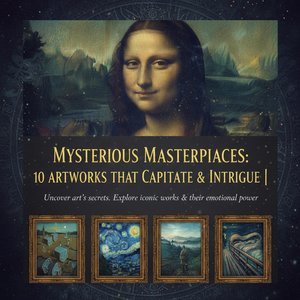
Топ-10 творів мистецтва, що пробуджують глибокі таємниці: картини для вашого інтер'єру
Відкрийте 10 шедеврів мистецтва, що пробуджують глибокі таємниці! Ван Гог, Мунк, Далі… Дізнайтесь історії художників, техніки та емоції в кожній картині. Репродукції картин преміум-якості для вашого інтер'єру на OriginalUniqueArt.com

Konstantin Bogaevsky: A Legacy of Russian Symbolism & the Poetics of Nostalgia
Explore the captivating world of Konstantin Bogaevsky (1872-1943), a leading figure in Russian Symbolism. Discover his dreamlike Crimean landscapes, influences & lasting legacy with OriginalUniqueArt.