
 Надіслати як листівку
 Поділитися
 Детальніше

 Завантажити
 Схожі експонати
 Слайд-шоу
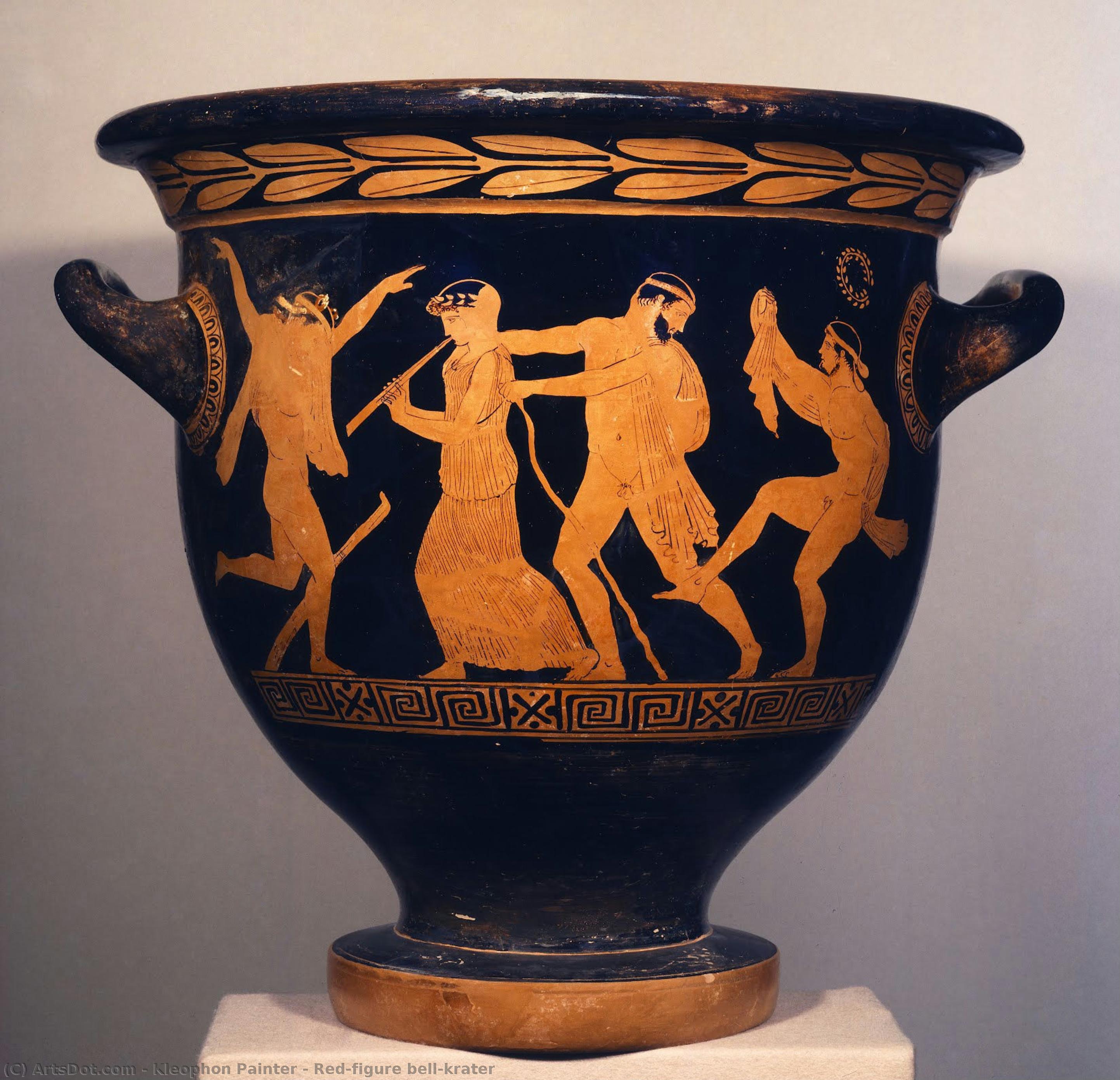
Red-figure bell-krater


 Читати далі
Гікле / Художній принт
Музейна якість друку جيкле або на полотні з оперативним виготовленням та різноманітними варіантами фінішної обробки. ( Замовити репродукцію ручної роботи Купити цифрове зображення)




































Обирайте з наших стандартних розмірів, що відповідають оригінальним пропорціям твору мистецтва.

Ви можете вказати власні розміри, щоб репродукція ідеально підійшла до конкретної рами або інтер'єру. Якщо обраний вами розмір не відповідає пропорціям оригіналу, ми або обріжемо полотно, або розширимо зображення за допомогою дзеркального відображення чи суцільної заливки країв. Перед початком виробництва вам буде надіслано цифровий макет для затвердження.
Будь ласка, зверніть увагу, що попередній перегляд на екрані не відображає фактичне обрізання або розширення. Тільки макет точно покаже фінальну композицію.
Хоча можливість замовлення індивідуальних розмірів доступна, ми рекомендуємо обирати формат із попередньо визначеного списку, щоб зберегти оригінальні пропорції.
Доставка по всьому світу () за 2 тижні замість стандартних 4/5 тижнів. (14 Серпень)

Безкоштовна експрес-доставка по всьому світу

Високоякісне лляне полотно

Повне страхове покриття доставки

Гарантія відшкодування митних зборів

Гарантія точного відтворення кольорів

Політика повернення протягом 60 днів (лише у разі виявлення дефектів)

Гарантія повернення 100% коштів

Пропозиція на оптові замовлення
 Скляний варіант доступний лише для розмірів до 110 см

Red-figure bell-krater
Гікле / Художній принт
Розмір репродукції
-


Підсумкова вартість
$ 80
Опис експоната
Біографія митця
A Life Etched in Clay: The World of the Kleophon Painter
The fifth century BC in Athens was a crucible of artistic innovation, a period that birthed masterpieces in sculpture, architecture, and vase painting. Among the many talented hands shaping this golden age was that of the Kleophon Painter, an anonymous artist whose name—a testament to his skill rather than personal record—has resonated through millennia. Unlike celebrated sculptors with grand commissions or playwrights commanding public stages, the Kleophon Painter’s legacy is found in the fragments and surviving vessels that offer glimpses into Athenian life, mythology, and artistic sensibilities. He wasn't a solitary genius working in isolation; his career unfolded within a network of workshops and stylistic traditions, initially rooted in the influence of Polygnotos, a renowned painter of large-scale panels, before he established a distinctive voice of his own. The very fact that we know him by the inscription on one particular vase – praising a youth named Kleophon – speaks to the intimate connection between art, patronage, and daily life in ancient Greece.The Workshop and Early Influences
Our understanding of the Kleophon Painter’s development begins with acknowledging his origins within Polygnotos' workshop. While direct evidence is scarce, scholars believe he absorbed the principles of narrative clarity and dynamic composition that characterized Polygnotos’ work. This foundation manifested in a preference for red-figure technique—a method allowing for greater detail and expressive potential than its black-figure predecessor—and an inclination towards scenes populated with figures engaged in lively activities. He further honed his skills through collaboration, notably with the Achilles Painter, suggesting a shared aesthetic sensibility and exchange of ideas within the Athenian artistic community. This collaborative spirit wasn’t unusual; workshops often involved multiple hands, each contributing to the creation of a finished piece. The Kleophon Painter's early works demonstrate a careful study of anatomy and drapery, hallmarks of the Classical style that was reaching its zenith during his active period. He didn't simply replicate existing forms but began to infuse them with a personal touch—a subtle rounding of features, particularly in the eyes and chins of his figures, which would become a defining characteristic of his mature style.Themes and Techniques: A Window into Athenian Life
The Kleophon Painter’s oeuvre is remarkably diverse, encompassing scenes drawn from Greek mythology, domestic rituals, and depictions of warriors preparing for or engaged in combat. He wasn't focused on grand heroic narratives but rather on intimate moments—sacrifices performed by families, *komos* scenes depicting revelry after symposia (drinking parties), and the everyday lives of Athenian citizens. This focus provides invaluable insight into the social customs, religious beliefs, and aesthetic preferences of the time. His mastery of red-figure technique is evident in the delicate rendering of details—the folds of clothing, the expressions on faces, the intricate patterns adorning vessels. He favored larger vase forms, particularly kraters (mixing bowls), suggesting a clientele that valued impressive displays for communal gatherings. The rounded triangular eyes and bulbous chins mentioned by scholars aren’t merely stylistic quirks; they contribute to a sense of warmth and humanity in his figures, imbuing them with personality and emotional depth. He employed palmettes and tendrils as decorative elements, framing the narrative scenes and adding visual richness to his compositions.Style and Identification: The Challenges of Attribution
Identifying works definitively attributed to the Kleophon Painter presents a unique challenge. His style wasn’t radically distinct from that of his contemporaries, leading to ongoing scholarly debate regarding authorship. Vases are often classified as “in the manner of” or “compares to” Kleophon, highlighting the subtle nuances and overlaps in artistic practice during this period. However, certain characteristics consistently appear in works considered authentic: the aforementioned rounded eyes and chins, a preference for specific themes (domestic scenes and *komos* processions), and a careful attention to detail in rendering drapery and accessories. The provenance of vases—their archaeological context—also plays a crucial role. Many of his pieces were discovered in Italy and Spain, suggesting a thriving export market catering to Etruscan tastes. Twenty-two of his known works remain within the Agora Museum and National Archaeological Museum in Athens, providing invaluable resources for studying his evolution as an artist.Legacy and Historical Significance
The Kleophon Painter’s enduring legacy lies not in monumental sculptures or celebrated commissions but in the intimate narratives etched onto clay vessels. His work offers a rare glimpse into the daily lives of ancient Athenians—their rituals, beliefs, and aesthetic sensibilities. While his name remains largely unknown outside scholarly circles, his influence can be seen in the subsequent generations of vase painters who adopted his stylistic innovations and thematic preferences. He embodies the spirit of Athenian artistry—a commitment to technical skill, narrative clarity, and a profound understanding of human emotion. The survival of his vases across millennia serves as a powerful reminder of the enduring power of art to transcend time and connect us with the lives and experiences of those who came before.
kleophon painter
Greece
Короткі факти
- Artistic Movement Or Style: Red-figure vase painting
- Artists Or Movements Influenced By This Artist: ['Dinos Painter']
- Artists Who Influenced This Artist: ['Polygnotos']
- Full Name: Kleophon Painter
- Nationality: Athenian
- Place Of Birth: Athens, Greece
Пов'язані статті

Crimson Threads of Narrative: Exploring Symbolism & Representation in Artworks Featuring the Red Dress
Explore the rich symbolism of the red dress in art history! From ancient power displays to iconic portraits like Cézanne’s 'Madame Cezanne', discover the cultural and artistic significance behind this captivating color. Expert analysis & insights.
Echoes of Olympus: Mythological Narratives in Western Art Through the Ages
Explore the captivating history of mythological narratives in Western art! From ancient Greece to modern masterpieces, discover iconic artworks & symbolism. Expert analysis and high-quality reproductions at OriginalUniqueArt.
Timeless Legends: A Curated Guide to the Eternal Allure of Mythological Masterpieces
Embark on a sophisticated journey through the eternal allure of mythological art. Discover how master painters breathe life into ancient legends, from Greek deities to Baroque masterpieces, and learn to curate these timeless narratives within your own exquisite art collection.

25 шедеврів Марка Ротко: глибокі емоції та колірні симфонії для вашого дому | OriginalUniqueArt
Відкрийте 25 найвідоміших шедеврів Марка Ротко! Пориньте у світ емоційного абстрактного експресіонізму, колірних симфоній та глибокого психологічного живопису. Купуйте репродукції картин Ротко преміум-якості для вашого дому на OriginalUniqueArt.com.

Timeless Legends: The Eternal Allure of Mythological Figures in Masterpiece Art
Explore the profound beauty of mythological figures through the lens of art history. From Renaissance masterpieces to custom oil reproductions, discover how legendary tales of heroism and divinity are immortalized in fine art for discerning collectors.

