() ·

Картина, створена вручну спеціально для вас

Totsuka

Олійная репродукція ручної роботи

Написана вручну олією на полотні у вашому розмірі та рамі, виготовлена на замовлення нашими художниками. ( Перейти до друку Перейти до цифрових зображень)

Опис експоната

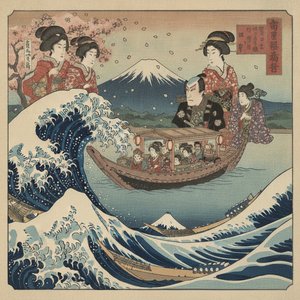
Witness Hokusai's 'Totsuka,' a captivating woodblock print depicting a woman beckoning travelers. Explore the serene scene and the legacy of this Edo-era masterpiece.

Біографія митця

Катсушіка Хōкūсай – геній японського укійо-е! Його знаменита «Велика хвиля» та мальовничі краєвиди, що вражають своєю силою та красою. Відкрийте світ мистецтва епохи Едо!

від ·

Розділ 1

Якого розміру вона має бути?

Гортайте, щоб змінити розмір; на зображенні ліворуч показано рамку її справжньої ширини. Пропорції оригіналу збережено.

Стандартний розмір
індивідуальний розмір
CM
INCH

Обирайте з наших стандартних розмірів, що відповідають оригінальним пропорціям твору мистецтва.

ширина
висота

Введіть необхідну ширину та висоту, щоб картина підійшла до вашої рами або стіни. Оскільки це ручний розпис, для зміни пропорцій художник може дописати трохи більше по краях або дещо обрізати композицію — вибір за вами. Перед початком роботи ми надішлемо вам цифровий макет для затвердження. Зображення, показане на цій сторінці, не є реальним результатом — лише макет відображає майбутній вигляд.

Розділ 2

Яким має бути спосіб доставки?

Оберіть тип країв натяжного полотна

Оберіть свою раму

Corner sample of the WhiteWrap canvas edge finish, stretched on масив дерева bars
Білий край ₴1
Corner sample of the BlurSideWrap canvas edge finish, stretched on масив дерева bars
Розмитий край ₴1
Corner sample of the ExtendedWrap canvas edge finish, stretched on масив дерева bars
З розширенням ₴1
Corner sample of the P118B picture frame: формований полістирол, 5 cm wide and 3 cm thick
P118B ₴10
Corner sample of the P118H picture frame: формований полістирол, 5 cm wide and 3 cm thick
P118H ₴10
Corner sample of the P118W picture frame: формований полістирол, 5 cm wide and 3 cm thick
P118W ₴10
Corner sample of the P438Z picture frame: формований полістирол, 5.5 cm wide and 3.5 cm thick
P438Z ₴10
Corner sample of the P508JH picture frame: формований полістирол, 7 cm wide and 3.5 cm thick
P508JH ₴12
Corner sample of the P508YH picture frame: формований полістирол, 7 cm wide and 3.5 cm thick
P508YH ₴12
Corner sample of the P805H picture frame: формований полістирол, 5 cm wide and 3.5 cm thick
P805H ₴10
Corner sample of the P805Z picture frame: формований полістирол, 5 cm wide and 3.5 cm thick
P805Z ₴10
Corner sample of the P919BZ picture frame: формований полістирол, 7 cm wide and 3.5 cm thick
P919BZ ₴10
Corner sample of the P919G picture frame: формований полістирол, 7 cm wide and 3.5 cm thick
P919G ₴10
Corner sample of the P919XJ picture frame: формований полістирол, 7 cm wide and 3.5 cm thick
P919XJ ₴10
Corner sample of the P959ZH picture frame: формований полістирол, 5 cm wide and 3 cm thick
P959ZH ₴10
Corner sample of the P968JZ picture frame: формований полістирол, 6 cm wide and 4 cm thick
P968JZ ₴12
Corner sample of the W106C picture frame: масив дерева, 5 cm wide and 3 cm thick
W106C ₴8
Corner sample of the W218G picture frame: масив дерева, 5 cm wide and 3 cm thick
W218G ₴10
Corner sample of the W218JH picture frame: масив дерева, 5 cm wide and 3 cm thick
W218JH ₴8
Corner sample of the W218Y picture frame: масив дерева, 5 cm wide and 3 cm thick
W218Y ₴10
Corner sample of the W307PJ picture frame: масив дерева, 6 cm wide and 3 cm thick
W307PJ ₴10
Corner sample of the W316G picture frame: масив дерева, 6 cm wide and 3 cm thick
W316G ₴10
Corner sample of the W316PJ picture frame: масив дерева, 6 cm wide and 3 cm thick
W316PJ ₴8
Corner sample of the W316Y picture frame: масив дерева, 6 cm wide and 3 cm thick
W316Y ₴10
Corner sample of the W398PJ picture frame: масив дерева, 5 cm wide and 3 cm thick
W398PJ ₴8
Corner sample of the W4111J picture frame: масив дерева, 6.5 cm wide and 3.5 cm thick
W4111J ₴10
Corner sample of the W500HY picture frame: масив дерева, 7 cm wide and 5 cm thick
W500HY ₴15
Corner sample of the W500JH picture frame: масив дерева, 7 cm wide and 5 cm thick
W500JH ₴15
Corner sample of the W692G picture frame: масив дерева, 8 cm wide and 4 cm thick
W692G ₴12
Corner sample of the W849H picture frame: масив дерева, 5 cm wide and 3 cm thick
W849H ₴8
Corner sample of the W940BG picture frame: масив дерева, 7.5 cm wide and 4.5 cm thick
W940BG ₴15
Corner sample of the W953PJ picture frame: масив дерева, 6 cm wide and 3.5 cm thick
W953PJ ₴8
Corner sample of the H24-GOLD picture frame: різьблене дерево з левкасом, 10 cm wide and 6 cm thick
H24-GOLD ₴30
Corner sample of the H24-SILVER picture frame: різьблене дерево з левкасом, 10 cm wide and 6 cm thick
H24-SILVER ₴30
Corner sample of the H36-GOLD picture frame: різьблене дерево з левкасом, 15 cm wide and 6.5 cm thick
H36-GOLD ₴45
Corner sample of the H36-SILVER picture frame: різьблене дерево з левкасом, 15 cm wide and 6.5 cm thick
H36-SILVER ₴45

Багет: . Загальний розмір із рамою: .

Розділ 3

Хто це малює, і чи має щось змінитися?

Приклади того, що можна змінити: замінити обличчя на фото клієнта; додати домашню тварину (наприклад, замінити кота на собаку); додати приховане повідомлення на фоні; змінити пейзаж або елементи фону.
Після оформлення замовлення команда OriginalUniqueArt.com надішле клієнту електронний лист із запитом інструкцій та надасть попередній макет для перегляду

Доставка по всьому світу () за 3–4 тижні замість стандартних 5 тижнів. (9 Листопад). Без жодних компромісів у якості.

Розділ 4

Останні штрихи

Табличка, як у музеї?

Деталі гравірування на бронзовій табличці

This elegant plaque features the artist's name and the title of the artwork, finely engraved for a timeless presentation.

It is made from bronze with a refined, elegant finish. The text is precisely laser-engraved for a sharp and permanent result. Measuring 9x2 cm, the plaque is compact yet easy to read. It's built to be durable and scratch-resistant, offering a professional, museum-quality look. Mounting is simple thanks to the included adhesive backing.

Деталі прозорої акрилової таблички

The plaque includes essential engraved details such as the artist's name, the title of the artwork, the date it was created, the type of media used-like oil on canvas or watercolor-a brief description of the piece, and a QR code that links to the complete artwork information.

It is crafted from clear acrylic, offering a sleek, modern appearance. The text is UV-engraved in black to ensure strong visual contrast. With a size of 10x15 cm, it ensures optimal readability. It comes equipped with two metal hooks for secure wall mounting. The plaque is designed to be weather-resistant, making it suitable for various environments, and it includes interactive features that work seamlessly with smartphone scanning.

Деталі чорної акрилової таблички

This elegant plaque includes engraved information such as the artist's name, the title of the artwork, the date it was created, the type of media used (like oil on canvas or watercolor), a short description of the artwork, and a QR code for quick access to more information.

The plaque itself is made from refined black acrylic with a premium finish. The text is laser-engraved in white for high contrast and readability. Its size is 10x15 cm, designed to be easy to read. It comes with two metal hooks for professional mounting. The design is sleek and fits any interior style. It is also weather-resistant and durable, with built-in digital integration for mobile compatibility.

Захисний лак?

Коли вам це потрібно?

Розділ 5

Ваша картина, згідно із вашим замовленням

Totsuka

Матеріал репродукції

Розмір репродукції

-

Видатний майстер-художник

Більше деталізації, витонченості та додаткового часу на створення твору

-

Рама для репродукції

-

-

Для творів мистецтва або репродукцій, розмір яких перевищує 105 см (приблизно 41 дюйм) з будь-якого боку, рама доставляється у вигляді розібраного комплекту. Такий метод гарантує безпечну доставку та запобігає пошкодженням під час транспортування.

Потребує професійного збирання — це не продукт для самостійного виготовлення (DIY).
Комплект має бути зібраний, а полотно натягнуте досвідченим майстром багетних робіт із використанням клейового дерева (не входить у комплект), щипців для натягування полотна та затискачів, щоб підрамник залишався рівним під час висихання клею. Неправильне збирання або нерівномірне натягування полотна може призвести до незворотного пошкодження твору мистецтва, що не підпадає під дію нашої гарантії.

  • У комплект входять усі бруски з цільного дерева, точно вирізані за розміром.

  • Збирається за допомогою гвинтів, що входять до комплекту, а також клейового розчину для кутових з'єднань, який не входить до комплекту і має бути підготовлений вашим майстром.

  • Потрібні професійні інструменти, які не входять до комплекту: щипці для натягування полотна (натягувач) та затискачі, щоб утримувати рейки рівно під час висихання клею.

Важливо:
Для з'єднання кутів потрібен клей для дерева, перекладини необхідно затиснути струбцинами до повного висихання клею, а для натягування полотна на зібрану раму знадобляться щипці для натягування полотна. Жоден із цих інструментів не входить до комплекту. Будь ласка, проконсультуйтеся з досвідченим майстром багетного оформлення перед замовленням рами такого розміру.

Етикетка експоната

-

-

Захисний лак

Глянцевий лак (підсилює яскравість кольорів, захищає від світла та вологи)

-

Персоналізувати мій витвір

Приклади можливих змін: заміна обличчя на фото клієнта; додавання домашньої тварини (наприклад, заміна кота на собаку); додавання прихованого повідомлення на фоні; зміна пейзажу або елементів фону.

-

Прискорено

Доставка по всьому світу () за 3–4 тижні замість стандартних 5 тижнів. (9 Листопад). Без компромісів у якості.

-

Експрес-доставка

Доставка по всьому світу () протягом 5 тижнів. (16 Листопад).

Включено в ціну

Підсумкова вартість

₴ 13472

Загальна вартість ₴ 13472

Скляний варіант доступний лише для розмірів до 110 см

До кожного замовлення додається

  • Безкоштовна експрес-доставка по всьому світу
  • Високоякісне лляне полотно
  • Повне страхове покриття доставки
  • Гарантія повернення митних зборів
  • Гарантія точного відтворення кольорів
  • Політика повернення протягом 100 днів (лише у разі виявлення дефектів)
  • Гарантія повернення 100% коштів
  • Пропозиція на оптові замовлення

A Moment of Quietude: Unveiling Hokusai’s “Totsuka”

Katsushika Hokusai's "Totsuka," a captivating woodblock print from his celebrated “Fifty-Three Stations of the Tokaido” series, isn’t merely a depiction of a roadside scene; it’s a distillation of Japanese life and a profound meditation on human connection. Created around 1806 during the Edo period, this image transports us to a fleeting moment along the ancient trade route between Kyoto and Edo (modern-day Tokyo), capturing an ordinary encounter imbued with a subtle grace and quiet dignity.
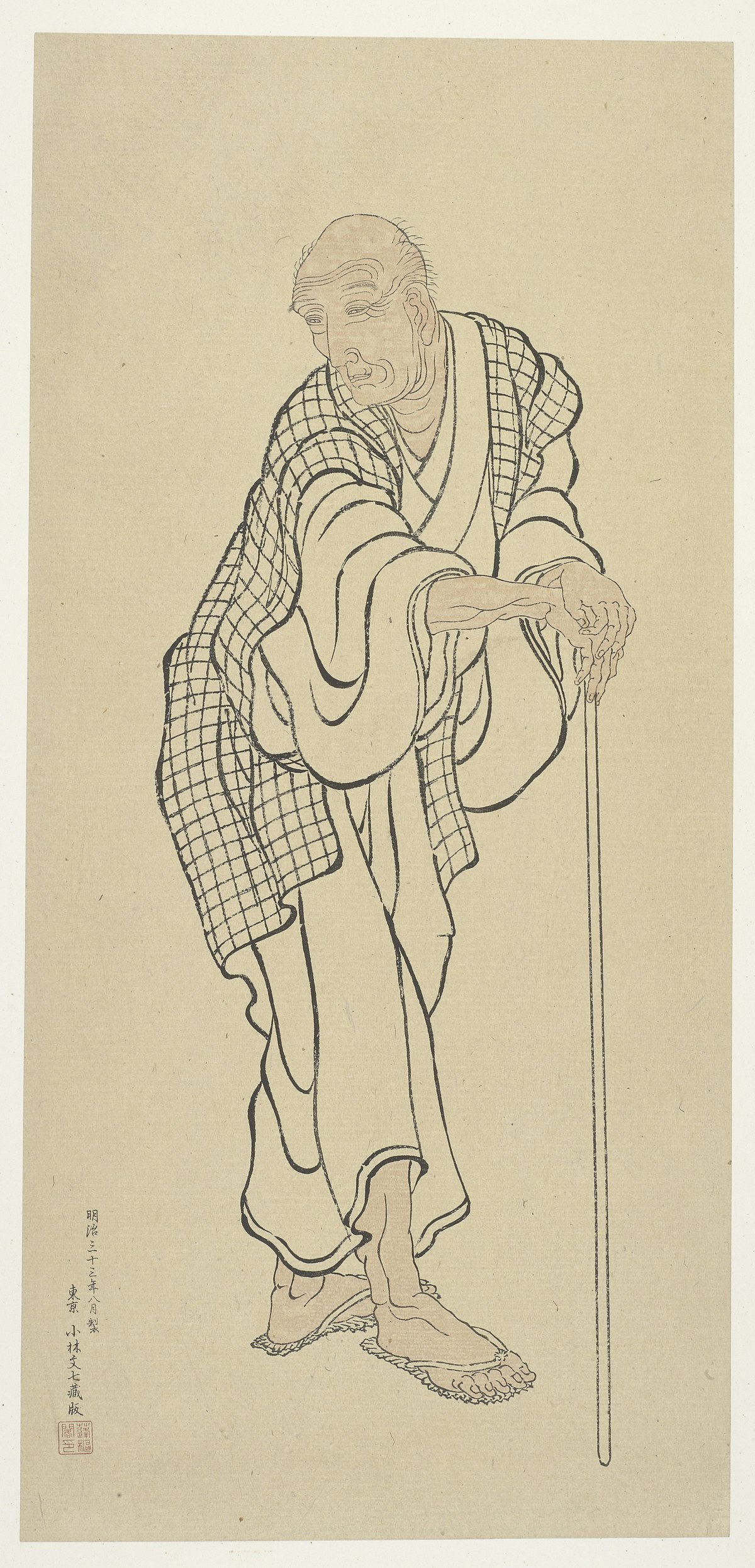
Katsushika Hokusai as an old man

The scene unfolds in a simple, yet meticulously rendered, landscape. A lone traveler, clad in the dark robes of a pilgrim, pauses beside a woman beckoning him to rest. She stands near a small wooden structure – likely a roadside inn or teahouse – her posture suggesting both invitation and a gentle warning against haste. The composition is remarkably balanced; the receding lines of the path draw the eye into the distance, while the figures are positioned with an almost theatrical precision. Hokusai’s masterful use of negative space—the expansive sky and surrounding fields—amplifies the sense of solitude and contemplation.

The Art of Ukiyo-e: Technique and Style

“Totsuka” exemplifies the hallmarks of ukiyo-e, a genre that flourished during the Edo period. Hokusai, a true innovator within this tradition, pushed its boundaries with his dynamic compositions, vibrant colors (achieved through Prussian blue pigment imported from Europe), and bold use of perspective. The print is executed in sumi-ink and color woodblock printing, a painstaking process involving multiple blocks carved to create the various tones and textures. Notice the subtle gradations of color—the delicate washes of blue sky, the earthy browns of the landscape, and the rich reds and greens of the woman’s robes—all achieved through careful layering and precise carving.

Hokusai's signature style is evident in his loose, expressive brushstrokes and his ability to capture fleeting moments with remarkable immediacy. He wasn’t simply documenting a scene; he was imbuing it with emotion and atmosphere. The print’s slightly flattened perspective—a characteristic of ukiyo-e—creates an illusion of depth while maintaining a sense of intimacy.

A Window into Edo Life and Symbolism

“Totsuka” offers a valuable glimpse into the daily life of people traveling along the Tokaido highway. The pilgrim’s attire, the simple structure offering shelter, and the woman's gesture all speak to the realities of travel during this period. The woman herself is often interpreted as a symbol of hospitality and guidance—a reminder that even in a world of constant movement, human connection remains essential. The umbrella she holds, a common sight in Japan, adds to the scene’s sense of practicality and everyday life.

Furthermore, Hokusai's work reflects broader cultural themes. The series as a whole was commissioned to celebrate the opening of the Tokaido road, but it also served as a vehicle for showcasing the beauty of Japan’s landscapes and its people. The print’s composition subtly evokes the concept of *wabi-sabi*, an aesthetic philosophy that embraces imperfection, transience, and simplicity—qualities deeply rooted in Japanese culture.

The Enduring Legacy

Katsushika Hokusai's “Totsuka” is more than just a beautiful print; it’s a testament to the artist’s genius and his profound understanding of human nature. Its enduring appeal lies in its ability to evoke a sense of quiet contemplation, reminding us of the beauty that can be found in everyday moments. Reproductions of this iconic work continue to captivate audiences worldwide, offering a window into a rich cultural heritage and a timeless meditation on life’s simple pleasures.

Питання та відповіді

Як сюжет твору "Totsuka" перегукується із звичними темами Катсушіка Хōкūсай?

«Totsuka» змальовує japanese art, edo period, hokusai, bath scene, umbrella, family, traditional, japan, тоді як характерні теми Катсушіка Хōкūсай — це inspired by western prints, reflects edo society life, mountain imagery symbolism”, “part of series landscapes”, hokusai’s evolving style”. Порівняння цих двох аспектів демонструє, як цей твір перегукується зі звичними сюжетами митця.

Яка насиченість кольорів у «Totsuka» роботи Катсушіка Хōкūсай?

Насиченість твору «Totsuka» роботи Катсушіка Хōкūсай становить Subtle Color.

Яким видом твору є «Totsuka»?

«Totsuka» — це твір у техніці WallArt.

Більше про цю картину

Переглянути в інтер'єрі Перегляд в AR Перейти до друку Перейти до цифрових зображень Надіслати як листівку
Деталі витвору Посібник Додати до улюблених Завантажити Схожі екземпляри Рентгенівське дослідження Слайд-шоу Питання та відповіді Статистика

У цифрах

  • 29доступні варіанти обрамлення
  • стандартні розміри, у власних пропорціях
  • 5тижнів на написання та доставку
Катсушіка Хōкūсай

Катсушіка Хōкūсай

1760 - 1849, Японія

Короткі факти про Катсушіка Хōкūсай

  • Artistic Movement Or Style: Укійо-е
  • Artists Or Movements Influenced By This Artist:
    • Імпресіонізм
    • Вінсент ван Го
    • Клод Моне
  • Artists Who Influenced This Artist: Китайські пейзажні художники
  • Date Of Birth: 31 жовтня 1760
  • Date Of Death: 10 травня 1849
  • Full Name: Катсушіка Хōкūсай
  • Nationality: Японський
  • Notable Artworks:
    • «Вели хвиля біля Канаґави»
    • «Тридцять шіс відам Фудзі»
    • «Манґа Хōкūсай»
  • Place Of Birth: Токіо, Японія

Біографія митця

A Life Etched in Ink: The World of Katsushika Hokusai

Katsushika Hokusai, a name that resonates deeply within the world of art and inextricably linked to the iconic image of *The Great Wave off Kanagawa*, was far more than simply a printmaker. Born in Edo (modern-day Tokyo) around 1760, his life unfolded as an extraordinary, restless pursuit of artistic mastery – a continuous evolution characterized by shifting names and an insatiable curiosity about the world around him. From humble beginnings as the son of a mirror maker, Hokusai’s initial inclination towards art wasn't immediately nurtured; however, he relentlessly honed his skills, reportedly beginning to draw at the tender age of six. This unwavering dedication would ultimately define a career spanning nearly nine decades, leaving behind a legacy that continues to captivate and inspire audiences globally. His father, Nakajima Ise, though not himself an artist, recognized and perhaps subtly fostered this nascent talent, providing the foundational support for a journey that would fundamentally transform Japanese visual culture. Hokusai’s early life wasn't one of privilege or ease; rather, it was a steady climb fueled by ambition, a deep-seated passion to capture the essence of the world in all its fleeting beauty and enduring strength.

From Apprenticeship to Innovation: The Blossoming of a Style

Hokusai’s formal artistic training commenced at twelve when he entered the prestigious studio of Katsukawa Shunshō, a leading master of *ukiyo-e* – “pictures of the floating world.” This vibrant genre, immensely popular during the Edo period, served as a mirror reflecting the diverse facets of Japanese society: actors performing in Kabuki theaters, courtesans embodying elegance and allure, sweeping landscapes capturing the beauty of nature, and glimpses into the bustling urban life of Edo. Under Shunshō’s tutelage, Hokusai diligently mastered the intricate techniques of woodblock printing – a demanding process requiring exceptional precision, artistic skill, and an understanding of color theory. Yet, he possessed a spirit that refused to be confined by mere imitation; even in his early works, a palpable restlessness was evident, a desire to push boundaries, experiment with new subjects, and ultimately forge his own unique visual language. He began exploring various avenues of expression, venturing beyond the traditional confines of *ukiyo-e* to include book illustrations and single-sheet prints, constantly refining his skills and developing a distinctive style that would soon set him apart. This period also marked the beginning of a fascinating pattern – a series of name changes, a common practice among Japanese artists of the time, each shift signifying a new phase in his artistic development or an affiliation with different schools and styles.

Mount Fuji and the Floating World: Defining Masterpieces

Hokusai’s artistic output was astonishingly prolific; tens of thousands of sketches, prints, illustrated books, and paintings bear his signature – a testament to his tireless dedication. While he explored a remarkably diverse range of subjects – from scenes of everyday life to fantastical creatures and detailed botanical studies – it was his series *Thirty-Six Views of Mount Fuji* (circa 1831) that cemented his enduring fame and established him as one of the greatest artists in Japanese history. This monumental collection wasn’t simply a straightforward depiction of a mountain; rather, it was a profound exploration of perspective, composition, and the raw power of nature. *The Great Wave off Kanagawa*, arguably the most recognizable image in the series, embodies both the breathtaking beauty and the terrifying force of the ocean – a towering wave poised to engulf tiny fishing boats, capturing a moment of sublime drama. Beyond *Fuji*, works such as *Fireworks at Ryōgoku Bridge* (1790) demonstrated his remarkable ability to capture dynamic scenes of daily life with an astonishing level of energy and detail, showcasing his mastery of color and composition. His *Hokusai Manga* – a collection of sketches and studies encompassing people, animals, landscapes, and fantastical creatures – was groundbreaking in its scope and influence, foreshadowing the development of modern manga as an art form. These works weren’t isolated achievements; they were milestones in a continuous artistic journey, each building upon the last to create a body of work that is both deeply rooted in Japanese tradition and remarkably innovative.

A Legacy Beyond Borders: Hokusai's Enduring Influence

Hokusai’s impact extended far beyond the borders of Japan. As Japan cautiously opened its doors to the West during the late 19th century, *ukiyo-e* prints flooded European markets, sparking a phenomenon known as *Japonisme*. Artists like Claude Monet, Edgar Degas, and Vincent van Gogh were profoundly influenced by Hokusai’s bold compositions, vibrant colors, and unconventional perspectives. Van Gogh, in particular, was deeply moved by *The Great Wave*, even recreating it in his own paintings, demonstrating a clear understanding of its dynamic energy and emotional impact. Hokusai's influence wasn’t limited to Impressionism; it permeated various modern art movements, shaping the way artists approached composition, color, and subject matter. His emphasis on capturing fleeting moments, his masterful use of line, and his ability to find beauty in everyday life resonated with a generation of artists seeking new forms of expression. Even today, Hokusai’s work continues to inspire and challenge artists around the world, solidifying his place as one of the most important figures in art history – an artist whose vision transcends cultural boundaries and connects us to something profoundly universal.

The Old Man Mad About Painting

Hokusai's life was a testament to relentless self-improvement and artistic exploration, marked by numerous name changes – over thirty throughout his career – each reflecting a new phase in his artistic development or an affiliation with different schools and styles. He often referred to himself as “Gakyō Rōjin,” or "Old Man Crazy to Paint," a fitting title for an artist who remained passionately devoted to his craft well into his eighties. This unwavering commitment to perfection, coupled with his innovative spirit and profound understanding of both Japanese tradition and the wider world, cemented Hokusai’s legacy as a true master of *ukiyo-e* and a pivotal figure in the history of art. His work continues to captivate audiences, reminding us of the power of art to transcend cultural boundaries and connect us to something larger than ourselves.
  • Major Influences: Ukiyo-e traditions, Chinese landscape painting, everyday life in Edo.
  • Key Characteristics: Bold lines, vibrant colors, dynamic compositions, keen observation of nature.

Основна інформація

  • Notable elements: Wave, landscape
  • Medium: Woodblock print
  • Title: Totsuka
  • Subject or theme: Travel scene
  • Year: 1806
  • Movement: Ukiyo-e

Квіз про мистецтво

У кожному запитанні лише одна правильна відповідь.

Запитання 1:
What is the primary subject depicted in Katsushika Hokusai’s ‘Totsuka’?
Запитання 2:
The image ‘Totsuka’ is part of which series?
Запитання 3:
Which of the following best describes Katsushika Hokusai's artistic style?
Запитання 4:
What is the significance of the umbrella held by one of the figures in ‘Totsuka’?
Запитання 5:
Katsushika Hokusai lived during which historical period?