- Додому

- Репродукція картини олією
- joseph nicéphore niépce
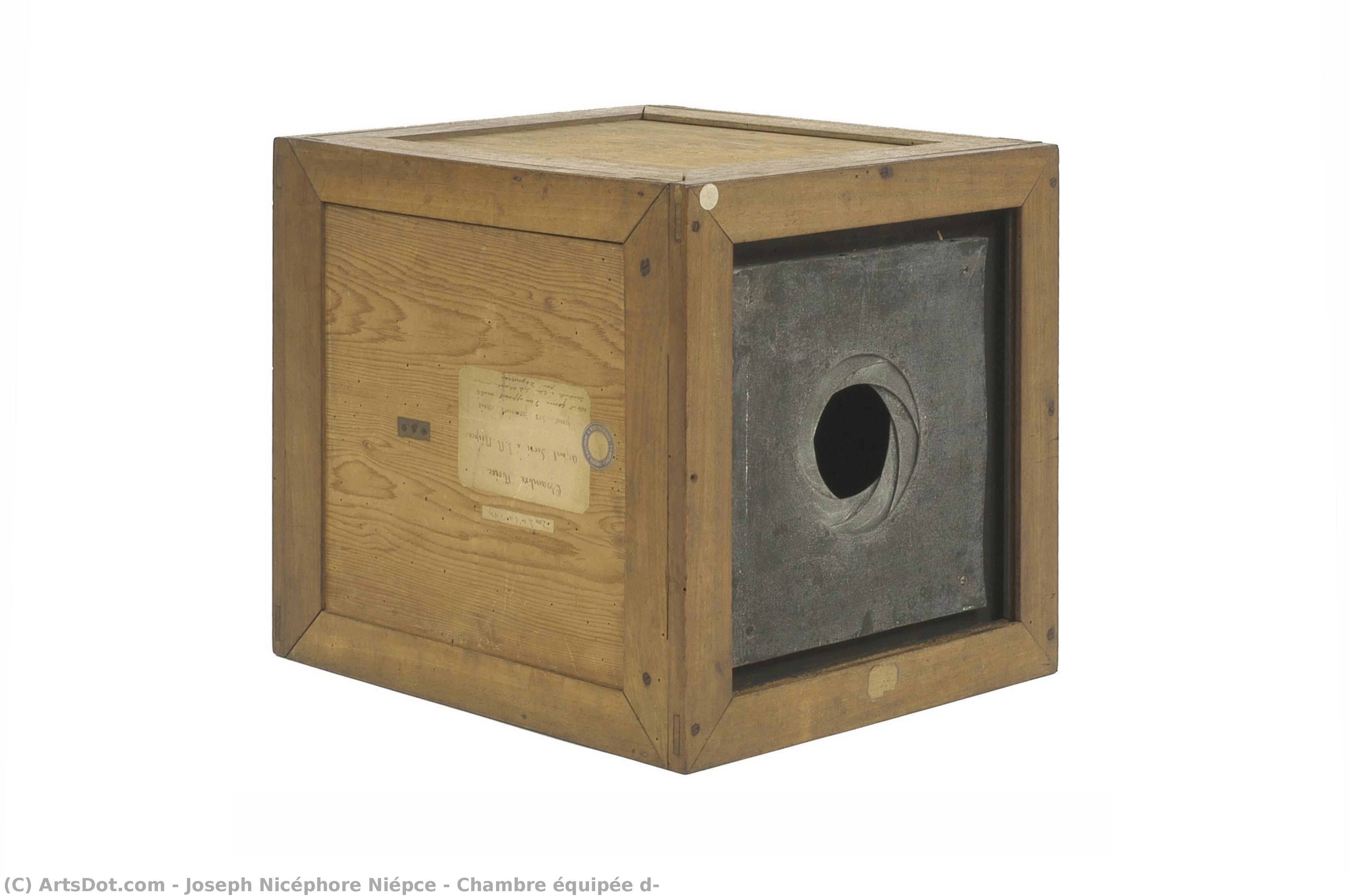
- Chambre équipée d
 Замовити друк Купити цифрове зображення
 Надіслати
 Поділитися
 Деталі витвору
 Додати до улюблених

 Завантажити
 Схожі вироби
 Рентгенівське дослідження
 Слайд-шоу
Chambre équipée d


 Розгорнути текст
Олійная репродукція ручної роботи
Написана вручну олією на полотні у вашому розмірі та рамі, виготовлена на замовлення нашими художниками.




































Обирайте з наших стандартних розмірів, що відповідають оригінальним пропорціям твору мистецтва.

Ви можете вказати власні розміри, щоб репродукція підійшла до конкретної рами або інтер'єру. Якщо вибраний вами розмір не відповідає пропорціям оригіналу, ми або обріжемо полотно, або доповнимо картину додатковими елементами, промальованими вручну. Цифровий макет буде надіслано вам на затвердження перед початком виробництва.
Зверніть увагу, що попередній перегляд на екрані не відображає фактичне обрізання або розширення зображення. Тільки макет точно покаже остаточну композицію.
Хоча ми можемо виготовити виріб у нестандартному розмірі, для збереження оригінальних пропорцій рекомендуємо обирати варіанти зі встановленого списку.
Після оформлення замовлення команда OriginalUniqueArt.com зв'яжеться з клієнтом електронною поштою для отримання інструкцій та надасть попередній макет
Доставка по всьому світу () за 3–4 тижні замість стандартних 5 тижнів. (23 Липень). Без жодних компромісів у якості.

Безкоштовна експрес-доставка по всьому світу

Високоякісне лляне полотно

Повне страхове покриття доставки

Гарантія відшкодування митних зборів

Гарантія точного відтворення кольорів

Політика повернення протягом 60 днів (лише у разі виявлення дефектів)

Гарантія повернення 100% коштів

Знижка на багатоелементні замовлення
 Скляний варіант доступний лише для розмірів до 110 см

Chambre équipée d
Матеріал репродукції
Розмір репродукції
-


Підсумкова ціна
-
Біографія митця
Joseph Nicéphore Niépce: The Father of Photography
Joseph Nicéphore Niépce (1765 – 1833) stands as an undeniable titan in the annals of artistic innovation, yet his legacy transcends mere visual representation. He wasn’t a painter wielding brushstrokes; rather, he was a physicist and inventor who fundamentally reshaped our understanding of capturing light and transforming it into enduring images—a feat that irrevocably altered the course of art history itself. Born in Chalon-sur-Saône, France, Niépce's life unfolded against the backdrop of the turbulent Napoleonic era, shaping his intellectual pursuits and ultimately propelling him to become one of the earliest pioneers of photography.Early Life and Scientific Foundations
Niépce’s upbringing instilled within him a profound appreciation for scientific inquiry—a trait nurtured by his father’s legal profession and reinforced by his own studies at Angers Cathedral School, where he mastered mathematics and experimental methodology. This intellectual fervor would prove instrumental in his groundbreaking discoveries. Notably, Niépce's brother Claude, equally passionate about invention, tragically succumbed to mental illness in England, leaving Niépce burdened with the responsibility of managing the family estate and continuing their collaborative research endeavors. The influence of Claude’s unwavering dedication to the Pyréolophore—a revolutionary internal combustion engine conceived by the brothers—served as a constant reminder of the boundless potential for scientific advancement.The Pyréolophore: A Vision Ahead of Its Time
Beyond his photographic pursuits, Niépce’s brilliance shone through in his tireless experimentation with alternative energy sources. The Pyréolophore represents more than just an engine; it embodies Niépce's audacious ambition to harness the power of fire—a concept deeply rooted in alchemical traditions and reflecting a broader fascination with transforming natural phenomena into practical applications. Though initially hampered by technical challenges and plagued by Claude’s debilitating illness, Niépce persevered, demonstrating remarkable resilience and unwavering commitment to his scientific vision. The Pyréolophore stands as testament to Niépce's belief that science could unlock new frontiers of human ingenuity.The Birth of Photography: Heliography and the Window at Le Gras
Niépce’s true artistic triumph arrived in the mid-1820s with his pioneering development of heliography—a technique he termed “sun drawing.” Inspired by the camera obscura, a darkened room equipped with a pinhole aperture that projects an inverted image onto a surface, Niépce sought to replicate this mesmerizing phenomenon permanently. His meticulous efforts culminated in 1826-1827 with the creation of *View from the Window at Le Gras*, arguably the world’s oldest surviving photograph. This monumental achievement—a bitumen of Judea coated pewter plate exposed for eight hours under direct sunlight—marked a pivotal moment in artistic history, demonstrating that images could be captured and preserved without resorting to laborious manual copying. It signaled an unprecedented shift toward objective observation and representation—values that would soon permeate the artistic landscape.Collaboration with Daguerre: Shaping Photographic Innovation
Recognizing the transformative potential of heliography, Niépce forged a crucial partnership with Louis-Jacques-Mande Daguerre—a Parisian painter who possessed complementary skills in artistry and technical expertise. Together, they refined Niépce’s process, resulting in the daguerreotype—a photographic technique that produced remarkably detailed images on silver-plated sheets. Although Daguerre secured patent rights for his invention, Niépce's foundational contribution remained indispensable to its success. Their collaboration exemplifies the spirit of scientific inquiry and artistic innovation—a synergy that irrevocably altered the trajectory of visual art and cemented Niépce’s place as the progenitor of photography.Legacy and Enduring Influence
Joseph Nicéphore Niépce’s legacy extends far beyond his individual inventions; he fundamentally reshaped our perception of how images could be created and disseminated. His unwavering dedication to scientific experimentation—coupled with his artistic sensibility—established a paradigm for future generations of artists and inventors alike. The enduring fascination with Niépce's pioneering work underscores the profound impact of his discoveries on art history, demonstrating that true innovation arises from blending intellectual curiosity with creative vision. He remains an inspirational figure—a testament to the transformative power of scientific exploration and artistic expression.
joseph nicéphore niépce
1765 - 1833 , France
Короткі факти
- Artistic Movement Or Style: Early Photography
- Artists Or Movements Influenced By This Artist: ['Daguerreotype']
- Artists Who Influenced This Artist: ['Camera obscura']
- Date Of Birth: March 7, 1765
- Full Name: Joseph Nicéphore Niépce
- Nationality: French
- Notable Artworks: ['View from the Window at Le Gras']
- Place Of Birth: Chalon-sur-Saône, France

