

 Переглянути в інтер'єрі
 Надіслати як листівку
 Поділитися
 Детальніше

 Завантажити
 Схожі експонати
 Рентгенівське дослідження
 Слайд-шоу
 Статистика
Mr. Oldham and his Friends
 Oil On Canvas
- WallArt
- Rococo Period
 1750
1750- Early Modern
 105.0 x 130.0 cm
 Тейт Галерея
 Читати далі
Придбайте цифрову копію високої роздільної здатності з покращеною якістю, що значно перевершує онлайн-перегляд.
Кожен файл ретельно підготовлений нашими фахівцями за допомогою сучасних інструментів та професійної ручної ретуші. Ми гарантуємо виняткову чіткість, точну передачу кольору та високу деталізацію кожного зображення.
Фінальний файл надсилається електронною поштою протягом 72 годин і оптимізований для негайного використання у професійних виданнях та друкованих матеріалах. Таку якість обирають провідні дизайнерські студії, видавництва та галереї.
Цифрове зображення
Завантажте файл високої роздільної здатності для особистого використання, друку та творчих проєктів. ( Перейти до друку Замовити репродукцію ручної роботи)
Переваги кожного замовлення цифрових зображень
Експертна цифрова доставка з гарантією якості
Обираючи OriginalUniqueArt.com, ви отримуєте не просто зображення — ви отримуєте професійно вдосконалений цифровий витвір мистецтва, створений з надзвичайною точністю та підкріплений гарантією задоволення. Ось усе, що автоматично додається до вашого замовлення:

Швидка доставка на email
Ваш цифровий файл із зображенням високої роздільної здатності буде надісланий вам електронною поштою протягом 72 годин після оформлення замовлення — він буде готовий до негайного використання.

Цифровий файл із покращенням ШІ
Ваш витвір мистецтва професійно оптимізовано за допомогою передових інструментів штучного інтелекту та ручної корекції, що забезпечує максимальну деталізацію, чіткість і точність передачі кольорів.

Безкоштовне повторне завантаження назавжди
Випадково видалили або втратили файл? Не хвилюйтеся — ми надішлемо його вам повторно в будь-який час безкоштовно.

Без митних зборів — ніколи
Насолоджуйтесь вашим витвором мистецтва миттєво без жодних мит, зборів або плати за доставку — цифрові завантаження завжди не оподатковуються.

Гарантія точності кольорів
Ми гарантуємо максимально точне відтворення оригінальних кольорів на вашому цифровому зображенні завдяки використанню професійних інструментів та систем управління кольором.

100-денна гарантія задоволення
Якщо ви не задоволені придбаним цифровим зображенням, ми внесемо правки або повернемо 100% вартості протягом 100 днів — без зайвих запитань.

Гарантія повернення 100% коштів
Незадоволені покупкою? Отримайте повне повернення коштів протягом 100 днів після отримання цифрового файлу — без зайвих запитань.

Знижки на оптові замовлення
Купуйте 3 зображення — заощаджуйте 10% — Купуйте 5 — заощаджуйте 15% — Купуйте 10+ — заощаджуйте 20%. Чудово підходить для творчих проєктів, галерей та агентств.
A Glimpse into Georgian Camaraderie
In the soft, amber glow of an imagined mid-eighteenth-century evening, Joseph Highmore’s “Mr. Oldham and his Friends” invites the viewer to step into a world of refined leisure and quiet intellectual intimacy. Painted in 1750, this masterpiece serves as a window into the heart of Georgian England, capturing a moment that transcends mere portraiture to become a celebration of social bond and shared experience. The composition centers on four gentlemen gathered around a mahogany table, their relaxed postures and engaged expressions suggesting a conversation caught mid-sentence. There is an undeniable warmth in the scene; the subtle presence of wine glasses and a communal bowl hints at a ritual of conviviality, where the boundaries between formal status and personal friendship blur under the light of mutual respect.
Highmore, a painter who masterfully navigated the transition from the grandiosity of the Baroque to the delicate grace of the Rococo, utilizes this scene to showcase his profound ability to capture character. One gentleman, distinguished by a hat perched elegantly atop his head, adds a touch of aristocratic flair that anchors the group in their social stratum, yet the overall atmosphere remains remarkably accessible and human. For the collector or interior designer, this piece offers more than just a historical record; it provides an emotional anchor for a room, evoking a sense of timeless stability and the enduring value of companionship.
Mastery of Light and Texture
Technically, the painting is a triumph of chiaroscuro, a technique Highmore adapted from the great Baroque masters like Rembrandt to breathe life into his subjects. By employing dramatic contrasts between deep, velvety shadows and luminous highlights, he sculpts the figures, giving them a three-dimensional presence that feels almost tactile. This play of light does more than define form; it directs the eye through the narrative of the painting, drawing attention to the glint of glass, the rich grain of the wood, and the intricate folds of fine fabrics. The artist’s meticulous attention to detail—the way light catches the rim of a wine glass or the subtle texture of a gentleman's waistcoat—demonstrates a level of craftsmanship that elevates the work from a simple "conversation piece" to a profound study in materiality.
The Rococo influence is felt in the painting’s lighter, more graceful tonal palette, which avoids the heavy somberness of earlier eras in favor of an air of elegance. This delicate balance between shadow and light creates a psychological depth, suggesting that beneath the surface of this pleasant gathering lies a rich inner life and a history of shared secrets and intellectual pursuits. Such technical sophistication makes a high-quality reproduction of this work an exquisite addition to any curated collection, offering a sophisticated interplay of light and shadow that can transform the ambiance of a sophisticated study or a grand dining hall.
Symbolism and the Spirit of an Era
Beyond its aesthetic allure, “Mr. Oldham and his Friends” is steeped in the cultural symbolism of the 1750s. The very act of gathering around wine serves as a metaphor for the era's values: indulgence, pleasure, and the cultivation of taste. In the context of Georgian England, such scenes were not merely decorative but were statements of social identity. The painting subtly underscores the importance of patronage and the role of the landed gentry in fostering a culture of refinement and intellectual curiosity. The presence of the mahogany table—a luxury item of the period—further reinforces the themes of prosperity and the global reach of British commerce during this era.
For those looking to bring a piece of history into their contemporary spaces, this artwork offers a profound sense of continuity. It speaks to the universal human desire for connection and the beauty found in quiet, shared moments. Whether placed in a modern minimalist setting to provide a classical counterpoint or integrated into a traditional period room, Highmore’s work continues to resonate, offering an evocative narrative of friendship that remains as relevant today as it was two and a half centuries ago.
Біографія митця
A Life Dedicated to Likeness and Narrative
Joseph Highmore, born in London in 1692, emerged as a pivotal figure within the evolving landscape of 18th-century English art. His journey began amidst familial expectations geared towards a legal career—a path he ultimately abandoned at seventeen to wholeheartedly pursue his artistic inclinations. This decisive turn led him to the studios of Sir Godfrey Kneller and anatomy lectures delivered by William Cheselden, foundational experiences that shaped his technical skill and profound understanding of the human form. Initially influenced by the grand Baroque tradition exemplified by Kneller, Highmore’s style would gradually embrace the more delicate aesthetics of the Rococo period, a shift reflective of broader cultural currents sweeping across Europe. He wasn't merely a painter; he was a keen observer of society, and his canvases became mirrors reflecting the lives, manners, and moral concerns of Georgian England.From Royal Patrons to Middle-Class Commissions
Highmore’s early career benefited from patronage within royal circles, particularly during the 1730s and 40s. This afforded him opportunities to portray prominent figures like King George II and, famously, General James Wolfe—portraits that demonstrate not only his technical prowess but also a remarkable ability to capture character and presence. A formative journey through the Netherlands and France between 1732 and 1734 further broadened his artistic horizons, exposing him to the works of masters such as Rubens and van Dyck. However, Highmore’s adaptability proved crucial to his sustained success. As tastes evolved and a burgeoning middle class sought representation, he skillfully adjusted his focus, catering to their desire for portraits that reflected their social standing and domestic lives. This period saw the rise of his celebrated “conversation pieces”—group portraits depicting families or friends engaged in informal gatherings—a genre where Highmore excelled at conveying both individual personalities and the dynamics of social interaction. These works weren’t simply records of appearance; they were narratives frozen in time, offering glimpses into the everyday lives of his sitters. Mr Matthew Bell, for example, showcases a dignified composure typical of his Rococo realism, while portraits like Anthony Highmore reveal an elegant attire and timeless composition.Illustrating Virtue: ‘Pamela’ and Beyond
While renowned for his portraiture, Joseph Highmore achieved widespread recognition through a unique project that bridged the worlds of art and literature. In 1744, he embarked on a series of twelve paintings inspired by Samuel Richardson's immensely popular novel, *Pamela, or Virtue Rewarded*. These illustrations weren’t merely decorative accompaniments to the text; they were carefully considered interpretations of key scenes, designed to amplify the story’s emotional impact and moral message. The engravings derived from these paintings, executed by Benoist and Louis Truchy, further disseminated Richardson's narrative to a wider audience, effectively making Highmore an instrumental figure in popularizing the novel. Beyond *Pamela*, Highmore also ventured into historical painting, exemplified by his donation of Hagar and Ishmael to the Foundling Hospital—a testament to both his artistic skill and his engagement with contemporary social issues. This work, along with others, reveals a willingness to explore complex themes and narratives beyond the realm of portraiture, reflecting a deep sensitivity to the vulnerabilities within society.A Legacy of Realism and Refinement
Highmore’s meticulous attention to detail—particularly in capturing subtle expressions and gestures—established him as a master of his craft. His canvases are imbued with an understated elegance that reflects the Rococo's preoccupation with grace and refinement, yet they retain a grounding in anatomical accuracy gained from Cheselden’s lectures. He skillfully blended Baroque influences with Rococo sensibilities, resulting in compositions characterized by balanced symmetry and luminous color palettes—techniques honed during his formative years under Kneller’s tutelage. His enduring fame rests on the profound insight he brought to portraying human subjects, transforming them into embodiments of character and emotion. Anthony Highmore Jr., his grandson, continued this tradition as a writer on legal affairs and a social activist, demonstrating that Highmore's artistic legacy extended beyond visual art into broader intellectual pursuits. He passed away in 1780, aged eighty-seven, and was buried with dignity in Canterbury Cathedral—a final affirmation of his commitment to upholding moral values and celebrating the beauty of human experience.- Family Connections: Susanna Highmore (née Hiller): His wife, a poet whose works remain largely unpublished.
- Anthony Highmore: His son, also an artist.
- Anthony Highmore Jr.: A grandson who became a writer on legal affairs and a social activist.
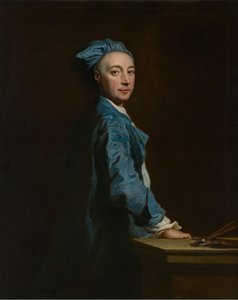
Джозеф Хаймор
1692 - 1780 , Великобритания
Основна інформація
- Artistic Movement Or Style: Рококо
- Artists Who Influenced This Artist:
- Гофред Кнеллер
- Рубенс
- Джеймс Ван Дык
- Date Of Birth: 1692
- Date Of Death: 1780
- Full Name: Joseph Highmore
- Nationality: Британський
- Notable Artworks:
- Памела
- Мсьо Меттью Белл
- Хагар і Ісмаель
- Place Of Birth: Лондон, Великобританія