
 Надіслати
 Поділитися
 Деталі
 Посібник

 Завантажити
 Схожі предмети колекціонування
 Слайд-шоу
 Статистика переглядів
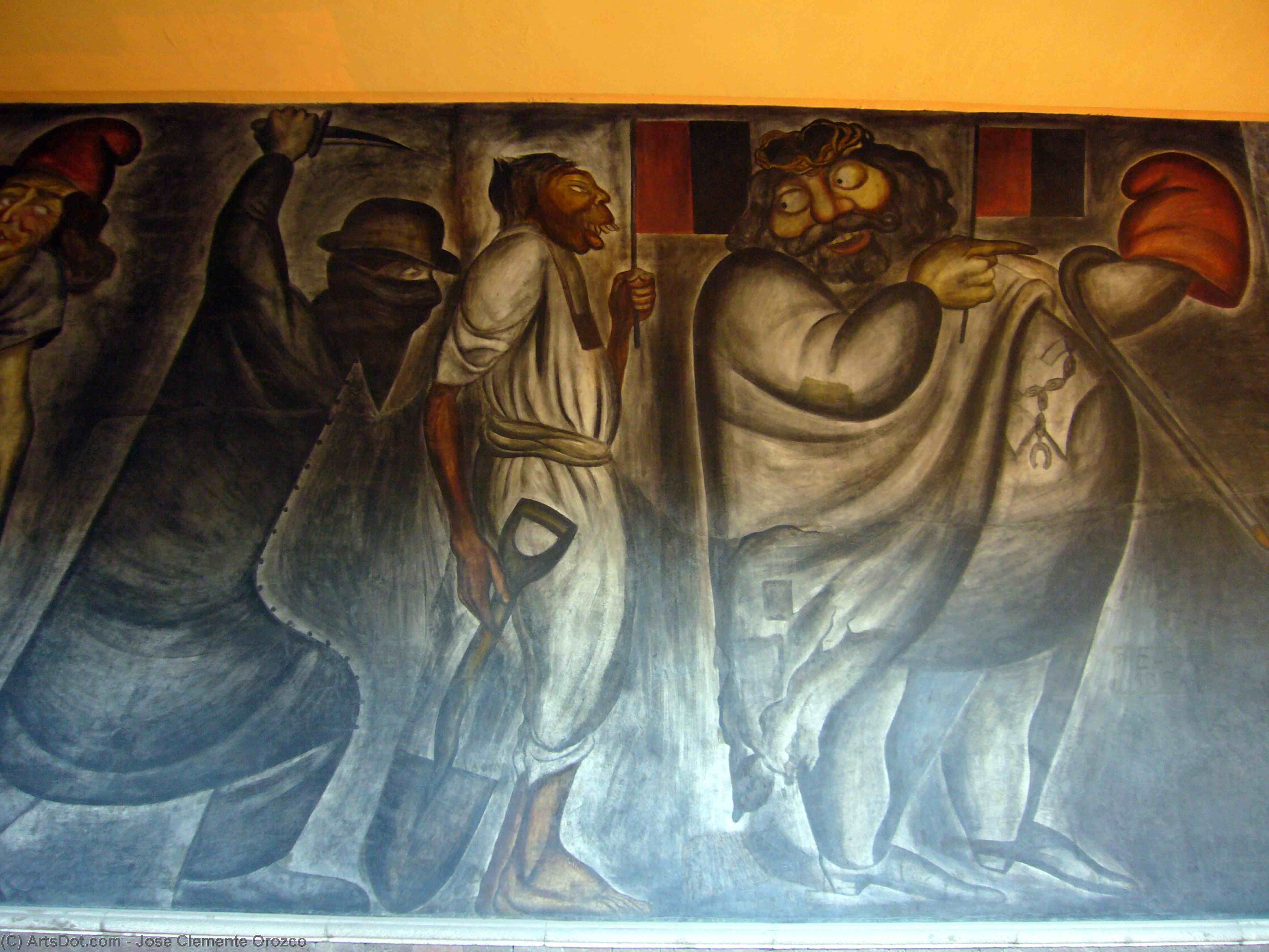
The Poor


 Читати далі
Олійная репродукція ручної роботи
Написана вручну олією на полотні у вашому розмірі та рамі, виготовлена на замовлення нашими художниками. ( Перейти до друку Перейти до цифрових зображень)




































Обирайте з наших стандартних розмірів, що відповідають оригінальним пропорціям твору мистецтва.

Ви можете вказати власні розміри, щоб репродукція ідеально підійшла до конкретної рами або інтер'єру. Якщо вибраний вами розмір не відповідає пропорціям оригіналу, ми або обріжемо полотно, або доповнимо картину додатковими елементами, промальованими вручну. Цифровий макет буде надіслано вам на затвердження перед початком виробництва.
Зверніть увагу, що попередній перегляд на екрані не відображає фактичне обрізання або розширення зображення. Тільки макет точно покаже остаточну композицію.
Хоча ми можемо виготовити виріб у нестандартному розмірі, для збереження оригінальних пропорцій рекомендуємо обирати варіанти зі встановленого списку.
Після оформлення замовлення команда OriginalUniqueArt.com зв'яжеться з клієнтом електронною поштою для отримання інструкцій та надасть попередній макет
Доставка по всьому світу () за 3–4 тижні замість стандартних 5 тижнів. (26 Вересень). Без жодних компромісів у якості.

Безкоштовна експрес-доставка по всьому світу

Високоякісне лляне полотно

Повне страхове покриття доставки

Гарантія повернення митних зборів

Гарантія точного відтворення кольорів

Політика повернення протягом 100 днів (лише у разі виявлення дефектів)

Гарантія повернення 100% коштів

Знижка на оптові замовлення
 Скляний варіант доступний лише для розмірів до 110 см

The Poor
Техніка репродукції
Розмір репродукції
-


Загальна вартість
$ 300
Artistic Style and Technique
Jose Clemente Orozco's unique style and technique are evident in The Poor. The fresco features a range of emotions and expressions, from contemplation to desperation. The use of bold lines and vibrant colors adds depth and dimension to the painting. As an expert in art, it is clear that Orozco was a master of capturing human interaction and emotion through his work.Similar Works by Jose Clemente Orozco
Some of Orozco's other notable works include Omnisciencia, a fresco that showcases the artist's ability to convey complex themes and ideas. As seen on OriginalUniqueArt.com, this painting features a group of people in various poses, with some standing and others kneeling or sitting. Another notable work is Catharsis, a powerful mural that depicts a chaotic scene of conflict and emotion.- Mexican Muralism: A movement that sought to promote social justice and equality through art.
- Frescoes: A technique used by Orozco to create vibrant and detailed paintings.
- Social Commentary: A key theme in Orozco's work, including The Poor.
Jose Clemente Orozco's The Poor is a powerful and thought-provoking fresco that showcases the artist's unique style and technique. As an expert in art, it is clear that this painting is a masterpiece of Mexican muralism, and its themes of social commentary and human emotion continue to resonate with audiences today.
Біографія митця
José Clemente Orozco – A Life Forged in Revolution: The World of José Clemente Orozco
José Clemente Orozco, born November 23, 1883, in the small town of Zapotlán el Grande (now Ciudad Guzmán), Jalisco, Mexico, stands as a monumental figure in the pantheon of Mexican muralists. His life was inextricably linked to the tumultuous currents of his nation’s history—a period defined by revolution, social upheaval, and a fervent search for national identity. Orozco wasn't merely a painter; he was a visual chronicler of Mexico’s soul, translating its struggles, hopes, and contradictions onto vast canvases that continue to resonate with power today. From an early age, the vibrant yet often harsh realities of Mexican life captivated him. His initial artistic awakening occurred during his school years in Mexico City, where he became enthralled by the work of José Guadalupe Posada, a master engraver whose satirical depictions of death and daily life challenged societal norms. This exposure instilled in Orozco a commitment to art as a vehicle for social commentary—a principle that would shape his entire artistic trajectory.Early Influences & Artistic Formation
Posada’s unflinching portrayal of Mexican society profoundly impacted Orozco's worldview, fostering an unwavering belief in the transformative potential of art to confront injustice and inspire change. Recognizing this conviction, he pursued formal training at the Academy of San Carlos in 1906, encountering David Alfaro Siqueiros—another student who would become a lifelong collaborator and fellow champion of Mexican muralism. The atmosphere within the academy was charged with political fervor; discussions about social reform and national liberation dominated intellectual discourse. This environment solidified Orozco’s dedication to artistic expression as a tool for advancing progressive ideals. Notably, he studied architecture briefly before abandoning his academic pursuits after sustaining a serious injury—a devastating accident resulting in the amputation of his left hand during an experiment with explosives. Despite this profound setback, Orozco refused to succumb to despair; instead, he channeled his grief and determination into artistic creation, demonstrating remarkable resilience and unwavering resolve.The Birth of Mexican Muralism & Orozco’s Distinct Voice
The Mexican Revolution (1910-1920) unleashed an unprecedented surge of creative energy across Mexico, propelling the burgeoning mural movement to prominence. Artists like Rivera, Siqueiros, and Orozco sought to forge a uniquely Mexican aesthetic—one that honored indigenous traditions while confronting the urgent challenges facing their nation. Rejecting academic conventions and embracing expressive techniques, they aimed to communicate complex ideas through monumental canvases imbued with symbolic resonance. Orozco’s artistic vision diverged from his contemporaries in significant ways. While Rivera prioritized grand narratives celebrating Mexico's history and future, Siqueiros focused on dynamic action and revolutionary fervor, Orozco embarked upon a path characterized by introspective contemplation and unflinching confrontation with human suffering. He wasn’t interested in glorifying violence; rather, he endeavored to expose its devastating consequences—the pain, loss, and disillusionment inherent in transformative upheaval.Technique & Symbolism: A Language of Walls
Orozco's mastery lay not only in his ability to convey powerful emotions but also in his innovative use of fresco technique—a method that demanded painstaking precision and unwavering dedication. Working directly onto wet plaster, he created murals that were both monumental in scale and remarkably durable. His palette was often somber—earth tones, grays, and blacks dominating his compositions—reflecting the gravity of his subject matter. He wasn’t afraid to depict scenes of violence and despair; these weren't gratuitous but served as stark reminders of the human cost of conflict. Symbolism played a crucial role in Orozco’s work. Recurring motifs—machines, fragmented figures, and desolate landscapes—served as potent symbols representing dehumanization, alienation, and the destructive potential of technological advancement. His compositions eschewed straightforward narratives; instead, they functioned as allegories demanding careful interpretation. Omnisciencia, painted in 1925, exemplifies this approach—a masterful exploration of social justice rendered with vibrant expressionism and layered symbolism. Similarly, *Cortés & La Malinche* is a dramatic depiction of history and culture, showcasing Orozco’s bold design and artistic technique.Legacy & Enduring Impact
José Clemente Orozco's influence extends far beyond the borders of Mexico. His murals can be found in prominent locations around the world—including Dartmouth College in Hanover, New Hampshire—where *Epic of American Civilization* stands as a testament to his artistic vision and intellectual depth. He inspired generations of artists with his unwavering commitment to social realism, his pioneering use of fresco technique, and his unflinching portrayal of human suffering. His work continues to be studied and admired for its emotional power, technical brilliance, and enduring relevance. The Museo de Artes Universidad Guadalajara houses a workshop-museum dedicated to preserving Orozco’s legacy—a beacon illuminating the path for future artists seeking to grapple with profound questions about humanity's role in shaping history and confronting moral dilemmas. He remains a pivotal figure in understanding 20th-century Mexican art, cementing his place as one of the most important muralists of his era.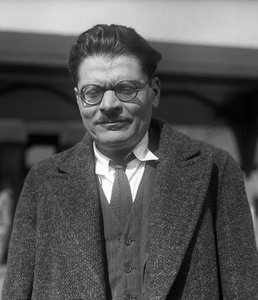
Хосе Клементе Орозко
1883 - 1949 , Мексика
Довідкова інформація
- Artistic Movement Or Style: Мексиканський муралізм
- Artists Or Movements Influenced By This Artist:
- Густаво Аріас Муреута
- Оскар Салас Моя
- Artists Who Influenced This Artist: ['Хозе Гуадалупе Поса́да']
- Date Of Birth: 23 листопада 1883 р.
- Date Of Death: 7 вересня 1949 р.
- Full Name: José Clemente Orozco
- Nationality: Мексиканський
- Notable Artworks:
- Омнісцієнца
- Бідні
- Кортес і Малінче
- Мексиканські солдати
- Place Of Birth: Місто Гузма́н, Мексика
Схожі статті

Фреска як сімейна спадщина: Збереження родинної історії через настінне мистецтво
Дізнайтеся все про фрески: історію, техніки, замовлення та догляд. Створіть унікальну сімейну спадщину з нашими професійними художниками! Якість гарантовано.

Від джунглів до золотого листя та геометрії: путівник найпопулярнішими стилями муралів сьогодні
Відкрийте світ захопливих муралів для готелів! Експертні поради щодо вибору стилю, замовлення та догляду. Створіть унікальний дизайн інтер'єру з .

Повернення фрески: Чому настінні мурали стають новим символом розкоші для готелів
Дізнайтеся, як настінні мурали перетворюють готелі на витвори мистецтва! Ексклюзивний дизайн, професійні художники та інвестиції в незабутню атмосферу. Поради експертів.

Піднесення інтер'єрів: Мурали як мистецтво трансформації кухонь та ванних кімнат
Відкрийте для себе світ вишуканих інтер'єрів з муралами! Експертні поради, тренди дизайну та індивідуальні рішення від . Перетворіть кухню та ванну кімнату на шедеври мистецтва.

The Enduring Legacy of Fresco: Technique, History & Artistic Expression Across Cultures
Explore the rich history & enduring legacy of fresco painting! Discover ancient techniques, Giotto's masterpieces, and modern applications. Expert insights for art lovers & professionals.
