

 Переглянути в інтер'єрі
 Надіслати як листівку
 Поділитися
 Деталі витвору
 Посібник

 Завантажити
 Схожі екземпляри
 Рентгенівське дослідження
 Слайд-шоу
 Статистика
Catharsis

 Розгорнути текст
Придбайте цифрову копію високої роздільної здатності з покращеною якістю, що значно перевершує онлайн-перегляд.
Кожен файл ретельно підготовлений нашими фахівцями за допомогою сучасних інструментів та професійної ручної ретуші. Ми гарантуємо виняткову чіткість, точну передачу кольору та високу деталізацію кожного зображення.
Фінальний файл надсилається електронною поштою протягом 72 годин і оптимізований для негайного використання у професійних виданнях та друкованих матеріалах. Таку якість обирають провідні дизайнерські студії, видавництва та галереї.
Цифрове зображення
Завантажте файл високої роздільної здатності для особистого використання, друку та творчих проєктів. ( Перейти до друку Замовити картину ручної роботи)
Переваги кожного замовлення цифрових зображень
Експертна цифрова доставка з гарантією якості
Обираючи OriginalUniqueArt.com, ви отримуєте не просто зображення — ви отримуєте професійно вдосконалений цифровий витвір мистецтва, створений з надзвичайною точністю та підкріплений гарантією задоволення. Ось усе, що автоматично додається до вашого замовлення:

Швидка доставка на email
Ваш цифровий файл із зображенням високої роздільної здатності буде надісланий вам електронною поштою протягом 72 годин після оформлення замовлення — він буде готовий до негайного використання.

Цифровий файл із покращенням ШІ
Ваш витвір мистецтва професійно оптимізовано за допомогою передових інструментів штучного інтелекту та ручної корекції, що забезпечує максимальну деталізацію, чіткість і точність передачі кольорів.

Безкоштовне повторне завантаження назавжди
Випадково видалили або втратили файл? Не хвилюйтеся — ми надішлемо його вам повторно в будь-який час безкоштовно.

Без митних зборів — завжди
Насолоджуйтесь вашим витвором мистецтва миттєво без жодних мит, зборів або плати за доставку — цифрові завантаження завжди не оподатковуються.

Гарантія точності кольорів
Ми гарантуємо максимально точне відтворення оригінальних кольорів на вашому цифровому зображенні завдяки використанню професійних інструментів та систем управління кольором.

100-денна гарантія задоволення
Якщо ви не задоволені придбаним цифровим зображенням, ми внесемо правки або повернемо 100% вартості протягом 100 днів — без зайвих запитань.

Гарантія повернення 100% коштів
Незадоволені покупкою? Отримайте повне повернення коштів протягом 100 днів після отримання цифрового файлу — без зайвих запитань.

Знижки на оптові замовлення
Купуйте 3 зображення — заощаджуйте 10% — Купуйте 5 — заощаджуйте 15% — Купуйте 10+ — заощаджуйте 20%. Чудово підходить для творчих проєктів, галерей та агентств.
The Artist's Vision
Jose Clemente Orozco was a prominent figure in the Mexican Mural Renaissance, along with Diego Rivera and David Alfaro Siqueiros. His work is characterized by its emphasis on social justice and its critique of modern society. In Catharsis, Orozco presents a dystopian vision of humanity, plagued by conflict, decay, and the dehumanizing effects of industrialization.Symbolism and Themes
The painting is rich in symbolism, with various motifs and themes that reflect the artist's concerns about the state of modern society. Some of the key elements include:- Conflict and violence: The scene depicts a violent struggle between two men, surrounded by chaos and destruction.
- Decay and social unrest: The painting shows a sense of decay and social unrest, with figures of prostitutes and other marginalized groups.
- Industrialization and technology: The presence of machines and industrial equipment serves as a commentary on the dehumanizing effects of modern technology.
The Museo del Palacio de Bellas Artes is a renowned cultural institution in Mexico City, featuring an extensive collection of Mexican art from the 19th and 20th centuries. To discover more about this museum and its collections, visit https://OriginalUniqueArt.com.
Питання та відповіді
Де можна придбати написані вручну репродукції «Catharsis» роботи Хосе Клементе Орозко?
«Catharsis» доступна як олійна репродукція ручного розпису на лляному полотні. Замовлення можна оформити на сторінці Репродукція ручного письма олією, вибравши відповідний розмір.
Які кольори переважають у творі «Catharsis» роботи Хосе Клементе Орозко?
У творі «Catharsis» роботи Хосе Клементе Орозко використана палітра Темні відтінки, де домінуючим кольором є Квинакридонова маджента (#885f40).
Чи можу я скористатися доповненою реальністю, щоб побачити «Catharsis» роботи Хосе Клементе Орозко у своїй кімнаті?
Сторінка Перегляд в AR для твору «Catharsis» роботи Хосе Клементе Орозко використовує технологію доповненої реальності, щоб показати витвір у вашому власному просторі за допомогою сумісного пристрою.
Біографія митця
José Clemente Orozco – A Life Forged in Revolution: The World of José Clemente Orozco
José Clemente Orozco, born November 23, 1883, in the small town of Zapotlán el Grande (now Ciudad Guzmán), Jalisco, Mexico, stands as a monumental figure in the pantheon of Mexican muralists. His life was inextricably linked to the tumultuous currents of his nation’s history—a period defined by revolution, social upheaval, and a fervent search for national identity. Orozco wasn't merely a painter; he was a visual chronicler of Mexico’s soul, translating its struggles, hopes, and contradictions onto vast canvases that continue to resonate with power today. From an early age, the vibrant yet often harsh realities of Mexican life captivated him. His initial artistic awakening occurred during his school years in Mexico City, where he became enthralled by the work of José Guadalupe Posada, a master engraver whose satirical depictions of death and daily life challenged societal norms. This exposure instilled in Orozco a commitment to art as a vehicle for social commentary—a principle that would shape his entire artistic trajectory.Early Influences & Artistic Formation
Posada’s unflinching portrayal of Mexican society profoundly impacted Orozco's worldview, fostering an unwavering belief in the transformative potential of art to confront injustice and inspire change. Recognizing this conviction, he pursued formal training at the Academy of San Carlos in 1906, encountering David Alfaro Siqueiros—another student who would become a lifelong collaborator and fellow champion of Mexican muralism. The atmosphere within the academy was charged with political fervor; discussions about social reform and national liberation dominated intellectual discourse. This environment solidified Orozco’s dedication to artistic expression as a tool for advancing progressive ideals. Notably, he studied architecture briefly before abandoning his academic pursuits after sustaining a serious injury—a devastating accident resulting in the amputation of his left hand during an experiment with explosives. Despite this profound setback, Orozco refused to succumb to despair; instead, he channeled his grief and determination into artistic creation, demonstrating remarkable resilience and unwavering resolve.The Birth of Mexican Muralism & Orozco’s Distinct Voice
The Mexican Revolution (1910-1920) unleashed an unprecedented surge of creative energy across Mexico, propelling the burgeoning mural movement to prominence. Artists like Rivera, Siqueiros, and Orozco sought to forge a uniquely Mexican aesthetic—one that honored indigenous traditions while confronting the urgent challenges facing their nation. Rejecting academic conventions and embracing expressive techniques, they aimed to communicate complex ideas through monumental canvases imbued with symbolic resonance. Orozco’s artistic vision diverged from his contemporaries in significant ways. While Rivera prioritized grand narratives celebrating Mexico's history and future, Siqueiros focused on dynamic action and revolutionary fervor, Orozco embarked upon a path characterized by introspective contemplation and unflinching confrontation with human suffering. He wasn’t interested in glorifying violence; rather, he endeavored to expose its devastating consequences—the pain, loss, and disillusionment inherent in transformative upheaval.Technique & Symbolism: A Language of Walls
Orozco's mastery lay not only in his ability to convey powerful emotions but also in his innovative use of fresco technique—a method that demanded painstaking precision and unwavering dedication. Working directly onto wet plaster, he created murals that were both monumental in scale and remarkably durable. His palette was often somber—earth tones, grays, and blacks dominating his compositions—reflecting the gravity of his subject matter. He wasn’t afraid to depict scenes of violence and despair; these weren't gratuitous but served as stark reminders of the human cost of conflict. Symbolism played a crucial role in Orozco’s work. Recurring motifs—machines, fragmented figures, and desolate landscapes—served as potent symbols representing dehumanization, alienation, and the destructive potential of technological advancement. His compositions eschewed straightforward narratives; instead, they functioned as allegories demanding careful interpretation. Omnisciencia, painted in 1925, exemplifies this approach—a masterful exploration of social justice rendered with vibrant expressionism and layered symbolism. Similarly, *Cortés & La Malinche* is a dramatic depiction of history and culture, showcasing Orozco’s bold design and artistic technique.Legacy & Enduring Impact
José Clemente Orozco's influence extends far beyond the borders of Mexico. His murals can be found in prominent locations around the world—including Dartmouth College in Hanover, New Hampshire—where *Epic of American Civilization* stands as a testament to his artistic vision and intellectual depth. He inspired generations of artists with his unwavering commitment to social realism, his pioneering use of fresco technique, and his unflinching portrayal of human suffering. His work continues to be studied and admired for its emotional power, technical brilliance, and enduring relevance. The Museo de Artes Universidad Guadalajara houses a workshop-museum dedicated to preserving Orozco’s legacy—a beacon illuminating the path for future artists seeking to grapple with profound questions about humanity's role in shaping history and confronting moral dilemmas. He remains a pivotal figure in understanding 20th-century Mexican art, cementing his place as one of the most important muralists of his era.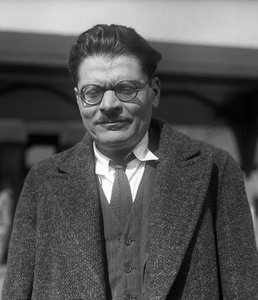
Хосе Клементе Орозко
1883 - 1949 , Мексика
Короткі факти
- Artistic Movement Or Style: Мексиканський муралізм
- Artists Or Movements Influenced By This Artist:
- Густаво Аріас Муреута
- Оскар Салас Моя
- Artists Who Influenced This Artist: ['Хозе Гуадалупе Поса́да']
- Date Of Birth: 23 листопада 1883 р.
- Date Of Death: 7 вересня 1949 р.
- Full Name: José Clemente Orozco
- Nationality: Мексиканський
- Notable Artworks:
- Омнісцієнца
- Бідні
- Кортес і Малінче
- Мексиканські солдати
- Place Of Birth: Місто Гузма́н, Мексика