

 Переглянути в інтер'єрі
 Надіслати
 Поділитися
 Деталі
 Посібник

 Завантажити
 Схожі предмети колекціонування
 Рентгенівське дослідження
 Слайд-шоу
 Статистика переглядів
Joseph Reade
 Oil On Canvas
- WallArt
- Rococo Painting
 1749
1749- Early Modern
 76.0 x 64.0 cm
 Музей Метрополітен
 Читати далі
Олійная репродукція ручної роботи
Написана вручну олією на полотні у вашому розмірі та рамі, виготовлена на замовлення нашими художниками. ( Перейти до друку Перейти до цифрових зображень)




P118B ₴10

P118H ₴10

P118W ₴10

P438Z ₴10

P508JH ₴12

P508YH ₴12

P805H ₴10

P805Z ₴10

P919BZ ₴10

P919G ₴10

P919XJ ₴10

P959ZH ₴10

P968JZ ₴12

W106C ₴8

W218G ₴10

W218JH ₴8

W218Y ₴10

W307PJ ₴10

W316G ₴10

W316PJ ₴8

W316Y ₴10

W398PJ ₴8

W4111J ₴10

W500HY ₴15

W500JH ₴15

W692G ₴12

W849H ₴8

W940BG ₴15

W953PJ ₴8




Обирайте з наших стандартних розмірів, що відповідають оригінальним пропорціям твору мистецтва.

Введіть необхідну ширину та висоту, щоб картина підійшла до вашої рами або стіни. Оскільки це ручний розпис, для розміру іншої форми художник може написати трохи більше навколо картини або трохи обрізати її — вибір за вами. Перед початком роботи ми надішлемо вам цифровий макет для затвердження. Зображення, показане на цій сторінці, не є реальним результатом — лише макет відображає майбутній вигляд.
Після оформлення замовлення команда OriginalUniqueArt.com зв'яжеться з клієнтом електронною поштою для отримання інструкцій та надасть попередній макет
Доставка по всьому світу () за 3–4 тижні замість стандартних 5 тижнів. (25 Жовтень). Без жодних компромісів у якості.

Безкоштовна експрес-доставка по всьому світу

Високоякісне лляне полотно

Повне страхове покриття доставки

Гарантія повернення митних зборів

Гарантія точного відтворення кольорів

Політика повернення протягом 100 днів (лише у разі виявлення дефектів)

Гарантія повернення 100% коштів

Знижка на оптові замовлення
 Скляний варіант доступний лише для розмірів до 110 см

Joseph Reade
Техніка репродукції
Розмір репродукції
-


Загальна вартість
₴ 13463
A Presence in Crimson
The gaze of Joseph Reade meets yours with an unwavering clarity, pulling you into a moment frozen in 1749. He sits with a quiet authority, his posture upright and composed, as if the weight of his political and social responsibilities in New York City rests lightly upon his shoulders. A deep crimson velvet backdrop wraps around him, its heavy texture providing a dark, dramatic stage that pushes his figure forward into the light. This choice of color does more than decorate; it speaks of wealth and the prestige held by a prominent vestryman. Every detail of his attire, from the fine fabric to the subtle play of light on his clothing, suggests a man deeply embedded in the influential circles of his time.
There is a sense of stillness here, yet the painting breathes with life. The way the light diffuses across his face and catches the edges of his features creates an atmosphere of refined grandeur. You find yourself wondering about the thoughts behind that direct stare, a look that conveys both confidence and a calm, settled dignity. The composition focuses entirely on his persona, leaving little room for distraction, ensuring that his character remains the singular point of focus.
The Art of the Rococo Brush
In this work, the hallmarks of the Rococo style emerge through delicate brushstrokes and an obsession with texture. The artist employs oil paint on canvas to achieve a luminous effect, applying thin layers of pigment that allow for subtle gradations of color. This technique brings a soft, almost ethereal quality to the skin tones and the heavy folds of the drapery. One can see the meticulous care taken in rendering the sheen of fabric, a skill that reflects the influence of European traditions brought to the American colonies.
The lighting is soft and diffused, avoiding harsh shadows to maintain a sense of grace and elegance. This approach creates a visual language of luxury, where the tactile nature of the velvet and the fine details of the subject's appearance feel almost touchable. Through this careful blending of tones, the painting captures more than a mere likeness; it captures an essence of composure and the quiet strength of a man navigating the complexities of the Enlightenment era.
Запитання та відповіді
Наскільки насиченими є кольори у «Joseph Reade» John Wollaston?
Кольори в «Joseph Reade» John Wollaston мають Monochromatic інтенсивність.
Який формат друку рекомендується для «Joseph Reade» John Wollaston?
Для репродукції «Joseph Reade» John Wollaston рекомендується розмір Medium з орієнтацією Portrait.
Чи можу я переглянути "Joseph Reade" у форматі повноекранного слайд-шоу?
«Joseph Reade» John Wollaston можна переглянути у форматі слайд-шоу на сторінці Слайд-шоу цього твору.
Біографія митця
The Elegance of the Atlantic: The Life and Legacy of John Wollaston
In the mid-eighteenth century, as the American colonies began to stir with a burgeoning sense of identity, a sophisticated breeze from London arrived on their shores, carried by the brush of John Wollaston. A painter of profound grace and technical finesse, Wollaston stands as a singular figure in the annals of American art history—a British master who irrevocably shaped the aesthetic landscape of the colonies. While later giants like Benjamin West and Gilbert Stuart would command the spotlight of American portraiture, Wollaston’s true contribution lies in his role as a pioneer, introducing the delicate elegance and shimmering sophistication of the Rococo style to North America. He was more than a mere chronicler of faces; he was an ambassador of European refinement, marking one of the first instances where a truly continental artistic movement flourished across the Atlantic.
The early life of Wollaston remains shrouded in the soft mists of history, leaving much to the imagination of scholars. Born in London, he was likely the scion of a painter, though the records of his lineage are famously contested. Some accounts identify his father as John Wollaston, while others, drawing from the witty anecdotes of Horace Walpole, suggest the name was originally Woolston—a change made to mirror the era's aristocratic trend of adopting more prestigious titles. While his formal training is not documented in detail, the evidence of his skill is undeniable. The letters of Charles Willson Peale hint that Wollaston studied the intricate art of drapery with a London master, a specialty that would become his hallmark. Whether he was mentored by his father or influenced by the celebrated drapery painter Joseph van Aken, Wollaston emerged with a command over fabric and light that mirrored the finest talents of the British Rococo tradition.
A Vision of Rococo Splendor
Wollaston’s artistic identity was deeply rooted in the English Rococo, a style characterized by its lightness, grace, and an almost tactile obsession with texture. His work bears an unmistakable resemblance to the portraits of Thomas Hudson and Allan Ramsay, capturing not just the likeness of his subjects but the very essence of their social standing. He possessed a remarkable ability to render the heavy sheen of silk, the delicate lace of a collar, and the complex folds of velvet, creating a visual language of luxury that captivated the colonial elite. This mastery of drapery was not merely decorative; it served to imbue his subjects with a sense of movement and vitality, making the static medium of portraiture feel alive and breathing.
His journey across the Atlantic in 1749 marked a transformative chapter for both the artist and the colonies. Settling initially in New York City, Wollaston began a nomadic period of intense creativity, traveling along the Atlantic seaboard to bring the latest London fashions to American patrons. His presence fostered a burgeoning artistic dialogue between Britain and its colonies, establishing a precedent for stylistic experimentation that would resonate through subsequent generations. Despite his travels, Wollaston remained profoundly connected to his English roots. This steadfast identity is poignantly captured in the inscription on the back of his portrait of William Smith, Jr., where he identified himself as "Johnannes Wollaston Londoniensis," a proud declaration of his London origins amidst the American wilderness.
Historical Significance and Lasting Impact
Though his life was tragically short, ending in 1775, the impact of John Wollaston’s career remains etched in the history of early American art. He provided the colonial upper class with a visual mirror that reflected their aspirations toward European sophistication. His ability to translate the high fashion of London into the colonial context allowed for a shared cultural vocabulary between the Old and New Worlds. The following elements define his enduring historical footprint:
- Introduction of Rococo: He was instrumental in transplanting the light, ornamental, and fabric-rich Rococo style from Europe to the American colonies.
- Technical Mastery: His specialized skill in rendering drapery set a new standard for portraiture in North America, influencing the way texture and light were perceived by future generations of painters.
- Cultural Bridge: Through his travels from New York through the southern colonies, he acted as a vital link in the transmission of European aesthetic values to the burgeoning American landscape.
- Foundational Influence: By establishing a precedent for high-style portraiture, he paved the way for the later development of a distinctively American school of painting.
Today, when we look upon the works attributed to Wollaston, we see more than just portraits of the colonial past; we see the arrival of an era of elegance. His brush captured a moment in time when the colonies were beginning to dream of grandeur, and through his art, that dream was rendered in silk, lace, and light.

John Wollaston
1742 - 1775
Довідкова інформація
- Artistic Movement Or Style: Rococo Painting
- Artists Or Movements Influenced By This Artist: ['Baroque Painting']
- Artists Who Influenced This Artist:
- Thomas Hudson
- Allan Ramsay
- Date Of Birth: 1742
- Date Of Death: 1775
- Full Name: John Wollaston
- Nationality: English
- Notable Artworks:
- George Whitefield Portrait
- Officer of the British Navy Portrait
- Thomas Willis Portrait
- Joseph Reade Portrait
- Place Of Birth: London
Схожі статті

Grant Wood & American Regionalism: Identity, Myth & the Rural Landscape
Explore the world of Grant Wood & American Regionalism with OriginalUniqueArt. Discover the symbolism behind 'American Gothic', recurring themes, and the movement's lasting impact on art history. High-quality reproductions available.

Джон Сінґер Са́рджент: 25 шедеврів американського імпресіонізму для вашого дому | OriginalUniqueArt
Відкрийте 25 найкращих картин Джона Сінґера Са́рджента – американського імпресіоніста, майстра портретів та елегантного живопису. Історія мистецтва, техніки та натхнення для вашого дому від OriginalUniqueArt.com! Дослідіть повну колекцію онлайн.
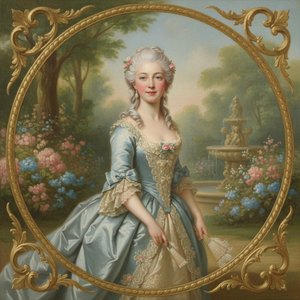
The Elegance of Rococo Portraiture: A Journey Through Grace, Soft Light, and Pastel Dreams
Discover the exquisite world of Rococo portraiture. Explore the delicate beauty of 18th-century French art, from pastel light to graceful asymmetry, and learn how to bring this era of elegance into your home through masterfully hand-painted oil reproductions.

Топ-25 шедеврів Джона Констебла: пейзажі Англії для вашого дому | OriginalUniqueArt
Відкрийте для себе 25 найкращих шедеврів Джона Констебла! Англійські пейзажі, романтизм та емоційне світло в живописі. Репродукції картин високої якості для вашого дому від OriginalUniqueArt.com. Дослідіть повну колекцію онлайн!

Топ-10 шедеврів рококо: мистецтво для вашого інтер'єру від OriginalUniqueArt.com
Відкрийте для себе 10 шедеврів рококо від Буше, Фрагонара та Ватто! Історія мистецтва, вишукані техніки та натхнення для декору вашого дому. Репродукції картин високої якості – OriginalUniqueArt.com.