
 Переглянути в інтер'єрі
 Надіслати як листівку
 Поділитися
 Детальніше

 Завантажити
 Схожі експонати
 Рентгенівське дослідження
 Слайд-шоу
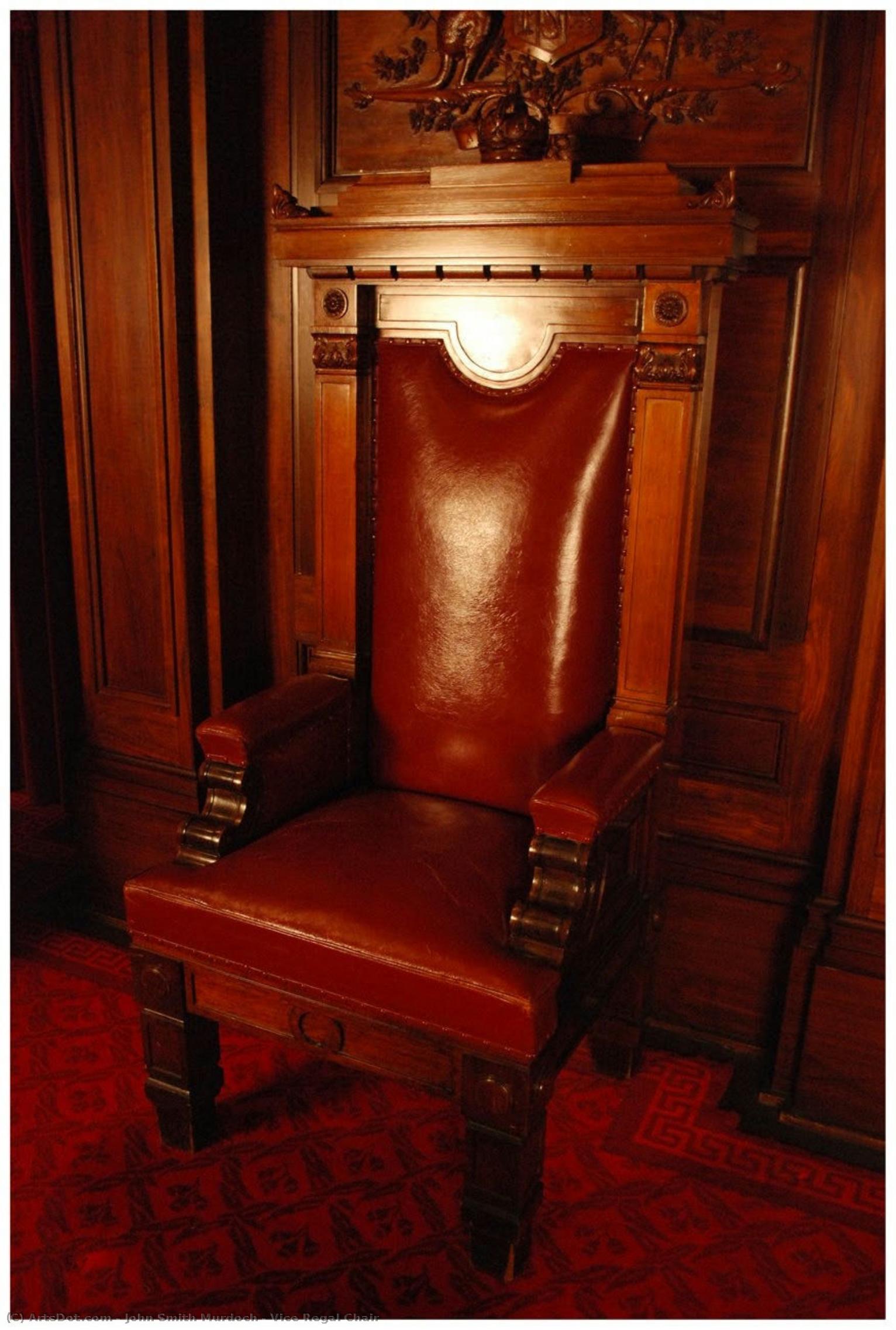
Vice Regal Chair

 Читати далі
Придбайте цифрову копію високої роздільної здатності з покращеною якістю, що значно перевершує онлайн-перегляд.
Кожен файл ретельно підготовлений нашими фахівцями за допомогою сучасних інструментів та професійної ручної ретуші. Ми гарантуємо виняткову чіткість, точну передачу кольору та високу деталізацію кожного зображення.
Фінальний файл надсилається електронною поштою протягом 72 годин і оптимізований для негайного використання у професійних виданнях та друкованих матеріалах. Таку якість обирають провідні дизайнерські студії, видавництва та галереї.
Цифрове зображення
Завантажте файл високої роздільної здатності для особистого використання, друку та творчих проєктів. ( Замовити принт Замовити репродукцію ручної роботи)
Переваги кожного замовлення цифрових зображень
Експертна цифрова доставка з гарантією якості
Обираючи OriginalUniqueArt.com, ви отримуєте не просто зображення — ви отримуєте професійно вдосконалений цифровий витвір мистецтва, створений з надзвичайною точністю та підкріплений гарантією задоволення. Ось усе, що автоматично додається до вашого замовлення:

Швидка доставка на email
Ваш цифровий файл із зображенням високої роздільної здатності буде надісланий вам електронною поштою протягом 72 годин після оформлення замовлення — він буде готовий до негайного використання.

Цифровий файл із покращенням ШІ
Ваш витвір мистецтва професійно оптимізовано за допомогою передових інструментів штучного інтелекту та ручної корекції, що забезпечує максимальну деталізацію, чіткість і точність передачі кольорів.

Безкоштовне повторне завантаження назавжди
Випадково видалили або втратили файл? Не хвилюйтеся — ми надішлемо його вам повторно в будь-який час безкоштовно.

Без митних зборів — ніколи
Насолоджуйтесь вашим витвором мистецтва миттєво без жодних мит, зборів або плати за доставку — цифрові завантаження завжди не оподатковуються.

Гарантія точності кольорів
Ми гарантуємо максимально точне відтворення оригінальних кольорів на вашому цифровому зображенні завдяки використанню професійних інструментів та систем управління кольором.

Гарантія задоволення протягом 60 днів
Якщо ви не задоволені придбаним цифровим зображенням, ми відкоригуємо його або повернемо 100% вартості протягом 60 днів — без жодних запитань.

Гарантія повернення 100% коштів
Не задоволені покупкою? Отримайте повне повернення коштів протягом 60 днів після отримання цифрового файлу — без жодних запитань.

Знижки на оптові замовлення
Купуйте 3 зображення — заощаджуйте 10% — Купуйте 5 — заощаджуйте 15% — Купуйте 10+ — заощаджуйте 20%. Чудово підходить для творчих проєктів, галерей та агентств.
Опис колекційного об'єкта
Біографія митця
John Smith Murdoch: Architect of Canberra and Pioneer of Australian Design
John Smith Murdoch (1862 – 1945) stands as a pivotal figure in the architectural history of Australia, recognized primarily for his leadership role at the Commonwealth Public Works Department and, crucially, for designing Canberra’s Parliament House—a building that embodies the nation's ideals of democracy and civic grandeur. Born in Scotland, Murdoch’s formative years instilled within him a profound appreciation for classical design principles and meticulous craftsmanship, influences that would permeate his entire career.Early Life and Education
Murdoch’s upbringing fostered an intellectual curiosity and a dedication to formal education. He pursued studies at Glasgow University, specializing in architecture, equipping him with the foundational knowledge necessary to excel in his chosen profession. His early involvement with the Glasgow School of Art as a janitor provided invaluable experience within the burgeoning field of design—a connection that would prove enduring throughout his life. This position wasn’t merely custodial; it allowed Murdoch to observe firsthand the evolving landscape of architectural innovation and the importance of public service.Career at the Commonwealth Public Works Department
Murdoch's ascent began in 1904 when he was appointed Chief Architect for the newly established Commonwealth Public Works Department, marking a significant moment in Australian governance and artistic expression. Under his stewardship, the department undertook ambitious projects aimed at shaping the nation’s capital city—Canberra—a deliberate effort to distance Australia from its colonial past and establish a modern center of government. He championed innovative approaches to building design, prioritizing functionality alongside aesthetic beauty, reflecting the broader ethos of the Edwardian era.The Canberra Parliament House Project
Murdoch's legacy rests most prominently upon his role in conceiving and overseeing the construction of Canberra’s Parliament House—a project that commenced in 1913 and culminated in its inauguration in 1927. Collaborating closely with Walter Burley Griffin, Murdoch skillfully blended Griffin’s visionary organic design sensibilities with classical architectural forms, resulting in a building that remains an emblem of Australian identity. The Parliament House embodies the spirit of compromise—a testament to Murdoch's diplomatic skills and his commitment to forging unity amidst diverse perspectives—and continues to serve as a symbol of Australia’s democratic values.Influences and Artistic Style
Murdoch’s architectural style was deeply rooted in Beaux Arts principles, drawing inspiration from European precedents such as the École des Beaux-Arts in Paris. He favored symmetrical layouts, monumental scale, and elaborate ornamentation—techniques that conveyed authority and grandeur while adhering to established aesthetic standards. Furthermore, Murdoch's meticulous attention to detail—evident in the building’s stonework, glazing, and sculptural elements—demonstrated a dedication to craftsmanship and a belief in the transformative power of art.Legacy and Significance
John Smith Murdoch’s contribution to Australian architecture transcends mere construction; it represents a conscious effort to define national identity through artistic expression. His leadership at the Commonwealth Public Works Department fostered a generation of architects committed to shaping Australia's future—a legacy that persists today in Canberra’s enduring architectural splendor. Murdoch’s unwavering belief in classical ideals and his collaborative spirit cemented his place as one of Australia’s most influential figures, ensuring that his vision continues to inspire designers and shape the nation’s cultural heritage.
john smith murdoch
1862 - 1945 , Scotland
Основна інформація
- Artistic Movement Or Style: Architecture
- Artists Or Movements Influenced By This Artist: ['']
- Artists Who Influenced This Artist: ['']
- Date Of Birth: 1862
- Date Of Death: 1945
- Full Name: John Smith Murdoch
- Nationality: Scottish
- Notable Artworks: ['Canberra Parliament House']
- Place Of Birth: Scotland

