

 Переглянути в інтер'єрі
 Надіслати
 Поділитися
 Деталі
 Посібник

 Завантажити
 Схожі предмети колекціонування
 Рентгенівське дослідження
 Слайд-шоу
 Статистика переглядів
At The Cottage Gate

 Читати далі
Олійная репродукція ручної роботи
Написана вручну олією на полотні у вашому розмірі та рамі, виготовлена на замовлення нашими художниками. ( Перейти до друку Перейти до цифрових зображень)




































Обирайте з наших стандартних розмірів, що відповідають оригінальним пропорціям твору мистецтва.

Введіть необхідну ширину та висоту, щоб картина підійшла до вашої рами або стіни. Оскільки це ручний розпис, для розміру іншої форми художник може написати трохи більше навколо картини або трохи обрізати її — вибір за вами. Перед початком роботи ми надішлемо вам цифровий макет для затвердження. Зображення, показане на цій сторінці, не є реальним результатом — лише макет відображає майбутній вигляд.
Після оформлення замовлення команда OriginalUniqueArt.com зв'яжеться з клієнтом електронною поштою для отримання інструкцій та надасть попередній макет
Доставка по всьому світу () за 3–4 тижні замість стандартних 5 тижнів. (22 Жовтень). Без жодних компромісів у якості.

Безкоштовна експрес-доставка по всьому світу

Високоякісне лляне полотно

Повне страхове покриття доставки

Гарантія повернення митних зборів

Гарантія точного відтворення кольорів

Політика повернення протягом 100 днів (лише у разі виявлення дефектів)

Гарантія повернення 100% коштів

Знижка на оптові замовлення
 Скляний варіант доступний лише для розмірів до 110 см

At The Cottage Gate
Техніка репродукції
Розмір репродукції
-


Загальна вартість
₴ 15703
A Glimpse into Domestic Serenity: “At The Cottage Gate”
This captivating oil painting transports viewers to a tranquil rural scene, embodying the romantic ideals of family life and connection with nature. “At The Cottage Gate” depicts a mother accompanied by her two young children and their loyal dog, poised at the entrance to a charming cottage. The composition is carefully balanced, drawing the eye along a winding path that suggests journeys both literal and metaphorical. It’s a scene steeped in warmth and intimacy, evoking a sense of peaceful contentment.Style & Technique: Echoes of the Hudson River School
The artwork exhibits stylistic characteristics reminiscent of the Hudson River School, particularly its emphasis on realistic depictions of landscapes and atmospheric light. The artist, John Linnell, masterfully employs a glazing technique to create soft textures and luminous effects. Organic lines define the natural elements – trees, foliage, and figures – while shapes remain largely naturalistic.- Medium: Oil on Canvas
- Style: Romantic Realism with Hudson River School influences.
- Key Features: Layered oil paint, diffused lighting, balanced composition.
Historical Context & Symbolism
Painted during a period of increasing industrialization, “At The Cottage Gate” represents a nostalgic yearning for simpler times and the virtues of rural life. The family itself symbolizes stability, heritage, and the enduring bonds of kinship. The cottage, nestled within the natural landscape, evokes themes of innocence, pastoral beauty, and refuge from the complexities of modern society. The winding path can be interpreted as a representation of life’s journey, while the dog embodies loyalty and companionship. Linnell's work often reflects a deep appreciation for English countryside traditions.Emotional Impact & Interior Design Considerations
“At The Cottage Gate” radiates a sense of calm and emotional warmth, making it an ideal addition to homes seeking a touch of serenity. Its warm earth tones – browns, greens, and ochres, accented with subtle reds and golds – create a welcoming atmosphere. This piece would complement interiors decorated in traditional, country, or transitional styles. Consider placing it within a living room, dining area, or bedroom to foster a sense of peace and connection. The artwork’s balanced composition and inviting subject matter make it a focal point that will be cherished for years to come.Запитання та відповіді
Загалом, «At The Cottage Gate» є більш світлою чи темною?
Зафіксовані значення для «At The Cottage Gate» Джон Ліннелл: яскравість — тінь, світловий потік — М'яка тінь.
Чи можу я скористатися доповненою реальністю, щоб побачити «At The Cottage Gate» Джон Ліннелл у своїй кімнаті?
Сторінка AR-перегляд для твору «At The Cottage Gate» Джон Ліннелл використовує технологію доповненої реальності, щоб показати витвір у вашому власному просторі за допомогою сумісного пристрою.
Який формат у "At The Cottage Gate"?
«At The Cottage Gate» Джон Ліннелл — це композиція у форматі Альбомна орієнтація. Перед вибором розміру друку варто перевірити пропорції.
Біографія митця
John Linnell: A British Painter of Rural Scenes and Portraits
John Linnell, a name perhaps less familiar than some of his contemporaries, nevertheless holds a significant place in the history of 19th-century British art. Born in Bloomsbury, London, in 1792, he embarked on an artistic journey marked by rigorous training and a unique ability to capture the essence of both rural landscapes and intimate portraits. His work, characterized by a delicate balance between traditional techniques and subtle modern influences, continues to resonate with viewers today. Linnell’s legacy lies not just in his individual paintings but also in his role as a bridge between established artistic conventions and emerging stylistic trends.
Early Life and Artistic Foundations
Linnell's early life provided him with an exceptional foundation for his future career. He was born into a family involved in crafts and artistry, exposing him to the world of visual creation from a young age. While precise details of his formal education remain somewhat elusive – records are scarce – it’s clear he received instruction that emphasized traditional methods. His early works, though not widely exhibited during his lifetime, already demonstrated an innate talent and a keen eye for detail. Linnell was profoundly influenced by the masters of the past, particularly Leonardo da Vinci and Vincent van Gogh, whose innovative approaches to color and composition undoubtedly shaped his own artistic vision. Interestingly, OriginalUniqueArt.com offers a glimpse into this influence, showcasing reproductions of works that clearly informed his style.
A Distinctive Artistic Style
Linnell’s artistic style is immediately recognizable as a captivating blend of traditional British art with subtle hints of modernity. He possessed an extraordinary ability to render the world around him with remarkable precision, capturing not just the outward appearance but also the underlying mood and atmosphere of his subjects. His use of color was particularly noteworthy – often employing muted tones and delicate gradations to create a sense of depth and realism. Texture played a crucial role in his work as well, adding tactile quality to landscapes and portraits alike. Linnell’s compositions were carefully considered, guiding the viewer's eye through each scene with an intuitive grace. His paintings frequently evoke a feeling of nostalgia for a bygone era, transporting viewers back to the serene beauty of rural England.
Notable Works and Artistic Achievements
Linnell’s oeuvre is rich in diverse subjects, ranging from idyllic landscapes to poignant portraits. Several works stand out as particularly noteworthy examples of his skill and artistry. “The Poet’s Garden”, for instance, masterfully captures the interplay of light and shadow within a natural setting, drawing comparisons to the evocative paintings of Pierre-Auguste Renoir. “Westminster Abbey at Night” demonstrates his talent for depicting urban landscapes with atmospheric depth, reminiscent of the works of George Stubbs and Arthur Hacker. The portrait “Baby Marcelle Roulin” is celebrated for its ability to convey innocence and beauty, while pieces like “Cap d’Antibes” and “Haying And Playing” offer serene glimpses into rural life. His portraits – such as “Doctor Robert Walker,” “Richard Trevithick,” and “General John Le Mesurier And His Wife Martha With A Legal Representative Of The British Government At The Handing Over Of The Island Of Alderney” – are distinguished by their realism, dramatic lighting, and ability to capture the individual character of his subjects. Even more evocative works like “Job Offering A Sacrifice On His Return To Prosperity” and “A Cottage In A Wooded Landscape” reveal a deep understanding of symbolism and narrative.
Historical Context and Legacy
John Linnell’s work reflects the social and cultural landscape of 19th-century Britain. He skillfully documented everyday life – rural scenes, portraits of prominent figures – with an artistic sensibility that went beyond mere representation. His paintings offer valuable insights into the values, beliefs, and customs of his time. Linnell's influence extended beyond his own creations; he was a respected engraver as well, further demonstrating his versatility and commitment to visual arts. Today, Linnell’s legacy is preserved through reproductions available on platforms like OriginalUniqueArt.com, ensuring that his art continues to be appreciated by audiences worldwide. His unique style—a harmonious blend of tradition and innovation—solidifies his place as a significant figure in the development of British painting.

Джон Ліннелл
1959 - 1882 , Великобританія
Довідкова інформація
- Artistic Movement Or Style: Традиційне британське мистецтво
- Artists Who Influenced This Artist:
- Леонардо да Вінчі
- Вінсент ван Гог
- Date Of Birth: 1959
- Date Of Death: 1882
- Full Name: John Sidney Linnell
- Nationality: Британський
- Notable Artworks:
- Сад поета
- Вестмінстерський собор вночі
- Маленька Маркель Рулен
- Place Of Birth: Блумсбері, Великобританія
Схожі статті
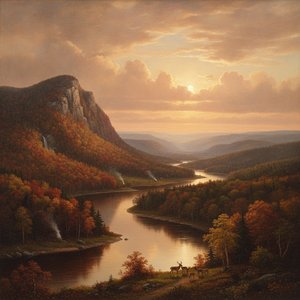
The Hudson River School: A Definitive Guide to America's Romantic Landscape Tradition
Explore the profound legacy of the Hudson River School. Discover how masters like Thomas Cole captured the American sublime through Romanticism and Luminism. A definitive guide for art historians and collectors seeking to understand America's wild beauty.

10 шедеврів школи Гудзона: пейзажі, що змінили американське мистецтво | OriginalUniqueArt
Відкрийте для себе 10 шедеврів школи Гудзона – Томаса Коула, Фредеріка Черча та інших. Романтичні пейзажі Америки, що захоплюють дух! Репродукції картин преміум-класу для вашого інтер'єру на OriginalUniqueArt.com

Топ-25 шедеврів Джона Констебла: пейзажі Англії для вашого дому | OriginalUniqueArt
Відкрийте для себе 25 найкращих шедеврів Джона Констебла! Англійські пейзажі, романтизм та емоційне світло в живописі. Репродукції картин високої якості для вашого дому від OriginalUniqueArt.com. Дослідіть повну колекцію онлайн!

The Sublime Landscape: Exploring the Hudson River School Movement
Explore the captivating world of the Hudson River School! Discover the history, artists, and defining characteristics of this iconic American art movement. Learn about Romanticism's influence & find inspiration for your collection.

Топ-10 шедеврів романтичного пейзажу: мистецтво, що захоплює дух | OriginalUniqueArt
Відкрийте для себе 10 шедеврів романтичного пейзажу! Каспар Давид Фрідріх, Тернер та інші майстри. Історія мистецтва, емоційні кольори природи та ідеї декору з OriginalUniqueArt.com. Дослідіть колекцію онлайн!


