
 Переглянути в інтер'єрі
 Надіслати як листівку
 Поділитися
 Детальніше

 Завантажити
 Схожі експонати
 Рентгенівське дослідження
 Слайд-шоу
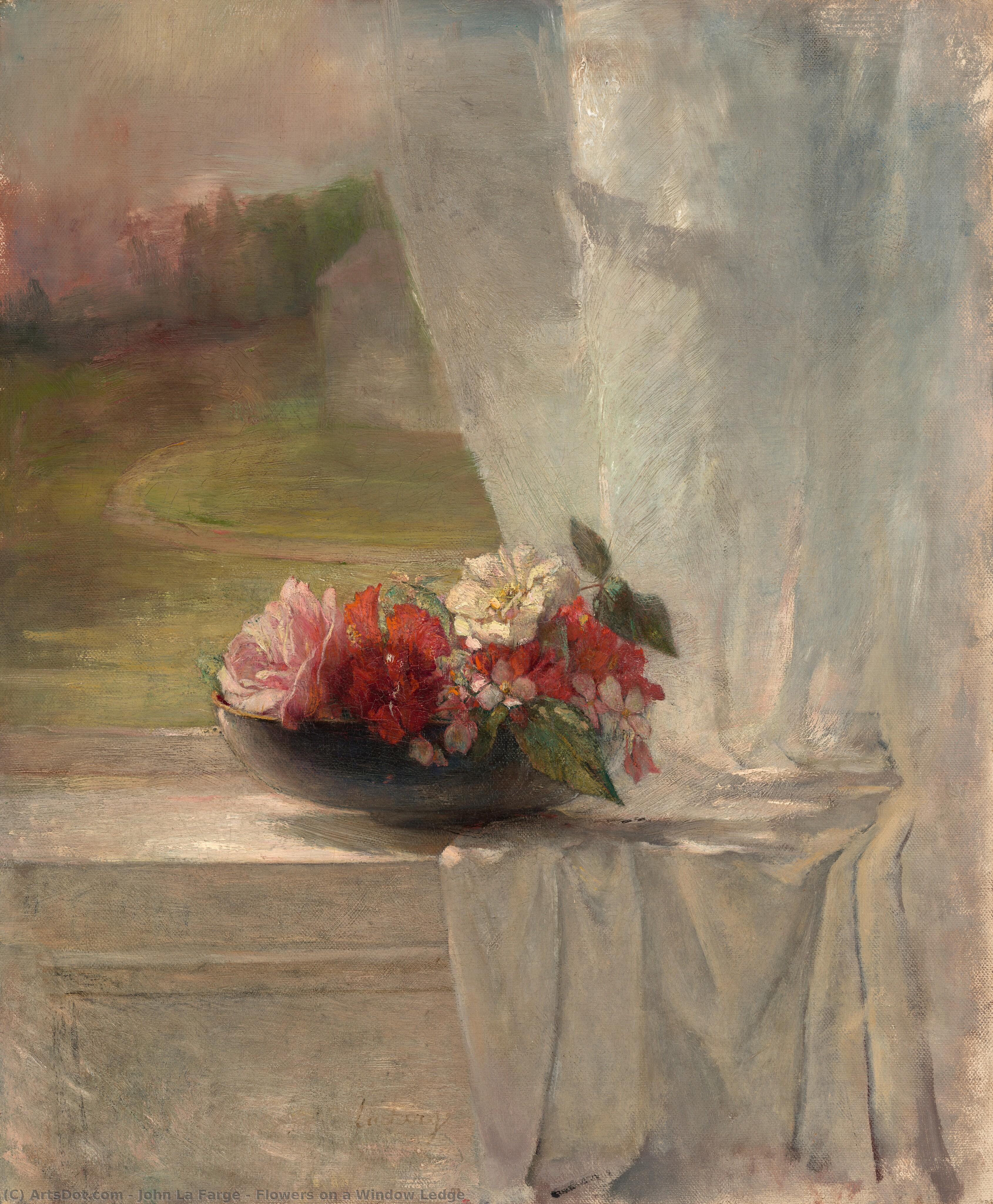
Flowers on a Window Ledge
 Oil
Oil- WallArt
- Impressionism
 1861
1861- 19th Century
 76.0 x 66.0 cm
 Читати далі
Гікле / Художній принт
Музейна якість друку جيкле або на полотні з оперативним виготовленням та різноманітними варіантами фінішної обробки. ( Замовити репродукцію ручної роботи Купити цифрове зображення)




P118B $10

P118H $10

P118W $10

P438Z $10

P508JH $12

P508YH $12

P805H $10

P805Z $10

P919BZ $10

P919G $10

P919XJ $10

P959ZH $10

P968JZ $12

W106C $8

W218G $10

W218JH $8

W218Y $10

W307PJ $10

W316G $10

W316PJ $8

W316Y $10

W398PJ $8

W4111J $10

W500HY $15

W500JH $15

W692G $12

W849H $8

W940BG $15

W953PJ $8




Обирайте з наших стандартних розмірів, що відповідають оригінальним пропорціям твору мистецтва.

Ви можете вказати власні розміри, щоб репродукція ідеально підійшла до конкретної рами або інтер'єру. Якщо обраний вами розмір не відповідає пропорціям оригіналу, ми або обріжемо полотно, або розширимо зображення за допомогою дзеркального відображення чи суцільної заливки країв. Перед початком виробництва вам буде надіслано цифровий макет для затвердження.
Будь ласка, зверніть увагу, що попередній перегляд на екрані не відображає фактичне обрізання або розширення. Тільки макет точно покаже фінальну композицію.
Хоча можливість замовлення індивідуальних розмірів доступна, ми рекомендуємо обирати формат із попередньо визначеного списку, щоб зберегти оригінальні пропорції.
Доставка по всьому світу () за 2 тижні замість стандартних 4/5 тижнів. (19 Серпень)

Безкоштовна експрес-доставка по всьому світу

Високоякісне лляне полотно

Повне страхове покриття доставки

Гарантія відшкодування митних зборів

Гарантія точного відтворення кольорів

Політика повернення протягом 60 днів (лише у разі виявлення дефектів)

Гарантія повернення 100% коштів

Пропозиція на оптові замовлення
 Скляний варіант доступний лише для розмірів до 110 см

Flowers on a Window Ledge
Гікле / Художній принт
Розмір репродукції
-


Підсумкова вартість
$ 80
Опис експоната
A Symphony of Light and Petals
In the quiet intimacy of John La Farge’s 1861 masterpiece, Flowers on a Window Ledge, the viewer is invited into a moment of profound stillness and luminous beauty. This vertical still life serves as a breathtaking window into a world where nature and light perform a delicate dance. At the heart of the composition sits a shallow, slate-gray bowl, cradling an exquisite arrangement of shell-pink and ruby-red blossoms nestled among deep pine-green foliage. The painting captures more than just a floral arrangement; it captures the very essence of a sun-drenched afternoon. As sunlight filters through the scene, it dances across the petals, highlighting a singular white flower and a blush-pink rose with a brilliance that feels almost tactile. This interplay of light and shadow creates a sense of depth and vitality, making the flowers appear as though they are breathing within their quiet sanctuary.
The composition is masterfully balanced, utilizing the structural elements of the window to guide the eye through a layered narrative. A soft, white curtain drapes elegantly over the right side of the frame, pooling upon the sill with a weightless grace that suggests a gentle summer breeze. This textile element provides a bright, neutral counterpoint to the vibrant reds and pinks of the bouquet, while also acting as a bridge between the interior intimacy of the room and the expansive world beyond. The window ledge itself, positioned about a third of the way up the canvas, serves as a threshold between the domestic and the wild, the controlled beauty of the garden in a bowl and the untamed landscape stretching toward the horizon.
The Artistry of Atmosphere and Landscape
Beyond the immediate allure of the floral subject, La Farge employs a sophisticated technique to evoke a sense of atmospheric perspective. Through the open window, the eye travels across a pastoral dreamscape: a tawny-brown path winds through a lush, pale green lawn, leading toward an ivory-colored house that sits nestled in the distance. The sky above undergoes a poetic transformation, shifting from a silvery blue to a soft, light mauve pink as it meets the distant trees lining the horizon. This subtle gradation of color not only provides a sense of immense scale but also imbues the painting with a melancholic, nostalgic beauty—a hallmark of the mid-19th-century American aesthetic.
For the discerning collector or interior designer, this piece offers an unparalleled opportunity to introduce a sense of tranquility and classical elegance into a living space. The painting’s palette—a sophisticated blend of warm pinks, deep greens, and ethereal blues—is versatile enough to complement both traditional and contemporary decors. A high-quality reproduction of this work does more than decorate a wall; it creates an emotional focal point that invites contemplation. It brings the restorative power of nature indoors, offering a permanent window into a serene, sunlit afternoon that remains eternally captured in La Farge’s masterful brushwork.
Біографія митця
A Luminary of American Art: The Life and Legacy of John La Farge
John La Farge, born in New York City in 1835 to wealthy French parents, emerged as a pivotal figure in the evolution of late 19th and early 20th-century American art. His journey was one of constant exploration and innovation, spanning painting, mural design, stained glass artistry, interior decoration, and insightful writing on his travels—particularly those to Asia. Raised bilingually, La Farge’s upbringing instilled in him a cosmopolitan sensibility that would profoundly shape his artistic vision. He initially pursued legal studies but soon gravitated towards the world of art, studying first at Mount St. Mary's University and then at St. John's College (now Fordham University). A formative period followed with training under Thomas Couture in Paris, where he absorbed European artistic traditions while simultaneously developing a uniquely American aesthetic. This early exposure to both Old World mastery and his own burgeoning originality laid the foundation for a career marked by groundbreaking techniques and a distinctive style. La Farge’s artistic output was remarkably diverse, yet consistently characterized by an intense focus on color and light. He began to gain recognition with his illustrations and landscapes, but it was in the realm of mural painting that he first made a significant impact. Commissions for churches like Trinity Church in Boston (1873) and the Church of the Ascension in New York showcased his ability to create luminous, spiritually evocative spaces. These murals weren’t merely decorative; they were intended to transport viewers into realms of faith and beauty, utilizing rich color palettes and dynamic compositions. However, La Farge’s most enduring legacy lies in his revolutionary work with stained glass. Dissatisfied with the conventional methods of the time—often relying on mass-produced designs and limited color ranges—he pioneered a technique involving superimposing multiple layers of colored glass—a process for which he received a patent in 1880. This innovation allowed him to achieve an unprecedented richness and depth of color, transforming stained glass from a merely decorative element into a powerful medium for artistic expression. His windows weren’t simply representations; they were immersive experiences of light and hue, capturing the essence of biblical scenes or natural landscapes with breathtaking realism and emotional resonance. The influence of Japanese art and culture played a crucial role in shaping La Farge's aesthetic sensibilities during this period. Inspired by his travels to Asia—particularly Japan—he became fascinated by the principles of asymmetry, flattened perspectives, and a refined sense of color that characterized traditional Japanese design. He meticulously documented his observations in writings and incorporated elements of Japanese aesthetics into his own work, moving away from the rigid formality of Western art towards a more fluid and expressive style. This embrace of Eastern influences wasn’t merely imitative; La Farge synthesized these influences with his existing artistic vocabulary to create something entirely new—a uniquely American interpretation of beauty informed by both European tradition and Asian wisdom. His studio at 51 West 10th Street in Greenwich Village became a hub for artists interested in exploring non-Western art forms, fostering a spirit of experimentation and cross-cultural exchange. He wasn’t alone in this pursuit—artists like James McNeill Whistler were also captivated by Japanese aesthetics—but La Farge distinguished himself through his ability to seamlessly integrate these influences into his diverse artistic practice. The sacred grove, a forested area in Rhode Island where he painted many mythological scenes, became a personal sanctuary reflecting his spiritual and artistic explorations. Beyond his technical innovations and aesthetic influences, La Farge was also a dedicated advocate for the arts and a vocal critic of academic conservatism. He challenged the established norms of the art world by championing artistic freedom and innovation. In 1877, he co-founded the Society of American Artists as an alternative to the perceived rigidity of the National Academy of Design, advocating for a more open and inclusive approach to artmaking. This commitment to artistic experimentation extended beyond his own work; La Farge actively mentored young artists, encouraging them to push boundaries and explore new possibilities. His influence can be seen in the work of subsequent generations of artists, particularly those associated with the Arts and Crafts movement and Symbolism—artists who shared his belief in the importance of craftsmanship, spiritual expression, and a rejection of purely decorative art. He served as an instructor at the Metropolitan Museum of Art Schools, imparting his knowledge and passion for art to countless students. La Farge’s legacy extends far beyond his individual artworks; he was a significant cultural figure who helped shape the development of American art in the late 19th and early 20th centuries. His contributions to stained glass, mural painting, and interior design—combined with his insightful writings and his commitment to artistic innovation—solidify his place as one of the most influential artists of his time. His final years were marked by continued creativity and a deep appreciation for the beauty he had brought into the world. His interment is at Green-Wood Cemetery in Brooklyn, New York.Beyond the Canvas: Writings and Family
- Literary Contributions: La Farge was not only a visual artist but also a gifted writer. His travelogues, particularly *An Artist’s Letters from Japan* (1897), offered insightful observations on Japanese culture and art, contributing to a growing Western appreciation for Eastern aesthetics.
- Family Legacy: The La Farge family continued to contribute to the arts and humanities. His son, Oliver Hazard Perry La Farge II, became a renowned anthropologist and writer, focusing on Native American cultures and winning a Pulitzer Prize for his novel *Laughing Boy* (1929).
- Final Years: In his later years, La Farge continued to work prolifically, creating murals even into his seventies. He died at Butler Hospital in Providence, Rhode Island, leaving behind a body of work that continues to inspire and captivate audiences today.

Джон Ла Фарж
1835 - 1910 , США
Короткі факти
- Artistic Movement Or Style: Символізм, Arts & Crafts
- Artists Or Movements Influenced By This Artist: ['М. Окей Девінг']
- Artists Who Influenced This Artist: ['Т. Кутурье']
- Date Of Birth: 31 квiтня 1835
- Date Of Death: 14 липн 1910
- Full Name: John La Farge
- Nationality: Американський
- Notable Artworks:
- Трініті-церква
- Масла
- Вітраж
- Place Of Birth: Нью-Йорк, США
Пов'язані статті
Топ-10 шедеврів живопису в ніжно-рожевих тонах: мистецтво світла та кольору від OriginalUniqueArt
Пориньте у світ ніжності! Топ-10 знаменитих картин в рожевих тонах від Моне, Ренуара та інших майстрів. Історія мистецтва, декор стін та ексклюзивні репродукції на OriginalUniqueArt.com. Відкрийте всю колекцію онлайн!
Топ-10 шедеврів у відтінках пилової троянди: мистецтво для вашого дому | OriginalUniqueArt
Відкрийте для себе 10 найвідоміших картин у ніжних відтінках пилової троянди! Історія Моне, Ренуара та інших майстрів імпресіонізму. Купіть репродукції картин преміум-якості для вашого дому на OriginalUniqueArt.com
Guy Rose: Luminism, Impressionism & the Californian Aesthetic – A Comprehensive Exploration of Life and Legacy
Explore the life & art of Guy Rose, a leading American Impressionist painter. Discover his luminous California landscapes, Giverny scenes, and enduring legacy. A comprehensive guide for collectors & enthusiasts.
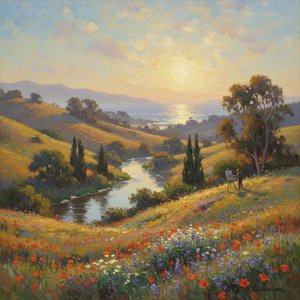
Guy Orlando Rose: Capturing California's Luminosity in American Impressionism
Explore the luminous landscapes of Guy Orlando Rose, a leading American Impressionist painter deeply influenced by Monet. Discover his mastery of light, atmospheric perspective & California scenes. Learn about his legacy and find high-quality reproductions.
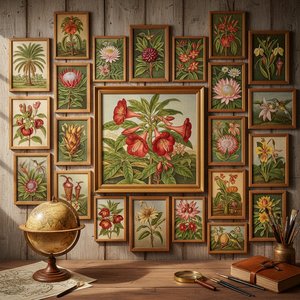
Топ-25 шедеврів Маріанни Норт: екзотична краса природи в інтер'єрі | OriginalUniqueArt
Відкрийте для себе 25 захопливих шедеврів Маріанни Норт! Екзотичні рослини, ботанічна ілюстрація та вікторіанський живопис в унікальних картинах. Придбайте репродукції високої якості для вашого інтер'єру на OriginalUniqueArt.com.

