
 Переглянути в інтер'єрі
 Надіслати
 Поділитися
 Деталі
 Посібник

 Завантажити
 Схожі предмети колекціонування
 Рентгенівське дослідження
 Слайд-шоу
 Статистика переглядів
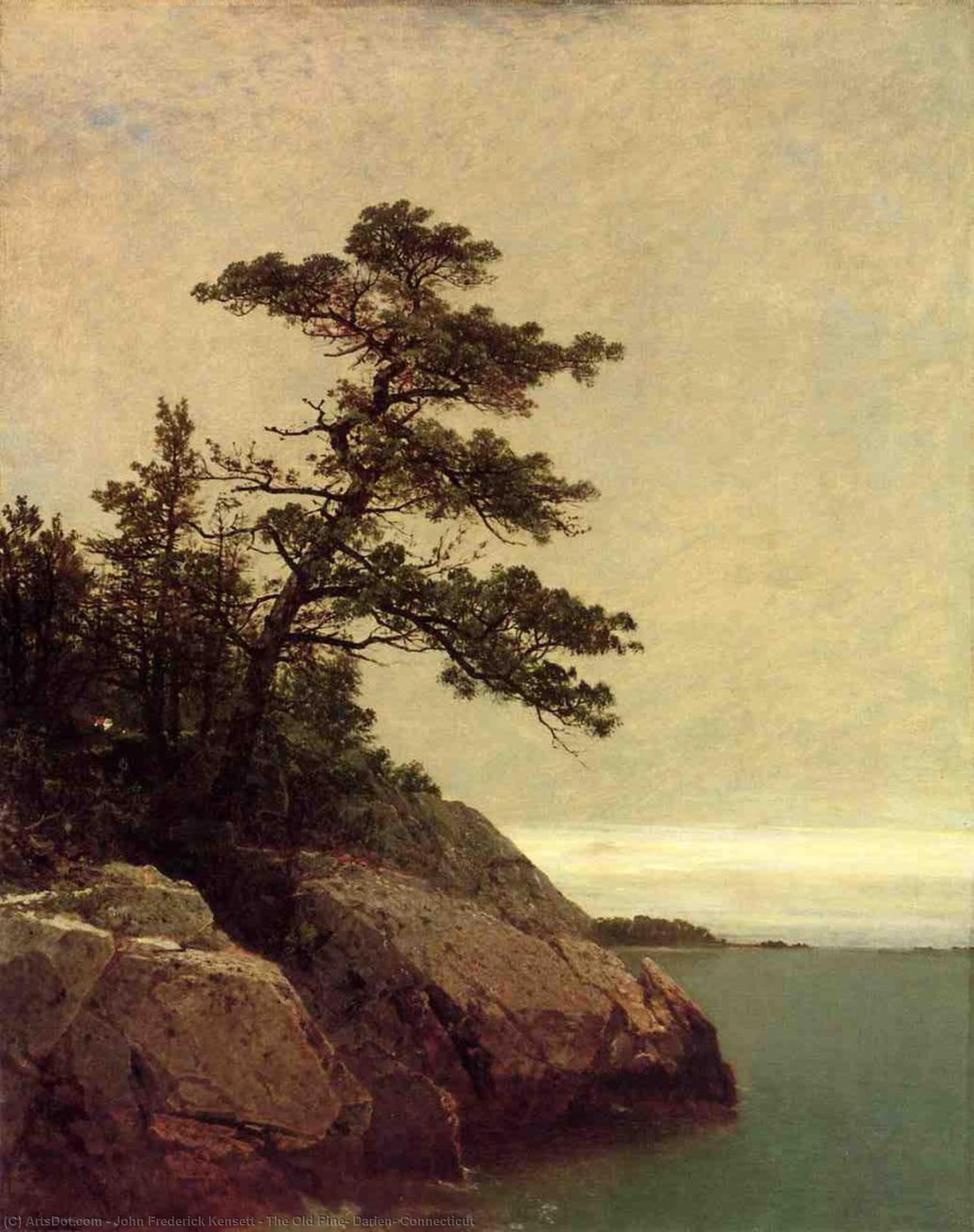
The Old Pine, Darien, Connecticut


 Читати далі
Придбайте цифрову копію високої роздільної здатності з покращеною якістю, що значно перевершує онлайн-перегляд.
Кожен файл ретельно підготовлений нашими фахівцями за допомогою сучасних інструментів та професійної ручної ретуші. Ми гарантуємо виняткову чіткість, точну передачу кольору та високу деталізацію кожного зображення.
Фінальний файл надсилається електронною поштою протягом 72 годин і оптимізований для негайного використання у професійних виданнях та друкованих матеріалах. Таку якість обирають провідні дизайнерські студії, видавництва та галереї.
Цифрове зображення
Завантажте файл високої роздільної здатності для особистого використання, друку та творчих проєктів. ( Перейти до друку Купити картину ручної роботи)
Що входить у кожне замовлення цифрових зображень
Експертна цифрова доставка з гарантією якості
Обираючи OriginalUniqueArt.com, ви отримуєте не просто зображення — ви отримуєте професійно вдосконалений цифровий витвір мистецтва, створений з надзвичайною точністю та підкріплений гарантією задоволення. Ось усе, що автоматично додається до вашого замовлення:

Швидка доставка на email
Ваш цифровий файл із зображенням високої роздільної здатності буде надісланий вам електронною поштою протягом 72 годин після оформлення замовлення — він буде готовий до негайного використання.

Цифровий файл із покращенням ШІ
Ваш витвір мистецтва професійно оптимізовано за допомогою передових інструментів штучного інтелекту та ручної корекції, що забезпечує максимальну деталізацію, чіткість і точність передачі кольорів.

Безкоштовне повторне завантаження назавжди
Випадково видалили або втратили файл? Не хвилюйтеся — ми надішлемо його вам повторно в будь-який час безкоштовно.

Без митних зборів — завжди
Насолоджуйтесь вашим витвором мистецтва миттєво без жодних мит, зборів або плати за доставку — цифрові завантаження завжди не оподатковуються.

Гарантія точності кольорів
Ми гарантуємо максимально точне відтворення оригінальних кольорів на вашому цифровому зображенні завдяки використанню професійних інструментів та систем управління кольором.

100-денна гарантія задоволення клієнта
Якщо ви не задоволені придбаним цифровим зображенням, ми внесемо правки або повернемо 100% вартості протягом 100 днів — без зайвих запитань.

Гарантія повернення 100% коштів
Незадоволені покупкою? Отримайте повне повернення коштів протягом 100 днів після отримання цифрового файлу — без зайвих запитань.

Знижки на оптові замовлення
Купуйте 3 зображення — заощаджуйте 10% — Купуйте 5 — заощаджуйте 15% — Купуйте 10+ — заощаджуйте 20%. Чудово підходить для творчих проєктів, галерей та агентств.
A Moment Frozen in Light: Exploring John Frederick Kensett’s “The Old Pine”
John Frederick Kensett (1816–1872), a pivotal figure in the Hudson River School and Luminist movement, possessed an unparalleled ability to distill the essence of American landscape into exquisitely rendered paintings. His work transcends mere depiction; it strives for a profound communion with nature, capturing not just what is seen but also how it feels—a stillness imbued with radiant luminosity that continues to captivate viewers today. “The Old Pine,” painted in 1872 during his final summer on Long Island Sound off Darien, Connecticut, exemplifies this artistic philosophy perfectly.Subject Matter and Composition: A Study in Tranquility
At first glance, the painting presents a deceptively simple scene: a solitary pine tree perched precariously on a cliff edge overlooking the expansive ocean. However, Kensett’s meticulous observation reveals layers of detail—the rugged coastline punctuated by weathered rocks—that contribute to an overall impression of austere beauty and resilience. The artist deliberately eschewed grand vistas or dramatic narratives, opting instead for a focused portrayal of a single tree against the backdrop of atmospheric light. This deliberate restraint serves not to diminish the scene’s impact but rather to heighten its contemplative quality.Luminist Technique: Capturing Transient Light
Kensett's signature style—luminism—was born from a fascination with capturing fleeting moments of natural illumination. Unlike his predecessors who often employed dramatic chiaroscuro effects, Kensett favored subtle gradations of color and tone to convey the ethereal quality of sunlight filtering through foliage. The artist achieved this remarkable feat through painstaking layering of thin glazes – applying multiple coats of translucent paint—allowing each subsequent layer to subtly modify the hue and intensity of light reflected from beneath. This technique is particularly evident in the dappled illumination that dances across the pine needles, creating an illusion of movement and vibrancy despite the stillness of the composition.Historical Context: Transcendentalism and the American Spirit
“The Old Pine” emerged during a period marked by intellectual ferment—the Transcendentalist movement championed by Ralph Waldo Emerson and Henry David Thoreau—which profoundly influenced American art and thought. These thinkers believed in the inherent goodness of humanity and the interconnectedness of all things, advocating for a return to nature as a source of spiritual renewal. Kensett’s painting embodies this ethos, reflecting the broader cultural preoccupation with capturing sublime beauty and conveying a sense of awe before the grandeur of the natural world. It speaks to an ideal of American identity rooted in simplicity, contemplation, and reverence for the unspoiled landscapes of the nation.Symbolism: Resilience Amidst Decay
The pine tree itself holds significant symbolic weight within Western tradition—representing longevity, perseverance, and spiritual fortitude. Its weathered trunk and sparse foliage serve as a poignant reminder of the passage of time and the inevitability of decay, yet it stands tall against the turbulent sea winds, symbolizing resilience and unwavering faith in the face of adversity. Kensett’s deliberate choice to depict this tree—a symbol of enduring strength—underscores the painting's overarching message: beauty can be found even in solitude and vulnerability, and true artistry lies in capturing the profound emotional resonance of natural phenomena.Emotional Impact: A Balm for the Soul
Ultimately, “The Old Pine” transcends mere visual representation; it aspires to evoke a feeling of serenity and contemplation within the viewer. The painting’s luminous palette and harmonious composition invite us to pause, breathe deeply, and appreciate the quiet grandeur of the natural world—a balm for the anxieties of modern life that continues to resonate with audiences today. It is a testament to Kensett's mastery of Luminist technique and his unwavering commitment to conveying the sublime beauty of American landscape.Біографія митця
A Life Dedicated to Capturing Serene Landscapes
John Frederick Kensett, an American artist and engraver, was born on March 22, 1816, in Cheshire, Connecticut. As a member of the second generation of the Hudson River School of artists, his signature works are characterized by their serene and luminous qualities, celebrating the transcendental aspects of nature. His art sought to capture not just the visual appearance of landscapes but also the feeling of being immersed within them—a profound connection with the natural world that resonated deeply with the artistic sensibilities of his time.Early Life and Artistic Foundations
Kensett’s early life was steeped in the craft of engraving. He attended Cheshire Academy and, under the tutelage of his father, Thomas Kensett – a skilled banknote engraver – and his uncle, Alfred Daggett, he honed his technical skills in this meticulous art form. Initially, he worked as an engraver in New Haven until 1838, mastering intricate detail and precise line work. However, a growing desire to express himself through painting eventually led him to move to New York City, where he found employment engraving banknotes. This period of commercial artistry provided valuable experience but ultimately fueled his yearning for a more creative outlet. A pivotal moment in his artistic development came in 1840 when he embarked on a journey to Europe, seeking inspiration and refinement alongside fellow artists like Benjamin Champney.European Influences and the Development of Luminism
His time in England and France proved transformative. He studied the works of masters at the National Gallery and the Dulwich College collection, absorbing techniques and perspectives that would later inform his own style. Crucially, he connected with a vibrant artistic community, including Thomas Cole, who shared a similar vision for American landscape painting. This exposure to European art, combined with the influence of Transcendentalist philosophy—emphasizing intuition and connection with nature—led Kensett to develop what is now recognized as “luminism.” Luminism wasn’t simply about depicting light; it was about capturing its *quality* – the subtle gradations, atmospheric effects, and almost ethereal glow that define a landscape. His brushstrokes became looser, more suggestive, conveying an impression of light rather than meticulously rendering every detail.Establishing a Studio and Major Works
Upon returning to New York in 1847, Kensett established his own studio and began extensively traveling throughout the Northeast and even venturing into the Colorado Rockies, documenting these diverse landscapes with remarkable sensitivity. His work quickly gained recognition, culminating in the purchase of “Mount Washington from the Valley of Conway” (1851) by the American Art Union, which was then distributed to 13,000 subscribers—a testament to its popularity and artistic merit. Other notable works include "Eaton's Neck, Long Island" (1872), now housed in the collection of the Metropolitan Museum of Art in New York, and “Three Mile Harbor” (ca. 1860) at the Museum of Fine Arts in Tallahassee. These paintings exemplify his ability to capture both the grandeur and intimacy of American landscapes.Legacy and Historical Significance
John Frederick Kensett’s legacy extends far beyond his individual works. He was a founder of the Metropolitan Museum of Art and a full member of the National Academy of Design, playing a significant role in shaping the artistic landscape of 19th-century America. His paintings continue to be admired for their serene beauty, atmospheric effects, and profound connection with nature—qualities that resonate deeply with viewers today. He stands as a key figure not only within the Hudson River School but also as a pioneer of Luminism, influencing generations of landscape artists who followed in his footsteps. His life’s work serves as a powerful reminder of the enduring appeal of capturing the sublime beauty of the American wilderness.
Джон Фредерік Кенсетт
1816 - 1872 , США
Коротко про автора
- Artistic Movement Or Style: Художній кмілок Hudson River & Luminism
- Artists Or Movements Influenced By This Artist: ['Luminism']
- Artists Who Influenced This Artist:
- Thomas Cole
- Benjamin Champney
- Date Of Birth: 22 березня 1816
- Date Of Death: 14 грудня 1872
- Full Name: John Frederick Kensett
- Nationality: Американський
- Notable Artworks:
- Mount Washington
- Eaton's Neck
- Place Of Birth: Ширч, США