

 Переглянути в інтер'єрі
 Надіслати як листівку
 Поділитися
 Детальніше

 Завантажити
 Схожі експонати
 Рентгенівське дослідження
 Слайд-шоу
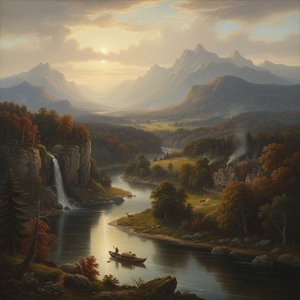
Hudson River Scene


 Читати далі
Гікле / Художній принт
Музейна якість друку جيкле або на полотні з оперативним виготовленням та різноманітними варіантами фінішної обробки. ( Замовити репродукцію ручної роботи Купити цифрове зображення)




P118B $10

P118H $10

P118W $10

P438Z $10

P508JH $12

P508YH $12

P805H $10

P805Z $10

P919BZ $10

P919G $10

P919XJ $10

P959ZH $10

P968JZ $12

W106C $8

W218G $10

W218JH $8

W218Y $10

W307PJ $10

W316G $10

W316PJ $8

W316Y $10

W398PJ $8

W4111J $10

W500HY $15

W500JH $15

W692G $12

W849H $8

W940BG $15

W953PJ $8




Обирайте з наших стандартних розмірів, що відповідають оригінальним пропорціям твору мистецтва.

Ви можете вказати власні розміри, щоб репродукція ідеально підійшла до конкретної рами або інтер'єру. Якщо обраний вами розмір не відповідає пропорціям оригіналу, ми або обріжемо полотно, або розширимо зображення за допомогою дзеркального відображення чи суцільної заливки країв. Перед початком виробництва вам буде надіслано цифровий макет для затвердження.
Будь ласка, зверніть увагу, що попередній перегляд на екрані не відображає фактичне обрізання або розширення. Тільки макет точно покаже фінальну композицію.
Хоча можливість замовлення індивідуальних розмірів доступна, ми рекомендуємо обирати формат із попередньо визначеного списку, щоб зберегти оригінальні пропорції.
Доставка по всьому світу () за 2 тижні замість стандартних 4/5 тижнів. (23 Серпень)

Безкоштовна експрес-доставка по всьому світу

Високоякісне лляне полотно

Повне страхове покриття доставки

Гарантія відшкодування митних зборів

Гарантія точного відтворення кольорів

Політика повернення протягом 60 днів (лише у разі виявлення дефектів)

Гарантія повернення 100% коштів

Пропозиція на оптові замовлення
 Скляний варіант доступний лише для розмірів до 110 см

Hudson River Scene
Гікле / Художній принт
Розмір репродукції
-


Підсумкова вартість
$ 80
Опис експоната
A Serene Vision of the Hudson Valley: John Frederick Kensett’s “Hudson River Scene”
John Frederick Kensett's "Hudson River Scene," painted in 1857, isn’t merely a landscape; it’s a carefully constructed meditation on light, tranquility, and the sublime beauty of the American wilderness. Belonging to the illustrious Hudson River School, a movement that profoundly shaped the course of American art, this painting embodies the core tenets of Luminism – an approach prioritizing atmospheric effects and subtle tonal variations over dramatic detail. Kensett, deeply influenced by the Romantic ideals of his time, sought not to represent nature as it *is*, but rather as it *feels*—a source of profound spiritual resonance.
The scene unfolds along the banks of the Hudson River, a quintessential vista of the New York countryside. Rolling hills, draped in a soft, hazy blue, recede into the distance, their contours softened by atmospheric perspective. A meandering river reflects the muted light of the sky, creating an illusion of infinite depth and mirroring the serenity above. Two figures, rendered with remarkable delicacy, are positioned near the center of the composition, suggesting a quiet moment of contemplation amidst this idyllic setting. Their presence isn’t intrusive; rather, they serve to anchor the viewer in the scene, inviting us to share their peaceful observation.
The Language of Light and Color
Kensett's mastery lies not just in his depiction of the landscape but also in his innovative use of color. He eschewed the bold, vibrant hues favored by some of his contemporaries, opting instead for a palette dominated by cool blues, greens, and grays. This restrained approach creates a sense of stillness and quietude, emphasizing the subtle shifts in light and shadow. The artist’s brushwork is remarkably delicate—almost invisible—allowing the colors to blend seamlessly into one another, mimicking the hazy atmosphere of a summer afternoon. He employed a technique known as “broken color,” applying thin layers of paint that refract light and create shimmering effects, particularly noticeable in the water and sky.
The painting’s luminosity – its ability to seem to glow from within – is a hallmark of Luminism. Kensett meticulously studied the way light interacts with different surfaces, capturing the ephemeral quality of sunlight filtering through trees or reflecting off the river's surface. This pursuit of atmospheric effects was deeply influenced by his travels in Europe, particularly his admiration for the Dutch Masters who excelled at depicting light and shadow.
A Reflection of Transcendentalist Ideals
"Hudson River Scene" is inextricably linked to the broader philosophical currents of the mid-19th century. The Hudson River School artists, including Kensett, were deeply influenced by the Transcendentalist movement, which emphasized the inherent goodness of humanity and the importance of connecting with nature. For these artists, the landscape wasn’t simply a picturesque backdrop; it was a conduit to spiritual truth. Kensett's paintings, like this one, aim to evoke a sense of awe and wonder, prompting viewers to contemplate their place within the vastness of the natural world.
The inclusion of the two figures adds another layer of meaning. They represent humanity’s ability to find solace and connection in nature—a theme central to Transcendentalist thought. Their quiet contemplation suggests a harmonious relationship between humans and the environment, reflecting an ideal of balance and serenity.
Collecting a Legacy: Reproduction and Beyond
Reproductions of “Hudson River Scene” offer a remarkable opportunity to bring this timeless masterpiece into your home or office. OriginalUniqueArt’s hand-painted reproductions meticulously recreate Kensett's delicate brushwork and nuanced color palette, capturing the essence of his original vision. Whether you seek an authentic work of art or a high-quality reproduction that evokes the spirit of the Hudson River School, this painting remains a powerful symbol of American landscape artistry and its enduring appeal.
Consider how this serene scene can complement your interior design—bringing a touch of tranquility and natural beauty to any space. The subtle colors and atmospheric effects create a calming atmosphere, perfect for relaxation or contemplation. “Hudson River Scene” is more than just a painting; it’s an invitation to connect with the timeless allure of the American wilderness.
Біографія митця
A Life Dedicated to Capturing Serene Landscapes
John Frederick Kensett, an American artist and engraver, was born on March 22, 1816, in Cheshire, Connecticut. As a member of the second generation of the Hudson River School of artists, his signature works are characterized by their serene and luminous qualities, celebrating the transcendental aspects of nature. His art sought to capture not just the visual appearance of landscapes but also the feeling of being immersed within them—a profound connection with the natural world that resonated deeply with the artistic sensibilities of his time.Early Life and Artistic Foundations
Kensett’s early life was steeped in the craft of engraving. He attended Cheshire Academy and, under the tutelage of his father, Thomas Kensett – a skilled banknote engraver – and his uncle, Alfred Daggett, he honed his technical skills in this meticulous art form. Initially, he worked as an engraver in New Haven until 1838, mastering intricate detail and precise line work. However, a growing desire to express himself through painting eventually led him to move to New York City, where he found employment engraving banknotes. This period of commercial artistry provided valuable experience but ultimately fueled his yearning for a more creative outlet. A pivotal moment in his artistic development came in 1840 when he embarked on a journey to Europe, seeking inspiration and refinement alongside fellow artists like Benjamin Champney.European Influences and the Development of Luminism
His time in England and France proved transformative. He studied the works of masters at the National Gallery and the Dulwich College collection, absorbing techniques and perspectives that would later inform his own style. Crucially, he connected with a vibrant artistic community, including Thomas Cole, who shared a similar vision for American landscape painting. This exposure to European art, combined with the influence of Transcendentalist philosophy—emphasizing intuition and connection with nature—led Kensett to develop what is now recognized as “luminism.” Luminism wasn’t simply about depicting light; it was about capturing its *quality* – the subtle gradations, atmospheric effects, and almost ethereal glow that define a landscape. His brushstrokes became looser, more suggestive, conveying an impression of light rather than meticulously rendering every detail.Establishing a Studio and Major Works
Upon returning to New York in 1847, Kensett established his own studio and began extensively traveling throughout the Northeast and even venturing into the Colorado Rockies, documenting these diverse landscapes with remarkable sensitivity. His work quickly gained recognition, culminating in the purchase of “Mount Washington from the Valley of Conway” (1851) by the American Art Union, which was then distributed to 13,000 subscribers—a testament to its popularity and artistic merit. Other notable works include "Eaton's Neck, Long Island" (1872), now housed in the collection of the Metropolitan Museum of Art in New York, and “Three Mile Harbor” (ca. 1860) at the Museum of Fine Arts in Tallahassee. These paintings exemplify his ability to capture both the grandeur and intimacy of American landscapes.Legacy and Historical Significance
John Frederick Kensett’s legacy extends far beyond his individual works. He was a founder of the Metropolitan Museum of Art and a full member of the National Academy of Design, playing a significant role in shaping the artistic landscape of 19th-century America. His paintings continue to be admired for their serene beauty, atmospheric effects, and profound connection with nature—qualities that resonate deeply with viewers today. He stands as a key figure not only within the Hudson River School but also as a pioneer of Luminism, influencing generations of landscape artists who followed in his footsteps. His life’s work serves as a powerful reminder of the enduring appeal of capturing the sublime beauty of the American wilderness.
Джон Фредерік Кенсетт
1816 - 1872 , США
Короткі факти
- Artistic Movement Or Style: Художній кмілок Hudson River & Luminism
- Artists Or Movements Influenced By This Artist: ['Luminism']
- Artists Who Influenced This Artist:
- Thomas Cole
- Benjamin Champney
- Date Of Birth: 22 березня 1816
- Date Of Death: 14 грудня 1872
- Full Name: John Frederick Kensett
- Nationality: Американський
- Notable Artworks:
- Mount Washington
- Eaton's Neck
- Place Of Birth: Ширч, США
Пов'язані статті

John Frederick Kensett: Luminosity, Landscape & the American Identity
Explore the luminous landscapes of John Frederick Kensett, a master of Luminism and key figure in the Hudson River School. Discover his serene paintings & enduring legacy with OriginalUniqueArt.

10 шедеврів школи Гудзона: пейзажі, що змінили американське мистецтво | OriginalUniqueArt
Відкрийте для себе 10 шедеврів школи Гудзона – Томаса Коула, Фредеріка Черча та інших. Романтичні пейзажі Америки, що захоплюють дух! Репродукції картин преміум-класу для вашого інтер'єру на OriginalUniqueArt.com

Robert Spencer: Luminism, Narrative & the American Landscape Tradition
Explore the captivating world of Luminism & the Hudson River School with our expert analysis. Discover the history, artists, and enduring beauty of 19th-century American landscape painting. Find museum-quality reproductions at OriginalUniqueArt.

The Sublime Landscape: Exploring the Hudson River School Movement
Explore the captivating world of the Hudson River School! Discover the history, artists, and defining characteristics of this iconic American art movement. Learn about Romanticism's influence & find inspiration for your collection.
Capturing the American Spirit: A Journey Through Iconic Landscapes and the Legacy of the Hudson River School
Explore the profound beauty of American art history. From the Hudson River School to iconic landscapes, discover a curated journey through the masterpieces that defined a nation's spirit and the enduring legacy of American Romanticism.



