- Додому

- Друк на полотні
- Джон Данкан Фергюсон
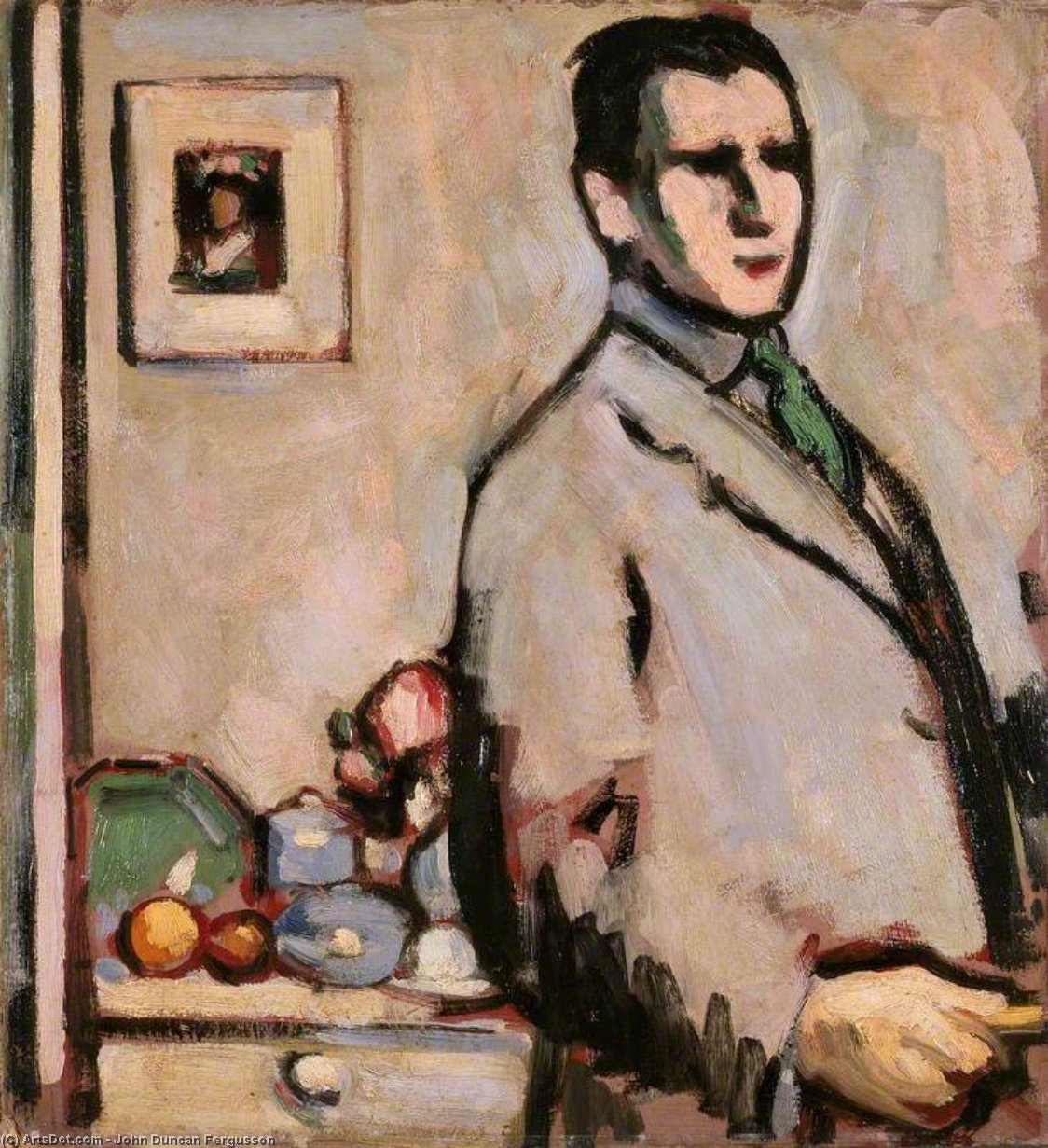
- Self Portrait -
 Замовити репродукцію Купити цифрове зображення
 Надіслати
 Поділитися
 Деталі витвору
 Додати до улюблених

 Завантажити
 Схожі вироби
 Рентгенівське дослідження
 Слайд-шоу
Self Portrait -
 Розгорнути текст
Гікле / Художній принт
Музейна якість друку جيкле або на полотні з оперативним виготовленням та різноманітними варіантами фінішної обробки.




































Обирайте з наших стандартних розмірів, що відповідають оригінальним пропорціям твору мистецтва.

Ви можете вказати власні розміри, щоб репродукція ідеально підійшла до конкретної рами або інтер'єру. Якщо обраний вами розмір не відповідає пропорціям оригіналу, ми або обріжемо полотно, або розширимо зображення за допомогою дзеркального відображення чи суцільної заливки країв. Перед початком виробництва вам буде надіслано цифровий макет для затвердження.
Будь ласка, зверніть увагу, що попередній перегляд на екрані не відображає фактичне обрізання або розширення. Тільки макет точно покаже фінальну композицію.
Хоча можливість замовлення індивідуальних розмірів доступна, ми рекомендуємо обирати формат із попередньо визначеного списку, щоб зберегти оригінальні пропорції.
Доставка по всьому світу () за 2 тижні замість стандартних 4/5 тижнів. (22 Липень)

Безкоштовна експрес-доставка по всьому світу

Високоякісне лляне полотно

Повне страхове покриття доставки

Гарантія відшкодування митних зборів

Гарантія точного відтворення кольорів

Політика повернення протягом 60 днів (лише у разі виявлення дефектів)

Гарантія повернення 100% коштів

Знижка на багатоелементні замовлення
 Скляний варіант доступний лише для розмірів до 110 см

Self Portrait -
Гікле / Художній принт
Розмір репродукції
-


Підсумкова ціна
-
Біографія митця
A Life Immersed in Colour: The Journey of John Duncan Fergusson
John Duncan Fergusson, a name inextricably linked to the vibrant heart of Scottish Colourism, was far more than simply a painter; he served as a crucial translator, bridging the gap between Europe’s revolutionary artistic currents and the unique spirit of Scotland. Born in Leith, Edinburgh, in 1874, his artistic journey wasn't a straightforward ascent but rather a dynamic evolution shaped by restless curiosity and an unwavering pursuit of visual expression. Initially contemplating a career as a naval surgeon – a path marked by precision and order – Fergusson swiftly recognized that his true calling lay not in the sterile world of medicine, but within the intoxicating realm of capturing life’s fleeting moments on canvas. This early divergence speaks volumes about a spirit inherently resistant to convention, constantly seeking new avenues for creative exploration. His initial training at the Trustees' Academy proved restrictive; its rigid structure felt ill-suited to his burgeoning artistic vision, leading him to pursue self-directed study and embark on extensive travels across Europe – experiences that would indelibly shape his aesthetic sensibilities. These journeys weren’t merely geographical expeditions; they were profound explorations of diverse ways of seeing, feeling, and ultimately, painting.Parisian Awakening and the Embrace of Modernity
The pivotal moment in Fergusson's artistic development arrived with his first trip to Paris in 1898. Immersing himself within the city’s pulsating art scene, he was profoundly moved by the Impressionists at the Salle Caillebotte. This encounter wasn’t simply a matter of adopting a new technique; it represented an awakening – a realization that painting could transcend mere representation and instead become a vehicle for capturing fleeting moments, subjective impressions, and the emotional resonance of a scene. He began to understand that colour itself possessed expressive power, capable of conveying mood and atmosphere with remarkable subtlety. However, Fergusson’s artistic journey didn't end with Impressionism. The burgeoning movement of Fauvism – characterized by its bold, non-naturalistic colours and simplified forms – exerted an equally powerful influence. He embraced this radical approach, recognizing in it a freedom that allowed him to convey not just *what* he saw, but *how* he felt. This embrace of Fauvist principles became a defining characteristic of his mature style, setting him apart from many of his contemporaries. His relationship with American illustrator Anne Estelle Rice proved particularly significant during this period; she became both a muse and an artistic companion, encouraging her own creative pursuits while frequently appearing as a subject in his portraits – capturing the dynamism of their shared life and artistic exploration.The Scottish Colourist and a Unique Artistic Voice
Upon returning to Scotland, Fergusson quickly established himself as a central figure within the group that would become known as the Scottish Colourists – alongside Samuel Peploe, Francis Cadell, and George Hunter. While each artist possessed a distinct style, they shared a common commitment to portraying the beauty of their native land through vibrant colour palettes deeply influenced by French Impressionism and Post-Impressionism. However, Fergusson’s contribution was particularly notable. He wasn't simply replicating what he had learned in Paris; rather, he was synthesizing those influences with his own uniquely Scottish sensibility, creating a style that was both modern and profoundly personal. Andre Dunoyer de Segonzac eloquently described this fusion, stating that Fergusson’s art represented “a deep and pure expression of his immense love of life.” This sentiment perfectly encapsulates the emotional intensity present in his work – a palpable vitality radiating from canvases depicting bustling street scenes, intimate portraits, and evocative landscapes. His paintings aren't merely representations; they are celebrations of existence, imbued with a sense of joy and energy that resonated deeply with his audience.Influences and Artistic Development
Fergusson’s artistic development was marked by constant experimentation and adaptation. Initially influenced by the realism of the Glasgow Boys – a group of Scottish painters who rejected academic traditions in favor of a more expressive style – he quickly moved beyond this early influence, absorbing elements from Whistlerian aesthetics and later embracing the bold palette of Fauvism. His travels to Morocco, Spain, and France exposed him to diverse artistic traditions, including the vibrant colours and geometric forms of Islamic art and the dynamic brushwork of Spanish masters. These experiences broadened his visual vocabulary and informed his approach to composition and colour. The impact of Samuel John Peploe, a fellow Scottish Colourist with whom he maintained a close friendship, is also evident in Fergusson’s work – particularly in his portraits and landscapes, which often share a similar sense of immediacy and emotional intensity. Furthermore, the influence of Vincent van Gogh's expressive brushwork and use of colour played a significant role in shaping Fergusson's distinctive style.Legacy and Lasting Influence
Fergusson’s commitment to fostering a vibrant artistic community extended far beyond his own painting practice. In 1940, he founded the New Art Club in Glasgow, which later evolved into the New Scottish Group of Painters – with Fergusson serving as its first president. This demonstrated his dedication to providing opportunities for emerging artists and promoting progressive art within Scotland. The establishment of a permanent gallery dedicated to his work in Perth in 1992 solidified his place in Scottish art history, ensuring that future generations could appreciate the power and beauty of his paintings. Today, his works are held by institutions across the country, continuing to captivate audiences with their bold colours, expressive brushwork, and unwavering celebration of life. John Duncan Fergusson’s contribution to modern British art is undeniable; he redefined how Scotland's landscapes and people were represented on canvas, bridging the gap between European artistic trends and a distinctly Scottish identity. His legacy continues to inspire artists today, cementing his position as one of the most important figures in 20th-century Scottish art – a true master of colour and emotion.
Джон Данкан Фергюсон
1874 - 1961 , Шотландія
Короткі факти
- Artistic Movement Or Style: Шотландський колорист
- Artists Or Movements Influenced By This Artist: ['Шотландські колористи']
- Artists Who Influenced This Artist:
- Вінслор
- Матіс
- Пікассо
- Date Of Birth: 9 березня 1874
- Full Name: John Duncan Fergusson
- Nationality: Шотландець
- Notable Artworks:
- Люди та вітрила
- Фьякре в іспанській вулиці
- Place Of Birth: Лейт, Великобританія

