
 Переглянути в інтер'єрі
 Надіслати як листівку
 Поділитися
 Детальніше

 Завантажити
 Схожі експонати
 Рентгенівське дослідження
 Слайд-шоу
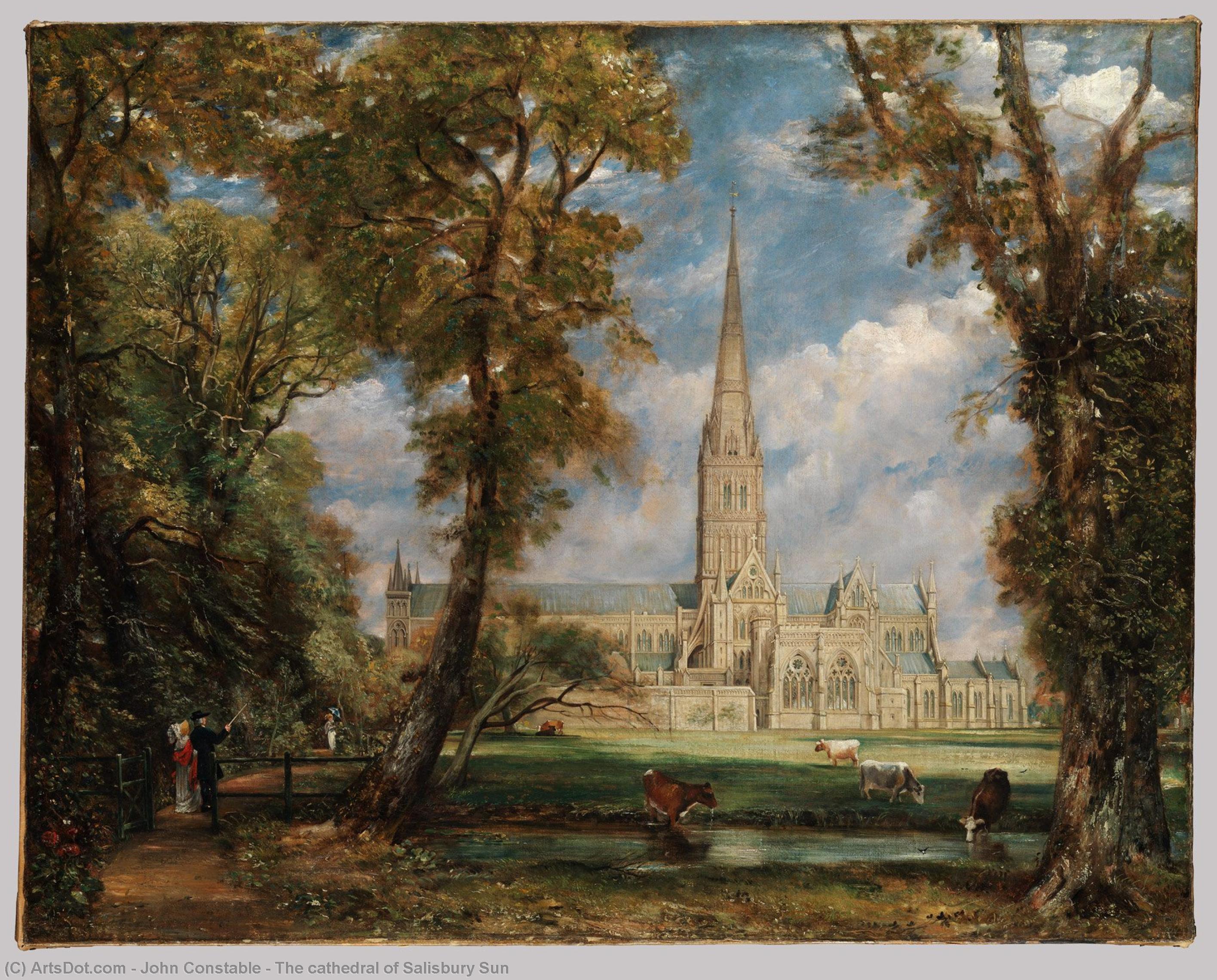
The cathedral of Salisbury Sun


 Читати далі
Придбайте цифрову копію високої роздільної здатності з покращеною якістю, що значно перевершує онлайн-перегляд.
Кожен файл ретельно підготовлений нашими фахівцями за допомогою сучасних інструментів та професійної ручної ретуші. Ми гарантуємо виняткову чіткість, точну передачу кольору та високу деталізацію кожного зображення.
Фінальний файл надсилається електронною поштою протягом 72 годин і оптимізований для негайного використання у професійних виданнях та друкованих матеріалах. Таку якість обирають провідні дизайнерські студії, видавництва та галереї.
Цифрове зображення
Завантажте файл високої роздільної здатності для особистого використання, друку та творчих проєктів. ( Замовити принт Замовити репродукцію ручної роботи)
Переваги кожного замовлення цифрових зображень
Експертна цифрова доставка з гарантією якості
Обираючи OriginalUniqueArt.com, ви отримуєте не просто зображення — ви отримуєте професійно вдосконалений цифровий витвір мистецтва, створений з надзвичайною точністю та підкріплений гарантією задоволення. Ось усе, що автоматично додається до вашого замовлення:

Швидка доставка на email
Ваш цифровий файл із зображенням високої роздільної здатності буде надісланий вам електронною поштою протягом 72 годин після оформлення замовлення — він буде готовий до негайного використання.

Цифровий файл із покращенням ШІ
Ваш витвір мистецтва професійно оптимізовано за допомогою передових інструментів штучного інтелекту та ручної корекції, що забезпечує максимальну деталізацію, чіткість і точність передачі кольорів.

Безкоштовне повторне завантаження назавжди
Випадково видалили або втратили файл? Не хвилюйтеся — ми надішлемо його вам повторно в будь-який час безкоштовно.

Без митних зборів — ніколи
Насолоджуйтесь вашим витвором мистецтва миттєво без жодних мит, зборів або плати за доставку — цифрові завантаження завжди не оподатковуються.

Гарантія точності кольорів
Ми гарантуємо максимально точне відтворення оригінальних кольорів на вашому цифровому зображенні завдяки використанню професійних інструментів та систем управління кольором.

Гарантія задоволення протягом 60 днів
Якщо ви не задоволені придбаним цифровим зображенням, ми відкоригуємо його або повернемо 100% вартості протягом 60 днів — без жодних запитань.

Гарантія повернення 100% коштів
Не задоволені покупкою? Отримайте повне повернення коштів протягом 60 днів після отримання цифрового файлу — без жодних запитань.

Знижки на оптові замовлення
Купуйте 3 зображення — заощаджуйте 10% — Купуйте 5 — заощаджуйте 15% — Купуйте 10+ — заощаджуйте 20%. Чудово підходить для творчих проєктів, галерей та агентств.
Опис колекційного об'єкта
A Pastoral Vision: John Constable’s Salisbury Cathedral
John Constable’s “Salisbury Cathedral” is more than just a depiction of architectural grandeur; it's an evocative exploration of faith, nature, and the enduring spirit of the English countryside. Painted during a period of significant social and artistic change, this work exemplifies the Romantic movement’s emphasis on emotional response to landscape and its rejection of rigid academic conventions.Subject & Composition
The painting centers around Salisbury Cathedral, majestically positioned within a lush, verdant landscape. Constable doesn't present the cathedral as an isolated monument but integrates it seamlessly into its natural surroundings. The composition is carefully balanced – the imposing structure of the cathedral anchors the scene, while the surrounding trees, fields, and sky create depth and invite the viewer’s eye to wander. Figures are subtly included, adding a sense of scale and human connection to the vastness of nature. This isn't simply *a* view of Salisbury Cathedral; it is *an experience* of being within its world.Style & Technique
Constable was a pioneer in capturing the fleeting effects of light and atmosphere, and this painting is a prime example. His style, deeply rooted in observation, departs from the polished precision favored by many of his contemporaries. Instead, he employs loose, expressive brushstrokes – a technique known as *impasto* – to build up texture and create a luminous quality. The layering of paint gives the impression of shimmering light filtering through the trees and across the cathedral’s stonework. This approach was revolutionary for its time, influencing artists in both England and France, particularly those associated with the Barbizon School.Historical Context & Romanticism
Constable lived during a period marked by industrialization and urbanization, leading to a growing nostalgia for rural life. The Romantic movement, of which he was a key figure, celebrated nature as a source of spiritual renewal and emotional solace. “Salisbury Cathedral” embodies these ideals. It’s not merely a topographical record but an idealized vision of England's pastoral heritage. Constable’s dedication to painting directly from nature – *en plein air* – further distinguished his work and contributed to the authenticity of his depictions.Symbolism & Emotional Impact
The cathedral itself symbolizes faith, permanence, and tradition. Its enduring presence contrasts with the transient beauty of the natural world surrounding it. The sky, often depicted with dramatic cloud formations in Constable’s works, evokes a sense of awe and the sublime power of nature. The painting isn't overtly didactic; rather, it invites contemplation on themes of spirituality, mortality, and the interconnectedness of humanity and the environment. It elicits feelings of tranquility, reverence, and a deep appreciation for the beauty of the English countryside.Collecting & Interior Design
A reproduction of “Salisbury Cathedral” would be a stunning addition to any collection or interior space. Its harmonious color palette – dominated by warm earth tones with highlights of blue and white – complements a variety of décor styles, from traditional to contemporary.- Its large scale makes it an impactful focal point in a living room or dining room.
- The painting’s serene atmosphere lends itself well to bedrooms or studies.
- Consider pairing it with natural materials like wood and stone to enhance its connection to the landscape.
Біографія митця
A Life Rooted in the English Landscape
John Constable, born in 1776 in the idyllic Suffolk village of East Bergholt, wasn’t merely a painter of landscapes; he was a poet of the land, translating its subtle moods and enduring beauty onto canvas with an unprecedented emotional depth. His father, a prosperous corn merchant who owned both Dedham Vale and mills along the River Stour, provided not only financial security but also the very subject matter that would define Constable’s artistic life. This early immersion in the rural world – the slow rhythm of agricultural life, the ever-changing light on fields and water, the intimate details of nature – became indelibly etched into his sensibility. While initially destined to follow his father into business, a burgeoning passion for art, nurtured by local patrons like George Beaumont who introduced him to the works of Claude Lorrain, ultimately steered him toward a different path. Constable’s artistic journey wasn’t immediate; it was a gradual unfolding, shaped by careful observation and a persistent desire to capture not just *what* he saw, but *how* it felt to be present within the landscape.Breaking with Convention: A New Vision of Nature
Constable’s artistic development was marked by a deliberate rejection of prevailing academic conventions. Dissatisfied with the idealized and often theatrical landscapes favored by the Royal Academy, he sought instead a truthful representation of nature, imbued with personal feeling. He wasn't interested in grand historical narratives or mythological scenes; his focus remained steadfastly on the familiar countryside surrounding him. This commitment to depicting ordinary subjects – hay wains, farm buildings, village life – was initially met with resistance from critics who deemed his work too commonplace and lacking in ambition. However, Constable persevered, driven by a conviction that beauty resided in the everyday. He pioneered a technique of *plein air* painting, venturing outdoors to directly observe and capture the fleeting effects of light and weather. This direct engagement with nature allowed him to infuse his canvases with an immediacy and vitality previously unseen in British landscape art. His brushwork became increasingly loose and expressive, employing impasto – thick layers of paint – to create texture and convey a sense of movement and atmosphere. He wasn’t simply recording what he saw; he was translating his emotional response to the land into visual form.Iconic Works and Lasting Influence
Constable's most celebrated works stand as testaments to his unique vision. The Hay Wain (1821), perhaps his most recognizable painting, depicts a quintessential rural scene on the River Stour, capturing the tranquility and harmony of agricultural life. Hadleigh Castle (1829) showcases his dramatic use of light and atmospheric effects, transforming a crumbling ruin into a powerful symbol of time’s passage. The series of paintings depicting Salisbury Cathedral from the Meadows (1831) demonstrates his ability to evoke different moods and times of day, revealing the cathedral as an integral part of the natural landscape. Netley Abbey (1824), with its evocative depiction of architectural grandeur amidst encroaching nature, exemplifies his skill in blending human creation with the wild beauty of the countryside. Despite facing initial struggles for recognition in England, Constable achieved considerable acclaim in France, where his innovative techniques and emotional depth resonated deeply with artists seeking a more naturalistic approach to landscape painting. He profoundly influenced the Barbizon School, a group of French painters who shared his commitment to *plein air* painting and direct observation of nature.Personal Life & Final Years
Constable’s personal life was marked by both joy and sorrow. He married Maria Bicknell in 1816, and they had seven children, though sadly several did not survive infancy. His marriage provided him with emotional support but also financial strain. Elected a Royal Academician in 1829, he continued to face criticism from some quarters, particularly regarding his unconventional techniques. His later years were shadowed by Maria’s declining health and eventual death in 1828, an event that deeply affected him. Despite these hardships, Constable remained dedicated to his art, continuing to paint until his own passing on March 31, 1837. He left behind a rich artistic legacy—a testament to his unwavering commitment to capturing the beauty and emotional resonance of the English countryside. His paintings remain powerful evocations of a bygone era, inviting viewers to experience the landscape through his uniquely sensitive eyes.Influences & Artistic Development
Constable’s artistic journey was shaped by several key influences. Initially, he admired the works of 17th-century Dutch masters like Ruisdael, particularly their ability to capture atmospheric effects and convey a sense of light and shadow. He also drew inspiration from Claude Lorrain, whose idealized landscapes provided a foundation for his own explorations of the English countryside. However, Constable ultimately broke free from these traditional influences, developing a distinctly personal style characterized by loose brushwork, vibrant colors, and an emphasis on emotional expression. His meticulous studies of nature – often undertaken *en plein air* – allowed him to capture the subtle nuances of light, color, and texture that defined the English landscape. He wasn't simply copying what he saw; he was interpreting it through his own unique artistic vision. His rejection of academic conventions and his embrace of direct observation paved the way for future generations of landscape painters, including the Impressionists.A Legacy of Emotional Resonance
John Constable’s historical significance lies not only in his artistic innovations but also in his profound impact on the development of landscape painting. He challenged academic conventions, elevated the status of ordinary subjects, and paved the way for a more personal and emotionally expressive approach to art. His emphasis on direct observation, atmospheric effects, and truthful representation of nature anticipated many of the concerns of later Impressionist painters. He demonstrated that landscape could be a vehicle for profound emotional expression, capable of evoking feelings of nostalgia, tranquility, and awe. Though he faced financial hardship throughout much of his career, and died relatively young in 1837, his legacy endures. Today, Constable is celebrated as one of Britain’s greatest artists, whose paintings continue to captivate audiences with their beauty, sincerity, and enduring power. His work serves as a poignant reminder of the profound connection between humanity and the natural world, and the transformative potential of art to capture its essence.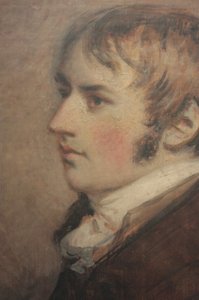
Констабль
1776 - 1837 , Великобританія
Основна інформація
- Artistic Movement Or Style: Романтизм
- Artists Or Movements Influenced By This Artist: ['Barbizon School']
- Artists Who Influenced This Artist:
- Claude Lorrain
- Ruisdael
- Date Of Birth: 11 червня 1776
- Date Of Death: 31 березня 1837
- Full Name: John Constable
- Nationality: Британський
- Notable Artworks:
- The Hay Wain
- Salisbury Cathedral
- Hadleigh Castle
- Place Of Birth: East Bergholt, UK

