Переглянути в інтер'єрі
 Надіслати
 Поділитися
 Деталі
 Посібник

 Завантажити
 Схожі предмети колекціонування
 Рентгенівське дослідження
 Слайд-шоу
 Статистика переглядів
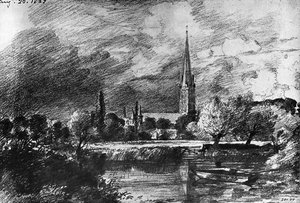
A Study of Burdock Leaves


 Читати далі
Олійная репродукція ручної роботи
Написана вручну олією на полотні у вашому розмірі та рамі, виготовлена на замовлення нашими художниками. ( Перейти до друку Перейти до цифрових зображень)




P118B ₴10

P118H ₴10

P118W ₴10

P438Z ₴10

P508JH ₴12

P508YH ₴12

P805H ₴10

P805Z ₴10

P919BZ ₴10

P919G ₴10

P919XJ ₴10

P959ZH ₴10

P968JZ ₴12

W106C ₴8

W218G ₴10

W218JH ₴8

W218Y ₴10

W307PJ ₴10

W316G ₴10

W316PJ ₴8

W316Y ₴10

W398PJ ₴8

W4111J ₴10

W500HY ₴15

W500JH ₴15

W692G ₴12

W849H ₴8

W940BG ₴15

W953PJ ₴8




Обирайте з наших стандартних розмірів, що відповідають оригінальним пропорціям твору мистецтва.

Введіть необхідну ширину та висоту, щоб картина підійшла до вашої рами або стіни. Оскільки це ручний розпис, для розміру іншої форми художник може написати трохи більше навколо картини або трохи обрізати її — вибір за вами. Перед початком роботи ми надішлемо вам цифровий макет для затвердження. Зображення, показане на цій сторінці, не є реальним результатом — лише макет відображає майбутній вигляд.
Після оформлення замовлення команда OriginalUniqueArt.com зв'яжеться з клієнтом електронною поштою для отримання інструкцій та надасть попередній макет
Доставка по всьому світу () за 3–4 тижні замість стандартних 5 тижнів. (24 Жовтень). Без жодних компромісів у якості.

Безкоштовна експрес-доставка по всьому світу

Високоякісне лляне полотно

Повне страхове покриття доставки

Гарантія повернення митних зборів

Гарантія точного відтворення кольорів

Політика повернення протягом 100 днів (лише у разі виявлення дефектів)

Гарантія повернення 100% коштів

Знижка на оптові замовлення
 Скляний варіант доступний лише для розмірів до 110 см

A Study of Burdock Leaves
Техніка репродукції
Розмір репродукції
-


Загальна вартість
₴ 13463
A Reverie in Burdock: Constable’s Exploration of Rural Tranquility
- Subject Matter: John Constable's "A Study of Burdock Leaves" captures the essence of the English countryside, focusing on a solitary tree laden with burdock leaves—a common plant found throughout Suffolk and the broader Vale of England. This seemingly simple subject is rendered with remarkable detail, inviting viewers to contemplate the beauty of natural forms and textures.
- Style: Constable’s style aligns perfectly with Romanticism, prioritizing emotional expression over strict academic conventions. Unlike earlier artists who sought idealized representations of nature, Constable aimed to depict landscapes as they appeared in reality—often imbued with atmospheric conditions like mist or drizzle—capturing the fleeting moments of beauty and conveying a profound sense of solitude.
- Technique: Constable employed oil paint on canvas, utilizing layering techniques to achieve luminous effects and capturing subtle gradations of light and shadow. His meticulous brushwork meticulously renders the intricate patterns of burdock leaves and the bark of the tree, demonstrating an unwavering commitment to observational accuracy combined with artistic sensitivity. The artist’s masterful handling of color contributes significantly to the painting's emotive power.
- Historical Context: Painted circa 1820-1821, “A Study of Burdock Leaves” emerged during a period of significant intellectual and artistic ferment in Britain. Romanticism championed imagination and emotion as sources of inspiration, reacting against the rationalism of the Enlightenment. Constable’s work embodies this spirit, reflecting the Victorian fascination with the sublime—the awe-inspiring grandeur of nature that evokes feelings of humility and wonder.
- Symbolism: Beyond its visual appeal, “A Study of Burdock Leaves” carries symbolic weight. The burdock plant itself represents resilience and endurance, mirroring Constable’s own unwavering dedication to portraying the natural world with honesty and compassion. Furthermore, the tree's isolation symbolizes contemplation and introspection—themes central to Romantic thought.
Запитання та відповіді
Наскільки інтенсивними є кольори у творі «A Study of Burdock Leaves» Констабль?
Насиченість кольорів у творі «A Study of Burdock Leaves» — Balanced. Насиченість описує, наскільки яскравими та виразними є кольори.
Для якої кімнати рекомендується «A Study of Burdock Leaves» Констабль, враховуючи її кольорову гаму?
Враховуючи його кольорову гаму Neutrals, роботу «A Study of Burdock Leaves» рекомендується розміщувати в Living Room.
Яке відчуття передає «A Study of Burdock Leaves» Констабль?
Переданий настрій твору «A Study of Burdock Leaves» Констабль — це Romantic, а його емоційна тональність — Nostalgic.
Біографія митця
A Life Rooted in the English Landscape
John Constable, born in 1776 in the idyllic Suffolk village of East Bergholt, wasn’t merely a painter of landscapes; he was a poet of the land, translating its subtle moods and enduring beauty onto canvas with an unprecedented emotional depth. His father, a prosperous corn merchant who owned both Dedham Vale and mills along the River Stour, provided not only financial security but also the very subject matter that would define Constable’s artistic life. This early immersion in the rural world – the slow rhythm of agricultural life, the ever-changing light on fields and water, the intimate details of nature – became indelibly etched into his sensibility. While initially destined to follow his father into business, a burgeoning passion for art, nurtured by local patrons like George Beaumont who introduced him to the works of Claude Lorrain, ultimately steered him toward a different path. Constable’s artistic journey wasn’t immediate; it was a gradual unfolding, shaped by careful observation and a persistent desire to capture not just *what* he saw, but *how* it felt to be present within the landscape.Breaking with Convention: A New Vision of Nature
Constable’s artistic development was marked by a deliberate rejection of prevailing academic conventions. Dissatisfied with the idealized and often theatrical landscapes favored by the Royal Academy, he sought instead a truthful representation of nature, imbued with personal feeling. He wasn't interested in grand historical narratives or mythological scenes; his focus remained steadfastly on the familiar countryside surrounding him. This commitment to depicting ordinary subjects – hay wains, farm buildings, village life – was initially met with resistance from critics who deemed his work too commonplace and lacking in ambition. However, Constable persevered, driven by a conviction that beauty resided in the everyday. He pioneered a technique of *plein air* painting, venturing outdoors to directly observe and capture the fleeting effects of light and weather. This direct engagement with nature allowed him to infuse his canvases with an immediacy and vitality previously unseen in British landscape art. His brushwork became increasingly loose and expressive, employing impasto – thick layers of paint – to create texture and convey a sense of movement and atmosphere. He wasn’t simply recording what he saw; he was translating his emotional response to the land into visual form.Iconic Works and Lasting Influence
Constable's most celebrated works stand as testaments to his unique vision. The Hay Wain (1821), perhaps his most recognizable painting, depicts a quintessential rural scene on the River Stour, capturing the tranquility and harmony of agricultural life. Hadleigh Castle (1829) showcases his dramatic use of light and atmospheric effects, transforming a crumbling ruin into a powerful symbol of time’s passage. The series of paintings depicting Salisbury Cathedral from the Meadows (1831) demonstrates his ability to evoke different moods and times of day, revealing the cathedral as an integral part of the natural landscape. Netley Abbey (1824), with its evocative depiction of architectural grandeur amidst encroaching nature, exemplifies his skill in blending human creation with the wild beauty of the countryside. Despite facing initial struggles for recognition in England, Constable achieved considerable acclaim in France, where his innovative techniques and emotional depth resonated deeply with artists seeking a more naturalistic approach to landscape painting. He profoundly influenced the Barbizon School, a group of French painters who shared his commitment to *plein air* painting and direct observation of nature.Personal Life & Final Years
Constable’s personal life was marked by both joy and sorrow. He married Maria Bicknell in 1816, and they had seven children, though sadly several did not survive infancy. His marriage provided him with emotional support but also financial strain. Elected a Royal Academician in 1829, he continued to face criticism from some quarters, particularly regarding his unconventional techniques. His later years were shadowed by Maria’s declining health and eventual death in 1828, an event that deeply affected him. Despite these hardships, Constable remained dedicated to his art, continuing to paint until his own passing on March 31, 1837. He left behind a rich artistic legacy—a testament to his unwavering commitment to capturing the beauty and emotional resonance of the English countryside. His paintings remain powerful evocations of a bygone era, inviting viewers to experience the landscape through his uniquely sensitive eyes.Influences & Artistic Development
Constable’s artistic journey was shaped by several key influences. Initially, he admired the works of 17th-century Dutch masters like Ruisdael, particularly their ability to capture atmospheric effects and convey a sense of light and shadow. He also drew inspiration from Claude Lorrain, whose idealized landscapes provided a foundation for his own explorations of the English countryside. However, Constable ultimately broke free from these traditional influences, developing a distinctly personal style characterized by loose brushwork, vibrant colors, and an emphasis on emotional expression. His meticulous studies of nature – often undertaken *en plein air* – allowed him to capture the subtle nuances of light, color, and texture that defined the English landscape. He wasn't simply copying what he saw; he was interpreting it through his own unique artistic vision. His rejection of academic conventions and his embrace of direct observation paved the way for future generations of landscape painters, including the Impressionists.A Legacy of Emotional Resonance
John Constable’s historical significance lies not only in his artistic innovations but also in his profound impact on the development of landscape painting. He challenged academic conventions, elevated the status of ordinary subjects, and paved the way for a more personal and emotionally expressive approach to art. His emphasis on direct observation, atmospheric effects, and truthful representation of nature anticipated many of the concerns of later Impressionist painters. He demonstrated that landscape could be a vehicle for profound emotional expression, capable of evoking feelings of nostalgia, tranquility, and awe. Though he faced financial hardship throughout much of his career, and died relatively young in 1837, his legacy endures. Today, Constable is celebrated as one of Britain’s greatest artists, whose paintings continue to captivate audiences with their beauty, sincerity, and enduring power. His work serves as a poignant reminder of the profound connection between humanity and the natural world, and the transformative potential of art to capture its essence.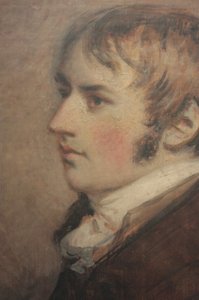
Констабль
1776 - 1837 , Великобританія
Довідкова інформація
- Artistic Movement Or Style: Романтизм
- Artists Or Movements Influenced By This Artist: ['Barbizon School']
- Artists Who Influenced This Artist:
- Claude Lorrain
- Ruisdael
- Date Of Birth: 11 червня 1776
- Date Of Death: 31 березня 1837
- Full Name: John Constable
- Nationality: Британський
- Notable Artworks:
- The Hay Wain
- Salisbury Cathedral
- Hadleigh Castle
- Place Of Birth: East Bergholt, UK
Схожі статті
John Constable: Nature, Light & the Romantic Vision of Rural England
Explore the life & art of John Constable, the Romantic painter who revolutionized landscape with emotive scenes of rural England. Discover his techniques, legacy, and key works – perfect for collectors & enthusiasts.

Capturing the English Landscape: The Timeless Mastery and Romantic Legacy of John Constable
Explore the profound legacy of John Constable. Discover how his mastery of light, atmosphere, and the English landscape redefined Romanticism through timeless, museum-quality oil reproductions for discerning collectors.

Джон Сінґер Са́рджент: 25 шедеврів американського імпресіонізму для вашого дому | OriginalUniqueArt
Відкрийте 25 найкращих картин Джона Сінґера Са́рджента – американського імпресіоніста, майстра портретів та елегантного живопису. Історія мистецтва, техніки та натхнення для вашого дому від OriginalUniqueArt.com! Дослідіть повну колекцію онлайн.

Топ-25 шедеврів Джона Констебла: пейзажі Англії для вашого дому | OriginalUniqueArt
Відкрийте для себе 25 найкращих шедеврів Джона Констебла! Англійські пейзажі, романтизм та емоційне світло в живописі. Репродукції картин високої якості для вашого дому від OriginalUniqueArt.com. Дослідіть повну колекцію онлайн!

Топ-10 шедеврів романтичного пейзажу: мистецтво, що захоплює дух | OriginalUniqueArt
Відкрийте для себе 10 шедеврів романтичного пейзажу! Каспар Давид Фрідріх, Тернер та інші майстри. Історія мистецтва, емоційні кольори природи та ідеї декору з OriginalUniqueArt.com. Дослідіть колекцію онлайн!