
 Переглянути в інтер'єрі
 Надіслати як листівку
 Поділитися
 Детальніше

 Завантажити
 Схожі експонати
 Рентгенівське дослідження
 Слайд-шоу
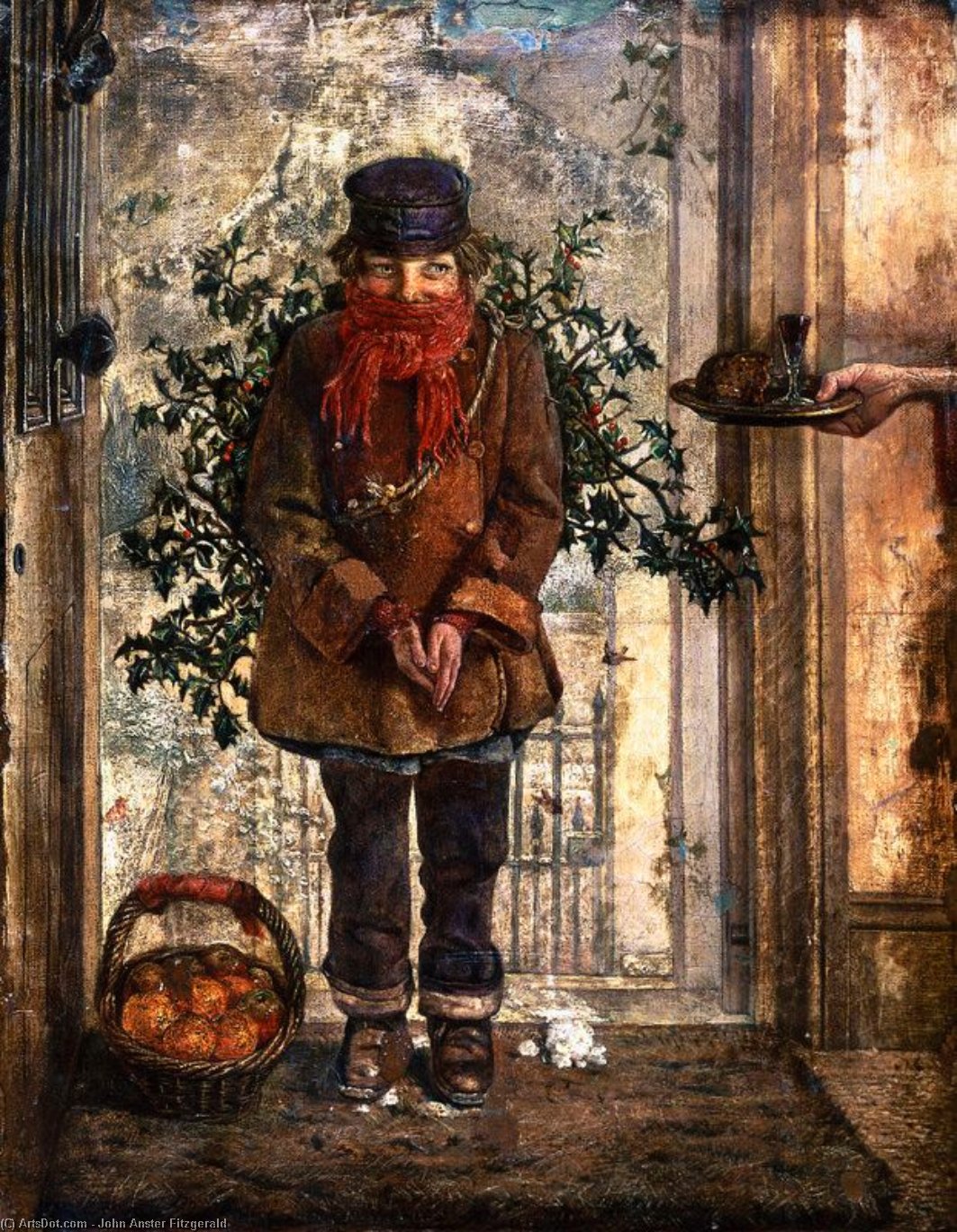
Christmas
 Читати далі
Придбайте цифрову копію високої роздільної здатності з покращеною якістю, що значно перевершує онлайн-перегляд.
Кожен файл ретельно підготовлений нашими фахівцями за допомогою сучасних інструментів та професійної ручної ретуші. Ми гарантуємо виняткову чіткість, точну передачу кольору та високу деталізацію кожного зображення.
Фінальний файл надсилається електронною поштою протягом 72 годин і оптимізований для негайного використання у професійних виданнях та друкованих матеріалах. Таку якість обирають провідні дизайнерські студії, видавництва та галереї.
Цифрове зображення
Завантажте файл високої роздільної здатності для особистого використання, друку та творчих проєктів. ( Замовити принт Замовити репродукцію ручної роботи)
Переваги кожного замовлення цифрових зображень
Експертна цифрова доставка з гарантією якості
Обираючи OriginalUniqueArt.com, ви отримуєте не просто зображення — ви отримуєте професійно вдосконалений цифровий витвір мистецтва, створений з надзвичайною точністю та підкріплений гарантією задоволення. Ось усе, що автоматично додається до вашого замовлення:

Швидка доставка на email
Ваш цифровий файл із зображенням високої роздільної здатності буде надісланий вам електронною поштою протягом 72 годин після оформлення замовлення — він буде готовий до негайного використання.

Цифровий файл із покращенням ШІ
Ваш витвір мистецтва професійно оптимізовано за допомогою передових інструментів штучного інтелекту та ручної корекції, що забезпечує максимальну деталізацію, чіткість і точність передачі кольорів.

Безкоштовне повторне завантаження назавжди
Випадково видалили або втратили файл? Не хвилюйтеся — ми надішлемо його вам повторно в будь-який час безкоштовно.

Без митних зборів — ніколи
Насолоджуйтесь вашим витвором мистецтва миттєво без жодних мит, зборів або плати за доставку — цифрові завантаження завжди не оподатковуються.

Гарантія точності кольорів
Ми гарантуємо максимально точне відтворення оригінальних кольорів на вашому цифровому зображенні завдяки використанню професійних інструментів та систем управління кольором.

Гарантія задоволення протягом 60 днів
Якщо ви не задоволені придбаним цифровим зображенням, ми відкоригуємо його або повернемо 100% вартості протягом 60 днів — без жодних запитань.

Гарантія повернення 100% коштів
Не задоволені покупкою? Отримайте повне повернення коштів протягом 60 днів після отримання цифрового файлу — без жодних запитань.

Знижки на оптові замовлення
Купуйте 3 зображення — заощаджуйте 10% — Купуйте 5 — заощаджуйте 15% — Купуйте 10+ — заощаджуйте 20%. Чудово підходить для творчих проєктів, галерей та агентств.
Біографія митця
John Anster Fitzgerald: Weaver of Victorian Nightmares
John Anster Christian Fitzgerald (1819 – 1906) remains a profoundly enigmatic figure in the history of art, a Victorian era fairy painter whose work defies easy categorization. Often dubbed “Fairy Fitzgerald,” he carved out a unique niche within the artistic landscape, producing hauntingly beautiful and unsettling images that blend elements of fantasy, horror, and a subtle critique of Victorian society’s darker undercurrents. His paintings aren't simply whimsical depictions of fairies; they are complex narratives steeped in symbolism, drug use, and a palpable sense of unease – qualities that have increasingly drawn the attention of contemporary art enthusiasts and critics.
Fitzgerald’s artistic journey appears largely self-directed. Born in Lambeth, Surrey, to a minor poet father, he lacked formal training but possessed an undeniable visual sensibility. His early work gained recognition at the Royal Academy of Arts in 1845, followed by exhibitions with the British Institution and the Society of British Artists. However, it was during the late 1850s that Fitzgerald truly established his distinctive style, creating a series of evocative Christmas fairies for the Illustrated London News – images that hinted at the darker themes he would later explore. These early works demonstrated an aptitude for color and composition, but it was in the following decades that he fully realized his artistic vision.
The Dark Fairy Realm: Themes and Symbolism
Fitzgerald’s fairy paintings are far removed from the idyllic portrayals of childhood fantasies prevalent at the time. Instead, they plunge into a realm of shadows, populated by ghouls, demons, and unsettlingly beautiful creatures. His work is often described as “nightmare landscapes,” echoing the surrealist visions of Hieronymus Bosch and Pieter Brueghel the Elder – artists known for their depictions of grotesque scenes and moral allegories. Many scholars believe Fitzgerald’s fascination with darkness stemmed from his familiarity with London's opium dens, a common haunt during the Victorian era. Titles like “The Pipe Dream” and “The Captive Dreamer” suggest an awareness of the intoxicating allure and destructive potential of these establishments, hinting at a reflection of the drug culture within his art.
Recurring motifs in Fitzgerald’s paintings include birds – particularly robins – often depicted as trapped or vulnerable. The "Cock Robin" series, featuring images like “Who Killed Cock Robin?” and “Fairies Sleeping in a Bird's Nest,” is perhaps the most well-known aspect of his oeuvre. These works are not simply whimsical tales; they carry layers of symbolic meaning, exploring themes of mortality, innocence lost, and the precariousness of existence. The use of vibrant colors – particularly reds, blues, and purples – further intensifies the emotional impact of these scenes, creating a dramatic and unsettling visual experience.
Technique and Style
Despite his lack of formal training, Fitzgerald possessed a remarkable technical skill. His paintings are characterized by a rich, layered application of paint, often employing an impasto technique that adds texture and depth to the surfaces. He was particularly adept at creating atmospheric effects, utilizing light and shadow to evoke mood and drama. His compositions frequently feature intricate details – from the delicate wings of fairies to the grotesque features of demons – demonstrating a meticulous attention to detail.
A key element of Fitzgerald’s style is his unconventional approach to titles. He rarely provided clear explanations for his subjects, leading to considerable confusion among art dealers and collectors who frequently renamed his works. This deliberate ambiguity adds another layer of mystery to his oeuvre, encouraging viewers to interpret the paintings on their own terms. The fact that many of these paintings were later identified as forgeries, created in the 20th century using modern pigments, only further complicates our understanding of Fitzgerald’s artistic legacy.
Legacy and Recognition
John Anster Fitzgerald remained a reclusive figure throughout his life, primarily associated with the Savage Club in London. His work gained renewed attention in the late 1990s, thanks to a major exhibition at the Royal Academy of Arts, which brought to light the extraordinary quality of his paintings and revealed their significant value on the art market. Today, Fitzgerald’s fairy paintings command high prices, with some works selling for upwards of £500,000. His unique blend of fantasy, horror, and social commentary continues to fascinate and challenge viewers, cementing his place as a pivotal, albeit misunderstood, figure in Victorian art.
Fitzgerald’s younger daughter, Florence Harriet Fitzgerald (1857–1927), followed in her father's footsteps, becoming a painter and sculptor herself. Her marriage to landscape artist Walter Follen Bishop further connected the artistic lineage within their family.
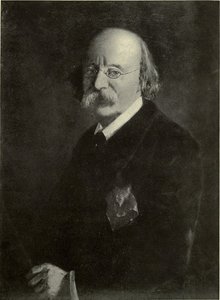
John Anster Fitzgerald
1819 - 1906 , United Kingdom
Основна інформація
- Artistic Movement Or Style: Victorian fairy painting
- Artists Or Movements Influenced By This Artist: ['Surrealism']
- Artists Who Influenced This Artist:
- Bosch
- Brueghel
- Date Of Birth: 1819
- Date Of Death: 1906
- Full Name: John Anster Christian Fitzgerald
- Nationality: British
- Notable Artworks:
- Fairies in the Snow
- Fairy Lovers' Nest
- The Fairies' Banquet
- Who Killed Cock Robin?
- Place Of Birth: Lambeth, United Kingdom

