
 Переглянути в інтер'єрі
 Надіслати
 Поділитися
 Деталі
 Посібник

 Завантажити
 Схожі предмети колекціонування
 Рентгенівське дослідження
 Слайд-шоу
 Статистика переглядів
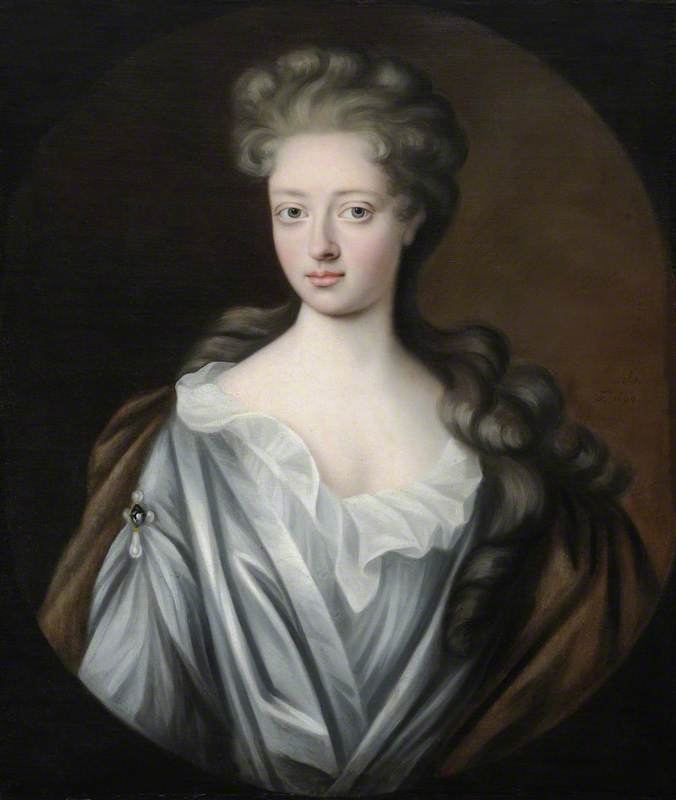
Mary Compton (d.1700), Lady Bourchier ( )
 1699
1699 76.0 x 64.0 cm
 Національний фонд
 Читати далі
Придбайте цифрову копію високої роздільної здатності з покращеною якістю, що значно перевершує онлайн-перегляд.
Кожен файл ретельно підготовлений нашими фахівцями за допомогою сучасних інструментів та професійної ручної ретуші. Ми гарантуємо виняткову чіткість, точну передачу кольору та високу деталізацію кожного зображення.
Фінальний файл надсилається електронною поштою протягом 72 годин і оптимізований для негайного використання у професійних виданнях та друкованих матеріалах. Таку якість обирають провідні дизайнерські студії, видавництва та галереї.
Цифрове зображення
Завантажте файл високої роздільної здатності для особистого використання, друку та творчих проєктів. ( Перейти до друку Купити картину ручної роботи)
Що входить у кожне замовлення цифрових зображень
Експертна цифрова доставка з гарантією якості
Обираючи OriginalUniqueArt.com, ви отримуєте не просто зображення — ви отримуєте професійно вдосконалений цифровий витвір мистецтва, створений з надзвичайною точністю та підкріплений гарантією задоволення. Ось усе, що автоматично додається до вашого замовлення:

Швидка доставка на email
Ваш цифровий файл із зображенням високої роздільної здатності буде надісланий вам електронною поштою протягом 72 годин після оформлення замовлення — він буде готовий до негайного використання.

Цифровий файл із покращенням ШІ
Ваш витвір мистецтва професійно оптимізовано за допомогою передових інструментів штучного інтелекту та ручної корекції, що забезпечує максимальну деталізацію, чіткість і точність передачі кольорів.

Безкоштовне повторне завантаження назавжди
Випадково видалили або втратили файл? Не хвилюйтеся — ми надішлемо його вам повторно в будь-який час безкоштовно.

Без митних зборів — завжди
Насолоджуйтесь вашим витвором мистецтва миттєво без жодних мит, зборів або плати за доставку — цифрові завантаження завжди не оподатковуються.

Гарантія точності кольорів
Ми гарантуємо максимально точне відтворення оригінальних кольорів на вашому цифровому зображенні завдяки використанню професійних інструментів та систем управління кольором.

100-денна гарантія задоволення клієнта
Якщо ви не задоволені придбаним цифровим зображенням, ми внесемо правки або повернемо 100% вартості протягом 100 днів — без зайвих запитань.

Гарантія повернення 100% коштів
Незадоволені покупкою? Отримайте повне повернення коштів протягом 100 днів після отримання цифрового файлу — без зайвих запитань.

Знижки на оптові замовлення
Купуйте 3 зображення — заощаджуйте 10% — Купуйте 5 — заощаджуйте 15% — Купуйте 10+ — заощаджуйте 20%. Чудово підходить для творчих проєктів, галерей та агентств.
Біографія митця
Johannes Verelst: Bridging Worlds Through Portraiture
Johannes Verelst, a name often intertwined with the legacy of his brother Simon, stands as a significant figure in the Dutch Golden Age’s artistic landscape. Born in The Hague in 1648 and tragically passing away in London in 1734, Verelst's career spanned continents and bridged the gap between European aristocratic circles and the burgeoning world of colonial America. While frequently overshadowed by his more commercially successful sibling, a closer examination reveals an artist deeply attuned to the nuances of portraiture, meticulously capturing both the outward appearance and subtle psychological states of his subjects.
Verelst’s early artistic training undoubtedly stemmed from his father, Pieter Verelst, a respected painter known for his exquisite depictions of fruit and flower arrangements. These preliminary studies instilled in young Johannes a profound understanding of composition, color theory, and the delicate rendering of textures – skills that would later inform his more ambitious portrait commissions. However, the tumultuous political climate of the late 17th century, marked by economic instability and shifting artistic trends, forced Verelst to relocate with his family to Amsterdam and eventually London. This constant movement shaped his perspective, exposing him to diverse cultural influences and contributing to a distinctly cosmopolitan approach to his art.
His career in London proved particularly pivotal. The collapse of the Dutch art market following the Thirty Years’ War created unprecedented opportunities for artists seeking patronage from the English aristocracy. Verelst quickly established himself as a sought-after portraitist, catering to a clientele that included prominent figures such as the Duke of Montagu and numerous members of Parliament. Notably, he was commissioned to paint portraits of the “Four Indian Kings,” emissaries from the Iroquois Confederacy who visited Queen Anne in 1710. This monumental undertaking—a series of large-scale oil paintings depicting these indigenous leaders—demonstrates Verelst’s ambition and his willingness to engage with complex historical narratives. The works are not merely representations of physical appearance; they subtly convey a sense of dignity, authority, and the weight of diplomatic responsibility.
The Techniques of a Master: Realism and Psychological Depth
Verelst's artistic style is characterized by an extraordinary level of realism combined with a remarkable sensitivity to psychological detail. He possessed a keen eye for capturing subtle nuances in expression—a fleeting smile, a furrowed brow, the glint of intelligence in the eyes—transforming his subjects into compelling and relatable figures. His use of light and shadow was particularly masterful, creating a sense of depth and volume that brought his portraits to life. He employed a technique known as “chiaroscuro,” skillfully manipulating light to emphasize key features and create dramatic contrasts.
Unlike some of his contemporaries who favored idealized representations, Verelst often depicted his subjects with an unflinching honesty. He wasn’t afraid to capture the imperfections of age or the signs of weariness, imbuing his portraits with a sense of authenticity and immediacy. His meticulous attention to detail extended beyond mere physical likeness; he paid close attention to clothing, jewelry, and accessories, using them as visual cues to reveal the social status, profession, and personality of each individual.
A Complex Legacy: Collaboration and Attribution
The history of Johannes Verelst’s career is complicated by a complex web of collaborations and attribution disputes. His brother, Simon Verelst, was a highly successful portraitist in London, and the two artists frequently worked together, often signing their works jointly or attributing paintings to Simon when Johannes's involvement was significant. This practice has led to considerable debate among art historians regarding authorship—determining precisely which artist contributed to each painting.
Despite these ambiguities, Verelst’s individual contributions are undeniable. His portraits of the “Four Indian Kings” stand as a testament to his artistic skill and historical awareness. Furthermore, numerous other works attributed to him—including depictions of clergymen, ladies, and gentlemen—exhibit the hallmarks of his distinctive style: meticulous realism, psychological depth, and a masterful command of light and shadow. The paintings of Elizabeth Iveson and Bardsey Fisher are prime examples of his skill.
Connections to Colonial America and Beyond
Verelst’s artistic journey ultimately led him to the shores of colonial America. His portraits were highly sought after by wealthy colonists eager to document their status and lineage. The paintings he created for prominent figures like Elihu Yale, a wealthy merchant and philanthropist, offer a fascinating glimpse into the social and cultural dynamics of early American society. These commissions not only provided Verelst with financial security but also cemented his place as an artist deeply connected to the burgeoning transatlantic world.
Verelst’s legacy extends beyond his individual works. He represents a crucial link between the artistic traditions of the Netherlands and the evolving portraiture practices of England and America. His meticulous realism, psychological insight, and willingness to engage with diverse cultural contexts continue to resonate with art lovers today, solidifying his position as a significant figure in the history of European painting.

johannes verelst
1648 - 1734
Коротко про автора
- Artistic Movement Or Style: Portraiture
- Artists Or Movements Influenced By This Artist: ['Simon Verelst']
- Artists Who Influenced This Artist: ['Herman Verelst']
- Date Of Birth: c. 1670
- Date Of Death: 7 March 1734
- Full Name: John Verelst
- Nationality: Anglo-Dutch
- Notable Artworks:
- Four Mohawk Kings
- Elizabeth Iveson
- Place Of Birth: London, England