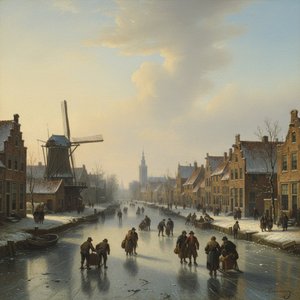
PATINEURS
Олійная репродукція ручної роботи
Написана вручну олією на полотні у вашому розмірі та рамі, виготовлена на замовлення нашими художниками. ( Замовити принт
Купити цифрове зображення)
P118B $10
P118H $10
P118W $10
P438Z $10
P508JH $12
P508YH $12
P805H $10
P805Z $10
P919BZ $10
P919G $10
P919XJ $10
P959ZH $10
P968JZ $12
W106C $8
W218G $10
W218JH $8
W218Y $10
W307PJ $10
W316G $10
W316PJ $8
W316Y $10
W398PJ $8
W4111J $10
W500HY $15
W500JH $15
W692G $12
W849H $8
W940BG $15
W953PJ $8
Обирайте з наших стандартних розмірів, що відповідають оригінальним пропорціям твору мистецтва.
Ви можете вказати власні розміри, щоб репродукція ідеально підійшла до конкретної рами або інтер'єру. Якщо вибраний вами розмір не відповідає пропорціям оригіналу, ми або обріжемо полотно, або доповнимо картину додатковими елементами, промальованими вручну. Цифровий макет буде надіслано вам на затвердження перед початком виробництва.
Зверніть увагу, що попередній перегляд на екрані не відображає фактичне обрізання або розширення зображення. Тільки макет точно покаже остаточну композицію.
Хоча ми можемо виготовити виріб у нестандартному розмірі, для збереження оригінальних пропорцій рекомендуємо обирати варіанти зі встановленого списку.
Після оформлення замовлення команда OriginalUniqueArt.com зв'яжеться з клієнтом електронною поштою для отримання інструкцій та надасть попередній макет
Доставка по всьому світу () за 3–4 тижні замість стандартних 5 тижнів. (14 Серпень). Без жодних компромісів у якості.
Безкоштовна експрес-доставка по всьому світу
Високоякісне лляне полотно
Повне страхове покриття доставки
Гарантія відшкодування митних зборів
Гарантія точного відтворення кольорів
Політика повернення протягом 60 днів (лише у разі виявлення дефектів)
Гарантія повернення 100% коштів
Пропозиція на оптові замовлення
PATINEURS
Матеріал репродукції
Розмір репродукції
-
Підсумкова вартість
$ 300
Опис твору
A Frozen Moment in Time
In the quiet, frost-bitten expanse of PATINEURS, the viewer is transported into a quintessential Dutch winter, where the world seems held in a delicate, icy breath. The scene unfolds across a vast, frozen landscape, populated by figures gliding gracefully across an uneven sheet of ice. A majestic windmill stands as a sentinel in the heart of the composition, its vertical presence anchoring the horizontal sprawl of the wintry plain. In the distance, the ghostly silhouette of a sailboat rests upon the periphery, suggesting a world that continues to move even when the waters are stilled by the cold. This is not merely a depiction of a landscape; it is an invitation to experience the biting chill and the serene stillness of a season in repose.
The emotional resonance of the piece lies in its subtle interplay between movement and stasis. While the skaters provide a rhythmic pulse of human activity, the overarching atmosphere is one of profound tranquility and perhaps a touch of winter melancholy. The muted color palette—a sophisticated arrangement of greys, whites, and deep blues—evokes the overcast, heavy skies typical of a northern winter. There is a certain poetic resilience suggested by the windmill, standing firm against the elements, serving as a symbol of endurance amidst the fleeting, ephemeral nature of the skating season.
The Impressionistic Vision of Johan Barthold Jongkind
As a vital precursor to the Impressionist movement, Johan Barthold Jongkind utilizes a technique that prioritizes atmosphere over rigid anatomical or architectural precision. The painting is characterized by loose, suggestive brushwork that captures the fleeting essence of light and weather. Rather than defining every crack in the ice or every blade of frozen grass, Jongkind employs an alla prima approach, applying paint directly to the canvas to create a tactile, textured surface. This method allows the viewer's eye to complete the scene, finding movement in the sketchy lines and depth in the soft, diffused light.
For the discerning collector or interior designer, this artwork offers a masterclass in atmospheric perspective. The way distant elements fade into a pale, indistinct haze creates an immense sense of scale, making the frozen landscape feel infinite. The lighting is intentionally flat and even, mimicking the soft glow of a cloudy day, which prevents harsh shadows from disrupting the cohesive, wintry mood. This piece serves as a magnificent focal point for any space, offering a sophisticated blend of historical Dutch tradition and the modern, emotive freedom of early Impressionism. It is an evocative acquisition for those who seek to bring the quiet, contemplative beauty of the natural world into their curated environments.
Біографія митця
A Forerunner of Light: The Life and Art of Johan Barthold Jongkind
Johan Barthold Jongkind, a name perhaps less immediately recognizable than those of Monet or Renoir, occupies a pivotal position in the story of Impressionism. Born on June 3, 1819, in Lattrop, a small town in the Netherlands, Jongkind’s artistic journey was one marked by both profound talent and personal struggle. His early life unfolded amidst the tranquil landscapes of Overijssel province, a region that would deeply inform his lifelong fascination with water, light, and atmosphere. Though initially employed as a clerk, his inherent artistic inclinations led him to The Hague in 1837, where he began formal training under Andreas Schelfhout, a respected landscape painter steeped in the Dutch tradition. This foundation proved crucial, instilling in Jongkind a meticulous observation of nature and a mastery of technique that would later be infused with a distinctly modern sensibility. It was a period of learning the fundamentals, but also one of burgeoning ambition, prompting him to seek further artistic development in the vibrant heart of Paris.Parisian Encounters and Artistic Development
The move to Paris in 1846 proved transformative. Jongkind entered the studios of Eugène Isabey and François-Édouard Picot, immersing himself in the French art scene. He quickly gained recognition, exhibiting at the Salon as early as 1848, earning praise from influential critics like Charles Baudelaire and Émile Zola. These were years of promise, yet shadowed by a growing internal turmoil. Jongkind battled with bouts of depression and alcoholism, challenges that would intermittently disrupt his career and personal life. Despite these struggles, he continued to paint prolifically, focusing on scenes of the Seine River, the bustling Parisian streets, and the atmospheric nuances of the surrounding countryside. His work during this period reveals a unique blend of Dutch realism and emerging French Romanticism, characterized by vigorous brushwork and a keen sensitivity to light effects. He wasn’t merely depicting landscapes; he was capturing their fleeting moods, their ephemeral beauty. This ability to convey atmosphere would become his signature style and a key influence on the artists who followed. His early works often featured scenes of everyday life in Paris, rendered with a remarkable attention to detail and a subtle sense of melancholy.A Mentor to Monet: The Seeds of Impressionism
Jongkind's return to the Netherlands in 1855 was temporary. He eventually settled back in Paris in 1861, where his artistic path intersected with that of a young Claude Monet. This encounter proved profoundly significant for both artists. Jongkind became a mentor to Monet, sharing his knowledge of *plein air* painting – working outdoors directly from nature – and encouraging him to embrace a more spontaneous and expressive approach. Monet himself credited Jongkind with providing the “definitive education” of his eye, recognizing in the older artist’s work a freedom and sensitivity that resonated deeply with his own artistic aspirations. Jongkind's influence can be seen in Monet’s early landscapes, particularly those depicting scenes along the Seine, where the emphasis on light, atmosphere, and fleeting impressions is strikingly similar. He wasn’t simply teaching technique; he was imparting a philosophy of seeing, a way of capturing the essence of a moment in time. Jongkind's use of broken color and loose brushstrokes—techniques that would later become hallmarks of Impressionism—helped to liberate Monet from the constraints of academic painting.The Normandy Years: A Synthesis of Tradition and Innovation
From 1862 onwards, Jongkind travelled regularly to Normandy, a region he deeply loved for its dramatic coastline and ever-changing light. There, he established a friendship with the painter Eugène Boudin, becoming acquainted with Claude Monet and Frédéric Bazille. The Saint-Siméon farm in Honfleur became a meeting place for painters who had rank and name in France. This period marked a crucial synthesis of Jongkind’s traditional Dutch training and the emerging Impressionist style. While he retained a respect for the established conventions of landscape painting, he increasingly experimented with brighter colors, looser brushwork, and a more subjective approach to depicting nature. His paintings from this time—such as *The Beach at Trouville* and *The Seine at Honfleur*—are characterized by their atmospheric intensity and their ability to capture the fleeting effects of light on water and sky. It was during these years that Jongkind truly began to forge his own unique artistic identity, blending the best elements of both Dutch and French painting traditions.Legacy and Lasting Influence
Though Jongkind never fully achieved the widespread fame enjoyed by some of his contemporaries, his contribution to the development of Impressionism is undeniable. His paintings, often characterized by their loose brushwork, dramatic skies, and evocative use of color, paved the way for a new approach to landscape painting. He demonstrated that capturing the subjective experience of light and atmosphere was as important as accurately representing physical reality. His work can be found in prominent museums such as the Van Gogh Museum in Amsterdam and the Musée d'Orsay in Paris, testaments to his enduring artistic merit.- Notable Works: *Moonlight on the Canal*, numerous paintings of the Seine near Notre-Dame Cathedral.
- Influence: A key influence on Claude Monet and a forerunner of Impressionism.
- Final Years: Jongkind passed away on February 9, 1891, in Saint-Égrève, France, leaving behind a legacy that continues to inspire artists and art enthusiasts today.
Йоган Бортхольд Жонґкінд
1819 - 1891 , Нідерланди
Короткі факти
- Artistic Movement Or Style: Предтеча імпресіонізму
- Artists Or Movements Influenced By This Artist:
- Клод Моне
- Імпресіонізм
- Artists Who Influenced This Artist:
- Ежен Ізебай
- Андреас Шелфхойт
- Date Of Birth: 3 черв 1819
- Date Of Death: 9 лют 1891
- Full Name: Johan Barthold Jongkind
- Nationality: Нідерландський
- Notable Artworks:
- Місячне сяйво каналу
- Паризькі пейзажі
- Place Of Birth: Латтроп, Нідерланди


Скляний варіант доступний лише для розмірів до 110 см