

 Переглянути в інтер'єрі
 Надіслати як листівку
 Поділитися
 Детальніше

 Завантажити
 Схожі експонати
 Рентгенівське дослідження
 Слайд-шоу
Gabriel Manigault
 Acrylic On Canvas
- WallArt
- Rococo Style
 1757
1757 76.0 x 62.0 cm
 Музей Метрополітен
 Читати далі
Гікле / Художній принт
Музейна якість друку جيкле або на полотні з оперативним виготовленням та різноманітними варіантами фінішної обробки. ( Замовити репродукцію ручної роботи Купити цифрове зображення)




































Обирайте з наших стандартних розмірів, що відповідають оригінальним пропорціям твору мистецтва.

Ви можете вказати власні розміри, щоб репродукція ідеально підійшла до конкретної рами або інтер'єру. Якщо обраний вами розмір не відповідає пропорціям оригіналу, ми або обріжемо полотно, або розширимо зображення за допомогою дзеркального відображення чи суцільної заливки країв. Перед початком виробництва вам буде надіслано цифровий макет для затвердження.
Будь ласка, зверніть увагу, що попередній перегляд на екрані не відображає фактичне обрізання або розширення. Тільки макет точно покаже фінальну композицію.
Хоча можливість замовлення індивідуальних розмірів доступна, ми рекомендуємо обирати формат із попередньо визначеного списку, щоб зберегти оригінальні пропорції.
Доставка по всьому світу () за 2 тижні замість стандартних 4/5 тижнів. (17 Серпень)

Безкоштовна експрес-доставка по всьому світу

Високоякісне лляне полотно

Повне страхове покриття доставки

Гарантія відшкодування митних зборів

Гарантія точного відтворення кольорів

Політика повернення протягом 60 днів (лише у разі виявлення дефектів)

Гарантія повернення 100% коштів

Пропозиція на оптові замовлення
 Скляний варіант доступний лише для розмірів до 110 см

Gabriel Manigault
Гікле / Художній принт
Розмір репродукції
-


Підсумкова вартість
$ 80
Опис експоната
A Window Into Colonial Privilege: Jeremiah Theus’ Portrait of Gabriel Manigault
The Charleston studio of Jeremiah Theus (1716 – 1774) pulsed with the energy of the Rococo era, a period characterized by opulent ornamentation and an embrace of aristocratic grandeur. Amidst this artistic fervor, Theus produced a remarkable series of portraits documenting the lives of South Carolina’s wealthiest families—among them, the Manigault clan, whose patriarch and matriarch are immortalized in “Gabriel Manigault,” a painting measuring 76 x 62 cm created in 1757. This artwork transcends mere representation; it serves as a tangible testament to the social dynamics and material realities of colonial America.The Painter’s Vision: Rococo Style and Technique
Theus' artistic approach exemplifies the hallmarks of Rococo, prioritizing delicate brushstrokes, pastel hues, and asymmetrical compositions—elements designed to evoke beauty and refinement. Unlike the solemn formality of Neoclassical art that dominated Europe at the time, Rococo favored playful elegance and sensual indulgence. The meticulous layering of glazes achieved by Theus lends a luminous quality to the canvas, capturing not only Gabriel Manigault’s likeness but also an aura of aristocratic composure. Notice particularly how he skillfully renders the texture of Manigault's wig—a deliberate gesture reflecting the status symbol prevalent within Charleston society.A Legacy Shaped by Slavery and Rebellion
“Gabriel Manigault” is inextricably linked to the complex history of colonial South Carolina, specifically its reliance on enslaved labor. Gabriel Manigault’s fortune stemmed from rice plantations overseen by hundreds of individuals held captive—a stark reminder of the moral contradictions inherent in the era's prosperity. The painting itself bears witness to this reality through subtle visual cues: the inclusion of two figures flanking Manigault subtly underscores the familial bonds that underpinned the plantation system. However, recent scholarship has unearthed a more provocative interpretation – suggesting that the deliberate defacement of the canvas following the Civil War wasn’t merely vandalism but an act of iconoclasm fueled by formerly enslaved residents seeking to challenge the legacy of oppression. This reimagining elevates “Gabriel Manigault” beyond a portrait of wealth and privilege, transforming it into a symbol of resistance against entrenched social hierarchies.Symbolism Beyond Appearance: The Portrait as Document
The artist’s careful attention to detail extends far beyond capturing physical likeness. Jeremiah Theus employed symbolism to convey deeper meanings about his subjects—and by extension, the Manigault family's position within Charleston society. The pose of Gabriel Manigault—seated with a dignified gaze—communicates authority and stability. Furthermore, the inclusion of two additional figures represents familial connections and reinforces the importance of lineage in upholding social status. These elements contribute to an overall impression of cultivated refinement and reinforce the painting’s role as a historical document capturing a pivotal moment in American aristocratic history.Emotional Resonance: Capturing Essence Through Light
Ultimately, “Gabriel Manigault” succeeds in conveying an emotional resonance that transcends its formal conventions. The soft lighting employed by Theus imbues the portrait with warmth and tranquility—creating an atmosphere of contemplative serenity. This deliberate artistic choice invites viewers to contemplate not only Gabriel Manigault’s appearance but also his inner character—a feat accomplished through masterful technique and a profound understanding of human psychology. It remains a captivating piece, offering insight into both the aesthetic sensibilities of its time and the enduring power of art to illuminate historical narratives.Біографія митця
Jeremiah Theus (1716–1774): Charleston’s Master Portraitist
Jeremiah Theus, born April 5, 1716, in Chur, Switzerland—the eldest child of Simeon and Anna Walser Theüs—stands as a pivotal figure in the artistic landscape of colonial America. His legacy resides primarily within Charleston, South Carolina, where he established himself as the dominant portrait painter for nearly three decades, shaping the visual culture of the burgeoning city and documenting its elite citizenry with remarkable skill and stylistic innovation. While biographical details remain somewhat sparse, scholarly research has illuminated his formative years and propelled him to prominence as a craftsman who skillfully blended European artistic traditions—particularly Rococo—with the evolving sensibilities of the New World. ### Early Life and Artistic Training Theus’s Swiss upbringing instilled in him a foundational understanding of classical art principles, though precise information regarding his formal training is elusive. Given the limitations of educational opportunities during the 18th century, it's plausible that he honed his artistic abilities through self-directed study and apprenticeship—likely mirroring practices common across Europe at the time. His family’s Huguenot faith propelled them to emigrate to South Carolina in 1735, joining a wave of Protestant refugees seeking refuge from persecution. This relocation afforded him access to the fertile intellectual environment fostered by the General Assembly, which actively encouraged European settlement through land grants and transportation subsidies—a circumstance that undoubtedly contributed to his artistic ambitions. ### Arrival in Charleston and Establishing His Studio By 1740, Theus had arrived in Charleston, advertising his services in *The South Carolina Gazette*, signaling a decisive step toward establishing himself as a professional artist within the colony. He swiftly secured a substantial land grant—250 acres along the Edisto River—facilitating the creation of a thriving plantation estate and providing him with considerable financial stability. Recognizing the dearth of artistic talent in Charleston, Theus proactively cultivated his reputation by offering comprehensive portraiture services encompassing portraits of men, women, and children; landscapes; crests; and coats of arms for carriages or chariots—a multifaceted approach that catered to the diverse needs of Charleston’s affluent clientele. His studio, situated on the northeast corner of Broad Street and Meeting Streets, became a hub of artistic activity, attracting commissions from prominent families and cementing his position as Charleston's foremost painter. ### Artistic Style and Influences Theus’s distinctive artistic style—characterized by meticulous attention to detail and an adept incorporation of English decorative conventions—reflects the broader aesthetic trends prevalent in Europe during his era. Like many portraitists of his time, he drew inspiration from mezzotint prints produced in England, meticulously replicating poses and stylistic elements observed in portraits commissioned by aristocratic patrons. Notably, Theus’s penchant for opulent costumes—particularly dresses adorned with ermine—echoed the fashions favored by English nobility, demonstrating a keen awareness of contemporary artistic standards. Furthermore, his collaborations with fellow artists like John Wollaston fostered intellectual exchange and broadened his artistic horizons. ### Major Commissions and Notable Works Throughout his prolific career, Theus undertook numerous commissions spanning diverse subjects—from ecclesiastical portraits to decorative murals—solidifying his reputation as Charleston’s most respected artist. Among his accomplishments stand the steeple painting for St. Michael's Episcopal Church (1756), a project financed by the church’s commissioners and reflecting his commitment to civic engagement; the weather vane for the same church, symbolizing Charleston’s spiritual identity; and contributions towards the construction of a new edifice—demonstrating his generosity and dedication to furthering artistic endeavors. His most celebrated works include portraits of Colonel Barnard Elliott Jr. and his wife (Gibbes Museum of Art), Mrs. Peter Manigault (Charleston Museum), and Susannah Holmes (Charleston Museum)—each meticulously rendered in oil on canvas, capturing the dignity and grace of their subjects with unparalleled precision. These paintings remain treasured artifacts of Charleston’s artistic heritage, embodying the stylistic sophistication and humanist ideals characteristic of Theus's oeuvre. ### Legacy and Historical Significance Jeremiah Theus died May 17, 1774, in Charleston—a solemn occasion commemorated in local newspapers as a testament to his enduring influence on Charleston’s cultural landscape. His will revealed considerable assets—including cash holdings totaling nearly £3,000 and substantial property—reflecting the success of his artistic practice and underscoring his contribution to Charleston's economic prosperity. Theus’s paintings continue to be exhibited in museums across North America and Europe, ensuring that his artistic legacy persists for future generations. His meticulous portraits serve as invaluable documents of colonial society, capturing not only physical likenesses but also the social status and cultural values of Charleston’s elite—a lasting testament to Jeremiah Theus's role as a pivotal figure in American art history.
Єрмайло Теус
1716 - 1774 , Швейцарія
Короткі факти
- Artistic Movement Or Style: Рококо
- Artists Or Movements Influenced By This Artist: ['Елліоттський стиль']
- Artists Who Influenced This Artist: ['Франсуа Котес']
- Date Of Birth: Квітень 5, 1716
- Date Of Death: Травень 17, 1774
- Full Name: Jeremiah Theüs
- Nationality: Швейцарський
- Notable Artworks:
- Портрет Елізабет Маніґольф
- Портрет Барнарда Елліотта та його дружини
- Place Of Birth: Шур, Швейцарія
Пов'язані статті

Топ-10 шедеврів рококо: мистецтво для вашого інтер'єру від OriginalUniqueArt.com
Відкрийте для себе 10 шедеврів рококо від Буше, Фрагонара та Ватто! Історія мистецтва, вишукані техніки та натхнення для декору вашого дому. Репродукції картин високої якості – OriginalUniqueArt.com.

The Rococo Aesthetic: Opulence, Rebellion & the Pursuit of Pleasure in 18th-Century Art
Explore the opulent world of Rococo art! Discover its origins, key artists like Watteau & Boucher, and lasting influence on design. Expert insights for collectors & enthusiasts.
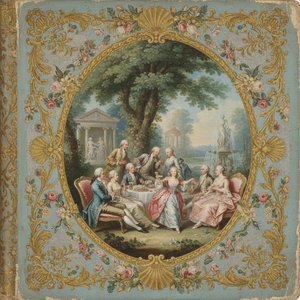
The Rococo Style: Aristocratic Leisure & the Pursuit of Delight in 18th-Century Art
Explore the opulent world of Rococo art! Discover Watteau, Boucher & Nattier's masterpieces. Expert insights for collectors seeking museum-quality reproductions and custom portraits at OriginalUniqueArt.

The Allure of Elegance in Art: A Historical & Aesthetic Exploration of Refinement & Grace
Explore the exquisite world of Rococo art! Discover its history, masters (Watteau, Boucher & more), and defining elegance. Expert insights for collectors seeking museum-quality reproductions & custom portraits.

Reflections of Power: Aristocratic Life in Western Art & the Rococo Era
Explore the captivating world of aristocratic life through Western art history. Discover Rococo masterpieces & portraits of European nobility. Expert insights for collectors and enthusiasts.


