
 Переглянути в інтер'єрі
 Надіслати як листівку
 Поділитися
 Деталі витвору
 Посібник

 Завантажити
 Схожі екземпляри
 Рентгенівське дослідження
 Слайд-шоу
 Питання та відповіді
 Статистика
Présentation de la croix à l’Enfant Jésus

 Розгорнути текст
Отримайте файл, готовий до друку, якість якого значно перевищує якість веб-попереднього перегляду. Кожне цифрове зображення, яке ми продаємо, створене на основі високої роздільної здатності з нашої бази даних — зазвичай від 5 000 до 15 000 пікселів по ширині — тому ви можете впевнено друкувати у великому форматі, робити щільну обрізку або відтворювати найдрібніші деталі.
Жоден файл не залишається в нашій студії без уваги. Експерт із цифрової обробки звіряє кольори з оригінальною картиною та за потреби коригує їх, після чого покращує чіткість і деталізацію за допомогою професійних інструментів ретушування — завжди зберігаючи вірність мазкам пензля та стилю художника. Результатом є зображення, яке виглядає як справжня картина, а не як відскановане фото з накладеними фільтрами.
Ви затверджуєте результат перед завершенням замовлення: протягом 72 годин наш експерт надішле зображення електронною поштою для вашого перегляду. Не задоволені результатом? Ви можете попросити про внесення змін чи виправлень або отримати відшкодування, якщо якість не відповідає вашим очікуванням.
Саме на таку якість покладаються видавництва, дизайн-студії, галереї та друкарні.
Цифрове зображення
Завантажте файл високої роздільної здатності для особистого використання, друку та творчих проєктів. ( Перейти до друку Замовити картину ручної роботи)
Переваги кожного замовлення цифрових зображень
Експертна цифрова доставка з гарантією якості
Обираючи OriginalUniqueArt.com, ви отримуєте не просто зображення — ви отримуєте професійно вдосконалений цифровий витвір мистецтва, створений з надзвичайною точністю та підкріплений гарантією задоволення. Ось усе, що автоматично додається до вашого замовлення:

Швидка доставка на email
Ваш цифровий файл із зображенням високої роздільної здатності буде надісланий вам електронною поштою протягом 72 годин після оформлення замовлення — він буде готовий до негайного використання.

Цифровий файл із покращенням ШІ
Ваш витвір мистецтва професійно оптимізовано за допомогою передових інструментів штучного інтелекту та ручної корекції, що забезпечує максимальну деталізацію, чіткість і точність передачі кольорів.

Безкоштовне повторне завантаження назавжди
Випадково видалили або втратили файл? Не хвилюйтеся — ми надішлемо його вам повторно в будь-який час безкоштовно.

Без митних зборів — завжди
Насолоджуйтесь вашим витвором мистецтва миттєво без жодних мит, зборів або плати за доставку — цифрові завантаження завжди не оподатковуються.

Гарантія точності кольорів
Ми гарантуємо максимально точне відтворення оригінальних кольорів на вашому цифровому зображенні завдяки використанню професійних інструментів та систем управління кольором.

100-денна гарантія задоволення
Якщо ви не задоволені придбаним цифровим зображенням, ми внесемо правки або повернемо 100% вартості протягом 100 днів — без зайвих запитань.

Гарантія повернення 100% коштів
Незадоволені покупкою? Отримайте повне повернення коштів протягом 100 днів після отримання цифрового файлу — без зайвих запитань.

Знижки на оптові замовлення
Купуйте 3 зображення — заощаджуйте 10% — Купуйте 5 — заощаджуйте 15% — Купуйте 10+ — заощаджуйте 20%. Чудово підходить для творчих проєктів, галерей та агентств.
Біографія митця
Тихий майстер французького класицизму: життя та мистецтво Жана Тасселя
Народившись у мальовничому місті Лангр, Франція, у 1608 році, Жан Тассель з’явився на світ у епоху глибоких мистецьких трансформацій. Хоча його ім'я не одразу стає поруч із титанами Високого Відродження чи бароко, Тассель займає захопливу нішу досвідченого майстра та тонкого новатора в межах тогочасного французького класицизму. Його життя, хоча й менш задокументоване порівняно з більш відомими сучасниками, свідчить про відданість витонченій портретній манері та глибоке розуміння форми й характеру, що знаходило відгук у аристократичних колах Франції XVII століття. Перші десятиліття сімнадцятого століття були часом, коли Франція прагнула визначити власну мистецьку ідентичність, відходячи від надмірної драматичності італійського маньєризму до більш стриманої елегантності — напрямку, який Тассель щиро прийняв. Про його формальну освіту відомо небагато; проте якість та витонченість його робіт натякають на навчання під керівництвом здібного майстра, ймовірно, у самому Лангрі або ж завдяки перебуванню в одному з великих мистецьких центрів, таких як Діжон.Портретист провінційної знаті
Творча спадщина Тасселя переважно складається з портретів, на яких зображені представники регіональної знаті та зростаючого буржуазії східної Франції. Ця спрямованість не була наслідком обмеженості, а радше свідомим вибором. Він став дуже затребуваним завдяки своїй здатності вловити не лише зовнішню схожість, але й саму *сутність* своїх моделей — їхній соціальний статус, інтелектуальну цікавість та внутрішній світ. На відміну від деяких портретистів, які робили акцент на демонстративному багатстві через пишні костюми та декорації, Тассель надавав перевагу більш інтимному підходу. Його портрети вирізняються тонкими переходами світла й тіні, ретельно прописаними тканинами та непохитною увагою до деталей обличчя. Він володів дивовижним талантом передавати текстуру — блиск шовку, важкість оксамиту, ніжний рум'янець шкіри. Ці якості робили його роботи особливо привабливими для меценатів, які цінували стриманість та недосказану елегантність. Хоча він не створював грандіозних історичних чи міфологічних полотен, Тассель підняв портрет до рівня мистецтва, що красномовно розповідало про цінності та прагнення певного соціального класу в переломний період французької історії.Впливи та художній розвиток
Визначення прямих впливів на стиль Тасселя — завдання дещо складне. Переважаючі мистецькі течії його часу — роботи Антоні ван Дейке, який тривалий час писав для французького двору, та зароджуючий класицизм, що підтримувався такими майстрами, як Ніколя Пуссен, — безсумнівно, сформували його естетичне сприйняття. Проте Тассель не просто імітував цих майстрів; він синтезував їхні уроки з власним унікальним баченням. Ранні роботи виявляють певну заборгованість плавним мазком та елегантними позами Ван Дейка, але в міру розвитку кар'єри Тассель розробив більш стриману палітру та зробив більший акцент на психологічному реалізмі. Його портрети почали демонструвати тиху гідність та інтелектуальну глибину, що відрізняло їх від більш експресивних стилів його попередників. Він також, імовірно, перебував під впливом зростаючого інтересу до наукового спостереження у XVII столітті, про що свідчать анатомічна точність та ретельне відтворення деталей у його творах.Головні досягнення та тривала спадщина
Хоча ім'я Тасселя може бути не дуже відомим широкому загалу, його внесок у французьке мистецтво є значним. Він утвердився як один із провідних портретистів східної Франції, залишивши по собі вагому спадщину, яка дає безцінні уявлення про життя та звичаї регіональної аристократії. Його здатність передавати як фізичну схожість, так і психологічну глибину була високо оцінена сучасниками. Крім того, акцент Тасселя на стриманій елегантності та витонченій техніці допоміг підготувати ґрунт для розвитку французького портрета в стилі рококо у XVIII столітті. Його картини — це не просто історичні документи; це переконливі витвори мистецтва, які продовжують захоплювати глядачів своєю красою, делікатністю та емоційним резонансом. Попри те, що він пішов із життя у 1667 році, його спадщина живе в численних портретах, що прикрашають приватні колекції та музеї, відкриваючи вікно у світ тихої гідності та художньої майстерності.Перевідкриття Жана Тасселя: сучасне сприйняття
Протягом століть Жан Тассель залишався значною мірою непоміченим істориками мистецтва, перебуваючи в тіні більш видатних постатей. Однак нещодавні дослідження почали проливати світло на його надзвичайний талант та вагомий внесок у французький класицизм.- Його портрети пропонують унікальну можливість зазирнути в життя провінційної знаті.
- Ретельна деталізація та тонка психологічна глибина його робіт дедалі більше визнаються за їхню художню цінність.
- Вплив Тасселя на наступні покоління французьких портретистів стає дедалі очевиднішим.
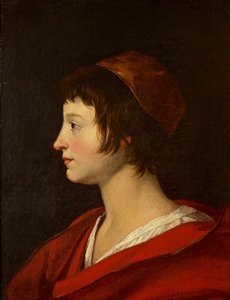
Жан Тассель
1608 - 1667 , Франція