
 Переглянути в інтер'єрі
 Надіслати як листівку
 Поділитися
 Деталі витвору
 Посібник

 Завантажити
 Схожі екземпляри
 Рентгенівське дослідження
 Слайд-шоу
 Питання та відповіді
 Статистика
The Horse Race

- 44.0 x 59.0 cm


 Розгорнути текст
Гікле / Художній принт
Друк جيкле або на полотні музейної якості з оперативним виготовленням та різноманітними варіантами фінішної обробки. ( Замовити картину ручної роботи Перейти до цифрових зображень)




P118B ₴10

P118H ₴10

P118W ₴10

P438Z ₴10

P508JH ₴12

P508YH ₴12

P805H ₴10

P805Z ₴10

P919BZ ₴10

P919G ₴10

P919XJ ₴10

P959ZH ₴10

P968JZ ₴12

W106C ₴8

W218G ₴10

W218JH ₴8

W218Y ₴10

W307PJ ₴10

W316G ₴10

W316PJ ₴8

W316Y ₴10

W398PJ ₴8

W4111J ₴10

W500HY ₴15

W500JH ₴15

W692G ₴12

W849H ₴8

W940BG ₴15

W953PJ ₴8




Обирайте з наших стандартних розмірів, що відповідають оригінальним пропорціям твору мистецтва.

Введіть необхідну ширину та висоту, щоб принт ідеально підійшов до вашої рами або стіни. Принт можна лише обрізати, але не можна зробити більшим за оригінал, тому при зміні пропорцій частина зображення буде втрачена. Перед друком ми надсилаємо вам цифровий макет для затвердження. Зображення на цій сторінці не відображає реальну обрізку — її можна побачити лише на макеті.
Доставка по всьому світу () за 2 тижні замість стандартних 4/5 тижнів. (9 Листопад)

Безкоштовна експрес-доставка по всьому світу

Високоякісне лляне полотно

Повне страхове покриття доставки

Гарантія повернення митних зборів

Гарантія точного відтворення кольорів

Політика повернення протягом 100 днів (лише у разі виявлення дефектів)

Гарантія повернення 100% коштів

Пропозиція на оптові замовлення
 Скляний варіант доступний лише для розмірів до 110 см

The Horse Race
Гікле / Художній принт
Розмір репродукції
-


Підсумкова вартість
₴ 3637
A Dramatic Tableau of Equestrian Might: Géricault’s “The Horse Race”
Jean-Louis André Théodore Géricault's "The Horse Race," painted in 1816, isn’t merely a depiction of a sporting event; it’s a visceral embodiment of Romanticism’s core tenets – passion, drama, and the sublime power of nature. This monumental oil on canvas captures a pivotal moment during a cavalry race, likely inspired by contemporary military displays or perhaps even referencing earlier equestrian competitions, yet transcends simple documentation to become a profound exploration of human emotion and heroic struggle. Géricault, a figure already wrestling with his own turbulent life and artistic ambitions, poured his intense energy into this work, imbuing it with an almost theatrical quality that foreshadows the dramatic intensity of later Romantic painters.
The composition immediately commands attention. The scene is dominated by a dynamic diagonal thrust created by the billowing banner held aloft by a man on horseback – a figure radiating authority and leadership. This central element, charged with movement and color, draws the eye relentlessly forward, while the surrounding figures—a cluster of riders and spectators—are rendered with varying degrees of detail, contributing to the overall sense of controlled chaos. Géricault masterfully employs loose brushstrokes and a vibrant palette dominated by deep blues, browns, and reds, creating an atmosphere thick with energy and excitement. The use of chiaroscuro – dramatic contrasts between light and shadow – further amplifies this effect, highlighting key figures and adding depth to the scene.
The Anatomy of Movement: Technique and Style
Géricault’s technical prowess is evident in his meticulous study of anatomy, particularly the musculature of the horses. He meticulously observed animal movement, translating it onto canvas with remarkable accuracy. The powerful strides of the horses are rendered with a dynamic sense of weight and momentum, while their flowing manes and tails add to the overall impression of raw energy. The artist’s loose brushwork, characteristic of Romanticism, isn't about precise detail but rather capturing the *feeling* of movement—the fleeting moment of exertion, the surge of adrenaline. This technique creates a sense of immediacy and allows the viewer to almost feel the heat of the race.
Furthermore, Géricault’s use of color is remarkably expressive. The bold reds and blues of the banner contrast sharply with the darker tones of the horses and riders, creating a visual focal point that draws the eye. He skillfully employs atmospheric perspective – making distant elements appear paler and less distinct – to create a sense of depth and space. The painting’s overall effect is one of intense dynamism and emotional resonance, achieved through a masterful combination of technique and stylistic choices.
Historical Context: Romanticism and the Napoleonic Era
"The Horse Race" was created during a period of significant social and political upheaval in France – the aftermath of the Napoleonic Wars and the restoration of the monarchy. Romanticism, as an artistic movement, emerged in response to these turbulent times, emphasizing emotion, individualism, and the power of nature. Géricault’s work reflects this spirit perfectly, capturing a moment of heroic action amidst a backdrop of social change. The depiction of military prowess aligns with the era's fascination with national identity and patriotic fervor, while simultaneously exploring themes of human struggle and vulnerability.
Interestingly, the painting also resonates with contemporary events. The subject matter—a cavalry race—was popular entertainment during this period, often associated with displays of military strength and national pride. However, Géricault’s treatment of the scene transcends mere spectacle, imbuing it with a sense of drama and emotional intensity that elevates it to a level of artistic significance.
Symbolism and Emotional Resonance: A Portrait of Heroism
Beyond its technical brilliance, “The Horse Race” is rich in symbolism. The banner held aloft by the central figure represents victory, leadership, and perhaps even the ideals of the nation. The horses themselves embody power, strength, and nobility. Yet, Géricault doesn’t simply celebrate these qualities; he also acknowledges the inherent risks and sacrifices involved in such endeavors. The intense expressions on the faces of the riders—a mixture of determination, excitement, and apprehension—suggest a deeper exploration of human psychology.
Ultimately, “The Horse Race” is a powerful meditation on heroism, ambition, and the complexities of human experience. It’s a painting that continues to captivate viewers with its dramatic intensity, technical mastery, and profound emotional resonance – a testament to Géricault's genius and his enduring legacy as one of the most important artists of the Romantic era.
Питання та відповіді
Який рекомендований розмір друку для «The Horse Race» роботи Жан-Луї Андре Теодор Жерико?
Рекомендований розмір друку для «The Horse Race» роботи Жан-Луї Андре Теодор Жерико — Medium.
Якої форми та розмірів є «The Horse Race» роботи Жан-Луї Андре Теодор Жерико?
Формат твору "The Horse Race" — Landscape, а оригінал має розмір 44 x 59 cm. Обидва показники є корисними під час планування репродукції.
Чи доступна робота "The Horse Race" у вигляді художнього принта?
Щоб замовити принт «The Horse Race» роботи Жан-Луї Андре Теодор Жерико, просто перейдіть на його сторінку Художній принт: художній принт на бавовняному полотні або архівному канвас-папері.
Біографія митця
A Life Forged in Romantic Fire
Jean-Louis André Théodore Géricault, a name that resonates with the burgeoning spirit of French Romanticism, was born into a world poised on the brink of dramatic change. Arriving in Rouen, France, in 1791, his early life unfolded amidst the echoes of revolution and the rising tide of Napoleonic ambition. Though inheriting a comfortable existence through his family’s legal and business ventures – including a tobacco enterprise – Géricault's destiny lay not in law or commerce but within the realm of artistic expression. His initial training under Carle Vernet, a master of English sporting art, instilled in him a keen eye for anatomy and movement, particularly evident in his depictions of horses. However, it was his subsequent studies with Pierre-Narcisse Guérin that provided a foundation in classical composition, though Géricault’s restless spirit soon led him to seek knowledge independently within the hallowed halls of the Louvre.The Louvre as Academy: A Dialogue with Masters
From 1810 to 1815, the Louvre became Géricault's true academy. He immersed himself in the works of the Old Masters – Rubens, Titian, Velázquez, and Rembrandt – not merely copying their techniques but engaging in a profound dialogue with their artistic philosophies. This period was crucial in shaping his distinctive style, characterized by dramatic chiaroscuro, dynamic compositions, and an intense emotionality that set him apart from his contemporaries. He wasn’t simply replicating; he was absorbing the essence of these masters, internalizing their approaches to light, shadow, and human form. This self-directed education fostered a unique artistic voice, one that would soon challenge the prevailing Neoclassical conventions. His early works, like *The Charging Chasseur* (1812), already hinted at this emerging sensibility, showcasing a boldness of execution and a fascination with movement reminiscent of Rubens’ energetic canvases. He continued to explore equestrian themes, honing his skills in depicting the power and grace of horses – a subject that would remain a recurring motif throughout his career.The Raft of the Medusa: A Monument to Human Suffering
Géricault's name is inextricably linked with *The Raft of the Medusa* (1818-1819), a monumental canvas that transcends mere historical depiction and becomes a searing indictment of human fallibility and societal injustice. Inspired by the harrowing true story of the shipwreck of the French frigate Méduse in 1816, where negligence and incompetence led to unimaginable suffering for its passengers, the painting is a visceral portrayal of desperation, hope, and despair. Géricault undertook meticulous research – interviewing survivors, studying corpses at hospitals, and even constructing a scale model of the raft itself to ensure accuracy – resulting in a work that isn’t simply a depiction of tragedy; it’s an immersive experience that confronts viewers with the raw reality of human suffering. The composition, built around two pyramidal structures – one representing despair and death, the other embodying hope and potential rescue – creates a dynamic tension that draws the eye across the canvas. *The Raft of the Medusa* was controversial upon its exhibition at the Salon of 1819, sparking political debate and solidifying Géricault’s reputation as a daring and unconventional artist. The painting's impact extended beyond the art world, becoming a symbol of governmental incompetence and human resilience in the face of unimaginable hardship.Beyond Tragedy: Military Themes and Artistic Legacy
While *The Raft of the Medusa* remains his most celebrated achievement, Géricault’s artistic output extended beyond this singular masterpiece. He continually returned to military themes, evident in works like *Wounded Cuirassier* (1814) and *The Derby of Epsom* (1821), demonstrating a fascination with drama and expressive force. These paintings reveal his continued exploration of human emotion under duress, often focusing on the physical and psychological toll of conflict. He also ventured into portraiture and lithography, further expanding his artistic repertoire. Sadly, Géricault’s life was cut short by illness at the age of 32 in 1824, following years of suffering from riding accidents and a chronic tubercular infection. His premature death robbed the art world of a prodigious talent, but his influence on subsequent generations of artists – particularly Eugène Delacroix – was profound. He is remembered as a pioneer of Romanticism, an artist who dared to confront difficult truths and imbue his work with a powerful emotional resonance that continues to captivate audiences today. His bronze figure reclines, brush in hand, on his tomb at Père Lachaise Cemetery in Paris, above a low-relief panel depicting the harrowing scene from *The Raft of the Medusa* – a fitting tribute to an artist who dedicated his life to capturing the complexities and contradictions of the human condition.Key Characteristics & Influences
- Romanticism: Géricault is considered one of the first French Romantic painters, moving away from Neoclassical ideals towards emotional intensity and dramatic expression.
- Dramatic Composition: His paintings are known for their dynamic compositions, often utilizing diagonal lines and contrasting light and shadow to create a sense of movement and tension.
- Realism & Research: Géricault was committed to realism, conducting extensive research – including studying corpses and interviewing survivors – to ensure the accuracy and emotional impact of his work.
- Influence of Old Masters: He drew inspiration from Baroque masters like Rubens, Titian, and Velázquez, adopting their techniques for dramatic lighting and expressive brushwork.
- Focus on Human Suffering: His art often depicts scenes of tragedy, despair, and the darker aspects of human experience, reflecting a Romantic fascination with intense emotions.

Жан-Луї Андре Теодор Жерико
1791 - 1824 , Франція
Короткі факти
- Artistic Movement Or Style: Романтизм
- Artists Or Movements Influenced By This Artist: ['Ежен Делакруа']
- Artists Who Influenced This Artist:
- Карл Верне
- П'єр-Нарсис Гюрінь
- Date Of Birth: 26 вересня 1791
- Date Of Death: 26 січня 1824
- Full Name: Jean-Louis André Théodore Géricault
- Nationality: Француз
- Notable Artworks:
- Рафт Медузи
- Військовий екіпаж
- Place Of Birth: Руан, Франція
Пов'язані статті

Romantic Realism's Finest: 10 Masterpieces for Your Home | OriginalUniqueArt
Explore 10 defining masterpieces of Romantic Realism! Discover Courbet, Millet & Daumier's powerful paintings—capturing emotion and social realities. Find museum-quality reproductions for your home at OriginalUniqueArt.com.

Топ-10 шедеврів XIX століття: мистецтво та історія для вашого дому
Пориньте у світ мистецтва XIX століття! Від Моне до Ван Гога – відкрийте 10 шедеврів імпресіонізму, реалізму та романтизму. Репродукції картин преміум-якості для вашого дому на OriginalUniqueArt.com. Дослідіть колекцію онлайн!

Émile Jean Horace Vernet: Romantic Realism & Depicting 19th-Century Life
Explore the life & art of Émile Jean Horace Vernet, a master of Romantic Realism. Discover his captivating battle scenes, portraits, and Orientalist works – a window into 19th-century France. Learn about his techniques & enduring legacy.
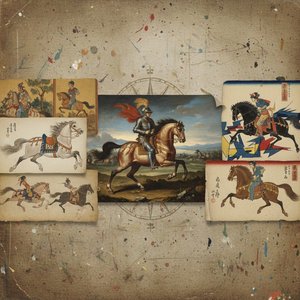
The Noble Steed on Canvas: A Historical & Artistic Exploration of Horse Painting Across Cultures
Explore the rich history of horse painting! Discover masterpieces from Stubbs to Munnings & learn about symbolism, techniques & artists. Find museum-quality reproductions at OriginalUniqueArt.

The Equine Muse: A Historical & Artistic Exploration of Horses in Painting
Explore the captivating history of horses in painting! Discover Renaissance masterpieces, Baroque grandeur & expert insights for collecting equestrian art. Learn about symbolism, techniques & lasting value with OriginalUniqueArt.


