
 Переглянути в інтер'єрі
 Надіслати як листівку
 Поділитися
 Деталі витвору
 Посібник

 Завантажити
 Схожі екземпляри
 Рентгенівське дослідження
 Слайд-шоу
 Питання та відповіді
 Статистика
Self-Portrait

- 61.0 x 49.0 cm


 Розгорнути текст
Гікле / Художній принт
Друк جيкле або на полотні музейної якості з оперативним виготовленням та різноманітними варіантами фінішної обробки. ( Замовити картину ручної роботи Перейти до цифрових зображень)




P118B ₴10

P118H ₴10

P118W ₴10

P438Z ₴10

P508JH ₴12

P508YH ₴12

P805H ₴10

P805Z ₴10

P919BZ ₴10

P919G ₴10

P919XJ ₴10

P959ZH ₴10

P968JZ ₴12

W106C ₴8

W218G ₴10

W218JH ₴8

W218Y ₴10

W307PJ ₴10

W316G ₴10

W316PJ ₴8

W316Y ₴10

W398PJ ₴8

W4111J ₴10

W500HY ₴15

W500JH ₴15

W692G ₴12

W849H ₴8

W940BG ₴15

W953PJ ₴8




Обирайте з наших стандартних розмірів, що відповідають оригінальним пропорціям твору мистецтва.

Введіть необхідну ширину та висоту, щоб принт ідеально підійшов до вашої рами або стіни. Принт можна лише обрізати, але не можна зробити більшим за оригінал, тому при зміні пропорцій частина зображення буде втрачена. Перед друком ми надсилаємо вам цифровий макет для затвердження. Зображення на цій сторінці не відображає реальну обрізку — її можна побачити лише на макеті.
Доставка по всьому світу () за 2 тижні замість стандартних 4/5 тижнів. (15 Листопад)

Безкоштовна експрес-доставка по всьому світу

Високоякісне лляне полотно

Повне страхове покриття доставки

Гарантія повернення митних зборів

Гарантія точного відтворення кольорів

Політика повернення протягом 100 днів (лише у разі виявлення дефектів)

Гарантія повернення 100% коштів

Пропозиція на оптові замовлення
 Скляний варіант доступний лише для розмірів до 110 см

Self-Portrait
Гікле / Художній принт
Розмір репродукції
-


Підсумкова вартість
₴ 3637
Jean-Étienne Liotard’s “Self-Portrait,” A Window into Rococo Introspection
The year 1744 marks a pivotal moment in the artistic trajectory of Jean-Étienne Liotard, a Genevan painter whose oeuvre is defined by an exquisite blend of naturalism and ethereal beauty. His “Self-Portrait,” housed within the hallowed halls of the Uffizi Gallery in Florence, isn’t merely a depiction of a man; it's a carefully constructed meditation on identity, perception, and the delicate balance between the observed world and the inner self. Painted during his period in Rome, this pastel masterpiece exemplifies Liotard’s signature style – a luminous, almost dreamlike quality achieved through masterful layering and an unparalleled sensitivity to light and texture.
Liotard's technique is immediately striking. He eschews the rigid formality of traditional portraiture, opting instead for a relaxed pose and a gaze that feels both direct and contemplative. The pastel medium itself—a relatively new tool in 18th-century art—allowed Liotard to build up color with astonishing subtlety, creating an effect akin to sfumato, the hazy blurring technique perfected by Leonardo da Vinci. Notice how he employs delicate washes of pinks, blues, and greens to capture the nuances of light on his face and clothing, imbuing the portrait with a sense of atmospheric depth. The background, rendered in loose, impressionistic strokes, isn’t merely decorative; it subtly reinforces the feeling of introspection, suggesting an inner landscape mirroring the sitter's thoughts.
A Genevan Artist Embraces the Orient
Born in Geneva in 1702, Liotard’s early life was shaped by his Huguenot heritage and a rigorous artistic training under esteemed miniaturists. However, it was his sojourn to Constantinople between 1738 and 1742 that profoundly influenced his artistic vision. Immersed in the vibrant culture of the Ottoman Empire, he developed a fascination with Eastern aesthetics – particularly the use of rich colors, luxurious fabrics, and the portrayal of everyday life. This influence is subtly present in “Self-Portrait,” not through overt Orientalist tropes, but rather through the overall mood of serenity and an appreciation for tactile textures. The loose brushwork and soft color palette evoke a sense of exoticism without resorting to stereotypical imagery.
Interestingly, Liotard’s embrace of the East wasn't solely aesthetic; it was also deeply personal. He deliberately adopted Turkish dress in his portraits, a conscious decision that challenged European conventions and established him as a unique figure within the art world. This choice, documented in numerous accounts, reflected not just an artistic preference but a genuine engagement with a culture vastly different from his own. It’s a testament to Liotard's intellectual curiosity and willingness to transcend conventional boundaries.
Symbolism of Inner Reflection
Beyond its technical brilliance, “Self-Portrait” is rich in symbolic meaning. The sitter’s direct gaze invites the viewer into his world, fostering a sense of intimacy and shared contemplation. The slightly parted lips suggest a quiet amusement, while the subtle furrow of his brow hints at underlying thoughts and emotions. Some art historians have interpreted the portrait as an exploration of the concept of “inner space”—a realm where the self is revealed through careful observation and artistic representation.
The inclusion of a small, partially visible book in the foreground adds another layer of complexity. It’s a subtle nod to Liotard's own intellectual pursuits – his studies of art theory and his role as an art dealer. The book symbolizes knowledge, reflection, and the pursuit of understanding—qualities that are central to the portrait’s overall message. The soft lighting and hazy atmosphere further contribute to this sense of introspection, creating a space where the viewer is invited to contemplate not just the subject's appearance but also his inner world.
A Timeless Masterpiece for Collectors
Liotard’s “Self-Portrait” remains a captivating work of art, offering a rare glimpse into the mind and soul of a remarkable artist. Its delicate pastel technique, evocative atmosphere, and profound symbolism continue to resonate with viewers centuries after its creation. A high-quality reproduction captures much of this beauty, making it an ideal addition to any collection or interior space. The painting’s luminous quality and contemplative mood create a sense of serenity and intellectual engagement—a perfect choice for those seeking art that transcends mere decoration.
Питання та відповіді
Який настрій та емоцію передає «Self-Portrait» роботи Жан-Етьєн Ліотар?
Переданий настрій твору «Self-Portrait» роботи Жан-Етьєн Ліотар — це Elegant, а його емоційна тональність — Reflective.
Чи можу я скористатися доповненою реальністю, щоб побачити «Self-Portrait» роботи Жан-Етьєн Ліотар у своїй кімнаті?
Сторінка Перегляд в AR для твору «Self-Portrait» роботи Жан-Етьєн Ліотар використовує технологію доповненої реальності, щоб показати витвір у вашому власному просторі за допомогою сумісного пристрою.
Який домінуючий колір у «Self-Portrait» роботи Жан-Етьєн Ліотар?
Найбільш виразним кольором у творі «Self-Portrait» є Clay (#a67555). Домінантний колір допомагає підібрати витвір мистецтва до інтер'єру.
Біографія митця
Ранні роки, родина та навчання
Жан-Етьєн Ліотар з'явився на світ 22 грудня 1702 року в Женеві, Швейцарія. Він народився в родині французьких протестантів, які шукали прихистку в Женеві після подій 1685 року. Його народження супроводжував брат-близнюк Жан-Мішель, який згодом обрав власний шлях як графік та гравір. Це раннє середовище, сформоване переселенням його батьків, заклало тихий та дисциплінований фундамент для наступних років наполегливого навчання.
Його офіційне навчання розпочалося в Женеві під пильним наглядом професорів Даніеля Гарделя та Петіто. Саме під час цих перших уроків він опанував витончені тонкощі емалі та мініатюрного живопису — технік, що вимагали впевненої руки та надзвичайної уваги до деталей. Ці роки становлення заклали ту технічну точність, яка визначатиме його подальшу творчість задовго до того, як він вирішить розширити свої горизонти за межами швейцарських кордонів.
У 1725 році молодий митець переїхав до Парижа, щоб продовжувати свій розвиток. Він провів три роки в майстерні Жана-Батіста Массе — період, який характеризувався радше важкою професійною працею, ніж формальним учнівством. У цей час він працював помічником, створюючи численні копії існуючих творів, щоб забезпечити собі прожиток. Таке практичне занурення в паризьке мистецьке середовище дало йому необхідне розуміння панівдуючих смаків епохи, готуючи його до подорожей, які зрештою приведуть його до Османської імперії.
Життя та діяльність у Константинополі
Проживання Ліотара в Константинополі, що розпочалося у 1738 році та тривало чотири роки, докорінно змінило траєкторію його кар'єри. Поринувши у світ Османської імперії, він відчув глибоке захоплення східною естетикою. Це не було просто миттєвим інтересом до екзотики; він прагнув осягнути текстури та кольори культури, що була надзвичайно далекою від його женевського коріння. Його спостереження були надзвичайно ретельними, зосередженими на тиші домашнього побуту та специфіці місцевих звичаїв.
Він не просто спостерігав з боку. Ліотар перейняв місцевий спосіб життя, часто одягаючи турецький одяг у своє повсякденне життя. Цей вибір одягу був настільки незмінним, що згодом він заслужив прізвисько «турецький живописець». Інтегрувавшись у соціальну тканину міста, він отримав доступ до інтимних сцен, які випадковий мандрівник міг ніколи не побачити. Його пастелі цього періоду передають ці домашні інтер'єри з відчуттям справжньої присутності, виходячи за межі поверхневості, яка часто зустрічається в сучасних йому ориенталістських творах.
- Турецька жінка з бубном (1738)
- Турок, що сидить (бл. 1740)
Техніка та художній стиль
Підхід Жана-Етьєна Ліотара до мистецтва ґрунтувався на суворій відданості натуралізму. У своєму трактаті, Traité des principes et des règles de la peinture, він стверджував, що призначення живопису полягає в тому, щоб бути дзеркалом природи. Ця філософія вела його руку, незалежно від того, чи працював він олією, гравюрою чи своїм найбільш характерним матеріалом — пастеллю. Він прагнув зафіксувати світ з такою точністю, яка дозволяла уникнути штучності, що часто зустрічалася в портретному мистецтві його епохи.
Його майстерність у роботі з пастеллю дозволяла досягати такого сяйва, яке мало хто з його сучасників міг відтворити. Він не просто наносив колір на поверхню; він з силою втискав пастель у основу, створюючи глибокі тональні переходи. Така техніка вимагала особливої підготовки матеріалів. Він часто працював на веллумі — телячій, козячій або ягнячій шкірі, яку обробляли сумішшю риб'ячого клею, вина та дрібного пемзового порошку, щоб створити необхідну текстуру для багатошарового нанесення кольору.
Ця технічна витонченість проявляється в його здатності передавати найтонші текстури тканини та м'які нюанси людської шкіри. Його портрети вирізняються вражаючою деталізацією, захоплюючи унікальний характер моделі через делікатне маніпулювання світлом. І хоча подорожі дарували йому екзотичні сюжети, його метод завжди залишався зосередженим на правдивому спостереженні за своїми моделями.
Видатні твори та шедеври
1744 рік став визначальним для його творчої спадщини, позначившись створенням «Шоколадної дівчини» та виразного «Автопортрета». Останній, що нині зберігається в Галереї Уффіці у Флоренції, відкриває нам глибини його власної ідентичності через магію пастелі. У цій роботі він використовує цей матеріал для накладання кольору витонченою, багатошаровою технікою, що створює відчуття атмосферної глибини. Його здатність вловити найменші нюанси світла та текстури дозволила йому відійти від жорсткої формальності, притаманної традиційному портретному живопису тієї епохи.
Його зв'язок із інтелектуальними колами Європи чітко простежується у «Портреті Франческо Алгаротті», завершеному у 1745 році. Цей пастельний твір передає образ постаті з текучою, світлоносною якістю, підкреслюючи характер філософа через делікатні тональні переходи. Подібним чином його майстерність у зображенні юних натур проявилася у «Портреті Марії Фредеріке ван Рейде-Атлон у семирічному віці» — шедеврі, що зберігається в Музеї Гетті в Лос-Анджелесі. Ці портрети демонструють рідкісну здатність поєднувати фізичну схожість із відчуттям живої присутності людини в моменті.
На пізніх етапах своєї кар'єри Жан-Етьєн Ліотар розширив горизонти творчості, звернувшись до пейзажів рідного краю. У 1770 році він створив полотно «Вид на масив Монблан із майстерні художника в Женеві з автопортретом». Ця олійне живописна робота змальовує панораму швейцарських Альп крізь велике вікно, поєднуючи зовнішню велич гір із тихим, інтимним простором його власної студії. Вона залишається вагомим свідченням його таланту поєднувати реалізм із м'яким, майже імпресіоністичним підходом до передачі світла та перспективи.
Останні роки та смерть
Останнє десятиліття життя Ліотара ознаменувалося переходом від спостережливої точності його ранніх років до глибшого, теоретичного осмислення свого ремесла. У 1781 році він опублікував свій трактат, Traité des Principes et règles de la Peinture, — працю, що мала на меті кодифікувати основні стандарти його професії. Це видання стало відображенням усього життя, присвяченого технічним пошукам, виходячи за межі простого наслідування форми та звертаючись до фундаментальних принципів мистецтва.
Навіть коли його інтереси змістилися в бік інтелектуальних основ живопису, його рука залишалася живою та дієвою у майстерні. Він не полишав фізичного акту творення, продовжуючи писати натюрморти та пейзажі у свої пізні роки. Ці пізніші роботи, часто зосереджені на тиші природи або витонченому розташуванні предметів, забезпечували стабільну творчу діяльність поряд із його більш відомими портретами. Він залишався вірним духу майстерні до самого кінця.
Зрештою, Ліотар повернувся до своїх витоків у Женеву — місто, де він народився у родині торговця Антуана та Анни Соваж. Він залишався у цьому рідному краєвиді до своєї смерті 12 червня 1789 року. Його відхід стався напередодні епохи великих змін, залишивши по собі спадщину, що стала містком між ретельною деталізацією початку XVIII століття та мінливими смаками пізнього Просвітництва.
Де можна побачити його роботи сьогодні
Розподіл творчої спадщини Ліотара по всій Європі та за її межами відкриває перед дослідниками можливість вивчити його технічну майстерність у найрізноманітніших контекстах. Rijksmuseum в Амстердамі володіє найбільшою колекцією його творів, де представлено тринадцять полотен, що демонструють бездоганне володіння обрамленням кольору та формою. У Лондоні Королівська колекція зберігає десять робіт, дозволяючи зазирнути в епоху портретів, що колись були невід'ємною частиною життя британської еліти. Для тих же, хто прагне відчути більш інтимний, камерний характер його мистецтва, Музей мистецтва та історії в Женеві пропонує значну колекцію його пастелей та малюнків.
Він залишається незмінним у великих міжнародних інституціях. Музей Гетті в Лос-Анджелесі зберігає чотири його роботи, тоді як галерея Уфіці у Флоренції бережно охороняє його Автопортрет 1744 року. Ці твори, розсіяні від швейцарських Альп до Середземномор'я, створюють своєрідну фізичну карту життя, присвяченого постійним подорожам між культурними центрами Європи та Османської імперії.
- 1744: Автопортрет — Galleria degli Uffizi, Флоренція
- 1744: Шоколадна дівчина — Gemäldegalerie, Дрезден
- 1754: Портрет принца Едварда, герцога Йоркського та Олбані — Королівська колекція, Лондон
- 1756: Портрет Марії Фредеріке ван Рейде-Атлон у семирічному віці — Музей Гетті, Лос-Анджелес

Жан-Етьєн Ліотар
1702 - 1789 , Швейцарія
Короткі факти
- Artists Who Influenced This Artist:
- Даніель Гардель
- Петито
- Жан-Батіст Массе
- Франсуа Лемуен
- Date Of Birth: 1702
- Date Of Death: 1789
- Full Name: Жан-Етьєн Ліотар
- Nationality: Швейцарець
- Notable Artworks:
- Голландська дівчина за сніданком
- Ла Лізуз
- Шоколадна дівчина
- Ла Бель Ліоненз
- Марія Фредеріке ван Рейде-Атлон у сім років
- Place Of Birth: Женева, Швейцарія
Пов'язані статті

The Introspective Gaze: Tracing the Evolution and Psychological Depth of the Self-Portrait
Explore the psychological evolution of self-portraiture from Dürer to modern masters. Trace the history of the human gaze with us.
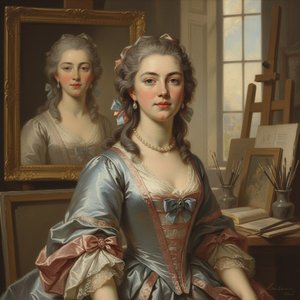
Jean-Étienne Liotard: Rococo Portraiture & the Pursuit of Naturalism
Explore the exquisite Rococo portraits of Jean-Étienne Liotard, a master of pastel and enamel. Discover his innovative techniques, captivating Turkish scenes, and lasting influence on art history. Learn more at OriginalUniqueArt.

Jean-Marc Nattier: Rococo Portraiture & Aristocratic Patronage
Explore the exquisite Rococo portraits of Jean-Marc Nattier, favored by French aristocracy. Discover his artistic techniques, patronage network, and lasting legacy – a guide for discerning collectors.

Beyond Decor: How Custom Historical Portraits Redefine Modern Self-Expression
Discover how custom historical portraits transcend decor to become profound expressions of identity. Explore the artistry of bespoke oil reproductions, from Renaissance mastery to modern reimagining, and learn to transform personal legacies into museum-quality fine art masterpieces.

25 Iconic Masterpieces by Henri de Toulouse-Lautrec: Capturing the Spirit of Montmartre
Step into the vibrant nightlife of Montmartre with our curated guide to the top 25 Henri de Toulouse-Lautrec masterpieces. Explore the soul of Post-Impressionism through iconic prints and museum-quality reproductions. Discover all masterpieces on OriginalUniqueArt.com.
