
 Надіслати
 Поділитися
 Деталі
 Посібник

 Завантажити
 Схожі предмети колекціонування
 Слайд-шоу
 Статистика переглядів
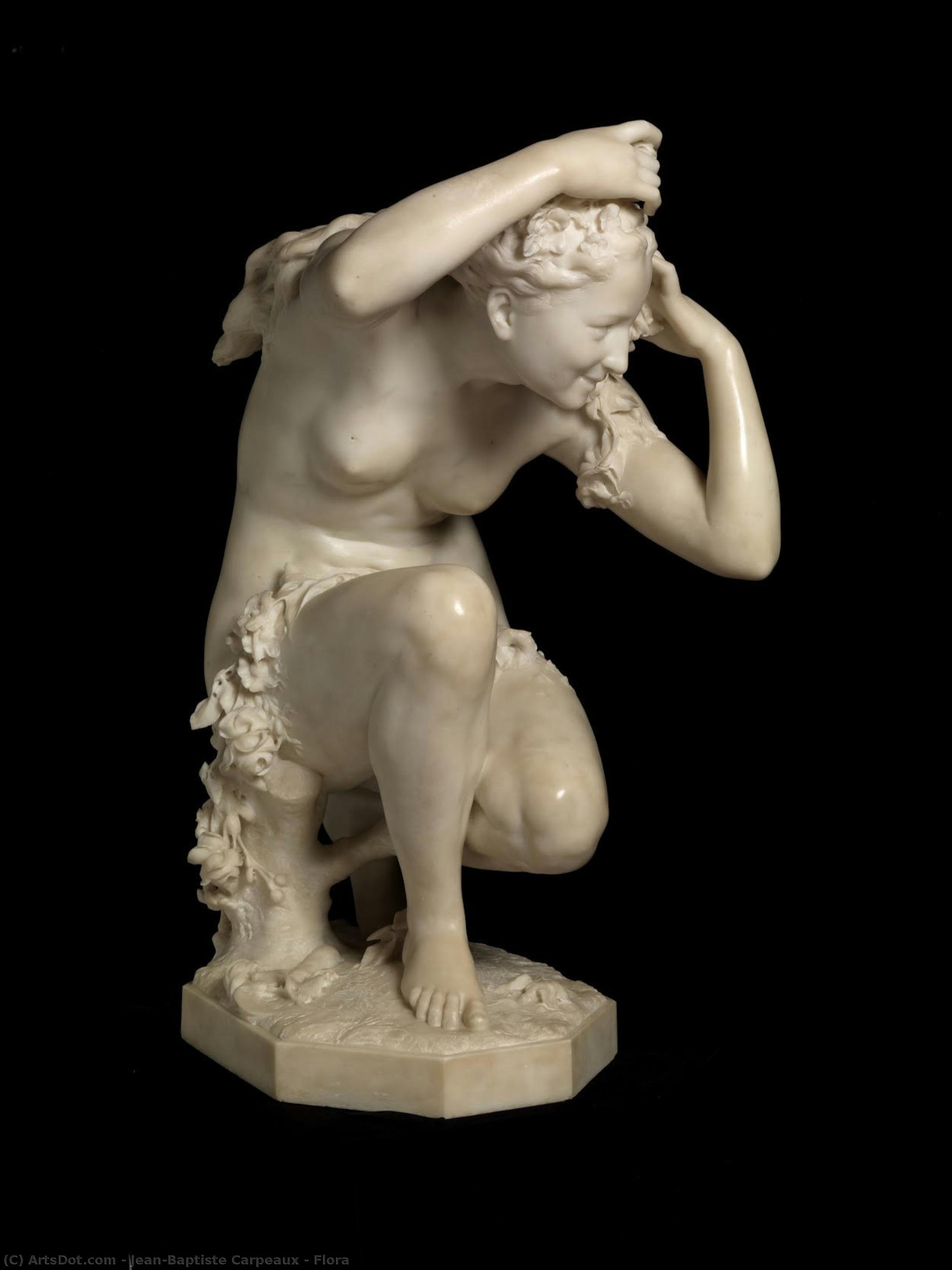
Flora


 Читати далі
Олійная репродукція ручної роботи
Написана вручну олією на полотні у вашому розмірі та рамі, виготовлена на замовлення нашими художниками. ( Перейти до друку Перейти до цифрових зображень)




































Обирайте з наших стандартних розмірів, що відповідають оригінальним пропорціям твору мистецтва.

Введіть необхідну ширину та висоту, щоб картина підійшла до вашої рами або стіни. Оскільки це ручний розпис, для розміру іншої форми художник може написати трохи більше навколо картини або трохи обрізати її — вибір за вами. Перед початком роботи ми надішлемо вам цифровий макет для затвердження. Зображення, показане на цій сторінці, не є реальним результатом — лише макет відображає майбутній вигляд.
Після оформлення замовлення команда OriginalUniqueArt.com зв'яжеться з клієнтом електронною поштою для отримання інструкцій та надасть попередній макет
Доставка по всьому світу () за 3–4 тижні замість стандартних 5 тижнів. (25 Жовтень). Без жодних компромісів у якості.

Безкоштовна експрес-доставка по всьому світу

Високоякісне лляне полотно

Повне страхове покриття доставки

Гарантія повернення митних зборів

Гарантія точного відтворення кольорів

Політика повернення протягом 100 днів (лише у разі виявлення дефектів)

Гарантія повернення 100% коштів

Знижка на оптові замовлення
 Скляний варіант доступний лише для розмірів до 110 см

Flora
Техніка репродукції
Розмір репродукції
-


Загальна вартість
₴ 13465
A Symphony of Marble and Springtime
In the realm of nineteenth-century sculpture, few works capture the ephemeral essence of joy as profoundly as Jean-Baptiste Carpeaux’s Flora. This exquisite marble masterpiece is far more than a mere depiction of a mythological figure; it is a breathtaking celebration of vitality, movement, and the tender arrival of a new season. The sculpture presents a woman in a moment of intimate grace, crouching with a naturalistic ease that seems to defy the very stone from which she is carved. As she reaches up to adorn her hair with delicate blossoms, her lips part in a subtle, enchanting smile—a feature famously modeled after Anne Foucart, whose youthful radiance provided the sculptor with the perfect vessel for expressing pure, unadulterated delight.
The technique employed by Carpeaux is nothing short of miraculous, bridging the gap between the rigid traditions of classical sculpture and the burgeoning desire for emotional realism. While his training under François Rude instilled in him a mastery of form, Carpeost sought to break free from the cold, static nature of academicism. In Flora, one can observe a tactile sensitivity where the smoothness of skin meets the intricate, organic textures of floral garlands. The way light plays across the undulating surfaces of her limbs creates an illusion of breath and pulse, making the marble appear almost soft to the touch. This mastery of texture and light ensures that the piece remains dynamic, inviting the viewer to move around it to discover new shadows and highlights.
Historical Resonance and Artistic Legacy
The origins of this work are deeply intertwined with the architectural grandeur of Paris. Carpeaux was originally commissioned by the architect Lefuel to create a high-relief for the Pavillon de Flore at the Palais du Louvre, themed around the Triumph of Flora. However, the singular figure we admire today emerged from a period of personal and political transition. Executed in 1873 while Carpeaux was living in London following the fall of the Second Empire, this human-scale version represents a mature refinement of his earlier ideas. Commissioned by the art enthusiast Henry James Turner, the sculpture reflects a moment where the artist, though in exile, found the inspiration to revisit and elevate his most beloved theme.
Symbolically, the piece serves as an allegory for rebirth and the cyclical nature of life. By drawing inspiration from the Crouching Aphrodite of classical antiquity, Carpeaux connects the modern spirit of the 1870s to the timeless beauty of the ancient world. The sculpture does not merely represent a goddess; it embodies the very concept of "Spring"—a period of awakening and flourishing. For the discerning collector or interior designer, this work offers a profound emotional anchor. Whether placed in a sunlit gallery or as a focal point in a sophisticated living space, Flora radiates an atmosphere of optimism and elegance, making it an incomparable choice for those looking to infuse their surroundings with a sense of timeless grace and poetic movement.
Запитання та відповіді
Де варто розмістити репродукцію «Flora» Жан-Батьйо Карпеа?
Завдяки своїй формі Portrait, репродукція «Flora» чудово підійде для Living Room.
Яку палітру та яке почуття поєднує в собі "Flora"?
У творі "Flora" кольори Earthy супроводжують Romantic відчуття.
Про що твір "Flora" і яку атмосферу він передає?
«Flora» Жан-Батьйо Карпеа поєднує в собі flora sculpture, renaissance art, louvre pavilion, french art history, marble statues, anne foucart, jean carpeaux legacy із Elegant атмосферою.
Біографія митця
A Life Sculpted in Passion: The World of Jean-Baptiste Carpeaux
Jean-Baptiste Carpeaux, a name forever linked to dynamism and profound emotionality within the realm of 19th-century French sculpture, emerged from humble beginnings – the son of a stonemason – to become one of the most celebrated artists of his time. His early life was deeply rooted in the tangible world of craftsmanship, an experience that profoundly shaped his artistic sensibilities and instilled within him a profound understanding of materials and form. This grounding in the physicality of creation laid the foundation for a career characterized by its tactile realism and remarkable ability to capture the essence of human expression. Initially receiving training under François Rude, the renowned sculptor behind the dramatic reliefs adorning the Arc de Triomphe, Carpeaux benefited from a solid base in classical technique. However, it was at the École des Beaux-Arts that his unique artistic vision truly began to blossom, propelling him towards winning the prestigious Prix de Rome in 1854 – an event that would irrevocably alter the course of his life and send him on a transformative journey to Italy.Roman Reveries and the Birth of a New Style
The years Carpeaux spent immersed in the artistic heartland of Rome proved to be pivotal in shaping his distinctive style. Surrounded by the monumental masterpieces of Michelangelo, Donatello, and Verrocchio, he absorbed their mastery of anatomy, composition, and, crucially, the ability to imbue sculpture with intense emotional power. However, rather than simply replicating these Renaissance giants, Carpeaux embarked on a path of independent innovation, deliberately rejecting the rigid formality that often characterized Neoclassical sculpture. He sought a more fluid, spontaneous approach – one that captured the very energy and vitality of life itself. This shift is vividly illustrated in *Pêcheur napolitain à la coquille* (Neapolitan Fisherboy), a work created during this period. The sculpture, depicting a young boy with a shell, stands out for its remarkable naturalism and sense of movement – qualities that would quickly become hallmarks of Carpeaux’s signature style. It wasn't merely a representation of a figure; it was an embodiment of youthful exuberance, a celebration of carefree joy and the simple pleasures of childhood. This work immediately garnered significant attention upon its exhibition in Paris, establishing Carpeaux as a rising star within the artistic community and securing commissions from Empress Eugénie herself, further solidifying his position as a leading contemporary sculptor.Triumph and Turmoil: The Second Empire Years
Carpeaux’s talent flourished during the Second Empire under Napoleon III, an era marked by a surge of artistic innovation and ambitious public projects. He quickly became a favorite of the imperial court, receiving numerous commissions for portraits and monumental sculptures designed to adorn palaces and public spaces. His work on the façade of the Opéra Garnier in Paris, *La Danse*, remains one of his most enduring achievements – a breathtaking display of dynamic movement and graceful forms that depict figures caught in a swirling vortex of energy. This high-relief sculpture is not only visually stunning but also represents a bold departure from traditional sculptural conventions. However, this masterpiece was not without controversy; its overt sensuality sparked outrage among some conservative critics who deemed it indecent. Despite the criticism, *La Danse* cemented Carpeaux’s reputation as a daring and innovative artist, unafraid to challenge established norms and push the boundaries of artistic expression. Other significant works from this period include *Ugolino and His Sons*, a profoundly moving depiction of Dante's tragic tale of starvation and despair – a testament to Carpeaux’s ability to convey intense psychological depth through sculpted form.A Legacy Forged in Movement and Emotion
Despite facing financial hardships and enduring significant health challenges in later life, Jean-Baptiste Carpeaux remained relentlessly dedicated to his craft until his untimely death in 1875. His influence on subsequent generations of sculptors is undeniable. He broke free from the constraints of academic tradition, embracing a more naturalistic and expressive style that paved the way for artists like Auguste Rodin. Rodin, often considered the father of modern sculpture, acknowledged Carpeaux as a key precursor, recognizing his pioneering efforts in capturing movement and emotion in three dimensions. Carpeaux’s emphasis on realism, combined with his ability to infuse his works with psychological depth, resonated deeply with artists seeking to move beyond mere imitation and explore the complexities of the human experience. His students – including Jules Dalou, Jean-Louis Forain, and Olin Levi Warner – carried forward his legacy, further expanding the boundaries of sculptural expression. Today, Carpeaux’s sculptures are displayed in prominent museums around the world, serving as a lasting testament to his enduring artistic vision and his profound impact on the history of sculpture. His work continues to captivate audiences with its raw emotion, dynamic energy, and timeless beauty.Key Influences and Artistic Development
Carpeaux's artistic development was shaped by a confluence of factors. His upbringing as the son of a stonemason instilled in him a deep appreciation for materials and craftsmanship, providing a foundation for his sculptural practice. Early training under François Rude at the École des Beaux-Arts exposed him to classical techniques while simultaneously encouraging experimentation. The period spent in Rome proved transformative, where he encountered the works of Michelangelo, Donatello, and Verrocchio – masters who demonstrated the power of sculpture to convey emotion and dynamism. Carpeaux’s style evolved from a more traditional Neoclassical approach to one characterized by a heightened sense of realism, movement, and psychological depth. He rejected the formality and rigidity often associated with academic sculpture, embracing a more fluid and spontaneous style that captured the essence of life itself. His work reflects a synthesis of classical influences, Renaissance ideals, and his own unique artistic vision.
Жан-Батьйо Карпеа
1827 - 1875 , Франція
Довідкова інформація
- Artistic Movement Or Style: Реалізм, Динамізм
- Artists Or Movements Influenced By This Artist: ['Огюст Роден']
- Artists Who Influenced This Artist:
- Франсуа Руде
- Мікеланджело
- Донателло
- Date Of Birth: 1827
- Date Of Death: 1875
- Full Name: Jean-Baptiste Carpeaux
- Nationality: Француз
- Notable Artworks:
- Уголіно та його сини
- Неапольський рибалка
- Танець
- Place Of Birth: Валенсієнн, Франція
Схожі статті

Jean-Baptiste Carpeaux: Sculpting Passion & Controversy in 19th-Century France
Explore the passionate life & controversial works of Jean-Baptiste Carpeaux, a leading French sculptor of the Second Empire. Discover his realism, iconic sculptures like 'Ugolino,' and lasting legacy as a precursor to Rodin.

10 легендарних бронзових скульптур, що змінили мистецтво | OriginalUniqueArt
Відкрийте 10 легендарних бронзових скульптур, що змінили хід мистецтва! Дізнайтесь історії Мікеланджело, Родена та інших геніїв. Репродукції картин преміум-класу для вашого дому – на OriginalUniqueArt.com

The Enduring Allure of Marble in Art History: From Classical Sculpture to Modern Abstraction
Explore the captivating history of marble sculpture from ancient Greece to modern art. Discover renowned artists like Canova & Michelangelo, carving techniques, and investment insights at OriginalUniqueArt.

Timeless Elegance: A Complete Guide to the Sublime Beauty and Artistry of Marble Sculpture
Discover the sublime beauty of marble art through an expert exploration of Renaissance and Neoclassical masterpieces. From the delicate textures of Carpeaux to the grandeur of Sansovino, immerse yourself in a guide to timeless elegance and sculptural perfection.

The Enduring Form: Exploring Themes & Techniques in Sculpture Across Historical Periods
Explore the rich history of sculpture from ancient masterpieces to contemporary innovations. Discover key techniques, influential artists & investment potential for discerning art collectors.