 Переглянути в інтер'єрі
 Надіслати
 Поділитися
 Деталі

 Завантажити
 Схожі експонати
 Рентгенівське дослідження
 Слайд-шоу
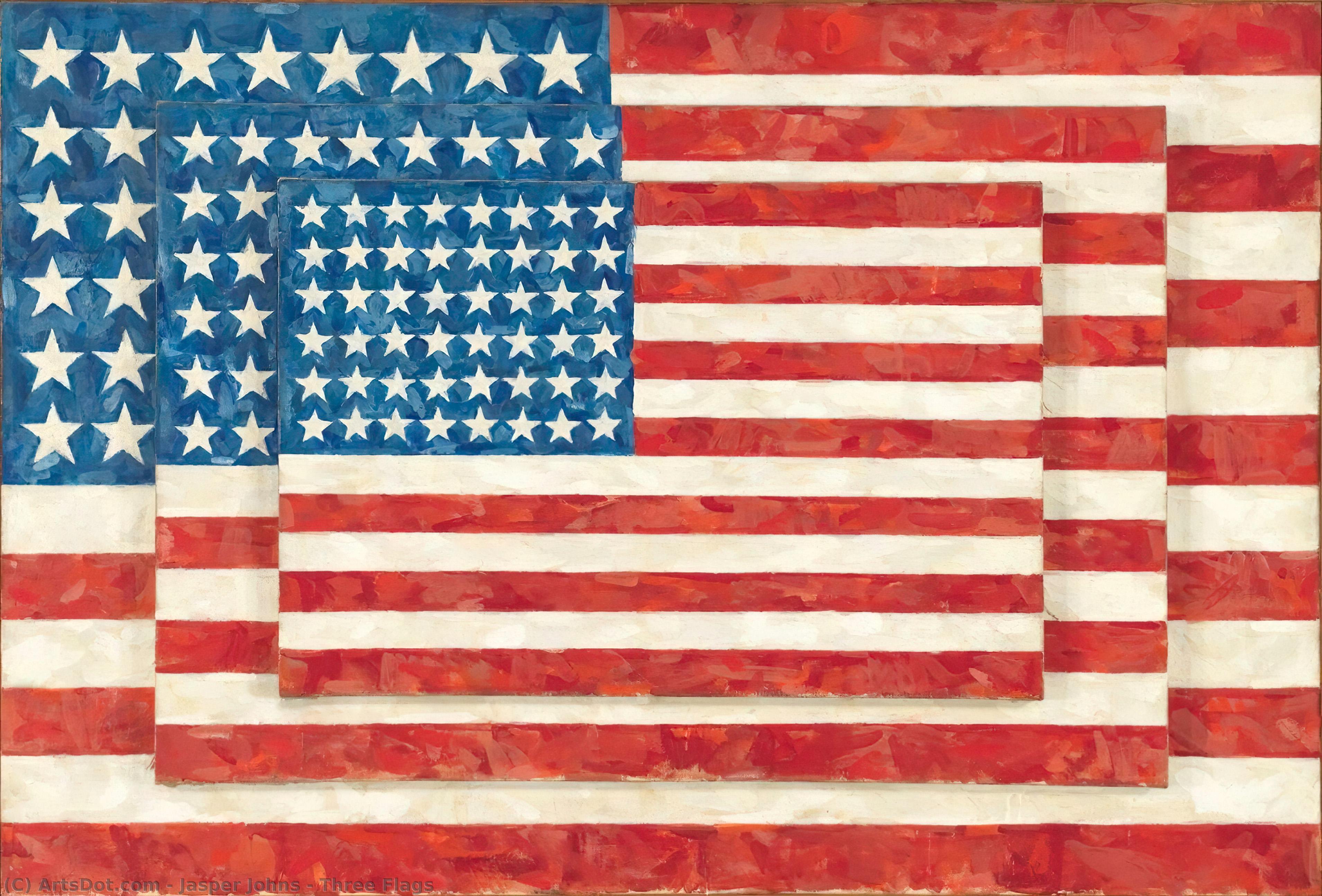
Three Flags


 Читати далі
Гікле / Художній принт
Музейна якість друку جيкле або на полотні з оперативним виготовленням та різноманітними варіантами фінішної обробки. ( Перейти до замовлення ручного розпису Перейти до зображення)




P118B $10

P118H $10

P118W $10

P438Z $10

P508JH $12

P508YH $12

P805H $10

P805Z $10

P919BZ $10

P919G $10

P919XJ $10

P959ZH $10

P968JZ $12

W106C $8

W218G $10

W218JH $8

W218Y $10

W307PJ $10

W316G $10

W316PJ $8

W316Y $10

W398PJ $8

W4111J $10

W500HY $15

W500JH $15

W692G $12

W849H $8

W940BG $15

W953PJ $8




Обирайте з наших стандартних розмірів, що відповідають оригінальним пропорціям твору мистецтва.

Ви можете вказати власні розміри, щоб репродукція ідеально підійшла до конкретної рами або інтер'єру. Якщо обраний вами розмір не відповідає пропорціям оригіналу, ми або обріжемо полотно, або розширимо зображення за допомогою дзеркального відображення чи суцільної заливки країв. Перед початком виробництва вам буде надіслано цифровий макет для затвердження.
Будь ласка, зверніть увагу, що попередній перегляд на екрані не відображає фактичне обрізання або розширення. Тільки макет точно покаже фінальну композицію.
Хоча можливість замовлення індивідуальних розмірів доступна, ми рекомендуємо обирати формат із попередньо визначеного списку, щоб зберегти оригінальні пропорції.
Доставка по всьому світу () за 2 тижні замість стандартних 4/5 тижнів. (11 Серпень)

Безкоштовна експрес-доставка по всьому світу

Високоякісне лляне полотно

Повне страхове покриття доставки

Гарантія відшкодування митних зборів

Гарантія точного відтворення кольорів

Політика повернення протягом 60 днів (лише у разі виявлення дефектів)

Гарантія повернення 100% коштів

Знижка на оптові замовлення
 Скляний варіант доступний лише для розмірів до 110 см

Three Flags
Гікле / Художній принт
Розмір репродукції
-


Загальна вартість
$ 80
Опис колекційного експоната
A Masterpiece of Texture and Presence
In the pantheon of twentieth-century American art, few works command the room with as much tactile authority as Jasper Johns’ Three Flags. Created in 1958, this monumental achievement is far more than a mere depiction of national iconography; it is a profound exploration of how we perceive the world around us. At first glance, the viewer is met with a striking, tiered arrangement of three American flags, stacked vertically and decreasing in size as they move toward the background. However, Johns employs a brilliant subversion of classical perspective. Instead of receding into the distance, the canvases appear to project outward, invading the viewer's personal space and creating an object-like quality that blurs the line between a flat painting and a three-dimensional sculpture.
For the discerning collector or interior designer, this piece offers a unique architectural dimension. It does not simply hang on a wall; it inhabits the room. The way the smallest flag sits atop the larger ones creates an illusion of depth that can transform a minimalist gallery space or add a sophisticated, intellectual focal point to a contemporary study. It is a work that demands close inspection, rewarding the observer with a complex interplay of light and shadow that changes as one moves around it.
The Alchemy of Encaustic and Symbolism
The true soul of Three Flags lies in its extraordinary surface. Johns utilized the ancient technique of encaustic—a method involving pigments mixed with heated beeswax—to achieve a level of textural richness that is almost unparalleled in modern painting. As the wax cooled, it captured every deliberate mark, stamp, and fragment of newspaper, resulting in a sensuous, variegated surface that feels both rugged and luminous. This thick, sculptural application of medium gives the red, white, and blue stripes a physical weight, making the familiar symbols of the flag feel grounded and visceral.
Beyond its technical brilliance, the painting serves as a cornerstone of the Neo-Dada movement. By choosing an emblem as ubiquitous and "seen but not looked at" as the American flag, Johns challenged the emotive excesses of Abstract Expressionism. He took a symbol that the mind already knows and forced the eye to truly examine it. Through this process, he stripped away the purely political or patriotic connotations of the flag, refocusing the viewer's attention on its geometric patterns, its colors, and the very essence of its form. It is a masterful exercise in turning the familiar into something extraordinary.
An Enduring Legacy for Modern Interiors
Integrating a high-quality reproduction of Three Flags into a curated collection allows one to bring a piece of art history into the modern home. The painting’s palette—a classic combination of deep reds, crisp whites, and authoritative blues—is inherently versatile, complementing both mid-century modern aesthetics and ultra-contemporary decor. It provides a sense of historical gravity while maintaining a bold, avant-garde edge that remains strikingly relevant.
To own a piece inspired by this work is to possess a fragment of the moment when art redefined itself for the post-war era. It is an invitation to contemplate the boundaries between abstraction and representation, and a celebration of the beauty found in the textures of everyday life. Whether placed in a high-end residential setting or a professional design studio, Three Flags continues to inspire awe, provocation, and a deep appreciation for the transformative power of the artist's hand.
Біографія митця
A Life Painted in Symbols: The World of Jasper Johns
Jasper Johns emerged as a pivotal figure in the landscape of American art, bridging the emotive intensity of Abstract Expressionism with the burgeoning Pop Art movement that would soon redefine artistic boundaries. Born in Augusta, Georgia, in 1930, his early life was marked by a sense of displacement following his parents’ divorce, an experience that perhaps subtly informed his later explorations of identity and belonging within the context of American iconography. His formative years unfolded across various schools before he briefly attended the University of South Carolina, but it wasn't until his move to New York City in 1949 that Johns truly began to forge his artistic path. A period of service during the Korean War further shaped his perspective, exposing him to a world far removed from the burgeoning art scene he was eager to embrace upon his return.Breaking with Abstraction: The Dawn of a New Visual Language
The post-war American art world was dominated by Abstract Expressionism—a style characterized by spontaneous gesture and deeply personal emotional expression. While initially influenced by this movement, Johns felt compelled to move beyond its purely non-representational approach. He sought a new visual language, one that incorporated recognizable imagery not as illustrations but as vehicles for deeper contemplation. This wasn’t simply about *depicting* the world; it was about questioning how we perceive and interpret symbols within it. Key influences guided his departure: Marcel Duchamp's radical readymades challenged conventional notions of art-making, forcing a redefinition of what constituted “art,” while the emphasis on materiality in Abstract Expressionism informed Johns’ early techniques. However, it was the everyday objects and potent symbols of American culture—flags, targets, maps, numbers—that truly became central to his artistic vocabulary. He wasn’t interested in escaping representation; he wanted to dissect it, layer it with meaning, and ultimately reveal its inherent ambiguities. This deliberate shift away from pure abstraction signaled a profound change in the way art was conceived and experienced.Iconic Images: Flags, Targets, and the Language of Symbols
Johns' breakthrough works arrived in the mid-1950s, instantly establishing him as a force to be reckoned with. His paintings of flags, most notably *Flag* (1954–55), were not patriotic declarations but rather investigations into the very nature of representation. Rendered in a semi-abstract style, using encaustic—pigment mixed with hot wax—and collage techniques, these flags weren’t simply images; they were textured surfaces laden with symbolic weight. The *Flag* wasn't just a depiction of an American symbol; it was a meditation on the act of seeing, the nature of memory, and the complexities of national identity. The target series, beginning in 1958, further explored this fascination with recognizable forms, questioning perception and meaning through the seemingly straightforward image of a bullseye. *Map* (1961), with its fragmented and layered depictions of the United States, delved into themes of geography, identity, and the complexities of national representation. Works like *False Start* (1959) demonstrated his experimentation with language and visual codes, creating complex compositions that challenged viewers to decipher their underlying meanings. Even *White Flag* (1955), a seemingly simple monochrome canvas, prompted profound questions about absence, surrender, and the very act of seeing. These recurring motifs weren’t presented as straightforward symbols but rather as starting points for deeper inquiry.Influences and Techniques: A Hybrid Approach
Johns' artistic development was shaped by a diverse range of influences. He deeply admired the work of Marcel Duchamp, whose readymades challenged traditional notions of art and authorship. The emphasis on materiality in Abstract Expressionism—particularly the use of texture and surface—also played a crucial role in his early techniques. However, Johns’ approach went beyond simply incorporating these elements; he actively manipulated them to create layered meanings. He frequently employed encaustic, a technique involving pigment mixed with hot wax, which allowed him to build up complex textures and surfaces that seemed to shift and change depending on the viewer's perspective. Collage was another key element of his practice, often used to juxtapose recognizable imagery with abstract forms. Johns’ work can be seen as a synthesis of these diverse influences—a deliberate blending of abstraction, representation, and symbolism.Recognition and Enduring Impact
Jasper Johns has received numerous accolades throughout his illustrious career. He was awarded the Golden Lion at the Venice Biennale in 1988, the National Medal of Arts in 1990, and the Presidential Medal of Freedom in 2011—recognizing his profound contribution to American art. His works are held in major museum collections around the world, including the Museum of Modern Art, the Whitney Museum of American Art, the Metropolitan Museum of Art in New York, and Tate Modern in London. Beyond his paintings, Johns’ contributions extend to sculpture and printmaking, demonstrating his versatility and unwavering commitment to artistic innovation. His enduring legacy lies not only in the iconic images he created but also in the profound questions he raised about the nature of representation, symbolism, and the very essence of what it means to be an artist in a rapidly changing world. He remains an active artist, constantly evolving his approach and solidifying his position as one of the most important figures in 20th and 21st-century art.
Джеспер Джонс
1930 - , США
Досьє митця
- Artistic Movement Or Style: Поп-арт, Абстрактний експресіонізм
- Artists Or Movements Influenced By This Artist:
- Andy Warhol
- Roy Lichtenstein
- Artists Who Influenced This Artist: ['Marcel Duchamp']
- Date Of Birth: 15 травня 1930
- Full Name: Jasper Johns
- Nationality: Американський
- Notable Artworks:
- Flag
- Target
- Map
- Place Of Birth: А Augusta, США
Схожі статті

Джон Сінґер Са́рджент: 25 шедеврів американського імпресіонізму для вашого дому | OriginalUniqueArt
Відкрийте 25 найкращих картин Джона Сінґера Са́рджента – американського імпресіоніста, майстра портретів та елегантного живопису. Історія мистецтва, техніки та натхнення для вашого дому від OriginalUniqueArt.com! Дослідіть повну колекцію онлайн.

Neo-Abstract Art: The High-Impact Evolution of Modern Visual Energy and Geometric Sophistication
Discover the power of Neo-Abstract art. Explore how bold geometric forms and high-impact visual energy are redefining modern design. Learn to curate sophisticated, high-energy spaces with the latest trends in contemporary abstraction and structural color.

Топ-25 шедеврів Джона Констебла: пейзажі Англії для вашого дому | OriginalUniqueArt
Відкрийте для себе 25 найкращих шедеврів Джона Констебла! Англійські пейзажі, романтизм та емоційне світло в живописі. Репродукції картин високої якості для вашого дому від OriginalUniqueArt.com. Дослідіть повну колекцію онлайн!
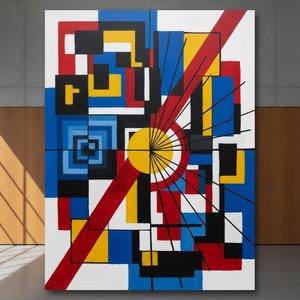
Neo-Abstract Art: Redefining Modern Expression Through Bold Compositions and Geometric Sophistication
Explore the profound evolution of Neo-Abstract art. Discover how bold geometric forms, vibrant chromatic depth, and tactile textures redefine modern expression for the discerning collector seeking sophisticated, high-impact masterpieces for contemporary interiors.

Топ-10 шедеврів абстрактного експресіонізму: мистецтво, яке змінила епоху | OriginalUniqueArt.com
Відкрийте для себе 10 шедеврів абстрактного експресіонізму! Дізнайтесь історію Поллока, Ротко та інших геніїв. Репродукції картин преміум-якості для вашого дому від OriginalUniqueArt.com. Дослідіть колекцію онлайн!