

 Переглянути в інтер'єрі
 Надіслати як листівку
 Поділитися
 Детальніше

 Завантажити
 Схожі експонати
 Рентгенівське дослідження
 Слайд-шоу
Still-Life with Rarities
 Oil On Canvas
- WallArt
- Dutch Golden Age
 1712
1712- Early Modern
 74.0 x 63.0 cm
 Музей Мистецтв Будапешта
 Читати далі
Гікле / Художній принт
Музейна якість друку جيкле або на полотні з оперативним виготовленням та різноманітними варіантами фінішної обробки. ( Замовити репродукцію ручної роботи Купити цифрове зображення)




P118B $10

P118H $10

P118W $10

P438Z $10

P508JH $12

P508YH $12

P805H $10

P805Z $10

P919BZ $10

P919G $10

P919XJ $10

P959ZH $10

P968JZ $12

W106C $8

W218G $10

W218JH $8

W218Y $10

W307PJ $10

W316G $10

W316PJ $8

W316Y $10

W398PJ $8

W4111J $10

W500HY $15

W500JH $15

W692G $12

W849H $8

W940BG $15

W953PJ $8




Обирайте з наших стандартних розмірів, що відповідають оригінальним пропорціям твору мистецтва.

Ви можете вказати власні розміри, щоб репродукція ідеально підійшла до конкретної рами або інтер'єру. Якщо обраний вами розмір не відповідає пропорціям оригіналу, ми або обріжемо полотно, або розширимо зображення за допомогою дзеркального відображення чи суцільної заливки країв. Перед початком виробництва вам буде надіслано цифровий макет для затвердження.
Будь ласка, зверніть увагу, що попередній перегляд на екрані не відображає фактичне обрізання або розширення. Тільки макет точно покаже фінальну композицію.
Хоча можливість замовлення індивідуальних розмірів доступна, ми рекомендуємо обирати формат із попередньо визначеного списку, щоб зберегти оригінальні пропорції.
Доставка по всьому світу () за 2 тижні замість стандартних 4/5 тижнів. (20 Серпень)

Безкоштовна експрес-доставка по всьому світу

Високоякісне лляне полотно

Повне страхове покриття доставки

Гарантія відшкодування митних зборів

Гарантія точного відтворення кольорів

Політика повернення протягом 60 днів (лише у разі виявлення дефектів)

Гарантія повернення 100% коштів

Пропозиція на оптові замовлення
 Скляний варіант доступний лише для розмірів до 110 см

Still-Life with Rarities
Гікле / Художній принт
Розмір репродукції
-


Підсумкова вартість
$ 80
Опис експоната
Still-Life with Rarities by Jan van der Heyden
Jan van der Heyden’s “Still-Life with Rarities,” completed in 1712, stands as a testament to the artistic sensibilities of the Dutch Golden Age and embodies the profound philosophical currents that shaped European thought during its apex. More than merely a depiction of objects arranged on a tabletop—a convention prevalent in still life painting at the time—the artwork operates as a carefully constructed meditation on mortality, beauty, and the ephemeral nature of earthly pleasures.
- Subject Matter: The scene unfolds within a richly furnished room dominated by a fireplace mantel adorned with a portrait above it. Scattered across the surface are meticulously rendered items – a bird in hand, several books, a vase brimming with flowers—each chosen to convey symbolic significance.
- Style & Technique: Van der Heyden’s masterful use of oil paint on canvas exemplifies the Baroque style's emphasis on dramatic lighting and meticulous detail. The artist skillfully employs chiaroscuro – contrasting light and shadow – to sculpt the forms of his subjects, creating a palpable sense of depth and realism.
- Historical Context: Painted during a period marked by intellectual ferment—the rise of Cartesian philosophy and burgeoning interest in scientific observation—the artwork reflects the humanist preoccupation with understanding human existence and confronting death’s inevitability. The inclusion of biblical references reinforces this thematic core.
- Symbolism: The arrangement of objects is laden with symbolic meaning. The bird represents innocence and fragility, mirroring the fleeting beauty of life itself. The books symbolize knowledge and wisdom—a pursuit deemed crucial for achieving spiritual enlightenment. The vase overflowing with flowers symbolizes abundance and fertility, yet also serves as a poignant reminder of decay and transience.
- Emotional Impact: “Still-Life with Rarities” compels viewers to contemplate the transient nature of earthly possessions and achievements. Its subdued palette—dominated by earthy tones—contributes to an atmosphere of solemn contemplation, inviting reflection on the human condition. The artist’s deliberate composition underscores the overarching message that true fulfillment lies not in material accumulation but in cultivating inner virtue and accepting mortality with grace.
The artwork's enduring appeal stems from its ability to transcend stylistic conventions and speak directly to universal themes of beauty, loss, and contemplation—a legacy cemented by its prominent place within the Szépmúvészeti Múzeum’s collection in Budapest.
Біографія митця
A Pioneer of Urban Landscapes: The Life and Art of Jan van der Heyden
Jan van der Heyden, born in 1637 in the bustling Dutch town of Gorinchem, stands as a remarkably multifaceted figure in the history of art and innovation. More than simply a painter celebrated for his meticulously rendered cityscapes, he was an ingenious engineer whose contributions profoundly impacted firefighting technology and urban planning – a testament to his inventive spirit and dedication to improving daily life. His early years were shaped by his Mennonite upbringing, leading his family to settle in Amsterdam in 1646, a move that would irrevocably influence the trajectory of his artistic development. The formative years spent within the familial workshop, likely guided by his brother Goris – a skilled craftsman specializing in mirrors – instilled in him an appreciation for precision and detail, qualities that would later become hallmarks of Van der Heyden’s paintings. Some scholars suggest a potential apprenticeship with Jacob van der Ulft, a respected glass painter from Gorinchem, further honing his draftsmanship and color application skills—techniques initially employed in creating *verre eglomisé*, decorative paintings on glass – a technique that likely informed the luminous quality of his cityscapes.From Decorative Arts to Architectural Precision
Van der Heyden’s artistic journey gradually shifted towards a specialization that secured his place as one of the most significant architectural painters of the Dutch Golden Age. Unlike many of his contemporaries who primarily focused on portraits or historical scenes, Van der Heyden turned his gaze toward the vibrant and ever-changing streets and stately canals of Amsterdam and beyond. His canvases offer remarkably detailed views not only of his adopted city but also of other thriving urban centers throughout the Netherlands, Flanders, and even Germany. Works such as *View of Oudezijds Voorburgwal with the Oude Kerk in Amsterdam* exemplify this unwavering commitment to realism, capturing the subtle interplay of light on brickwork, the textured surfaces of cobblestone streets, and the lively atmosphere that characterized 17th-century urban life. He wasn’t content merely documenting existing scenes; Van der Heyden also possessed a remarkable imagination, creating “architectural fantasies”—compelling compositions that blended elements from diverse structures—anticipating artistic trends that would blossom in later centuries. These fantastical visions demonstrate both his technical mastery and his playful creativity, revealing an artist who was constantly pushing the boundaries of representation. Beyond these imaginative landscapes, Van der Heyden occasionally ventured into still life painting, as evidenced by *Still-Life with Globe, Books and Chinese Silk*, showcasing his versatility and meticulous attention to detail across a range of subjects.An Engineer’s Vision: Innovation Beyond the Canvas
What truly distinguishes Jan van der Heyden is that he was far more than just an artist; he was a practical inventor and engineer driven by a desire to solve real-world problems, most notably in the realm of firefighting. In 1672, collaborating with his brother Nicolaes – a skilled hydraulic engineer – he devised significant improvements to the fire hose, addressing a critical challenge faced by densely populated urban areas. This wasn’t merely a minor adjustment; it was a groundbreaking advancement in firefighting technology that dramatically increased efficiency and reach. Van der Heyden didn't rest on his laurels. He actively reorganized Amsterdam’s volunteer fire brigade in 1685, implementing more effective strategies and protocols to ensure swift and coordinated responses to emergencies. His dedication culminated in the publication of *Brandspuiten-boek* – widely considered the first comprehensive firefighting manual—a meticulously illustrated guide that served as a vital resource for firefighters throughout the Netherlands and beyond. This work wasn’t simply a technical document; it was a testament to his unwavering commitment to public safety and a demonstration of his innovative spirit. Furthermore, he designed and oversaw the implementation of an ingenious street lighting scheme for Amsterdam, illuminating the city's streets with a brilliant glow that significantly enhanced nighttime visibility and security – a system that remained in operation for over a century.Legacy and Lasting Influence
Jan van der Heyden passed away in 1712, leaving behind a substantial estate encompassing over seventy of his own paintings—a remarkable testament to both his prolific output and the high value placed on his work during his lifetime. His only known pupil was his son, Jan, who continued some aspects of his father’s artistic legacy. Van der Heyden's influence resonated throughout subsequent generations of artists specializing in architectural painting, providing them with valuable insights into 17th-century urban life and architecture—offering a visual record of cities as they existed during that era. His meticulously detailed depictions serve as invaluable historical documents for modern scholars seeking to understand the aesthetics and social dynamics of the period. His innovative approach to townscapes, combined with his practical engineering contributions, cemented his position as a truly unique and multifaceted figure in Dutch history. He wasn’t simply an artist capturing the world around him; he was actively shaping it, improving the lives of those who inhabited it. Van der Heyden's legacy endures not only through his captivating paintings but also through the enduring impact of his inventions on urban safety and infrastructure.Notable Works
Here are some of Jan van der Heyden’s most celebrated works:- View of Oudezijds Voorburgwal with the Oude Kerk in Amsterdam
- Still-Life with Globe, Books and Chinese Silk
- Architectural Fantasies (various compositions)
- Views of Delft
- Westerkerk, Amsterdam
- Huis ten Bosch at The Hague
Further Resources
- Google Arts & Culture: Jan van der Heyden - Google Arts & Culture
- Wikidata: Jan van der Heyden (Q370567)
- Paintings Before 1800: Jan Jansz. van der Heyden

Ян ван дер Хейден
1637 - 1712 , Нідерланди
Короткі факти
- Artistic Movement Or Style: Голландський Золотий вік, Бароко
- Artists Or Movements Influenced By This Artist: ['18-й століття Венеціанські художники']
- Artists Who Influenced This Artist: ['Якоб ван дер Ультф']
- Date Of Birth: 1637
- Date Of Death: 1712
- Full Name: Jan van der Heyden
- Nationality: Нідерландець
- Notable Artworks:
- Вид на Оудезейдс Воорбувал
- Пологова сцена з куглою
- Архітектурна фантазія
- Вид на Делфт
- Вестеркерк, Амстердам
- Place Of Birth: Gorinchem, Нідерланди
Пов'язані статті
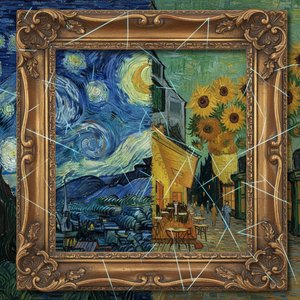
25 шедеврів Вінсента ван Гога: мистецтво, що торкає душу | OriginalUniqueArt
Відкрийте 25 найвідоміших шедеврів Вінсента ван Гога! Дізнайтесь історії створення культових картин, техніки та емоційний вплив імпресіонізму. Репродукції картин Ван Гога для вашого дому – на OriginalUniqueArt.com.

Топ-10 шедеврів Золотої доби нідерландського мистецтва | OriginalUniqueArt.com
Відкрийте для себе 10 шедеврів Золотої доби нідерландського мистецтва! Рембрандт, Вермеєр та інші майстри. Історія створення, унікальні техніки та натхнення для вашого інтер'єру. Репродукції картин високої якості – OriginalUniqueArt.com

Топ-10 шедеврів голландського бароко: мистецтво для вашого дому від OriginalUniqueArt
Пориньте у світ голландського бароко! Від Рембрандта до Вермеєра – 10 шедеврів, що змінили мистецтво. Дізнайтеся історії створення та техніки живопису. Репродукції картин високої якості для вашого дому на OriginalUniqueArt.com
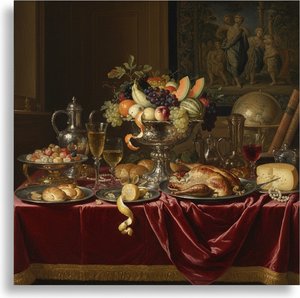
Abraham Hendricksz van Beyeren: Pioneering Dutch Still Life & the Banquet Tradition
Explore the captivating world of Dutch Golden Age still life with Abraham van Beyeren. Discover his innovative techniques, symbolic banquet scenes & lasting influence on art history. Learn about collecting these masterpieces.

Golden Age Reflections: Dutch Baroque Painting & Cultural Innovation
Explore the Dutch Golden Age of painting! Discover key artists like Vermeer & ter Borch, their innovative techniques, and the rich cultural context behind these Baroque masterpieces. Learn about collecting & appreciating this iconic art period.

