
 Переглянути в інтер'єрі
 Надіслати
 Поділитися
 Деталі

 Завантажити
 Схожі експонати
 Рентгенівське дослідження
 Слайд-шоу
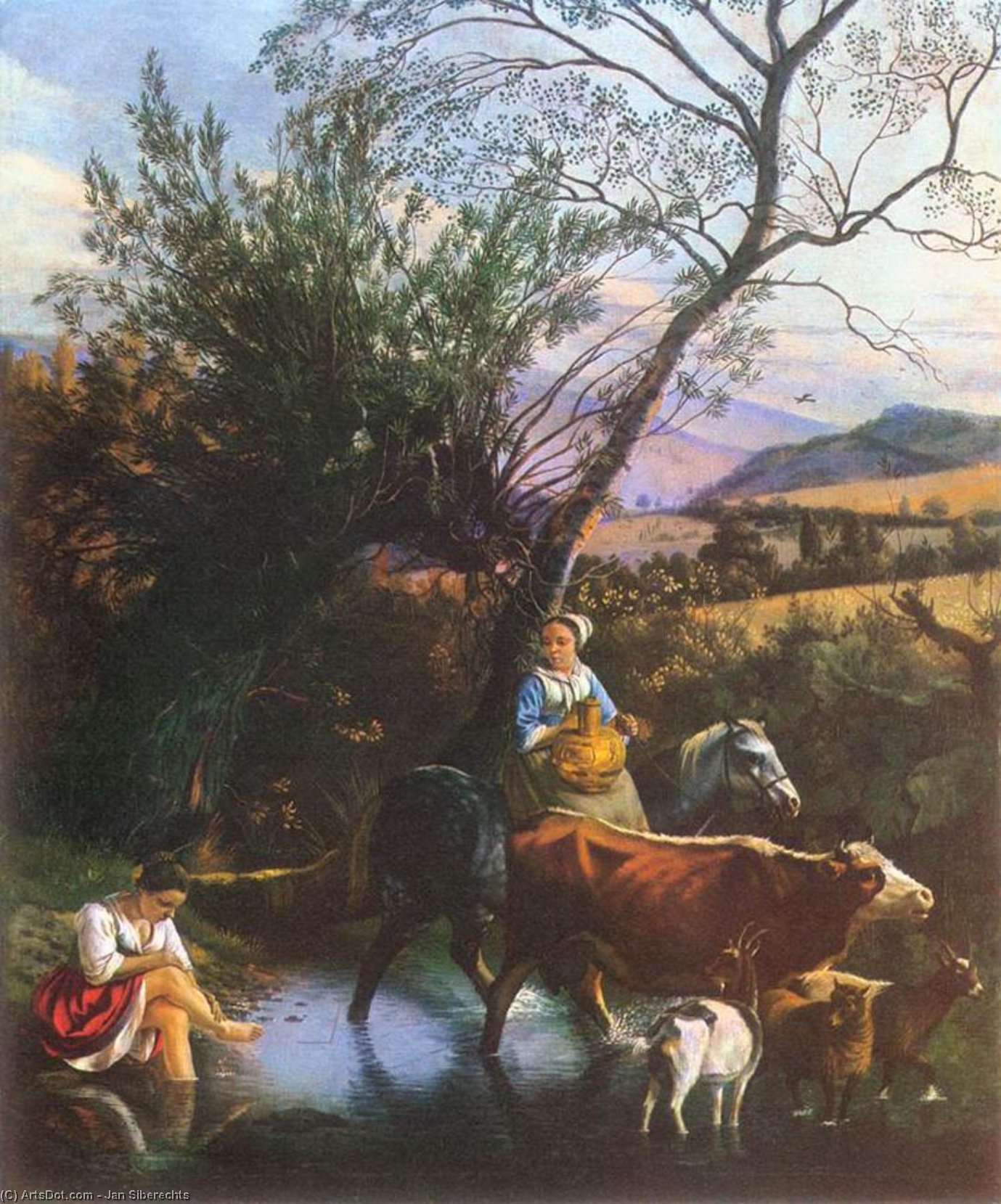
The Ford
 Oil On Canvas
- WallArt
- Romanticism
 1672
1672 71.0 x 59.0 cm
 Музей Мистецтв Будапешта
 Читати далі
Гікле / Художній принт
Музейна якість друку جيкле або на полотні з оперативним виготовленням та різноманітними варіантами фінішної обробки. ( Купити картину ручної роботи Купити зображення)




P118B $10

P118H $10

P118W $10

P438Z $10

P508JH $12

P508YH $12

P805H $10

P805Z $10

P919BZ $10

P919G $10

P919XJ $10

P959ZH $10

P968JZ $12

W106C $8

W218G $10

W218JH $8

W218Y $10

W307PJ $10

W316G $10

W316PJ $8

W316Y $10

W398PJ $8

W4111J $10

W500HY $15

W500JH $15

W692G $12

W849H $8

W940BG $15

W953PJ $8




Обирайте з наших стандартних розмірів, що відповідають оригінальним пропорціям твору мистецтва.

Ви можете вказати власні розміри, щоб репродукція ідеально підійшла до конкретної рами або інтер'єру. Якщо обраний вами розмір не відповідає пропорціям оригіналу, ми або обріжемо полотно, або розширимо зображення за допомогою дзеркального відображення чи суцільної заливки країв. Перед початком виробництва вам буде надіслано цифровий макет для затвердження.
Будь ласка, зверніть увагу, що попередній перегляд на екрані не відображає фактичне обрізання або розширення. Тільки макет точно покаже фінальну композицію.
Хоча можливість замовлення індивідуальних розмірів доступна, ми рекомендуємо обирати формат із попередньо визначеного списку, щоб зберегти оригінальні пропорції.
Доставка по всьому світу () за 2 тижні замість стандартних 4/5 тижнів. (12 Серпень)

Безкоштовна експрес-доставка по всьому світу

Високоякісне лляне полотно

Повне страхове покриття доставки

Гарантія відшкодування митних зборів

Гарантія точного відтворення кольорів

Політика повернення протягом 60 днів (лише у разі виявлення дефектів)

Гарантія повернення 100% коштів

Знижка на оптові замовлення
 Скляний варіант доступний лише для розмірів до 110 см

The Ford
Гікле / Художній принт
Розмір репродукції
-


Загальна вартість
$ 80
Опис колекційного експоната
Jan Siberechts’ “The Ford”: A Pastoral Vision of Elizabethan England
Jan Siberechts' "The Ford" (1672) stands as a testament to the burgeoning landscape tradition in England during the reign of Charles II, skillfully blending Flemish artistic sensibilities with an idealized depiction of rural tranquility. Painted in Antwerp, Belgium, this oil on canvas masterpiece captures a serene scene of pastoral life—a woman carrying water alongside livestock – cows, horses and a goat – nestled within rolling hills leading to distant mountains under a cloudy sky. The artwork’s enduring appeal lies not only in its exquisite detail but also in its profound symbolic resonance, reflecting the Romantic movement's fascination with nature as a source of spiritual contemplation.- Style & Technique: Siberechts employed a characteristic Flemish style—broad brushstrokes layered to build up rich textures and create an atmospheric haze—a technique that prioritizes capturing the essence of light and shadow rather than precise topographical accuracy. The meticulous rendering of foliage, livestock, and figures demonstrates mastery of chiaroscuro, enhancing the painting’s dramatic effect.
- Historical Context: Commissioned during Charles II's Restoration, “The Ford” embodies the revival of classical ideals following Puritan rule. Landscape painting gained prominence as a genre reflecting humanist values—harmony with nature and contemplation of beauty—a deliberate contrast to the austere moralizing tendencies of earlier Protestant art.
- Composition & Perspective: The horizontal lines dominating the hillside emphasize the expansive landscape, while vertical elements – notably the trees – contribute to depth perception. Siberechts skillfully utilizes atmospheric perspective, subtly diminishing colors and details in the background mountains to convey a sense of distance and grandeur.
- Materials: Traditional oil paints on canvas ensured durability and luminosity, preserving Siberechts’ vision for centuries to come.
Біографія митця
A Flemish Vision in England: The Life and Art of Jan Siberechts
Jan Siberechts, born in Antwerp in 1627, occupies a fascinating position in the history of European art—a bridge between the vibrant traditions of Flemish painting and the burgeoning landscape tradition of England. His story is one of artistic development, fortunate patronage, and ultimately, pioneering influence. The son of a sculptor also named Jan Siberechts, he received his initial training within the family workshop, absorbing the skills and aesthetic sensibilities that would form the foundation of his career. By 1648, he had achieved master status in the prestigious Guild of Saint Luke in Antwerp, signaling his recognition as a skilled craftsman. While concrete evidence remains elusive, art historians speculate about a possible sojourn to Italy during the late 1640s or early 1650s. Though unconfirmed, this potential exposure to Italianate landscape painting—with its emphasis on classical compositions and atmospheric perspective—undoubtedly left an imprint on his evolving style, visible in the early works that showcase a delicate balance between Flemish realism and Italianate ideals.Early Training and Artistic Influences
Siberechts’ formative years were steeped in the artistic heritage of Antwerp, a city renowned for its sculptural prowess and vibrant artistic community. His father instilled in him a deep appreciation for craftsmanship and meticulous observation—qualities that would prove invaluable throughout his career. The Guild of Saint Luke provided him with formal training and access to established artistic conventions, shaping his understanding of technique and composition. Notably, Siberechts’ early works demonstrate considerable influence from Dutch masters like Nicolaes Berchem and Karel Dujardin. These painters skillfully captured the serene beauty of pastoral landscapes, utilizing soft lighting and subtle color palettes to evoke a sense of tranquility and harmony. The meticulous rendering of foliage and water reflections—characteristic of Berchem’s oeuvre—clearly resonated with Siberechts’ artistic sensibilities. Furthermore, he absorbed lessons from Italianate landscape painting, recognizing the importance of classical principles like perspective and idealized forms. This dual influence contributed to his distinctive style—one rooted in Flemish realism yet infused with elements of Italian grandeur.The Marriage and Consolidation of Skill
In 1652, Siberechts married Maria-Anna Croes, marking a period of stability that allowed him to dedicate himself fully to artistic pursuits. This union provided him with a supportive home environment and fostered a family life that enriched his creative spirit. During this time, he continued honing his craft, experimenting with new techniques and expanding his repertoire of subjects. He remained steadfastly committed to Flemish landscape painting, drawing inspiration from the rhythms of rural life and capturing the essence of the Flemish countryside. His depictions of farmers tending their fields, shepherds guiding their flocks, and villagers engaging in everyday activities—often rendered with remarkable detail and vibrancy—were imbued with a humanist sensibility that reflected the broader artistic currents of the era.The Turning Point: Embracing English Landscapes
The 1660s represented a pivotal moment in Siberechts’ artistic trajectory. He decisively shifted his focus towards the landscapes of England, embarking on an ambitious project to document the estates and vistas of the British aristocracy. This decision was spurred by an invitation from George Villiers, the Second Duke of Buckingham—a patron who recognized Siberechts’ exceptional talent and championed his artistic vision. Recognizing a rare gift, Villiers extended an offer for Siberechts to travel to England, initiating a transformative chapter in his life and career. Around 1672, Siberechts accepted, relocating to London and immersing himself in the English landscape tradition. He quickly established himself as a sought-after artist among the elite, undertaking numerous commissions to portray stately homes and surrounding landscapes—a practice that would solidify his reputation as a pioneer of British landscape painting.A Legacy of Atmospheric Perspective and Detail
Siberechts’ approach to English landscape painting distinguished itself from prevailing trends. Unlike many contemporaries who favored idealized representations or theatrical compositions, he prioritized atmospheric perspective—creating visual echoes and adding depth to his canvases through subtle gradations of color and tone. He skillfully manipulated light effects, capturing the fleeting moods of dawn and dusk with breathtaking accuracy. His paintings weren’t merely topographical records; they were artistic interpretations that conveyed a profound sense of place and atmosphere. Siberechts' meticulous attention to detail—evident in the rendering of foliage, rocks, and water reflections—further enhanced his artistic impact. He captured not just the physical presence of these estates but also their spirit—a quality that continues to captivate viewers today. Approximately one hundred works attributed to Siberechts have survived, offering invaluable insight into his prolific output and artistic evolution. His style, initially shaped by Dutch and Italianate traditions, ultimately blossomed into something uniquely his own—characterized by vibrant colors, meticulously rendered figures, and atmospheric landscapes that captured the essence of both Flemish rural life and the grandeur of English estates. He even counted John Wootton among his pupils, furthering his influence on the artistic landscape of England. His paintings are more than just landscapes; they are windows into a bygone era, offering a glimpse into the lives and aspirations of those who inhabited them.
Ян Сіберехтс
1627 - 1703 , Бельгія
Досьє митця
- Artistic Movement Or Style: Бароко, Пейзаж
- Artists Or Movements Influenced By This Artist:
- Джордж Вілліямс II
- Інглійський пейзаж
- Artists Who Influenced This Artist:
- Пітер Тільменс
- Ніколає Берхем
- Date Of Birth: 1627
- Date Of Death: 1703
- Full Name: Jan Siberechts
- Nationality: Фламандський
- Notable Artworks:
- «Бэльзи Эстейт»
- Пейзаж з фігурами
- Портрет Джованні Арнольфіні та його дружини
- Place Of Birth: Антверпен, Бельгия
Схожі статті

Jan van Goyen: Master of Dutch Landscape & Atmospheric Perspective
Discover Jan van Goyen, the master of Dutch landscape painting. Explore his subtle technique, atmospheric realism & lasting influence on art history. Learn about this 17th-century pioneer at OriginalUniqueArt.

Golden Light & Dutch Skies: The Timeless Magic of Dutch Golden Age Landscapes
Discover the breathtaking beauty of Dutch Golden Age landscapes. Explore the mastery of light, chiaroscuro, and 17th-century realism through an expert art history lens, celebrating the enduring legacy of the Dutch Masters for discerning collectors and art lovers.

Golden Light & Dutch Skies: Bringing the Magic of Dutch Golden Age Landscapes into Your Home
Transform your home with the breathtaking light of Dutch Golden Age landscapes. Discover how hand-painted oil reproductions of masterworks like Ruisdael and Vermeer bring timeless elegance, atmosphere, and soulful texture to modern interiors. Elevate your space with museum-quality art.

Топ-25 шедеврів Джона Констебла: пейзажі Англії для вашого дому | OriginalUniqueArt
Відкрийте для себе 25 найкращих шедеврів Джона Констебла! Англійські пейзажі, романтизм та емоційне світло в живописі. Репродукції картин високої якості для вашого дому від OriginalUniqueArt.com. Дослідіть повну колекцію онлайн!
Топ-10 шедеврів пейзажу: мистецтво природи в інтер'єрі від OriginalUniqueArt
Відкрийте для себе 10 найвідоміших пейзажів в історії мистецтва! Ван Гог, Моне та інші майстри. Репродукції картин високої якості від OriginalUniqueArt – натхнення для вашого дому. Дослідіть колекцію онлайн!

