
 Переглянути в інтер'єрі
 Надіслати як листівку
 Поділитися
 Деталі витвору
 Посібник

 Завантажити
 Схожі екземпляри
 Рентгенівське дослідження
 Слайд-шоу
 Питання та відповіді
 Статистика
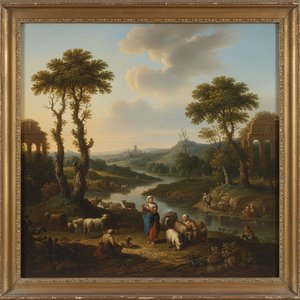
Landscape with a Battle between Two Rams

- 173.0 x 248.0 cm


 Розгорнути текст
Гікле / Художній принт
Друк جيкле або на полотні музейної якості з оперативним виготовленням та різноманітними варіантами фінішної обробки. ( Замовити картину ручної роботи Перейти до цифрових зображень)




































Обирайте з наших стандартних розмірів, що відповідають оригінальним пропорціям твору мистецтва.

Введіть необхідну ширину та висоту, щоб принт ідеально підійшов до вашої рами або стіни. Принт можна лише обрізати, але не можна зробити більшим за оригінал, тому при зміні пропорцій частина зображення буде втрачена. Перед друком ми надсилаємо вам цифровий макет для затвердження. Зображення на цій сторінці не відображає реальну обрізку — її можна побачити лише на макеті.
Доставка по всьому світу () за 2 тижні замість стандартних 4/5 тижнів. (10 Листопад)

Безкоштовна експрес-доставка по всьому світу

Високоякісне лляне полотно

Повне страхове покриття доставки

Гарантія повернення митних зборів

Гарантія точного відтворення кольорів

Політика повернення протягом 100 днів (лише у разі виявлення дефектів)

Гарантія повернення 100% коштів

Пропозиція на оптові замовлення
 Скляний варіант доступний лише для розмірів до 110 см

Landscape with a Battle between Two Rams
Гікле / Художній принт
Розмір репродукції
-


Підсумкова вартість
₴ 3642
Питання та відповіді
Чи можна вільно відтворювати зображення «Landscape with a Battle between Two Rams» роботи Ян Міель?
Статус авторського права для «Landscape with a Battle between Two Rams» роботи Ян Міель: цей твір є є суспільним надбанням — термін дії авторського права закінчився. Це визначає, чи можна вільно створювати репродукції зображення.
Наскільки насиченими є кольори у творі "Landscape with a Battle between Two Rams"?
Кольори твору «Landscape with a Battle between Two Rams» роботи Ян Міель вирізняються Muted насиченістю та Monochromatic інтенсивністю.
Кольори у творі "Landscape with a Battle between Two Rams" виглядають насиченими чи ніжними?
«Landscape with a Battle between Two Rams» роботи Ян Міель вирізняється Monochromatic насиченістю кольорів.
Біографія митця
Ян Міель: Міст між голландським реалізмом та барочною величчю
Ян Міель (1599–1663) постає як ключова постать у мистецькому ландшафті сімнадцятого століття, втілюючи собою захопливе злиття фламандської традиції та італійських інновацій. Народившись у Беверені, Бельгія — хоча Антверпен та 'с-Гертогенбос також претендують на роль його батьківщини — Міель провів свої ранні роки в певній невідомості, що залишає біографічні деталі досить скупими. Проте те, що відкривається завдяки науковим дослідженням, — це дивовижна творча подорож, позначена стилістичною еволюцією та спільними зусиллями, які закріпили його місце у жвавому культурному середовищі Рима та Турина.
Свої роки становлення він присвятив вдосконаленню майстерності переважно в Антверпені, де ввібрав у себе вплив видатних фламандських майстрів, таких як Антоній ван Дейк. Хоча точні межі його навчання залишаються невловимими, вони безсумнівно прищепили йому любов до ретельної спостережливості та витонченої техніки — якостей, що визначали більшу частину його подальшого творчого спадку. Цей фундаментальний ґрунт у класичному малюнку та портреті став необхідним інструментарієм для кар'єри, яка згодом перевершить регіональні кордони.
Римська трансформація та дух бамбоччанті
Прибуття Міеля до Рима близько 1636 року стало поворотним моментом у його творчій траєкторії. Він швидко приєднався до Bentvueghels, впливового об'єднання голландських та фламандських художників, що мешкали у Вічному місті. У цьому братстві він прийняв незабутній псевдонім «bieco», що відображав його характерний примружений погляд — рису, яка згодом стала синонімом його мистецького образу. Це причетність сприяла глибоким зв'язкам із ширшою художньою спільнотою, на яку суттєво вплинув стиль Bamboccianti П'єтро ван Лаера.
Цей рух був присвячений зображенню сцен повсякденного життя нижчих верств населення Рима та його околиць, відмовляючись від ідеалізованої величі мистецтва Високого Відродження на користь чогось значно більш вітального та безпосереднього. Міель з усім серцем прийняв цей тренд, створюючи захопливі жанрові картини, що передавали дух міського існування з надзвичайним реалізмом і чутливістю. Його роботи часто вирізнялися:
- Живими вуличними сценами, населеними мандрівниками, торговцями та робітниками;
- Майстерним використанням світла для відтворення пильної, залитої сонцем атмосфери римських провулків;
- Тонкою грою людських емоцій у натовпних, хаотичних декораціях;
- Прискіпливою увагою до текстур тканини, каменю та землі.
Еволюція в бік класицизму та придворної величі
У міру розвитку його кар'єри художнє бачення Міеля зазнало значної метаморфози. Хоча він залишався майстром жанрової сцени, він почав відходити від суворого реалізму Bamboccianti у бік більш класицистичних історичних полотен. Цей зсув відображав ширшу тенденцію в європейському мистецтві, де сира енергія бароко все частіше стримувалася прагненням до порядку, шляхетності та класичної алегорії.
Ця еволюція зрештою привела його до престижних призначень, зокрема служби як придворного художника Карла Емануїла II, герцога Савойського. На службі при туринському дворі роботи Міеля набули більш формального та величного характеру. Інтимність його ранніх римських сцен поступилася місцем композиціям більшого масштабу та складності, створеним для відображення влади та престижу його королівського покровителя. Цей період представляє вершину його професійних досягнень, де його фламандське коріння в деталізації зустрілося з грандіозними, масштабними наративами, яких вимагала європейська аристократія.
Історична значущість Яна Міеля полягає в його здатності маневрувати між цими різнорідними світами. Він був художником, який міг знайти красу в приземленій боротьбі римського вуличного сироти та гідність у епічних сказах античності. Подолавши розрив між ретельним реалізмом Півночі та драматичним класицизмом Півдня, Міель залишив незгладимий слід у каноні сімнадцятого століття, забезпечивши собі спадщину справжнього космополіта епохи бароко.

Ян Міель
1599 - 1663 , Бельгія
Короткі факти
- Artistic Movement Or Style: Бамбоччянти, Класицизм
- Artists Or Movements Influenced By This Artist: ['Пітер ван Лаер']
- Artists Who Influenced This Artist: ['Ентоні ван Дейк']
- Date Of Birth: 1599 Беверен, Бельгія
- Date Of Death: 1663
- Full Name: Ян Міель
- Nationality: Фламандський
- Notable Artworks:
- Пейзаж із битвою двох баранів
- Римська вапняна піч із селянами, що грають у азартні ігри
- Place Of Birth: Беверен, Бельгія
Пов'язані статті
Nicolaes Berchem: Dutch Golden Age Pastoralism & the Evolution of Landscape Painting
Explore the captivating world of Nicolaes Berchem, a leading Dutch Golden Age painter. Discover his idyllic landscapes, masterful technique & lasting influence on art history. Learn more at OriginalUniqueArt.

Golden Light & Dutch Skies: Bringing the Magic of Dutch Golden Age Landscapes into Your Home
Transform your home with the breathtaking light of Dutch Golden Age landscapes. Discover how hand-painted oil reproductions of masterworks like Ruisdael and Vermeer bring timeless elegance, atmosphere, and soulful texture to modern interiors. Elevate your space with museum-quality art.

Golden Light & Dutch Skies: The Timeless Magic of Dutch Golden Age Landscapes
Discover the breathtaking beauty of Dutch Golden Age landscapes. Explore the mastery of light, chiaroscuro, and 17th-century realism through an expert art history lens, celebrating the enduring legacy of the Dutch Masters for discerning collectors and art lovers.

Masterpieces of Light: A Definitive Guide to the Landscapes of the Dutch Golden Age
Discover the luminous mastery of Dutch Golden Age landscapes. Our expert guide explores the atmospheric realism of masters like Van Goyen and Cuyp. Elevate your space with museum-quality, hand-painted oil reproductions from OriginalUniqueArt.com. Art history, beautifully realized.

Топ-10 шедеврів Золотої доби нідерландського мистецтва | OriginalUniqueArt.com
Відкрийте для себе 10 шедеврів Золотої доби нідерландського мистецтва! Рембрандт, Вермеєр та інші майстри. Історія створення, унікальні техніки та натхнення для вашого інтер'єру. Репродукції картин високої якості – OriginalUniqueArt.com
