
 Переглянути в інтер'єрі
 Надіслати як листівку
 Поділитися
 Деталі витвору
 Посібник

 Завантажити
 Схожі екземпляри
 Рентгенівське дослідження
 Слайд-шоу
 Питання та відповіді
 Статистика
Copernicus in the tower at Frombork, or Conversations with God

- 221.0 x 315.0 cm


 Розгорнути текст
Гікле / Художній принт
Друк جيкле або на полотні музейної якості з оперативним виготовленням та різноманітними варіантами фінішної обробки. ( Замовити картину ручної роботи Перейти до цифрових зображень)




P118B ₴10

P118H ₴10

P118W ₴10

P438Z ₴10

P508JH ₴12

P508YH ₴12

P805H ₴10

P805Z ₴10

P919BZ ₴10

P919G ₴10

P919XJ ₴10

P959ZH ₴10

P968JZ ₴12

W106C ₴8

W218G ₴10

W218JH ₴8

W218Y ₴10

W307PJ ₴10

W316G ₴10

W316PJ ₴8

W316Y ₴10

W398PJ ₴8

W4111J ₴10

W500HY ₴15

W500JH ₴15

W692G ₴12

W849H ₴8

W940BG ₴15

W953PJ ₴8




Обирайте з наших стандартних розмірів, що відповідають оригінальним пропорціям твору мистецтва.

Введіть необхідну ширину та висоту, щоб принт ідеально підійшов до вашої рами або стіни. Принт можна лише обрізати, але не можна зробити більшим за оригінал, тому при зміні пропорцій частина зображення буде втрачена. Перед друком ми надсилаємо вам цифровий макет для затвердження. Зображення на цій сторінці не відображає реальну обрізку — її можна побачити лише на макеті.
Доставка по всьому світу () за 2 тижні замість стандартних 4/5 тижнів. (8 Листопад)

Безкоштовна експрес-доставка по всьому світу

Високоякісне лляне полотно

Повне страхове покриття доставки

Гарантія повернення митних зборів

Гарантія точного відтворення кольорів

Політика повернення протягом 100 днів (лише у разі виявлення дефектів)

Гарантія повернення 100% коштів

Пропозиція на оптові замовлення
 Скляний варіант доступний лише для розмірів до 110 см

Copernicus in the tower at Frombork, or Conversations with God
Гікле / Художній принт
Розмір репродукції
-


Підсумкова вартість
₴ 3637
The Visionary Canvas: Jan Matejko’s “Copernicus in the Tower at Frombork”
Jan Matejko's "Copernicus in the Tower at Frombork, or Conversations with God" isn’t merely a painting; it’s a potent distillation of intellectual fervor and spiritual contemplation. Completed in 1873, this monumental oil on canvas transports us to the heart of Renaissance Poland, capturing a pivotal moment not just in astronomical history but also in the nation's burgeoning sense of self-awareness. The scene unfolds within the austere yet majestic confines of Frombork Cathedral’s tower, a location imbued with both religious significance and scientific curiosity – a perfect embodiment of the painting’s central theme: the harmonious intersection of faith and reason.

A Masterpiece of Romantic Drama
Matejko, a towering figure in 19th-century Polish art, masterfully employs the tenets of Romanticism to elevate this historical subject. The painting pulsates with dramatic lighting – a chiaroscuro effect that sculpts the figures and emphasizes the solemnity of the scene. The deep blues and purples of the night sky contrast sharply with the warm hues of Copernicus’s study, creating a visual tension that mirrors the intellectual struggle he embodies. Notice how Matejko uses loose brushstrokes to convey movement and emotion, imbuing the composition with a sense of dynamism rarely found in earlier historical paintings. The figures are rendered with an almost theatrical intensity, their gestures and expressions conveying profound thought and perhaps even a touch of awe.
The Anatomy of Inquiry: Symbolism and Detail
Beyond its dramatic impact, “Copernicus” is rich in symbolic detail. Nicolaus Copernicus himself, depicted as a man of quiet contemplation, sits at his desk surrounded by the tools of his trade – astronomical instruments, charts, and open books. The globe, prominently displayed, speaks to his revolutionary heliocentric model of the universe, challenging the established geocentric view. A partially visible diagram of the solar system hints at the complex calculations he undertook. The inclusion of a skullcap suggests the weight of religious tradition alongside the pursuit of scientific truth. Even the brick wall in the background serves as a grounding element, anchoring the scene within the physical reality of Frombork and reminding us of the earthly context of this extraordinary intellectual journey.
A Legacy Forged in Faith and Reason
The painting’s creation coincided with the 400th anniversary of Copernicus' birth, a moment of national pride for Poland. Matejko’s decision to portray Copernicus not as a triumphant discoverer but as a man engaged in dialogue with something greater than himself—perhaps even God—resonates deeply within Polish cultural identity. The painting became a symbol of the nation’s intellectual and spiritual heritage, embodying the spirit of inquiry and the courage to challenge established dogma. Its eventual acquisition by the Jagiellonian University – a bastion of learning since the 14th century – underscores its enduring significance as a testament to the power of human intellect and the pursuit of knowledge. Today, this magnificent work continues to inspire contemplation on the relationship between science, faith, and the boundless mysteries of the universe.
Питання та відповіді
Чи можу я побачити «Copernicus in the tower at Frombork, or Conversations with God» роботи Ян Матейко на власній стіні перед покупкою?
Сторінка Перегляд в AR для твору «Copernicus in the tower at Frombork, or Conversations with God» роботи Ян Матейко використовує технологію доповненої реальності, щоб показати витвір у вашому власному просторі за допомогою сумісного пристрою.
Хто створив "Copernicus in the tower at Frombork, or Conversations with God" і в якому році?
«Copernicus in the tower at Frombork, or Conversations with God» було створено Ян Матейко у 1872 році.
Де я можу знайти гід до «Copernicus in the tower at Frombork, or Conversations with God»?
Посібник до «Copernicus in the tower at Frombork, or Conversations with God» — це сторінка Довідка для студентів твору, що являє собою друковану інформаційну картку з зображенням витвору, його підписом, зазначенням авторства та ідентифікаційною таблицею (художник, дати, техніка, оригінальний розмір, колекція).
Біографія митця
early life and education
Ян Алої́зь Матейко, відомий як Ян Матейко (Jan Matejko), народився 24 червня 1838 року у Вільнемістечку Кракова, Польща. Його батько, Франциск Каспер Матейко, був чеським викладачем та музикантом, який спочатку працював для родини Водзицьких в Косьцеліжках, а потім переїхав до Кракова, де одружився з ганзейською, польської Джоанною Кароліною Россберг. Ян був дев’ятим із одинадцяти дітей у сім’ї. Він виріс у будинку на площі Флоріа́нівській. Після смерті матері в 1845 році його та його братів піклувалися над ними мачуха, Анна Замоєцька. З раннього віку Ян демонстрував винятковий талант до мистецтва, але йому було важко опанувати інші предмети. Він навчався у Свято-Янівській гімназії, звідки був виключений у 1851 році через низькі оцінки. Проте, його артистичний дар швидко став очевидним, і він вступив до Школи Мистецтв Кракова в 1852 році, де спеціалізувався на історичній живопису під керівництвом Войцеха Корнеля Статтлера та Владислава Лушчівського.artistic career
Першою значною роботою Яна Матейко став твір “Цари Шуйські перед Сиґмунтом III” (Carowie Szujscy przed Zygmuntem III), завершений у 1853 році. Він почав виставляти свої історичні полотна в Краківському товаристві друзів мистецтва у 1855 році. Серед його найвідоміших творів:- “Ре́йтан” (1866) – велика картина на полотні, що зображує важливу подію в історії Польщі.
- “Об’єднання Любліна” (1869) – значущий твір, який демонструє майстерність Матейко у відображенні історичних подій.
- “Битва під Грунвальдом” (1878) – шедевр, що підкреслює здатність художника передавати інтенсивність бойових сцен.
museological contributions and legacy
Більшу частину свого життя Ян Матейко провів у Кракові, ставши директором Краківської академії Мистецтв. Його учнями стали видатні художники, такі як Мауріцьє Готтільб, Яцек Малечєвскі, Józef Mehoffer та Станіслав Виспіянський. Він сприяв розвитку польського мистецтва, сприяючи збереженню історичної пам’яті та національної ідентичності. Його полотна стали символами польської історії та героїзму, а сам художник був визнаний “національним живописцем” Польщі.references
Він помер 1 листопада 1893 року, залишивши після себе велике спадщину як найвідомішого польського художника. Його роботи продовжують надихати художників та любителів мистецтва в усьому світі.
Ян Матейко
1838 - 1893 , Польща
Короткі факти
- Artistic Movement Or Style: Романтизм
- Artists Or Movements Influenced By This Artist: ['Мауріцьє Готтільб']
- Artists Who Influenced This Artist:
- Войцех Корнелі Статтлер
- Владysław Łuszczkiewicz
- Date Of Birth: 24 черв 1838
- Date Of Death: 1 нов 1893
- Full Name: Jan Alojzy Matejko
- Nationality: Польський
- Notable Artworks:
- Битва під Грунвальдом
- Об'єднання Любліна
- Place Of Birth: Краків, Польща
Пов'язані статті

The Enduring Legacy of Oil on Canvas: Technique, History & Aesthetic Impact
Explore the rich history & techniques of oil painting – from Renaissance masters to Impressionism. Discover pigments, layering methods, and why this timeless medium endures. Expert insights for artists & art enthusiasts.

Вікові традиції олійного живопису: техніка, історія та сучасна практика
Дізнайтеся про вікову історію олійного живопису, техніки майстрів та сучасні тенденції. Відкрийте світ класичного мистецтва та натхнення для власної творчості!

The Enduring Power of Painting: A Historical & Contemporary Exploration of Form and Emotion
Explore the rich history & enduring techniques of oil painting with OriginalUniqueArt. Discover masterpieces, learn about art collecting, and find authentic handmade reproductions crafted by skilled artists.

Oil on Canvas: A Historical & Technical Exploration of a Timeless Artistic Medium
Explore the rich history & enduring techniques of oil painting on canvas. Discover the science behind its longevity, conservation practices, and contemporary relevance. Expert insights for art enthusiasts.
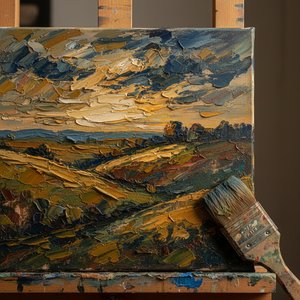
The Timeless Beauty of Oil on Canvas: A Masterclass in Texture, Impasto, and Artistic Mastery
Discover the profound allure of oil on canvas. Explore the mastery of impasto textures, the science of pigment longevity, and expert guides to selecting museum-quality reproductions that elevate your collection with timeless elegance and tactile depth.

