Переглянути в інтер'єрі
 Надіслати як листівку
 Поділитися
 Детальніше

 Завантажити
 Схожі експонати
 Рентгенівське дослідження
 Слайд-шоу
St George
 Oil On Canvas
- WallArt
- Baroque Drama
 1543
1543- Renaissance
 122.0 x 92.0 cm
 Ермітаж
 Читати далі
Олійная репродукція ручної роботи
Написана вручну олією на полотні у вашому розмірі та рамі, виготовлена на замовлення нашими художниками. ( Замовити принт Купити цифрове зображення)




P118B $10

P118H $10

P118W $10

P438Z $10

P508JH $12

P508YH $12

P805H $10

P805Z $10

P919BZ $10

P919G $10

P919XJ $10

P959ZH $10

P968JZ $12

W106C $8

W218G $10

W218JH $8

W218Y $10

W307PJ $10

W316G $10

W316PJ $8

W316Y $10

W398PJ $8

W4111J $10

W500HY $15

W500JH $15

W692G $12

W849H $8

W940BG $15

W953PJ $8




Обирайте з наших стандартних розмірів, що відповідають оригінальним пропорціям твору мистецтва.

Ви можете вказати власні розміри, щоб репродукція ідеально підійшла до конкретної рами або інтер'єру. Якщо вибраний вами розмір не відповідає пропорціям оригіналу, ми або обріжемо полотно, або доповнимо картину додатковими елементами, промальованими вручну. Цифровий макет буде надіслано вам на затвердження перед початком виробництва.
Зверніть увагу, що попередній перегляд на екрані не відображає фактичне обрізання або розширення зображення. Тільки макет точно покаже остаточну композицію.
Хоча ми можемо виготовити виріб у нестандартному розмірі, для збереження оригінальних пропорцій рекомендуємо обирати варіанти зі встановленого списку.
Після оформлення замовлення команда OriginalUniqueArt.com зв'яжеться з клієнтом електронною поштою для отримання інструкцій та надасть попередній макет
Доставка по всьому світу () за 3–4 тижні замість стандартних 5 тижнів. (13 Серпень). Без жодних компромісів у якості.

Безкоштовна експрес-доставка по всьому світу

Високоякісне лляне полотно

Повне страхове покриття доставки

Гарантія відшкодування митних зборів

Гарантія точного відтворення кольорів

Політика повернення протягом 60 днів (лише у разі виявлення дефектів)

Гарантія повернення 100% коштів

Пропозиція на оптові замовлення
 Скляний варіант доступний лише для розмірів до 110 см

St George
Матеріал репродукції
Розмір репродукції
-


Підсумкова вартість
$ 300
Опис твору
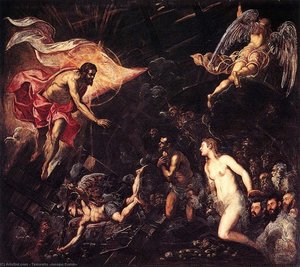
A Triumph of Dramatic Light and Motion: Tintoretto’s St George
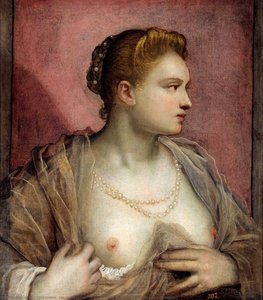
Jacopo Robusti, known universally as Tintoretto (1518-1594), stands apart from his Venetian contemporaries not merely for prolific output but for a revolutionary approach to painting—one that fundamentally reshaped the artistic landscape of the Baroque era. Unlike many artists meticulously crafting their reputations through established ateliers and adhering to prevailing stylistic conventions, Tintoretto pursued an independent path driven by relentless experimentation and an unparalleled mastery of theatrical illusionism. His early life remains shrouded in some mystery, marked by a brief association with Titian’s workshop—a relationship described as fraught with tension—suggesting that Tintoretto's artistic vision transcended the confines of formal instruction. This rebellious spirit fueled his ambition to forge a singular style, characterized by dynamic compositions and an astonishing ability to capture fleeting moments of action and emotion.The Narrative Power of Composition
Tintoretto’s “St George and the Dragon,” housed in the Galleria Giorgio Franchetti alla Serenissima in Venice, exemplifies this distinctive aesthetic perfectly. The painting depicts St George slaying a fearsome dragon before a fortified castle—a scene steeped in Christian symbolism and rendered with breathtaking virtuosity. Immediately arresting is Tintoretto's masterful use of perspective; he employs multiple vanishing points to create an illusionistic depth that pulls the viewer into the drama unfolding before them. This technique, honed through years of meticulous observation and relentless practice, distinguishes Tintoretto from his peers who favored more static representations. The horse ridden by St George dominates the central axis of the composition, conveying a sense of urgency and movement—a deliberate choice designed to heighten the emotional impact of the confrontation.Technique: Bold Brushwork and Atmospheric Depth
Tintoretto’s technique is equally remarkable. He eschewed traditional glazing methods favored by Venetian colorists like Titian, opting instead for rapid brushstrokes applied directly onto wet plaster – a process known as *alla prima*. This method allowed him to capture the immediacy of observation and imbue his canvases with an unprecedented level of textural richness. Thick impasto—heavy application of paint—creates palpable surfaces that seem to vibrate with energy, mirroring the turbulent struggle between St George and the dragon. Furthermore, Tintoretto skillfully manipulated light and shadow to sculpt form and amplify dramatic tension. The castle looms in the background as a beacon of civilization against which the fiery dragon is pitted, creating a compelling visual contrast that underscores the narrative’s central conflict.Symbolism: Faith, Courage, and Triumph Over Evil
The iconography of “St George and the Dragon” resonates deeply with Christian tradition. St George, revered as the patron saint of England and martyred for his unwavering faith, embodies courage and righteousness—qualities antithetical to the dragon’s destructive force. The dragon itself represents evil, temptation, and pagan idolatry—forces that threaten to undermine divine order. The castle symbolizes Christendom's defense against darkness, reinforcing the painting’s overarching message of triumph over adversity. Tintoretto’s depiction isn’t merely a retelling of legend; it’s an assertion of spiritual conviction expressed through masterful artistic execution.Emotional Resonance: A Moment Frozen in Time
Ultimately, Tintoretto succeeds in conveying a profound emotional experience for the viewer. The dynamism of the scene—the horse's movement, St George’s determined gaze, and the dragon’s menacing roar—captures the essence of heroic struggle. More than just depicting an event, Tintoretto invites us to contemplate themes of faith, bravery, and the enduring battle between good and evil. This painting remains a testament to Tintoretto’s genius – a captivating visual narrative that continues to inspire awe and admiration centuries after its creation.Біографія митця
A Venetian Master of Drama and Light
Jacopo Tintoretto, born Jacopo Robusti in Venice around 1518, remains one of the most compelling and enigmatic figures of the High Renaissance and early Baroque periods. His very nickname, “Tintoretto” – little dyer – speaks to his family’s trade, yet it belies the immense artistry that would distinguish him from all others. Unlike many artists who benefited from structured apprenticeships, Tintoretto's path was largely self-directed, fueled by an insatiable curiosity and a relentless drive for innovation. While accounts suggest a brief and unsuccessful stint under Titian, the acknowledged master of Venetian colorism, it seems the experience proved more contentious than formative. Titian’s alleged dismissal of the young Jacopo – whether due to jealousy or artistic disagreement – spurred Tintoretto toward an independent course, one characterized by audacious experimentation and a uniquely dynamic style. He immersed himself in anatomical study, reportedly through dissection, and honed his skills by meticulously copying classical sculpture and the works of other masters. This dedication laid the foundation for a career that would redefine Venetian painting.Forging a Distinctive Style: *Il Furioso*
Tintoretto’s artistic development was marked by an almost feverish energy, earning him another evocative nickname: *Il Furioso* – “the Furious One.” This moniker wasn't merely descriptive of his working pace but also captured the intensity and emotional charge that permeated his canvases. His early works already hinted at a departure from traditional Venetian conventions. While acknowledging Titian’s influence in color, Tintoretto gravitated towards Michelangelo’s powerful figures and dramatic compositions. He synthesized these influences into something entirely new: a style characterized by elongated forms, swirling draperies, and an innovative use of perspective that often created a sense of dizzying depth and movement. He abandoned the meticulous finish favored by his contemporaries, opting instead for a rapid, almost sketch-like brushstroke that conveyed immediacy and raw emotion. This technique, combined with his masterful manipulation of light and shadow – *chiaroscuro* – allowed him to create scenes of unparalleled drama and psychological intensity. He wasn’t simply depicting events; he was conveying their emotional core. His compositions were often asymmetrical and dynamic, filled with movement and a sense of urgency, reflecting the turbulent spirit of his time.Monumental Achievements: San Rocco and Beyond
Tintoretto's prodigious output spanned decades, encompassing religious narratives, historical allegories, and portraits. However, his most significant achievement lies in the cycle of paintings he created for the Scuola Grande di San Rocco, a Venetian confraternity dedicated to Saint Roch. Over a period of more than fifty years, Tintoretto adorned the Scuola’s halls with over sixty canvases, transforming it into a breathtaking visual testament to faith and human experience. Works like “The Last Supper,” completed late in his life, demonstrate his continued experimentation with perspective and composition. Departing from traditional depictions, Tintoretto placed the scene in a dramatically lit, architecturally unstable space, emphasizing the emotional turmoil of Christ’s final meal with his disciples. Other notable works include “The Miracle of Saint Mark Freeing the Slave,” a powerful display of dynamic composition and foreshortening, and numerous paintings for Venetian churches and palaces that showcase his mastery of scale and narrative storytelling. These monumental projects cemented Tintoretto's reputation as one of Venice’s most important artists.Influences and Artistic Connections
Tintoretto’s artistic journey was shaped by a complex interplay of influences. While Titian undoubtedly provided an initial foundation in color and technique, it was Michelangelo who profoundly impacted his approach to composition and figure design. The dynamism and emotional intensity of the Renaissance master resonated deeply with Tintoretto, inspiring him to create works characterized by dramatic gestures, powerful musculature, and a sense of overwhelming energy. He also studied classical sculpture extensively, absorbing its principles of form and proportion. Furthermore, he was influenced by the work of Venetian artists such as Paolo Veronese, whose opulent style provided a contrast to Tintoretto’s more raw and expressive approach. It's important to note that Tintoretto maintained a complex relationship with his peers, often engaging in spirited debates about artistic merit and technique.Legacy and Historical Significance
Jacopo Tintoretto died in Venice in 1594, leaving behind a vast and influential body of work. He bridged the gap between the High Renaissance and the Baroque period, anticipating many of the stylistic innovations that would define the latter. His dramatic compositions, expressive brushwork, and innovative use of light and shadow profoundly influenced artists such as Caravaggio, Rembrandt, and Delacroix. He wasn’t merely a painter; he was a visual storyteller who understood how to harness the power of art to evoke emotion and inspire awe. As one of the three great Venetian painters of the 16th century – alongside Titian and Paolo Veronese – Tintoretto played a crucial role in shaping the artistic landscape of Venice during its golden age. His work reflects not only the religious fervor and political tensions of his time but also a uniquely personal vision that continues to resonate with audiences today, solidifying his place as one of history’s most important and captivating artists. His legacy is a testament to the enduring power of artistic innovation and the transformative potential of human creativity.
Тінторетто
1518 - 1594 , Італія
Короткі факти
- Artistic Movement Or Style: Ренесанс, Манієризм
- Artists Or Movements Influenced By This Artist: ['Карвавьо, Барокові майстри']
- Artists Who Influenced This Artist:
- Тіціан
- Мікеланджело
- Date Of Birth: 1518
- Date Of Death: 1594
- Full Name: Jacopo Robusti
- Nationality: Італійський
- Notable Artworks:
- Дивовання святого Марка
- Останній спас
- Входження Богородиці
- Place Of Birth: Венеція, Італія
Пов'язані статті

Якопо Тінторетто: 25 шедеврів венесенського майстра | OriginalUniqueArt
Відкрийте 25 захопливих шедеврів Якопо Тінторетто! Венесенський ренесанс, бароко, емоційні композиції та світлотінь. Купуйте високоякісні репродукції картин на OriginalUniqueArt.com – мистецтво для вашого дому.

Топ-25 шедеврів Жоржа Брака: мистецтво кубізму для вашого дому | OriginalUniqueArt
Відкрийте для себе 25 найвідоміших шедеврів Жоржа Брака! Пориньте у світ кубізму, аналізуйте кольори та техніку легендарного французького художника. Репродукції картин Брак для вашого дому – на OriginalUniqueArt.com

25 шедеврів Жоржа Сера: Відкрийте світ точкового малярства | OriginalUniqueArt
Відкрийте світ Жоржа Сера! 25 культових картин імпресіонізму та пуантилізму. Історія мистецтва, унікальні техніки живопису та натхнення для декору вашого дому. Купуйте репродукції картин Сера високої якості на OriginalUniqueArt.com!

Jacopo Palma il Giovane: A Venetian Master's Poetic Evolution
Explore the captivating world of Jacopo Palma il Giovane, a pivotal Venetian Renaissance master. Discover his unique style, influenced by Titian & Tintoretto, and learn about key works perfect for discerning collectors.

Барокова драма: мистецтво, що привносить велич у дім
Відкрийте для себе велич бароко! Дізнайтесь про історію стилю, особливості українського бароко та як створити розкішний інтер'єр. Ексклюзивні репродукції картин від .