
 Переглянути в інтер'єрі
 Надіслати як листівку
 Поділитися
 Детальніше

 Завантажити
 Схожі експонати
 Рентгенівське дослідження
 Слайд-шоу
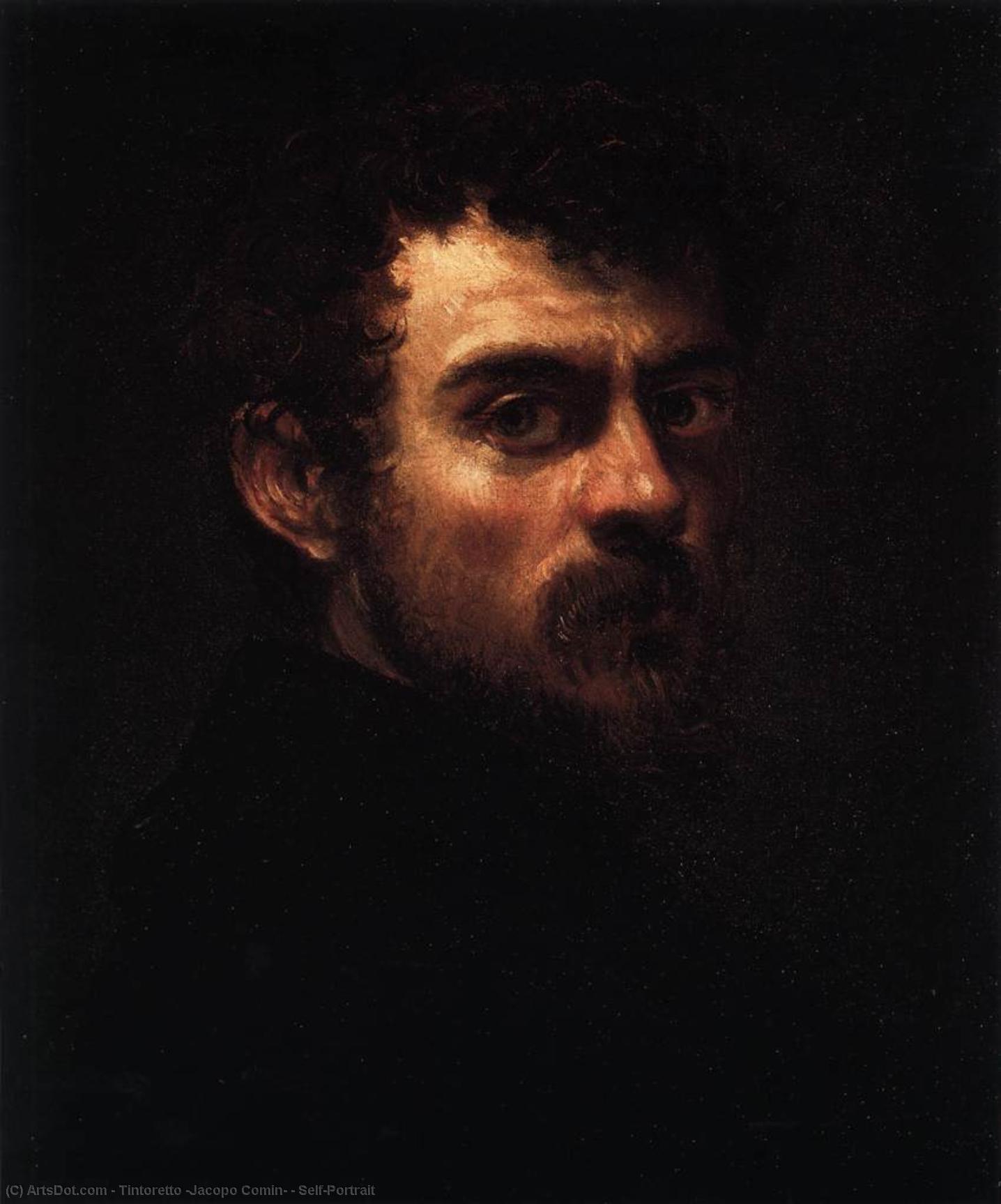
Self-Portrait
 Acrylic On Canvas
- WallArt
- Baroque
 1547
1547 46.0 x 38.0 cm
 Філадельфійський музей мистецтва
 Читати далі
Придбайте цифрову копію високої роздільної здатності з покращеною якістю, що значно перевершує онлайн-перегляд.
Кожен файл ретельно підготовлений нашими фахівцями за допомогою сучасних інструментів та професійної ручної ретуші. Ми гарантуємо виняткову чіткість, точну передачу кольору та високу деталізацію кожного зображення.
Фінальний файл надсилається електронною поштою протягом 72 годин і оптимізований для негайного використання у професійних виданнях та друкованих матеріалах. Таку якість обирають провідні дизайнерські студії, видавництва та галереї.
Цифрове зображення
Завантажте файл високої роздільної здатності для особистого використання, друку та творчих проєктів. ( Замовити принт Замовити репродукцію ручної роботи)
Переваги кожного замовлення цифрових зображень
Експертна цифрова доставка з гарантією якості
Обираючи OriginalUniqueArt.com, ви отримуєте не просто зображення — ви отримуєте професійно вдосконалений цифровий витвір мистецтва, створений з надзвичайною точністю та підкріплений гарантією задоволення. Ось усе, що автоматично додається до вашого замовлення:

Швидка доставка на email
Ваш цифровий файл із зображенням високої роздільної здатності буде надісланий вам електронною поштою протягом 72 годин після оформлення замовлення — він буде готовий до негайного використання.

Цифровий файл із покращенням ШІ
Ваш витвір мистецтва професійно оптимізовано за допомогою передових інструментів штучного інтелекту та ручної корекції, що забезпечує максимальну деталізацію, чіткість і точність передачі кольорів.

Безкоштовне повторне завантаження назавжди
Випадково видалили або втратили файл? Не хвилюйтеся — ми надішлемо його вам повторно в будь-який час безкоштовно.

Без митних зборів — ніколи
Насолоджуйтесь вашим витвором мистецтва миттєво без жодних мит, зборів або плати за доставку — цифрові завантаження завжди не оподатковуються.

Гарантія точності кольорів
Ми гарантуємо максимально точне відтворення оригінальних кольорів на вашому цифровому зображенні завдяки використанню професійних інструментів та систем управління кольором.

Гарантія задоволення протягом 60 днів
Якщо ви не задоволені придбаним цифровим зображенням, ми відкоригуємо його або повернемо 100% вартості протягом 60 днів — без жодних запитань.

Гарантія повернення 100% коштів
Не задоволені покупкою? Отримайте повне повернення коштів протягом 60 днів після отримання цифрового файлу — без жодних запитань.

Знижки на оптові замовлення
Купуйте 3 зображення — заощаджуйте 10% — Купуйте 5 — заощаджуйте 15% — Купуйте 10+ — заощаджуйте 20%. Чудово підходить для творчих проєктів, галерей та агентств.
Опис колекційного об'єкта
A Portrait of Intensity: Tintoretto’s Self-Portrait
The Venetian painter Jacopo Tintoretto, born Robusti around 1518, stands as a titan amongst the artists who shaped the High Renaissance and ushered in the Baroque era. His name itself – “Tintoretto,” meaning “little dyer” – hints at his humble origins within a family involved in textile dyeing, yet it belies the monumental ambition that would define his artistic legacy. Unlike many of his contemporaries who benefited from formal apprenticeships under established masters like Titian, Tintoretto’s formative years were marked by an astonishing independence; he pursued knowledge with unwavering fervor and relentlessly experimented with innovative approaches to painting. While documented accounts suggest a brief but turbulent association with Titian – a relationship fraught with artistic disagreements – Tintian’s dismissal of the young Robusti arguably fueled Tintoretto's determination to forge his own path, one distinguished by dramatic chiaroscuro and an unparalleled dynamism. He dedicated himself to meticulous anatomical study, dissecting cadavers to gain a profound understanding of human form, a practice considered unorthodox for its time but crucial to achieving his signature style.- Style: Tintoretto’s Self-Portrait exemplifies the Venetian Baroque aesthetic—characterized by theatrical lighting effects and an obsession with capturing fleeting moments of emotion. He rejected the idealized beauty favored by earlier Renaissance artists, opting instead for a raw portrayal of human vulnerability.
- Technique: Employing oil paint on canvas, Tintoretto utilized a layering technique known as *sfumato*, subtly blending colors to create soft transitions and atmospheric depth. This masterful manipulation of light and shadow—a hallmark of Baroque painting—transforms the portrait into more than just an image; it’s an experience.
Historical Context: Venice at the Crossroads
Painted in 1547, Tintoretto's Self-Portrait emerges from a period of significant upheaval within Venetian society. The Republic was grappling with challenges posed by Ottoman naval dominance and internal political divisions. Artistic patronage flourished amidst this tension, driven by wealthy merchants eager to commemorate their achievements and express their faith. Tintoretto’s work reflects the spirit of the age—a preoccupation with grandeur, drama, and psychological complexity—themes that resonated deeply with audiences seeking solace and inspiration during turbulent times.- Symbolism: The gaze of Tintoretto's eyes is particularly noteworthy. They appear to stare directly out at the viewer, conveying a sense of introspection and confronting mortality. This deliberate choice aligns with Renaissance humanist ideals—a belief in human dignity and potential—yet it simultaneously underscores the artist’s awareness of his own vulnerability.
- Emotional Impact: The painting's unsettling stillness is countered by an intense emotional presence. Tintoretto captures not merely a likeness but also a palpable feeling of contemplation, inviting viewers to engage in a dialogue with the artist’s inner world.
A Legacy of Innovation
Tintoretto’s Self-Portrait stands as a testament to his unwavering commitment to artistic experimentation and innovation. He pushed boundaries established by his predecessors, prioritizing emotional expression over formal convention—a decision that cemented his reputation as one of the most influential painters of his era. Its enduring appeal lies in its ability to transcend time, speaking to universal themes of identity, perception, and the human condition. Today, reproductions of this captivating artwork continue to inspire collectors and interior designers alike, offering a glimpse into the mind of a visionary artist who redefined the art of portraiture.Біографія митця
A Venetian Master of Drama and Light
Jacopo Tintoretto, born Jacopo Robusti in Venice around 1518, remains one of the most compelling and enigmatic figures of the High Renaissance and early Baroque periods. His very nickname, “Tintoretto” – little dyer – speaks to his family’s trade, yet it belies the immense artistry that would distinguish him from all others. Unlike many artists who benefited from structured apprenticeships, Tintoretto's path was largely self-directed, fueled by an insatiable curiosity and a relentless drive for innovation. While accounts suggest a brief and unsuccessful stint under Titian, the acknowledged master of Venetian colorism, it seems the experience proved more contentious than formative. Titian’s alleged dismissal of the young Jacopo – whether due to jealousy or artistic disagreement – spurred Tintoretto toward an independent course, one characterized by audacious experimentation and a uniquely dynamic style. He immersed himself in anatomical study, reportedly through dissection, and honed his skills by meticulously copying classical sculpture and the works of other masters. This dedication laid the foundation for a career that would redefine Venetian painting.Forging a Distinctive Style: *Il Furioso*
Tintoretto’s artistic development was marked by an almost feverish energy, earning him another evocative nickname: *Il Furioso* – “the Furious One.” This moniker wasn't merely descriptive of his working pace but also captured the intensity and emotional charge that permeated his canvases. His early works already hinted at a departure from traditional Venetian conventions. While acknowledging Titian’s influence in color, Tintoretto gravitated towards Michelangelo’s powerful figures and dramatic compositions. He synthesized these influences into something entirely new: a style characterized by elongated forms, swirling draperies, and an innovative use of perspective that often created a sense of dizzying depth and movement. He abandoned the meticulous finish favored by his contemporaries, opting instead for a rapid, almost sketch-like brushstroke that conveyed immediacy and raw emotion. This technique, combined with his masterful manipulation of light and shadow – *chiaroscuro* – allowed him to create scenes of unparalleled drama and psychological intensity. He wasn’t simply depicting events; he was conveying their emotional core. His compositions were often asymmetrical and dynamic, filled with movement and a sense of urgency, reflecting the turbulent spirit of his time.Monumental Achievements: San Rocco and Beyond
Tintoretto's prodigious output spanned decades, encompassing religious narratives, historical allegories, and portraits. However, his most significant achievement lies in the cycle of paintings he created for the Scuola Grande di San Rocco, a Venetian confraternity dedicated to Saint Roch. Over a period of more than fifty years, Tintoretto adorned the Scuola’s halls with over sixty canvases, transforming it into a breathtaking visual testament to faith and human experience. Works like “The Last Supper,” completed late in his life, demonstrate his continued experimentation with perspective and composition. Departing from traditional depictions, Tintoretto placed the scene in a dramatically lit, architecturally unstable space, emphasizing the emotional turmoil of Christ’s final meal with his disciples. Other notable works include “The Miracle of Saint Mark Freeing the Slave,” a powerful display of dynamic composition and foreshortening, and numerous paintings for Venetian churches and palaces that showcase his mastery of scale and narrative storytelling. These monumental projects cemented Tintoretto's reputation as one of Venice’s most important artists.Influences and Artistic Connections
Tintoretto’s artistic journey was shaped by a complex interplay of influences. While Titian undoubtedly provided an initial foundation in color and technique, it was Michelangelo who profoundly impacted his approach to composition and figure design. The dynamism and emotional intensity of the Renaissance master resonated deeply with Tintoretto, inspiring him to create works characterized by dramatic gestures, powerful musculature, and a sense of overwhelming energy. He also studied classical sculpture extensively, absorbing its principles of form and proportion. Furthermore, he was influenced by the work of Venetian artists such as Paolo Veronese, whose opulent style provided a contrast to Tintoretto’s more raw and expressive approach. It's important to note that Tintoretto maintained a complex relationship with his peers, often engaging in spirited debates about artistic merit and technique.Legacy and Historical Significance
Jacopo Tintoretto died in Venice in 1594, leaving behind a vast and influential body of work. He bridged the gap between the High Renaissance and the Baroque period, anticipating many of the stylistic innovations that would define the latter. His dramatic compositions, expressive brushwork, and innovative use of light and shadow profoundly influenced artists such as Caravaggio, Rembrandt, and Delacroix. He wasn’t merely a painter; he was a visual storyteller who understood how to harness the power of art to evoke emotion and inspire awe. As one of the three great Venetian painters of the 16th century – alongside Titian and Paolo Veronese – Tintoretto played a crucial role in shaping the artistic landscape of Venice during its golden age. His work reflects not only the religious fervor and political tensions of his time but also a uniquely personal vision that continues to resonate with audiences today, solidifying his place as one of history’s most important and captivating artists. His legacy is a testament to the enduring power of artistic innovation and the transformative potential of human creativity.
Тінторетто
1518 - 1594 , Італія
Основна інформація
- Artistic Movement Or Style: Ренесанс, Манієризм
- Artists Or Movements Influenced By This Artist: ['Карвавьо, Барокові майстри']
- Artists Who Influenced This Artist:
- Тіціан
- Мікеланджело
- Date Of Birth: 1518
- Date Of Death: 1594
- Full Name: Jacopo Robusti
- Nationality: Італійський
- Notable Artworks:
- Дивовання святого Марка
- Останній спас
- Входження Богородиці
- Place Of Birth: Венеція, Італія

