Переглянути в інтер'єрі
 Надіслати
 Поділитися
 Деталі
 Посібник

 Завантажити
 Схожі предмети колекціонування
 Рентгенівське дослідження
 Слайд-шоу
 Статистика переглядів
A Philosopher


 Читати далі
Олійная репродукція ручної роботи
Написана вручну олією на полотні у вашому розмірі та рамі, виготовлена на замовлення нашими художниками. ( Перейти до друку Перейти до цифрових зображень)




P118B ₴10

P118H ₴10

P118W ₴10

P438Z ₴10

P508JH ₴12

P508YH ₴12

P805H ₴10

P805Z ₴10

P919BZ ₴10

P919G ₴10

P919XJ ₴10

P959ZH ₴10

P968JZ ₴12

W106C ₴8

W218G ₴10

W218JH ₴8

W218Y ₴10

W307PJ ₴10

W316G ₴10

W316PJ ₴8

W316Y ₴10

W398PJ ₴8

W4111J ₴10

W500HY ₴15

W500JH ₴15

W692G ₴12

W849H ₴8

W940BG ₴15

W953PJ ₴8




Обирайте з наших стандартних розмірів, що відповідають оригінальним пропорціям твору мистецтва.

Введіть необхідну ширину та висоту, щоб картина підійшла до вашої рами або стіни. Оскільки це ручний розпис, для розміру іншої форми художник може написати трохи більше навколо картини або трохи обрізати її — вибір за вами. Перед початком роботи ми надішлемо вам цифровий макет для затвердження. Зображення, показане на цій сторінці, не є реальним результатом — лише макет відображає майбутній вигляд.
Після оформлення замовлення команда OriginalUniqueArt.com зв'яжеться з клієнтом електронною поштою для отримання інструкцій та надасть попередній макет
Доставка по всьому світу () за 3–4 тижні замість стандартних 5 тижнів. (22 Жовтень). Без жодних компромісів у якості.

Безкоштовна експрес-доставка по всьому світу

Високоякісне лляне полотно

Повне страхове покриття доставки

Гарантія повернення митних зборів

Гарантія точного відтворення кольорів

Політика повернення протягом 100 днів (лише у разі виявлення дефектів)

Гарантія повернення 100% коштів

Знижка на оптові замовлення
 Скляний варіант доступний лише для розмірів до 110 см

A Philosopher
Техніка репродукції
Розмір репродукції
-


Загальна вартість
₴ 13459
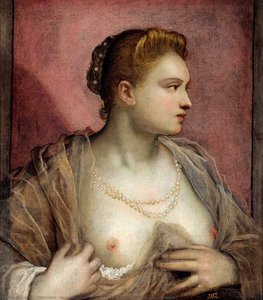
A Vision of Wisdom: Exploring Tintoretto’s “A Philosopher”
This captivating oil painting by Jacopo Tintoretto, created in 1570, presents a compelling portrait of an elderly scholar – a *philosopher* immersed in thought and surrounded by the tools of his trade. The work exemplifies Tintoretto's mastery of Venetian Renaissance style, blending meticulous detail with dramatic lighting and a palpable sense of intellectual depth.Style & Historical Context
Tintoretto (1518-1594), known as *Il Furioso* (“the furious one”) for his energetic brushwork, was a pivotal figure in the Venetian School. He moved beyond the High Renaissance classicism of earlier masters like Titian, embracing a more dynamic and emotionally charged Mannerist style. This painting reflects that transition – while adhering to classical proportions and realistic representation, it foreshadows the Baroque period with its dramatic use of light and shadow (*chiaroscuro*) and heightened emotional intensity. Venice in the 16th century was a thriving center of commerce and culture, fostering an environment where intellectual pursuits were highly valued. This work likely reflects that societal reverence for knowledge and learning.Composition & Technique
The composition is powerfully centered on the figure, framed by an arched doorway that draws the viewer’s eye inward. Tintoretto's technique is characterized by layered thin glazes of oil paint, building up color and luminosity to create a rich, textured surface. The linear quality of the architecture and drapery contrasts beautifully with the organic forms created by the folds in the robe and the scattered books and scrolls. Notice how the light dramatically illuminates the philosopher’s face and hands, highlighting his age and wisdom while casting much of the background into deep shadow – a technique that heightens the sense of mystery and contemplation.Symbolism & Meaning
The painting is rich in symbolic elements. The globe represents knowledge, exploration, and the vastness of the world; the scrolls symbolize accumulated wisdom and learning; and the aged figure himself embodies experience, contemplation, and the pursuit of truth. These objects aren’t merely props but integral components that speak to the philosopher's life dedicated to intellectual inquiry. The doorway itself can be interpreted as a threshold – a passage between the known and the unknown, or perhaps even a symbolic representation of mortality.Emotional Impact & Interpretation
“A Philosopher” evokes a sense of quiet dignity and profound contemplation. The subject’s gaze is directed inward, suggesting deep thought and introspection. The warm color palette – dominated by golds, ochres, and ambers – creates an atmosphere of warmth and intellectual stimulation. This isn't simply a portrait; it’s a meditation on the power of knowledge, the weight of experience, and the enduring human quest for understanding. It invites viewers to reflect on their own pursuit of wisdom and meaning.For Collectors & Designers
This painting – or a high-quality reproduction – would be a stunning addition to any collection. Its classic composition and rich color palette make it versatile enough to complement a variety of interior design styles, from traditional libraries to modern living spaces. The artwork’s intellectual gravitas adds a touch of sophistication and timeless elegance to any room. It serves as both a beautiful aesthetic object and a powerful symbol of the enduring human spirit.Запитання та відповіді
Яку емоцію передає твір "A Philosopher" у межах стилю Renaissance?
У межах течії Renaissance, «A Philosopher» зафіксовано в Рефлексивний тональності.
Чи знаходиться «A Philosopher» Тінторетто у рідній країні митця?
Так — твір зберігається в країні походження митця. Тінторетто народився/народилася в Італія, а оригінал твору «A Philosopher» зберігається в музеї в Італія.
Яку атмосферу привносить «A Philosopher» Тінторетто в інтер'єр?
Завдяки своїй Містичний атмосфері, робота "A Philosopher" чудово підійде для Вітальня.
Біографія митця
A Venetian Master of Drama and Light
Jacopo Tintoretto, born Jacopo Robusti in Venice around 1518, remains one of the most compelling and enigmatic figures of the High Renaissance and early Baroque periods. His very nickname, “Tintoretto” – little dyer – speaks to his family’s trade, yet it belies the immense artistry that would distinguish him from all others. Unlike many artists who benefited from structured apprenticeships, Tintoretto's path was largely self-directed, fueled by an insatiable curiosity and a relentless drive for innovation. While accounts suggest a brief and unsuccessful stint under Titian, the acknowledged master of Venetian colorism, it seems the experience proved more contentious than formative. Titian’s alleged dismissal of the young Jacopo – whether due to jealousy or artistic disagreement – spurred Tintoretto toward an independent course, one characterized by audacious experimentation and a uniquely dynamic style. He immersed himself in anatomical study, reportedly through dissection, and honed his skills by meticulously copying classical sculpture and the works of other masters. This dedication laid the foundation for a career that would redefine Venetian painting.Forging a Distinctive Style: *Il Furioso*
Tintoretto’s artistic development was marked by an almost feverish energy, earning him another evocative nickname: *Il Furioso* – “the Furious One.” This moniker wasn't merely descriptive of his working pace but also captured the intensity and emotional charge that permeated his canvases. His early works already hinted at a departure from traditional Venetian conventions. While acknowledging Titian’s influence in color, Tintoretto gravitated towards Michelangelo’s powerful figures and dramatic compositions. He synthesized these influences into something entirely new: a style characterized by elongated forms, swirling draperies, and an innovative use of perspective that often created a sense of dizzying depth and movement. He abandoned the meticulous finish favored by his contemporaries, opting instead for a rapid, almost sketch-like brushstroke that conveyed immediacy and raw emotion. This technique, combined with his masterful manipulation of light and shadow – *chiaroscuro* – allowed him to create scenes of unparalleled drama and psychological intensity. He wasn’t simply depicting events; he was conveying their emotional core. His compositions were often asymmetrical and dynamic, filled with movement and a sense of urgency, reflecting the turbulent spirit of his time.Monumental Achievements: San Rocco and Beyond
Tintoretto's prodigious output spanned decades, encompassing religious narratives, historical allegories, and portraits. However, his most significant achievement lies in the cycle of paintings he created for the Scuola Grande di San Rocco, a Venetian confraternity dedicated to Saint Roch. Over a period of more than fifty years, Tintoretto adorned the Scuola’s halls with over sixty canvases, transforming it into a breathtaking visual testament to faith and human experience. Works like “The Last Supper,” completed late in his life, demonstrate his continued experimentation with perspective and composition. Departing from traditional depictions, Tintoretto placed the scene in a dramatically lit, architecturally unstable space, emphasizing the emotional turmoil of Christ’s final meal with his disciples. Other notable works include “The Miracle of Saint Mark Freeing the Slave,” a powerful display of dynamic composition and foreshortening, and numerous paintings for Venetian churches and palaces that showcase his mastery of scale and narrative storytelling. These monumental projects cemented Tintoretto's reputation as one of Venice’s most important artists.Influences and Artistic Connections
Tintoretto’s artistic journey was shaped by a complex interplay of influences. While Titian undoubtedly provided an initial foundation in color and technique, it was Michelangelo who profoundly impacted his approach to composition and figure design. The dynamism and emotional intensity of the Renaissance master resonated deeply with Tintoretto, inspiring him to create works characterized by dramatic gestures, powerful musculature, and a sense of overwhelming energy. He also studied classical sculpture extensively, absorbing its principles of form and proportion. Furthermore, he was influenced by the work of Venetian artists such as Paolo Veronese, whose opulent style provided a contrast to Tintoretto’s more raw and expressive approach. It's important to note that Tintoretto maintained a complex relationship with his peers, often engaging in spirited debates about artistic merit and technique.Legacy and Historical Significance
Jacopo Tintoretto died in Venice in 1594, leaving behind a vast and influential body of work. He bridged the gap between the High Renaissance and the Baroque period, anticipating many of the stylistic innovations that would define the latter. His dramatic compositions, expressive brushwork, and innovative use of light and shadow profoundly influenced artists such as Caravaggio, Rembrandt, and Delacroix. He wasn’t merely a painter; he was a visual storyteller who understood how to harness the power of art to evoke emotion and inspire awe. As one of the three great Venetian painters of the 16th century – alongside Titian and Paolo Veronese – Tintoretto played a crucial role in shaping the artistic landscape of Venice during its golden age. His work reflects not only the religious fervor and political tensions of his time but also a uniquely personal vision that continues to resonate with audiences today, solidifying his place as one of history’s most important and captivating artists. His legacy is a testament to the enduring power of artistic innovation and the transformative potential of human creativity.
Тінторетто
1518 - 1594 , Італія
Довідкова інформація
- Artistic Movement Or Style: Ренесанс, Манієризм
- Artists Or Movements Influenced By This Artist: ['Карвавьо, Барокові майстри']
- Artists Who Influenced This Artist:
- Тіціан
- Мікеланджело
- Date Of Birth: 1518
- Date Of Death: 1594
- Full Name: Jacopo Robusti
- Nationality: Італійський
- Notable Artworks:
- Дивовання святого Марка
- Останній спас
- Входження Богородиці
- Place Of Birth: Венеція, Італія
Схожі статті

The Golden Light of Innovation: Exploring the Venetian Renaissance Art Movement (1430–1580)
Explore the Golden Age of Venetian art (1430–1580). Discover Giorgione, Titian & Tintoretto's techniques, the 'colorito' revolution, and lasting influence. Expert insights for collectors & enthusiasts.
Якопо Тінторетто: 25 шедеврів венесенського майстра | OriginalUniqueArt
Відкрийте 25 захопливих шедеврів Якопо Тінторетто! Венесенський ренесанс, бароко, емоційні композиції та світлотінь. Купуйте високоякісні репродукції картин на OriginalUniqueArt.com – мистецтво для вашого дому.

Venetian Renaissance: The Mastery of Color, Light, and the Art of Colorito
Explore the luminous mastery of the Venetian Renaissance. Discover how masters like Titian and Giorgione revolutionized art through colorito, light, and atmosphere. An expert guide to the golden age of Italian painting for collectors and enthusiasts.

The Enduring Legacy of Oil on Canvas: Technique, History & Aesthetic Impact
Explore the rich history & techniques of oil painting – from Renaissance masters to Impressionism. Discover pigments, layering methods, and why this timeless medium endures. Expert insights for artists & art enthusiasts.

The Enduring Power of Painting: A Historical & Contemporary Exploration of Form and Emotion
Explore the rich history & enduring techniques of oil painting with OriginalUniqueArt. Discover masterpieces, learn about art collecting, and find authentic handmade reproductions crafted by skilled artists.