
 Переглянути в інтер'єрі
 Надіслати як листівку
 Поділитися
 Деталі витвору
 Посібник

 Завантажити
 Схожі екземпляри
 Рентгенівське дослідження
 Слайд-шоу
 Питання та відповіді
 Статистика
Samuel Humes

- 74.0 x 61.0 cm


 Розгорнути текст
Гікле / Художній принт
Друк جيкле або на полотні музейної якості з оперативним виготовленням та різноманітними варіантами фінішної обробки. ( Замовити картину ручної роботи Перейти до цифрових зображень)




P118B ₴10

P118H ₴10

P118W ₴10

P438Z ₴10

P508JH ₴12

P508YH ₴12

P805H ₴10

P805Z ₴10

P919BZ ₴10

P919G ₴10

P919XJ ₴10

P959ZH ₴10

P968JZ ₴12

W106C ₴8

W218G ₴10

W218JH ₴8

W218Y ₴10

W307PJ ₴10

W316G ₴10

W316PJ ₴8

W316Y ₴10

W398PJ ₴8

W4111J ₴10

W500HY ₴15

W500JH ₴15

W692G ₴12

W849H ₴8

W940BG ₴15

W953PJ ₴8




Обирайте з наших стандартних розмірів, що відповідають оригінальним пропорціям твору мистецтва.

Введіть необхідну ширину та висоту, щоб принт ідеально підійшов до вашої рами або стіни. Принт можна лише обрізати, але не можна зробити більшим за оригінал, тому при зміні пропорцій частина зображення буде втрачена. Перед друком ми надсилаємо вам цифровий макет для затвердження. Зображення на цій сторінці не відображає реальну обрізку — її можна побачити лише на макеті.
Доставка по всьому світу () за 2 тижні замість стандартних 4/5 тижнів. (5 Листопад)

Безкоштовна експрес-доставка по всьому світу

Високоякісне лляне полотно

Повне страхове покриття доставки

Гарантія повернення митних зборів

Гарантія точного відтворення кольорів

Політика повернення протягом 100 днів (лише у разі виявлення дефектів)

Гарантія повернення 100% коштів

Пропозиція на оптові замовлення
 Скляний варіант доступний лише для розмірів до 110 см

Samuel Humes
Гікле / Художній принт
Розмір репродукції
-


Підсумкова вартість
₴ 3638
A Window into Pennsylvania Society: Examining Jacob Eichholtz’s Portrait of Samuel Humes
Jacob Eichholtz's "Samuel Humes" stands as a testament to the burgeoning artistic spirit of early 19th-century America, specifically within the context of Lancaster County. Born in 1776, Eichholtz wasn’t formally trained at an academy; his artistic journey began organically—rooted in the practical realities of his upbringing alongside Leonard Eichholtz, whose Bull’s Head Tavern served as a cornerstone of Lancaster's social and economic life. This formative experience instilled in him not merely an understanding of commerce but also a profound appreciation for human interaction – a sensibility that would permeate his oeuvre. Recognizing his innate talent, Eichholtz’s family skillfully channeled this inclination toward the craft of coppersmithing, securing a stable profession while simultaneously nurturing his artistic aspirations.- Subject Matter: The portrait depicts Samuel Humes, an affluent gentleman from Lancaster County, presenting him in a dignified pose against a subtly textured background.
- Style: Eichholtz’s style aligns with the Romantic Victorian movement, characterized by its emphasis on realism and psychological depth—a departure from earlier Neoclassical conventions.
Technique & Materials – Capturing Light and Texture
Executed in oil paint on canvas measuring 74 x 61 cm, Eichholtz employed a meticulous technique that prioritized capturing the nuances of light and texture. He skillfully blended brushstrokes to achieve a velvety surface finish—a hallmark of Victorian portraiture—allowing for subtle gradations of color and creating an illusion of three-dimensionality. The artist’s careful observation of anatomy and drapery contributes to the painting's remarkable accuracy, reflecting the prevailing scientific interest in studying human form during this period.Historical Context – Pennsylvania’s Artistic Renaissance
“Samuel Humes” emerged during a period of significant artistic growth within Pennsylvania—often referred to as Pennsylvania’s Artistic Renaissance. The burgeoning middle class embraced portraiture as a means of commemorating achievements and establishing social status, fostering a demand for skilled artists like Eichholtz. Lancaster County itself was experiencing rapid industrialization and urbanization, attracting individuals from across the nation eager to build lives and reputations. Eichholtz's work embodies this spirit—a celebration of both individual identity and the broader cultural landscape of his time.Symbolism & Emotional Impact – Apples and Classical Influence
The inclusion of apples within Humes’s attire is laden with symbolic significance, referencing biblical references to Adam and Eve and representing fertility and prosperity—themes prevalent in Victorian art. Furthermore, Eichholtz's stylistic choices draw inspiration from classical ideals of beauty and harmony, mirroring the broader revival of Greco-Roman culture during the Romantic era. The painting evokes a sense of quiet dignity and contemplative reflection, inviting viewers to contemplate Humes’s character and place within his community—a testament to Eichholtz’s ability to convey emotion through visual representation.Provenance & Legacy – A Masterpiece Preserved
Currently housed at the Metropolitan Museum of Art in New York City, “Samuel Humes” remains a captivating example of American Romantic portraiture. Its meticulous execution and evocative composition continue to inspire admiration among art historians and collectors alike—a lasting legacy of Jacob Eichholtz’s artistic vision.Питання та відповіді
Як поєднуються техніка та стиль у "Samuel Humes"?
«Samuel Humes» роботи Якоб Айххольтц поєднує в собі техніку Oil On Canvas зі стилем Romantic Victorian Portrait. Техніка та художній напрям визначають спосіб створення та стилістику твору.
Наскільки виражений контраст у творі «Samuel Humes» роботи Якоб Айххольтц?
У творі «Samuel Humes» роботи Якоб Айххольтц спостерігається Statement контраст між світлими та темними ділянками.
Яку кольорову гармонію демонструє «Samuel Humes» роботи Якоб Айххольтц?
Кольори твору «Samuel Humes» роботи Якоб Айххольтц демонструють Discordant Palette гармонію. Гармонія описує взаємозв'язок кольорів між собою.
Біографія митця
Ранні роки та учнівство в Ланкастері
Історія Якоба Айххольтца починається не у священних залах художньої академії, а серед практичних ремесел Пенсільванії XVIII століття. Народившись у Ланкастері, що був молодим містечком на межі освоєного світу, він прийшов у цей світ як син Леонарда Айххольтца, успадкувавши сімейну спадщину, нерозривно пов'язану з комерцією та життям громади. Його батько, Леонард, керував жвавою таверною «Bull’s Head», яка була життєво важливим центром соціальної взаємодії та торгівлі — саме це життя прищепило юному Якобу розуміння людських зв'язків та ритмів повсякдення. Однак із найперших років у ньому пульсувала інша течія: глибоке захоплення малюванням та зародження художнього чуття. Бачачи цю схильність, батьки, дбаючи про майбутнє сина, віддали його в учні до мідника, коли йому було лише одинадцять років. Цей, на перший погляд, прагматичний крок — забезпечення стабільного ремесла — насправді був ретельно продуманою інвестицією в потенціал Якоба. Майстерність обробки металу дала йому базу в точності та техніці, водночас плекаючи його око до деталей та вміння бачити форму. Що надзвичайно важливо, це також дало йому простір для вияву художніх імпульсів: у моменти відпочинку він ескізував малюнки на мідних панелях, що було тихим бунтом проти суворих вимог учнівства. Участь його батька в Американській революційній війні ще більше сформувала світогляд Якота, відкривши йому ідеали свободи та самовизначення — цінності, які згодом знайшли відображення у його підході до портретного живопису.Від ремесла до полотна: становлення портретиста
Перехід від мідника до художника не був миттєвим чи безперешкодним. Перші спроби Якоба в живописі були переважно самоосвітою, що підживлювалася непохитною пристрастю та пильним спостереженням за навколишнім світом. Він шукав поради у місцевих майстрів вивісок, переймаючи техніки та розвиваючи свої навички роботи з вугіллям та тушшю. Проте саме поява Томаса Саллі, видатного портретиста, який подорожував Ланкастером у 1808 році, стала поворотним моментом у творчому шляху Якоба. Саллі, розпізнавши потенціал Айххольтца, запропонував йому безцінні уроки та доступ до своєї студії — цей щедрий жест кардинально прискорив його розвиток. Як пізніше зауважив сам Саллі: «Ейххольтц став би першокласним художником, якби розпочав свій шлях раніше, маючи звичні переваги». Це наставництво дало Якобу критично важливі знання про композицію, освітлення та мистецтво передачі схожості й характеру його моделей. Такий досвід зміцнив його відданість портрету, перетворивши особисте захоплення на повноцінну професію. Рішення Айххольтца відкрити власну майстерню в Ланкастері відображало цю нову впевненість — сміливий крок до незалежності та самодостатності.Портретист для суспільства Пенсільванії
До початку 1800-х років Якоб Айххольтц уже утвердився як шанований портретист у зростаючих громадах Пенсілонії та Меріленду. Він не просто відтворював зовнішність; він прагнув вловити саму суть своїх моделей — їхні характери, прагнення та соціальний статус. Його портрети стали вікнами у життя видатних постатей: юристів, купців, землевласників та представників шляхетства. Він майстерно оперував канонами романтичної вікторіанської традиції, використовуючи драматичне освітлення, багаті текстури та ретельно промальовані деталі для створення образів, які були водночас естетично привабливими та психологічно глибокими. Роботи Айххольтца користувалися особливим попитом серед тих, хто прагнув задокументувати історію свого роду або вшанувати значущі життєві події. Його портрети прикрашали стіни розкішних маєтків та громадських будівель, слугуючи відчутними нагадуваннями про соціальні зв'язки та сімейні спадщини. Здатність передавати широкий спектр емоцій — від тихої споглядальності до експресивного тріумфу — суттєво сприяла його популярності та незмінній привабливості.Визначні роботи та спадщина
Протягом трьох десятиліть Якоб Айхмультц створив вражаючу кількість портретів — за оцінками, понад 800, що є свідченням його неймовірної продуктивності та непохитної відданості справі. Його картини сьогодні зберігаються у провідних музеях та приватних колекціях по всій території Сполучених Штатів, пропонуючи цінний погляд на соціальний і культурний ландшафт ранньої Америки. Серед його найславетніших робіт — «Джейн Еванс Тевіс» (приблизно 1827 рік), надзвичайно емоційний портрет, що передає спокійну красу та тиху гідність своєї героїні. Його портрети головного судді Джона Маршалла та Ніколаса Біддла, впливових постатей політичних і фінансових кіл Філадельфії, особливо примітні своєю ретельністю та психологічною глибиною. Спадщина Айххольтца виходить за межі його індивідуальних творчих досягнень; він є важливою ланкою в історії американського портрета — самоучка, який досяг визнання завдяки таланту, наполегливості та тонкому розумінню потреб своїх клієнтів. Він слугує нагадуванням про те, що справжня майстерність може зародитися в найнесподіваніших місцях, перетворюючи скромне походження на вічне визнання.Пізні роки та пам'ять
У 1830 році Якоб Айххольтц переїхав до Філадельфії в пошуках нових можливостей та нового початку. Він продовжував плідно працювати до самої смерті у 1842 році, залишивши по собі дивовижний доробок, що відображає дух цілої епохи. Його останні роки були сповнені прагнення до простоти та зв'язку з корінням, що привело його назад у Ланкастер, де він був похований разом зі своєю родиною на цвинтарі Вудворд-Гілл. Сьогодні портрети Якоба Айххольтца залишаються дорогоцінними артефактами — свідченнями його майстерності, бачення та безсмертного внеску в мистецтво американського портрета. Вони дарують нам зворушливу можливість зазирнути у життя тих, хто формував історію нації, нагадуючи про силу мистецтва втілювати не лише зовнішність, а й саму сутність людського досвіду.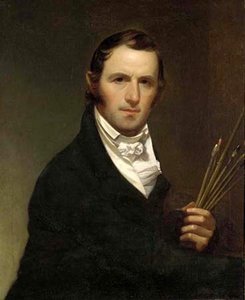
Якоб Айххольтц
1776 - 1842 , США
Короткі факти
- Artistic Movement Or Style: Романтизм Вікторіанський портрет
- Artists Who Influenced This Artist:
- Джеймс Пейл
- Томас Салли
- Date Of Birth: 1776
- Date Of Death: 1842
- Full Name: Jacob Eichholtz
- Nationality: Американський
- Notable Artworks:
- Портрет Джона Маркоэ
- Портрет Мехитабель Кокс Маркоэ
- Портрет Бенджаміна Р. Моргана
- Place Of Birth: Lancaster, Pennsylvania
Пов'язані статті

The Enduring Legacy of Oil on Canvas: Technique, History & Aesthetic Impact
Explore the rich history & techniques of oil painting – from Renaissance masters to Impressionism. Discover pigments, layering methods, and why this timeless medium endures. Expert insights for artists & art enthusiasts.

Romantic Realism's Finest: 10 Masterpieces for Your Home | OriginalUniqueArt
Explore 10 defining masterpieces of Romantic Realism! Discover Courbet, Millet & Daumier's powerful paintings—capturing emotion and social realities. Find museum-quality reproductions for your home at OriginalUniqueArt.com.

The Enduring Power of Painting: A Historical & Contemporary Exploration of Form and Emotion
Explore the rich history & enduring techniques of oil painting with OriginalUniqueArt. Discover masterpieces, learn about art collecting, and find authentic handmade reproductions crafted by skilled artists.
Samuel Walters: Capturing Victorian Maritime Life with Precision & Artistry
Explore the exquisite maritime paintings of Samuel Walters (1811-1882). Discover his mastery of detail, historical scenes & influence on Victorian art. Learn about collecting his works and find high-quality reproductions at OriginalUniqueArt.

Oil on Canvas: A Historical & Technical Exploration of a Timeless Artistic Medium
Explore the rich history & enduring techniques of oil painting on canvas. Discover the science behind its longevity, conservation practices, and contemporary relevance. Expert insights for art enthusiasts.