

 Переглянути в інтер'єрі
 Надіслати
 Поділитися
 Деталі
 Посібник

 Завантажити
 Схожі предмети колекціонування
 Рентгенівське дослідження
 Слайд-шоу
 Статистика переглядів
Tempest by cape Aiya
 Олія на полотні
- Настінне мистецтво
- Romanticism
 1875
1875- — XIX століття
 215.0 x 325.0 cm
 Читати далі
Олійная репродукція ручної роботи
Написана вручну олією на полотні у вашому розмірі та рамі, виготовлена на замовлення нашими художниками. ( Перейти до друку Перейти до цифрових зображень)




P118B $10

P118H $10

P118W $10

P438Z $10

P508JH $12

P508YH $12

P805H $10

P805Z $10

P919BZ $10

P919G $10

P919XJ $10

P959ZH $10

P968JZ $12

W106C $8

W218G $10

W218JH $8

W218Y $10

W307PJ $10

W316G $10

W316PJ $8

W316Y $10

W398PJ $8

W4111J $10

W500HY $15

W500JH $15

W692G $12

W849H $8

W940BG $15

W953PJ $8




Обирайте з наших стандартних розмірів, що відповідають оригінальним пропорціям твору мистецтва.

Ви можете вказати власні розміри, щоб репродукція ідеально підійшла до конкретної рами або інтер'єру. Якщо вибраний вами розмір не відповідає пропорціям оригіналу, ми або обріжемо полотно, або доповнимо картину додатковими елементами, промальованими вручну. Цифровий макет буде надіслано вам на затвердження перед початком виробництва.
Зверніть увагу, що попередній перегляд на екрані не відображає фактичне обрізання або розширення зображення. Тільки макет точно покаже остаточну композицію.
Хоча ми можемо виготовити виріб у нестандартному розмірі, для збереження оригінальних пропорцій рекомендуємо обирати варіанти зі встановленого списку.
Після оформлення замовлення команда OriginalUniqueArt.com зв'яжеться з клієнтом електронною поштою для отримання інструкцій та надасть попередній макет
Доставка по всьому світу () за 3–4 тижні замість стандартних 5 тижнів. (27 Вересень). Без жодних компромісів у якості.

Безкоштовна експрес-доставка по всьому світу

Високоякісне лляне полотно

Повне страхове покриття доставки

Гарантія повернення митних зборів

Гарантія точного відтворення кольорів

Політика повернення протягом 100 днів (лише у разі виявлення дефектів)

Гарантія повернення 100% коштів

Знижка на оптові замовлення
 Скляний варіант доступний лише для розмірів до 110 см

Tempest by cape Aiya
Техніка репродукції
Розмір репродукції
-


Загальна вартість
$ 300
Tempest by Cape Aiya: A Masterpiece of Romantic Sea Power
Ivan Aivazovsky’s “Tempest” is not merely a painting; it's an immersion into the heart of a storm, a visceral experience rendered with breathtaking skill and profound emotion. Completed in 1875, this monumental oil on canvas – measuring a commanding 215 x 325 cm – currently resides within the hallowed halls of The State Hermitage Museum in Russia, yet its power transcends geographical boundaries. Aivazovsky, born Hovhannes Aivazian in Feodosia, dedicated his life to capturing the untamed spirit of the Black Sea, and “Tempest” stands as a pinnacle of his achievement.
- Subject Matter: The painting depicts a chaotic seascape dominated by two vessels locked in a desperate struggle against colossal waves. A larger ship, clearly overwhelmed, is slowly succumbing to the storm’s fury, while a smaller boat valiantly attempts to navigate through the turbulent waters – a poignant symbol of human resilience against nature's raw power.
- Style and Technique: “Tempest” embodies the Romantic movement’s fascination with dramatic landscapes and intense emotion. Aivazovsky’s masterful brushwork, characterized by bold strokes and expressive handling of paint, conveys an unparalleled sense of dynamism and chaos. The artist meticulously layered oil paints to build texture and depth, simulating the roughness of the water and the solidity of the cliffs.
Decoding the Storm: Composition and Color
Aivazovsky’s compositional genius is immediately apparent in “Tempest.” He skillfully employs a low perspective, placing the viewer almost at water level, intensifying the feeling of immersion and vulnerability. The carefully balanced arrangement of the boats creates a powerful sense of tension, drawing the eye across the canvas and emphasizing the scale of the storm. The color palette – predominantly muted blues, grays, and browns – reinforces the painting’s somber mood, punctuated by flashes of white foam and the pale glow of sunlight piercing through the clouds. This restrained use of color amplifies the drama, focusing attention on the swirling waves and the desperate plight of the ships.
Symbolism and Historical Context
Beyond its technical brilliance, “Tempest” is rich in symbolic meaning. The sinking ship represents humanity’s vulnerability in the face of nature's overwhelming force – a timeless theme explored throughout art history. The painting was created during a period of significant maritime exploration and trade, reflecting the era’s fascination with both the promise and peril of the seas. Aivazovsky’s work wasn’t simply a record of observation; it was an embodiment of his deep connection to the Black Sea, a place he considered his muse and spiritual home.
Owning a Piece of History
Handmade oil paintings reproductions of “Tempest” by Cape Aiya are now available for purchase at OriginalUniqueArt.com, offering art lovers the opportunity to own a tangible connection to this iconic masterpiece. This reproduction faithfully captures the drama and power of Aivazovsky’s original, bringing his vision into your home or studio. For further information on Ivan Aivazovsky and his other celebrated works – including “View of Odessa by Moonlight” and “The Great Roads at Kronstadt” – please visit OriginalUniqueArt.com.
Біографія митця
A Life Embraced by the Waves
Ivan Konstantinovich Aivazovsky, born Hovhannes Aivazian in 1817, was more than a painter of seascapes; he was a conduit to the ocean’s soul. His very existence seemed inextricably linked to the Black Sea—a vast, unpredictable expanse that would forever dominate his artistic vision and fuel an extraordinary career spanning nearly six decades. Born in the Crimean port city of Feodosia, Aivazovsky didn't merely observe the sea; he felt it – its raw energy, sublime beauty, and inherent danger becoming the very essence of his art. From a young age, this connection was nurtured, initially by local architect Jacob Koch who recognized the boy’s talent, then blossoming within the rigorous academic environment of the Imperial Academy of Arts in Saint Petersburg. Yet, formal training alone couldn't account for the depth of Aivazovsky’s understanding; it was the constant presence of salt-laced air and the cries of gulls that truly shaped his artistic sensibility. His Armenian heritage also played a significant role, as he was baptized at the St. Sargis Armenian Church in Feodosia and maintained strong cultural ties throughout his life, occasionally incorporating Armenian themes into his expansive body of work.The Early Years: Crimean Roots and Artistic Beginnings
Aivazovsky’s early years were profoundly shaped by his Crimean upbringing. Feodosia, a bustling port city with a rich maritime history, provided him with an unparalleled connection to the sea. The salty air, the vibrant colors of the harbor, and the constant movement of ships instilled in him a deep appreciation for the ocean's power and beauty. His family’s modest circumstances fostered resilience and a strong work ethic—qualities that would prove invaluable throughout his career. Recognizing his exceptional talent at a young age, Jacob Koch, a local architect, encouraged Aivazovsky’s artistic pursuits, providing him with early instruction and guidance. This initial nurturing paved the way for his acceptance into the Imperial Academy of Arts in Saint Petersburg, where he honed his skills under the tutelage of established masters. Despite the formal training, Aivazovsky always maintained a strong connection to his Crimean roots, drawing inspiration from the landscapes and maritime traditions of his homeland. His early works often depicted scenes of Feodosia’s harbor, capturing its unique atmosphere and showcasing his developing technical abilities.The Italian Influence: Refining a Distinct Style
In the early 1840s, Aivazovsky embarked on a transformative journey to Italy, a pivotal period in his artistic development. Immersing himself in the landscapes of Tuscany, Umbria, and other regions, he encountered new light, color palettes, and compositional techniques that profoundly influenced his style. He studied the works of masters like Claude Lorrain and Canaletto, absorbing their mastery of perspective, atmospheric effects, and dramatic lighting. Italy allowed him to break free from the rigid conventions of Russian academic art and develop a more expressive and personal approach. He began experimenting with looser brushstrokes, brighter colors, and a greater emphasis on capturing fleeting moments of light and atmosphere. This period marked a significant shift in his artistic vision—a move towards a more Romantic style characterized by dramatic compositions and an intense emotional response to the natural world.A Painter of the Navy: Access and Artistic Flourishing
Aivazovsky’s career took a decisive turn upon his appointment as the main painter of the Russian Navy in 1845. This wasn't merely a prestigious title; it was access—access to ships, sailors, naval battles, and firsthand observation that profoundly influenced his work. He became intimately acquainted with maritime life, witnessing firsthand the challenges and triumphs of naval service. He spent years aboard various warships, documenting naval engagements, capturing the drama of ship-to-ship combat, and portraying the lives of sailors at sea. This direct experience infused his paintings with an unparalleled sense of authenticity and realism. His depictions of naval battles—works like *The Ninth Wave* and *Ship in a Stormy Sea*—became iconic representations of Russian military prowess and maritime heroism. He wasn’t simply recording events; he was conveying the raw emotion, the chaos, and the sheer power of these encounters.Masterpieces and Legacy: A Lasting Impact
Throughout his prolific career, Aivazovsky created over 6,000 paintings, along with numerous graphic drawings, watercolours and sepias. His most celebrated works—including *The Ninth Wave*, *Ship in a Stormy Sea*, *Seascape with Full Moon*, and *Chaos (The Creation)*—are testaments to his extraordinary talent and artistic vision. These paintings are characterized by their dramatic compositions, masterful use of color, and evocative portrayal of the sea’s moods and mysteries. Aivazovsky's influence extended far beyond Russia; his work was exhibited throughout Europe and America, earning him international acclaim. He established an art gallery in Feodosia, preserving his legacy and providing a space for future generations to appreciate his artistic achievements. Today, Ivan Konstantinovich Aivazovsky is recognized as one of the greatest marine artists of all time—a master who captured the essence of the sea with unparalleled skill and passion. His paintings continue to inspire awe and wonder, reminding us of the enduring power and beauty of nature.- Key Works: *The Ninth Wave*, *Ship in a Stormy Sea*, *Seascape with Full Moon*, *Chaos (The Creation)*
- Technique: Known for his use of thin layers of paint to create luminous textures and capturing fleeting light effects.
- Subject Matter: Primarily focused on seascapes, coastal scenes, and naval battles.

Іван Айвазовський
1817 - 1900 , Україна
Довідкова інформація
- Artistic Movement Or Style: Романтизм, морське мистецтво
- Artists Or Movements Influenced By This Artist: ['Російське краєзнавче живопис']
- Artists Who Influenced This Artist:
- Джон М. В. Тёрнер
- Сильвестр Щедрін
- Date Of Birth: 1817
- Date Of Death: 1900
- Full Name: Ivan Konstantinovich Aivazovsky
- Nationality: Російсько-армянський
- Notable Artworks:
- «Девятая волна»
- Корабель у штормовому морі
- Морський пейзаж із повним місяцем
- Place Of Birth: Феодосія, Росія
Схожі статті

Oil on Canvas: A Historical & Technical Exploration of a Timeless Artistic Medium
Explore the rich history & enduring techniques of oil painting on canvas. Discover the science behind its longevity, conservation practices, and contemporary relevance. Expert insights for art enthusiasts.
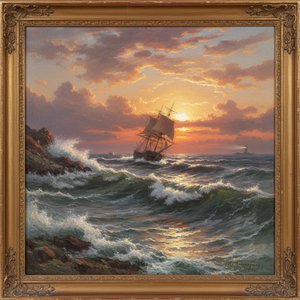
Ivan Aivazovsky: Mastering Light & Emotion in 19th-Century Marine Painting
Explore the captivating world of Ivan Aivazovsky, a master of 19th-century marine painting. Discover his techniques, iconic artworks & lasting legacy in this expert guide.

The Enduring Legacy of Oil on Canvas: Technique, History & Aesthetic Impact
Explore the rich history & techniques of oil painting – from Renaissance masters to Impressionism. Discover pigments, layering methods, and why this timeless medium endures. Expert insights for artists & art enthusiasts.
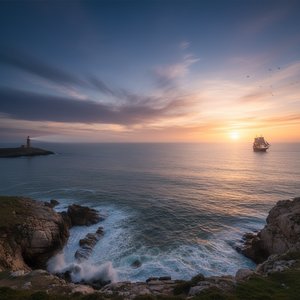
The Allure of the Horizon: A Comprehensive Exploration of Seascape Art Through History & Emotion
Explore the captivating world of seascape art! Discover its history, key artists & movements – from Dutch Masters to Impressionism. Expert insights for collectors and enthusiasts at OriginalUniqueArt.

Ivan Bilibin: A Synthesis of Folklore, Modernism & National Identity in Russian Illustration
Explore the enchanting world of Ivan Bilibin, a master Russian illustrator who synthesized folklore, Art Nouveau & national identity. Discover his iconic fairy tale illustrations and legacy with OriginalUniqueArt.


