
 Переглянути в інтер'єрі
 Надіслати як листівку
 Поділитися
 Детальніше

 Завантажити
 Схожі експонати
 Рентгенівське дослідження
 Слайд-шоу
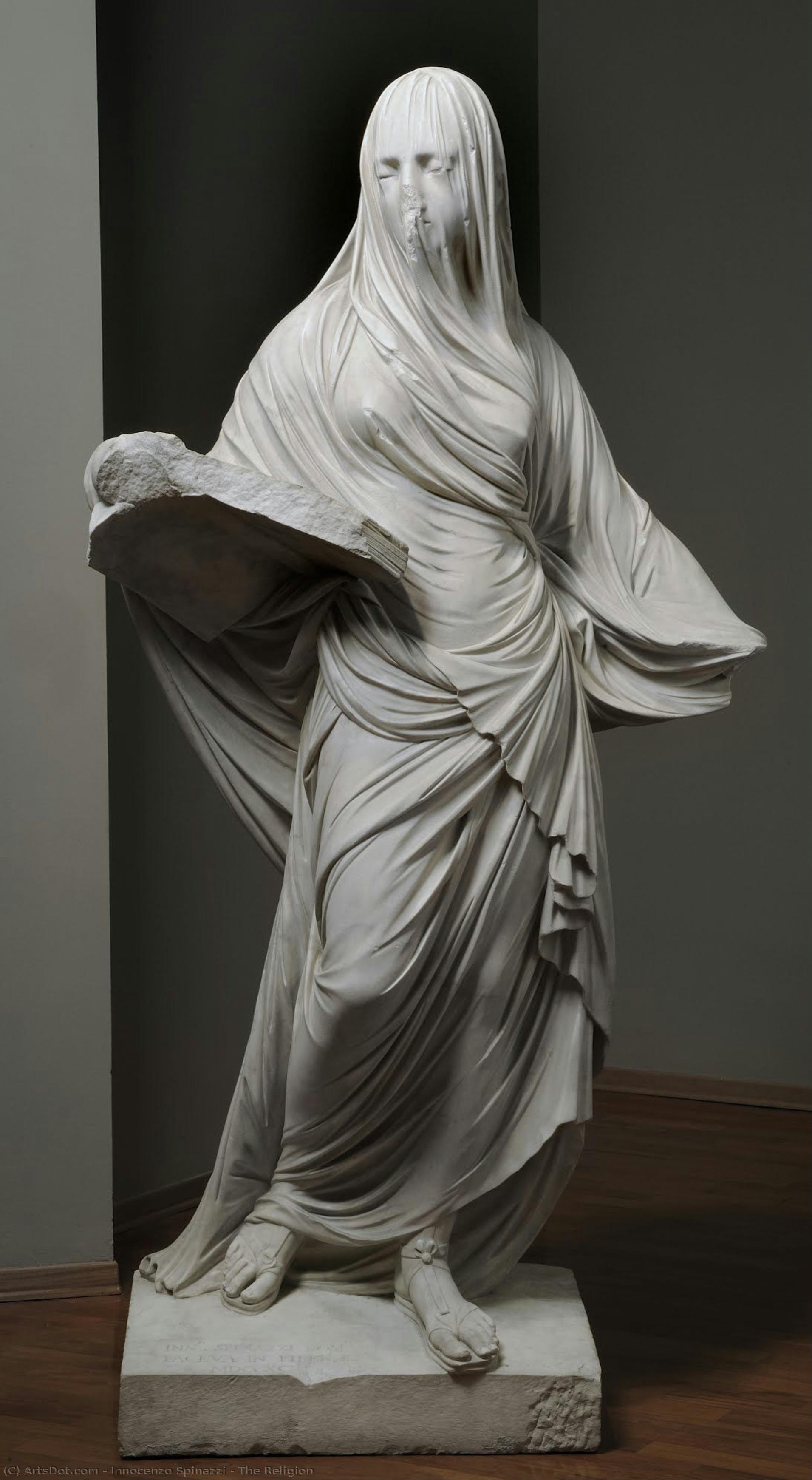
The Religion
 Neoclassicism
 115.0 x 215.0 cm
 Galleria Civica di Arte Moderna e Contemporanea Torino
 Читати далі
Олійная репродукція ручної роботи
Написана вручну олією на полотні у вашому розмірі та рамі, виготовлена на замовлення нашими художниками. ( Замовити принт Купити цифрове зображення)




































Обирайте з наших стандартних розмірів, що відповідають оригінальним пропорціям твору мистецтва.

Ви можете вказати власні розміри, щоб репродукція ідеально підійшла до конкретної рами або інтер'єру. Якщо вибраний вами розмір не відповідає пропорціям оригіналу, ми або обріжемо полотно, або доповнимо картину додатковими елементами, промальованими вручну. Цифровий макет буде надіслано вам на затвердження перед початком виробництва.
Зверніть увагу, що попередній перегляд на екрані не відображає фактичне обрізання або розширення зображення. Тільки макет точно покаже остаточну композицію.
Хоча ми можемо виготовити виріб у нестандартному розмірі, для збереження оригінальних пропорцій рекомендуємо обирати варіанти зі встановленого списку.
Після оформлення замовлення команда OriginalUniqueArt.com зв'яжеться з клієнтом електронною поштою для отримання інструкцій та надасть попередній макет
Доставка по всьому світу () за 3–4 тижні замість стандартних 5 тижнів. (17 Серпень). Без жодних компромісів у якості.

Безкоштовна експрес-доставка по всьому світу

Високоякісне лляне полотно

Повне страхове покриття доставки

Гарантія відшкодування митних зборів

Гарантія точного відтворення кольорів

Політика повернення протягом 60 днів (лише у разі виявлення дефектів)

Гарантія повернення 100% коштів

Пропозиція на оптові замовлення
 Скляний варіант доступний лише для розмірів до 110 см

The Religion
Матеріал репродукції
Розмір репродукції
-


Підсумкова вартість
$ 300
Опис твору
Біографія митця
Innocenzo Spinazzi: Florentine Rococo and the Legacy of Antiquity
Innocenzo Spinazzi (1726–1798) stands as a towering figure in Florentine Baroque sculpture, embodying the artistic fervor of Enlightenment Italy while simultaneously honoring the traditions of classical antiquity. Born into a family of silversmiths in Rome, Spinazzi’s formative years instilled within him an appreciation for meticulous craftsmanship and refined aesthetics—qualities that would define his entire oeuvre. His training under Giovanni Battista Maini provided him with foundational knowledge of sculptural technique and artistic theory, setting the stage for his remarkable ascent to prominence as Florence's foremost sculptor.- Early Career in Rome: Spinazzi’s initial success stemmed from his monumental statue of St Joseph Calasanctius (1755) commissioned for the nave of St Peter’s Basilica, a project that showcased his mastery of marble carving and demonstrated an understanding of Baroque grandeur. This commission solidified his reputation as a sculptor capable of tackling ambitious undertakings and conveying profound spiritual themes.
- Arrival in Florence & Court Patronage: Recognizing the artistic dynamism of Florence under Leopold II, Spinazzi relocated to the city in 1769, swiftly securing the prestigious position of official court sculptor—a role that afforded him unparalleled access to influential patrons and fueled his creative output.
- Monumental Sculpture: Spinazzi's most celebrated works are undoubtedly his sculptures for Santa Croce—particularly the monumental figures representing jurist Giovanni Lami, Angelo Tavanti and Niccolò Machiavelli. These sculptures embody the humanist spirit of the Enlightenment, reflecting a fascination with classical ideals of beauty and proportion.
- Religious Sculpture: Spinazzi’s artistic vision found its fullest expression in his religious commissions, notably *Faith* (1781) and *Religion* (from the tomb of Varvara Jakovlevna), which drew inspiration from Antonio Corradini's Neapolitan sculptures—a testament to his engagement with contemporary artistic trends.

Innocenzo Spinazzi
1726 - 1798 , Italy
Короткі факти
- Artistic Movement Or Style: Rococo
- Artists Or Movements Influenced By This Artist: ['Antonio Corradini']
- Artists Who Influenced This Artist:
- Giovanni Battista Maini
- Gian Lorenzo Bernini
- Date Of Birth: Rome, Italy (1726)
- Date Of Death: Florence, Italy (1798)
- Full Name: Innocenzo Spinazzi
- Nationality: Italian
- Notable Artworks:
- Faith
- The Religion
- Place Of Birth: Rome
Пов'язані статті

The Enduring Allure of Marble in Art History: From Classical Sculpture to Modern Abstraction
Explore the captivating history of marble sculpture from ancient Greece to modern art. Discover renowned artists like Canova & Michelangelo, carving techniques, and investment insights at OriginalUniqueArt.

10 легендарних бронзових скульптур, що змінили мистецтво | OriginalUniqueArt
Відкрийте 10 легендарних бронзових скульптур, що змінили хід мистецтва! Дізнайтесь історії Мікеланджело, Родена та інших геніїв. Репродукції картин преміум-класу для вашого дому – на OriginalUniqueArt.com
Timeless Elegance: A Complete Guide to the Sublime Beauty and Artistry of Marble Sculpture
Discover the sublime beauty of marble art through an expert exploration of Renaissance and Neoclassical masterpieces. From the delicate textures of Carpeaux to the grandeur of Sansovino, immerse yourself in a guide to timeless elegance and sculptural perfection.

The Enduring Form: Exploring Themes & Techniques in Sculpture Across Historical Periods
Explore the rich history of sculpture from ancient masterpieces to contemporary innovations. Discover key techniques, influential artists & investment potential for discerning art collectors.
The Enduring Form: Sculpture Across History, Technique & Emotional Resonance
Explore the rich history of sculpture with OriginalUniqueArt. Discover key techniques, influential artists & investment potential for discerning collectors. Expert insights into valuing and collecting timeless masterpieces.

