Переглянути в інтер'єрі
 Надіслати як листівку
 Поділитися
 Деталі витвору
 Посібник

 Завантажити
 Схожі екземпляри
 Рентгенівське дослідження
 Слайд-шоу
 Q&A
Q&A Статистика
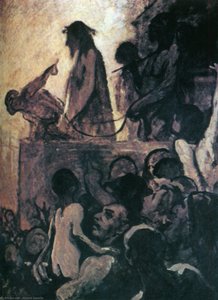
The Hypochondriac (Le Malade imaginaire)

- 20.0 x 27.0 cm


 Розгорнути текст
Гікле / Художній принт
Друк جيкле або на полотні музейної якості з оперативним виготовленням та різноманітними варіантами фінішної обробки. ( Замовити картину ручної роботи Перейти до цифрових зображень)




P118B ₴10

P118H ₴10

P118W ₴10

P438Z ₴10

P508JH ₴12

P508YH ₴12

P805H ₴10

P805Z ₴10

P919BZ ₴10

P919G ₴10

P919XJ ₴10

P959ZH ₴10

P968JZ ₴12

W106C ₴8

W218G ₴10

W218JH ₴8

W218Y ₴10

W307PJ ₴10

W316G ₴10

W316PJ ₴8

W316Y ₴10

W398PJ ₴8

W4111J ₴10

W500HY ₴15

W500JH ₴15

W692G ₴12

W849H ₴8

W940BG ₴15

W953PJ ₴8




Обирайте з наших стандартних розмірів, що відповідають оригінальним пропорціям твору мистецтва.

Введіть необхідну ширину та висоту, щоб принт ідеально підійшов до вашої рами або стіни. Принт можна лише обрізати, але не можна зробити більшим за оригінал, тому при зміні пропорцій частина зображення буде втрачена. Перед друком ми надсилаємо вам цифровий макет для затвердження. Зображення на цій сторінці не відображає реальну обрізку — її можна побачити лише на макеті.
Доставка по всьому світу () за 2 тижні замість стандартних 4/5 тижнів. (31 Жовтень)

Безкоштовна експрес-доставка по всьому світу

Високоякісне лляне полотно

Повне страхове покриття доставки

Гарантія повернення митних зборів

Гарантія точного відтворення кольорів

Політика повернення протягом 100 днів (лише у разі виявлення дефектів)

Гарантія повернення 100% коштів

Пропозиція на оптові замовлення
 Скляний варіант доступний лише для розмірів до 110 см

The Hypochondriac (Le Malade imaginaire)
Гікле / Художній принт
Розмір репродукції
-


Підсумкова вартість
₴ 3596
A Satirical Masterpiece: Decoding Daumier’s Vision
In the realm of French Realism, few works capture the biting wit and social scrutiny of Honoré Daumier quite like "The Hypochondriac" (Le Malade imaginaire). Executed around 1870, this evocative drawing serves as a profound visual distillation of Molière’s legendary satirical play. Daumier does not merely illustrate a theatrical moment; he breathes life into the very essence of human folly and the absurdity of medical pretension. The scene presents a dramatic tableau where the boundaries between stagecraft and reality blur, inviting the viewer to witness the tension between the delusional patient, Argan, and the self-important physician, Purgon. It is a work that transcends its 19th-century origins, offering a timeless commentary on how easily authority can be used to mask incompetence.
The composition is anchored by a palpable sense of atmosphere, achieved through Daumier’s masterful command of light and shadow. The room feels intimate yet claustrophobic, mirroring the psychological entrapment of the hypochondriac himself. Through his use of chiaroscuro-like effects, Daumier directs our gaze across the figures—from the bearded doctor engaged in intense dialogue to the whimsical presence of a jester holding a bottle. This interplay of light does more than define form; it sculpts the emotional weight of the scene, highlighting the dramatic friction between the characters and creating a sense of theatrical depth that pulls the observer into the heart of the drama.
Technique and the Art of Observation
To behold "The Hypochondriac" is to appreciate the technical brilliance of Daumier’s dry etching process. By applying acid to a zinc plate coated with bitumen, the artist achieved a remarkable level of detail that allows for incredible textural nuance. Every line carries intention, contributing to a sense of movement and life that is rare in works of this period. The tonal modulations are particularly striking; they provide a velvety richness to the shadows and a sharp clarity to the highlights, lending the black and white medium a near-painterly quality. This meticulous draftsmanship allows the viewer to feel the heavy fabrics of the costumes and the somber stillness of the room.
For the discerning collector or interior designer, this piece offers a sophisticated aesthetic that balances historical gravity with expressive energy. The monochromatic palette makes it an exceptionally versatile choice for high-end decor, capable of anchoring a gallery wall or serving as a focal point in a study lined with books. It possesses that rare quality of "living art"—a work that does not merely sit on a wall but actively engages the room, sparking conversation and inviting deep contemplation of the human condition.
A Legacy of Social Commentary
Beyond its technical merits, the emotional impact of Daumier’s work lies in its unapologetic honesty. As a chronicler of the tumultuous currents of 19th-century France, Daumier used his art as a weapon against hypocrisy. In "The Hypochondriac," he captures the precise moment where medical authority meets theatrical farce. The symbolism is subtle yet pervasive: the bottles, the costumes, and the exaggerated gestures all serve to lampoon the inflated egos of those who claim expertise over life and death. It is an invitation to look beneath the surface of societal roles and recognize the comedy—and the tragedy—inherent in our shared delusions.
Owning a high-quality reproduction of this masterpiece allows one to preserve a fragment of art history’s most sharp-witted era. Whether you are drawn to its connection to Molière, its exquisite Realist technique, or its ability to add a layer of intellectual depth to a modern space, "The Hypochondriac" remains an enduring icon of artistic bravery and observational genius.
Питання та відповіді
Яку атмосферу передає "The Hypochondriac (Le Malade imaginaire)"?
Загальний настрій «The Hypochondriac (Le Malade imaginaire)» роботи Оноре Дюмаєр — Dramatic. Цей настрій передає загальну атмосферу твору.
Хто є автором твору "The Hypochondriac (Le Malade imaginaire)"?
Автором твору «The Hypochondriac (Le Malade imaginaire)» є Оноре Дюмаєр. Робота внесена до каталогу під іменем Оноре Дюмаєр.
До якої історичної епохи належить «The Hypochondriac (Le Malade imaginaire)» роботи Оноре Дюмаєр?
«The Hypochondriac (Le Malade imaginaire)» роботи Оноре Дюмаєр датується 19th Century періодом. Ця епоха створює історичний контекст твору.
Біографія митця
A Life Etched in Satire: The World of Honoré Daumier
Honoré-Victorin Daumier, a name synonymous with biting satire and unflinching social commentary, was born in Marseille in 1808. His early life, shaped by his father’s aspirations as a poet – a dream tragically cut short – and the subsequent relocation to Paris in 1814, immersed him in a city already pulsating with artistic fervor. Initially destined for a career in law, Daumier's true calling emerged not from legal texts but from charcoal and stone, a passion ignited by his apprenticeship under Alexandre Lenoir, a student of Jacques-Louis David. This formative period instilled within him both the classical foundations of technique and an appreciation for the dramatic chiaroscuro favored by Rubens – elements that would later coalesce into his uniquely powerful style. However, Daumier’s art wasn't merely about mastering brushstrokes; it was fundamentally rooted in a profound empathy for the marginalized and a burning desire to expose the hypocrisy he witnessed within French society.The Sharpened Pen: Caricature and Social Commentary
Daumier’s career truly blossomed following the tumultuous events of 1830, the July Revolution that irrevocably altered the course of France. This seismic shift provided fertile ground for his burgeoning satirical talent, and he quickly established himself as a master lithographer. Initially working anonymously for publications like *Le Charivari*, founded by Charles Philipon, Daumier’s genius rapidly gained recognition. It was within these pages that his caricatures transcended mere humor; they became searing indictments of the bourgeoisie, the legal system, and the political establishment. His unflinching depictions of King Louis-Philippe, for instance, earned him a six-month imprisonment in 1832 – an experience that, rather than silencing him, fueled his commitment to challenging authority through art. His lithographs became visual manifestos, capturing the spirit of dissent and offering a critical perspective on the societal injustices prevalent at the time. The sheer volume of his output during this period is staggering—thousands of images documenting daily life, political machinations, and the struggles of ordinary people. These weren’t simply drawings; they were potent weapons in the fight for social awareness.Beyond Caricature: Painting and Sculptural Visions
While Daumier's legacy is most firmly established through his lithographs, to limit him solely to caricature would be a profound oversight. He was also a dedicated painter and sculptor, though recognition for these works came later in his life. His paintings, often depicting scenes of everyday Parisian existence – the cramped third-class carriages, the weary laundresses, the pompous lawyers – are imbued with an extraordinary sense of realism and empathy. He eschewed idealized representations, instead presenting a starkly honest portrayal of hardship and struggle. Daumier’s technique was characterized by loose brushwork and dramatic lighting, anticipating some of the techniques later embraced by the Impressionists. His sculptural work, largely created in clay – many pieces remaining unbaked during his lifetime – reveals a similar commitment to capturing the human form with remarkable sensitivity and psychological depth. These sculptures, rediscovered after his death, stand as testament to his extraordinary modeling skills and his ability to convey complex emotions through physical gesture.A Lasting Legacy: Influence and Historical Significance
Honoré Daumier’s impact on art history is undeniable. He bridged the gap between Romanticism and Realism, laying the groundwork for future generations of artists who sought to depict the world with unflinching honesty. His unwavering social commentary profoundly influenced figures like Gustave Courbet and Édouard Manet, while his innovative use of lithography revolutionized printmaking itself. Daumier’s work continues to resonate powerfully today, serving as a potent reminder of the enduring power of art to challenge authority, expose injustice, and bear witness to the human condition. The Musée d'Orsay in Paris houses an extensive collection of his paintings and sculptures, offering visitors a valuable opportunity to immerse themselves in the world he so vividly portrayed. Furthermore, his lithographs remain widely accessible through collections such as those found on OriginalUniqueArt, ensuring that his satirical genius continues to provoke thought and inspire dialogue across generations. Daumier wasn’t merely an artist; he was a chronicler of his time – a visual poet who used his talent to give voice to the voiceless and hold power accountable. His legacy endures as a testament to the enduring relevance of art as a force for social change.Daumier's Artistic Techniques & Influences
- Lithography: Daumier’s mastery of lithography was central to his artistic practice. He skillfully utilized this printing technique to create intricate and powerful images, often working directly on the stone with a sharp pencil.
- Realism & Observation: His work is deeply rooted in meticulous observation of everyday life – from the bustling streets of Paris to the faces of ordinary people. This realism was not merely descriptive; it aimed to reveal underlying social and political truths.
- Influence of Rubens & Lenoir: Daumier’s early training under Alexandre Lenoir, a student of Jacques-Louis David, exposed him to classical techniques and the dramatic chiaroscuro favored by Peter Paul Rubens. These influences shaped his understanding of composition, light, and shadow.
- Satirical Style: Daumier's caricatures are characterized by their sharp wit, biting satire, and often grotesque depictions of figures in positions of power. He used exaggeration and distortion to expose hypocrisy and challenge societal norms.
Key Works
- Rue Transnonain (1836): Perhaps his most famous work, this lithograph depicts the brutal suppression of a Parisian street protest by government troops. It’s a powerful indictment of state violence and social injustice.
- Les Gens de Justice (1832): A satirical depiction of French judges, highlighting their corruption and indifference to the plight of ordinary citizens.
- Ecce Homo (1839): Daumier’s interpretation of the biblical story of Jesus Christ, presented as a self-portrait reflecting on his own life and struggles.
Daumier's Place in Art History
- Bridge between Romanticism & Realism: Daumier’s work represents a crucial transition between the emotional intensity of Romanticism and the objective observation of Realism.
- Influence on Later Artists: His unflinching social commentary and innovative use of printmaking profoundly influenced artists such as Gustave Courbet, Édouard Manet, and later, Impressionists like Degas and Toulouse-Lautrec.
- Social Documentary: Daumier’s work can be considered a form of early social documentary, providing valuable insights into the lives and conditions of ordinary people in 19th-century France.

Оноре Дюмаєр
1808 - 1879 , Франція
Короткі факти
- Artistic Movement Or Style: Реалізм, Сатира
- Artists Or Movements Influenced By This Artist:
- Імпресіонізм
- Сучасне мистецтво
- Artists Who Influenced This Artist:
- Alexandre Lenoir
- Jacques-Louis David
- Date Of Birth: 26 лютого 1808
- Date Of Death: 10 лютого 1879
- Full Name: Honoré-Victorin Daumier
- Nationality: Француз
- Notable Artworks:
- Rue Transnonain
- Les gens de justice
- Ecce Homo
- Place Of Birth: Марсель, Франція
Пов'язані статті

The Enduring Appeal of Realism: A Comprehensive Exploration of Representation in Art
Explore the captivating world of Realism! Discover key artists like Courbet, defining techniques & its lasting impact on art history. Expert insights and high-quality reproductions at OriginalUniqueArt.
Топ-10 шедеврів реалізму: картини, що змінили мистецтво | OriginalUniqueArt.com
Відкрийте для себе 10 шедеврів реалізму від Курбе, Мілле та інших видатних художників! Історія створення, унікальна техніка та вплив на мистецтво. Репродукції картин преміум-класу для вашого дому – OriginalUniqueArt.com
The Poetic Truth of Observation: Exploring 19th-Century Realism in Painting
Explore the captivating world of 19th-century Realism! Discover key artists like Courbet & Millet, masterpieces, and the powerful social commentary behind this influential art movement. Expert insights at OriginalUniqueArt.

Romantic Realism's Finest: 10 Masterpieces for Your Home | OriginalUniqueArt
Explore 10 defining masterpieces of Romantic Realism! Discover Courbet, Millet & Daumier's powerful paintings—capturing emotion and social realities. Find museum-quality reproductions for your home at OriginalUniqueArt.com.
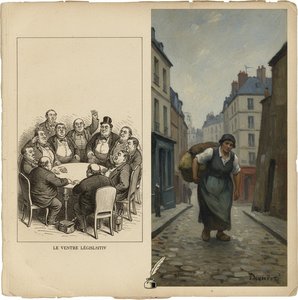
Honoré Daumier: Social Commentary & Artistic Innovation in 19th-Century France
Explore the life & work of Honoré Daumier, a master of 19th-century French realism and satire. Discover his powerful lithographs, paintings, and sculptures critiquing society – and his lasting influence on modern art.