Переглянути в інтер'єрі
 Надіслати
 Поділитися
 Деталі

 Завантажити
 Схожі предмети колекціонування
 Рентгенівське дослідження
 Слайд-шоу
 Статистика переглядів
Ла Клас де Данс
 Олія на полотні
- Настінний декор
- Impressionist Realism
 1876
1876- — XIX століття
 92.0 x 68.0 cm
 Музей д’Орсе
 Читати далі
Олійная репродукція ручної роботи
Написана вручну олією на полотні у вашому розмірі та рамі, виготовлена на замовлення нашими художниками. ( Перейти до друку Перейти до цифрових зображень)




P118B $10

P118H $10

P118W $10

P438Z $10

P508JH $12

P508YH $12

P805H $10

P805Z $10

P919BZ $10

P919G $10

P919XJ $10

P959ZH $10

P968JZ $12

W106C $8

W218G $10

W218JH $8

W218Y $10

W307PJ $10

W316G $10

W316PJ $8

W316Y $10

W398PJ $8

W4111J $10

W500HY $15

W500JH $15

W692G $12

W849H $8

W940BG $15

W953PJ $8




Обирайте з наших стандартних розмірів, що відповідають оригінальним пропорціям твору мистецтва.

Ви можете вказати власні розміри, щоб репродукція ідеально підійшла до конкретної рами або інтер'єру. Якщо вибраний вами розмір не відповідає пропорціям оригіналу, ми або обріжемо полотно, або доповнимо картину додатковими елементами, промальованими вручну. Цифровий макет буде надіслано вам на затвердження перед початком виробництва.
Зверніть увагу, що попередній перегляд на екрані не відображає фактичне обрізання або розширення зображення. Тільки макет точно покаже остаточну композицію.
Хоча ми можемо виготовити виріб у нестандартному розмірі, для збереження оригінальних пропорцій рекомендуємо обирати варіанти зі встановленого списку.
Після оформлення замовлення команда OriginalUniqueArt.com зв'яжеться з клієнтом електронною поштою для отримання інструкцій та надасть попередній макет
Доставка по всьому світу () за 3–4 тижні замість стандартних 5 тижнів. (19 Вересень). Без жодних компромісів у якості.

Безкоштовна експрес-доставка по всьому світу

Високоякісне лляне полотно

Повне страхове покриття доставки

Гарантія повернення митних зборів

Гарантія точного відтворення кольорів

Політика повернення протягом 100 днів (лише у разі виявлення дефектів)

Гарантія повернення 100% коштів

Знижка на оптові замовлення
 Скляний варіант доступний лише для розмірів до 110 см

Ла Клас де Данс
Техніка репродукції
Розмір репродукції
-


Загальна вартість
$ 325
Елегантна Меланхолія Міського Життя: Розширена Історія Карти "Відвідувач Абсенту" Едгара Деґаса
Карта “Відвідувач Абсенту” Едґара Деґаса, створена у 1876 році, є глибоким портретом паризької культури кінця XIX століття та майстерним витвором імпресіонізму. Це полотно запрошує глядача в момент тихішої роздумів, де дві фігури сидять поруч, але залишаються зовсім далеко одне від одного, кожна поглиблена власними думками. Його особлива цінність полягає не лише у візуальній красі, а й у багатій історії та символіці, що розкривають дух епохи та філософію мистецтва того часу. Імпресіонізм як Мистецтво Відродження: Визначення та Основні Характеристики Деґас був одним із найвидатніших художників імпресіоністського руху, що перевернув традиційне мистецтво у Франції та Європі. Його творчість тісно пов’язана з філософією імпресіонізму – прагненням передати миттєве враження від реальності, без детального зображення форми чи кольору. Деґас відмовився від академічних обмежень і шукав нові способи вираження емоцій та думок у живопису, що стало одним із ключових факторів успіху його творчості. Його стиль характеризується використанням великих мазків пензля та розірваного кольору – технікою, яка дозволяє художнику передати світло та тінь найбільш ефективно. Техніка Деґаса: Візуальна Гра Світла та Тіні У “Відвідувач Абсенту” Деґас демонструє свою майстерність у техніці імпресіонізму, що відрізняється від академічного живопису увагою до нюансів світлових ефектів. Він використовував великі мазки пензля та розірваний колір – метод, який дозволяє художнику передати атмосферу та динаміку сцени найбільш точно. Особливо цікавою є робота з тінями, яка додає полоттю глибину та об’ємність, підкреслюючи форми фігур і оточення. Деґас ретельно вивчав світлові явища та їх вплив на колірні рішення, що робить його картини особливо реалістичними та емоційно насиченими. Він прагнув передати не лише зовнішній вигляд об’єктів, але й внутрішню їхню суть – стан душі людини в певний момент часу. Історичний Контекст та Символіка Карти Карта була написана у розкріт імпресіонізму – епохи великих соціальних змін та культурних перетворень у Франції та Європі. Парижський кафе ставав популярним місцем зустрічі художників і інтелектуалів, символізуючи сучасний міський досвід та дух часу. Абсенту – алкогольний напій, який викликав скандали та критику в той час – додає картині додатковий рівень глибини та складність, спонукаючи глядача до роздумів про теми ізоляції та відчуження у світі швидких змін. Деґас використовував символізм для передачі певних ідей та емоцій, що робить його полотна актуальними й сьогодні. Емоційний Відгук Глядача: Меланхолія та Тиша “Відвідувач Абсенту” викликає глибокий емоційний відгук у глядача – він сповнений меланхолії та тиші, що передаються через позу фігур і їхні вирази обличчя. Картина відображає стан людини в міському середовищі, відчуття самотності та розлучення з близькими людьми. Деґас майстерно використовував колірну палітру та композицію для створення атмосфери сумних емоцій, що робить його полотна особливо проникливими та щирими. Його творчість має велике значення для мистецької історії та культури, а також продовжує хвилювати глядачів у XXI столітті. Колекціонування та Репродукція Карти: Чому Варто Це Робити? Для любителів мистецтва та колекціонерів “Відвідувач Абсенту” є безцінним артефактом історії та культури, що додає глибину та характер будь-якому інтер’єру. Його технічна майстерність, історичний контекст та емоційний резонанс роблять його особливою цінністю для тих, хто прагне до естетичної освіти та створення гармонійного простору. Незалежно від того, чи виставлено полотно в музеї чи приватній колекції, воно викликає розмови та спонукає до творчого мислення.Біографія митця
A Life Immersed in Movement
Edgar Degas, born Hilaire-Germain-Edgar De Gas in Paris on July 19, 1834, remains one of the most intriguing and complex figures in art history. Often grouped with the Impressionists – alongside Monet, Renoir, and others who revolutionized painting in the late 19th century – Degas fiercely resisted this label, identifying instead as a realist. This commitment stemmed from his unwavering dedication to observing the world around him with meticulous detail and portraying it with an honesty that challenged conventional artistic norms. His early life was comfortably bourgeois; his father, Auguste, was a banker, and his mother, Celestine, hailed from a Creole family in New Orleans – a heritage that subtly informed his unique perspective. This background afforded him access to education and artistic training, though he often felt constrained by the rigid structures of academic art. Initially enrolled at the Lycée Louis-le-Grand, Degas’s true education began when he started spending hours copying works within the hallowed halls of the Louvre, honing his skills and igniting a lifelong passion for classical art. However, Degas's path wasn’t one of simple adherence to tradition; it was marked by constant questioning and a relentless reevaluation of artistic conventions. He possessed an independent spirit – a rebellious streak – that would define his entire career and ultimately shape the distinctive character of his work.Beyond Impressionism: A Unique Artistic Vision
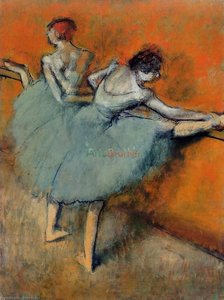
While contemporaries like Monet chased the fleeting effects of light outdoors, capturing the ephemeral beauty of landscapes, Degas largely worked within the confines of his studio. He meticulously constructed scenes from observation and memory, creating a world that felt both familiar and subtly altered. His subject matter was decidedly modern – a deliberate departure from the historical or mythological themes favored by many academic painters. Instead, he found inspiration in the everyday lives of Parisians: laundresses hauling their heavy loads, cabaret singers captivating audiences with their performances, milliners crafting elaborate hats, and, most famously, dancers—particularly those performing at the Paris Opera Ballet. It is this fascination with ballet that profoundly shaped much of his oeuvre. Degas didn’t simply paint beautiful ballerinas; he captured the grueling reality of their profession – the endless rehearsals, the physical strain, the fleeting moments of grace amidst a world of relentless hard work and demanding expectations. His compositions are often unconventional, cropping figures in unexpected ways—sometimes isolating them within tightly framed spaces, or presenting them at unusual angles—and utilizing asymmetrical arrangements that create a sense of dynamism and immediacy. He was a master of capturing movement, not through blurred lines or hazy effects, but through precise observation, careful rendering of form, and an understanding of the underlying structure of the human body in motion. Works like *Dancer, A Group of Dancers*, *Women Combing Their Hair*, and *The Dance Class* are prime examples of this dedication to portraying the human figure in motion and revealing the complexities of modern life. He wasn’t interested in superficial beauty; he sought to expose the truth beneath the surface – the sweat, the strain, the vulnerability—of his subjects.Influences and Artistic Development
Degas's artistic journey was a rich tapestry woven from diverse influences. His early training emphasized classical principles, particularly the work of Jean-Auguste-Dominique Ingres, whose emphasis on draftsmanship, precise line, and idealized forms left an indelible mark on his style. However, Degas also admired the Realists – artists like Gustave Courbet who challenged academic conventions and championed the depiction of contemporary life with unflinching honesty. A pivotal moment in his development came through his association with Camille Pissarro, a leading Impressionist who encouraged him to experiment with new techniques and broadened his artistic horizons. He was deeply captivated by Japanese prints—Ukiyo-e – which exerted a powerful influence on his compositions, particularly his use of asymmetrical arrangements, flattened perspectives, and bold patterns. The dynamic energy and unconventional cropping of these prints resonated profoundly with Degas’s own desire to break free from traditional artistic constraints. He also embraced photography as a tool for studying movement and capturing fleeting moments in time – often using photographs as reference material for his paintings. This willingness to incorporate diverse influences into his work—classical training, Realist principles, Japanese aesthetics, and photographic techniques—is what ultimately defines Degas’s unique style and contributes to the enduring power of his art.Major Achievements and Legacy
Edgar Degas died in Paris on September 27, 1917, leaving behind a remarkably extensive body of work that continues to captivate and inspire audiences worldwide. His innovative approach to composition, his masterful draftsmanship, and his unflinching portrayal of modern life have had a profound impact on the course of art history. He wasn’t simply a painter of dancers or racehorses; he was a keen observer of human nature, a master of form and movement, and a true innovator who redefined the possibilities of art. His influence can be seen in the work of future generations of artists – from Pablo Picasso to Henri Matisse – demonstrating his lasting legacy as one of the most significant figures of the late 19th and early 20th centuries. Museums across Europe—including the Musée d'Orsay and the Musée de l’Orangerie in Paris—house significant collections of his paintings, pastels, sculptures, and prints, ensuring that his artistic vision will continue to be appreciated for years to come. Degas’s work stands as a testament to the power of observation, experimentation, and a refusal to conform to established conventions.- Masterful Draftsmanship: His exceptional skill in drawing was unparalleled.
- Modern Subject Matter: He brought contemporary Parisian life into his art.
- Influence on Modern Art: His work paved the way for future generations of artists.
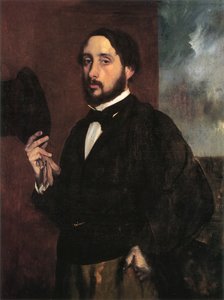
hilaire-germain-edgar degas
1834 - 1917 , Франція
Довідкова інформація
- Artistic Movement Or Style: імпресіонізм, реалізм
- Artists Or Movements Influenced By This Artist:
- Пікассо
- Матісс
- Artists Who Influenced This Artist:
- Інгрес
- Курубе
- Піссарро
- Date Of Birth: 1834
- Date Of Death: 1917
- Full Name: Hilaire-Germain-Edgar De Gas
- Nationality: Француз
- Notable Artworks:
- Танцістки за лавками
- Медсестра
- Дігас та Еварісте де Валаренс
- Place Of Birth: Париж, Франція
Схожі статті

Топ-10 шедеврів імпресіонізму: картини, що змінили світ мистецтва | OriginalUniqueArt
Відкрийте для себе 10 шедеврів імпресіонізму від Моне, Ренуара та Дега! Дізнайтесь історію створення культових картин, техніки та вплив на мистецтво. Репродукції високої якості для вашого дому – OriginalUniqueArt.

Топ-10 шедеврів імпресіонізму: пейзажі, що змінили світ мистецтва | OriginalUniqueArt
Відкрийте для себе 10 шедеврів імпресіонізму, що змінили пейзажне мистецтво! Дізнайтесь історії Моне, Ренуара та інших майстрів. Купіть репродукції картин високої якості на OriginalUniqueArt.com – музейне мистецтво для вашого дому.

Топ-10 шедеврів імпресіонізму: пейзажі, що змінили мистецтво | OriginalUniqueArt
Відкрийте для себе 10 шедеврів імпресіонізму, що змінили пейзажне мистецтво! Дізнайтесь історії Моне, Ренуара та інших майстрів. Купіть репродукції картин імпресіоністів преміум-якості на OriginalUniqueArt.com і додайте елегантності вашому інтер'єру. Дослідіть колекцію онлайн!

Edgar Degas: Capturing Modern Life – A Study of Movement, Observation, and the Parisian Belle Époque
Explore the captivating world of Edgar Degas! Discover his innovative techniques, iconic ballet paintings, and unique portrayal of Parisian life in this insightful art history study.

Impressionistic Realism's Finest: 10 Masterpieces for Your Home | OriginalUniqueArt
Journey through Impressionistic Realism with 10 iconic masterpieces by Monet, Renoir & Van Gogh. Explore art history, techniques & find museum-quality reproductions for your home at OriginalUniqueArt.com. Discover all masterpieces online!