
 Переглянути в інтер'єрі
 Надіслати як листівку
 Поділитися
 Детальніше

 Завантажити
 Схожі експонати
 Рентгенівське дослідження
 Слайд-шоу
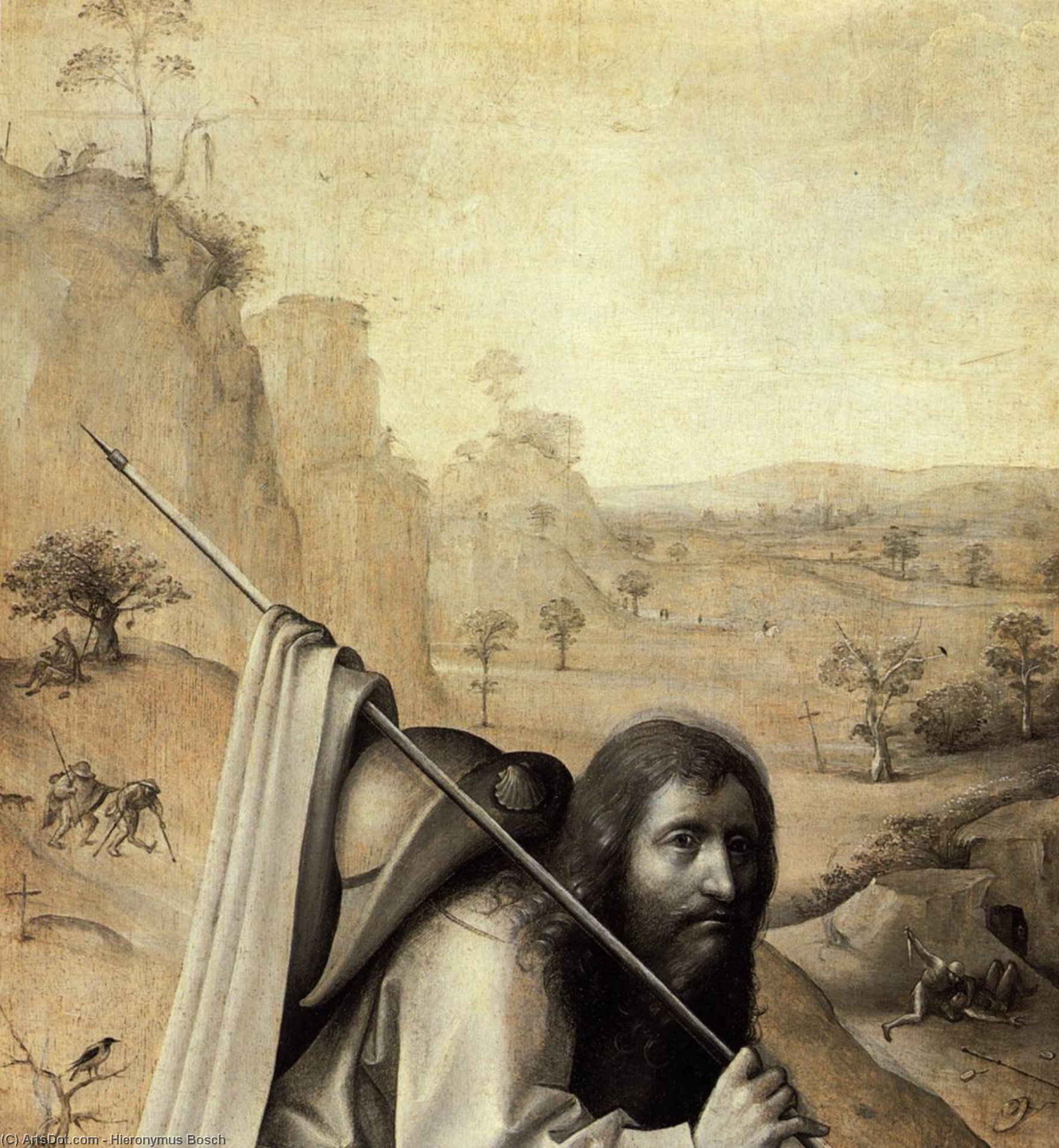
Last Judgement Triptych (detail)


 Читати далі
Придбайте цифрову копію високої роздільної здатності з покращеною якістю, що значно перевершує онлайн-перегляд.
Кожен файл ретельно підготовлений нашими фахівцями за допомогою сучасних інструментів та професійної ручної ретуші. Ми гарантуємо виняткову чіткість, точну передачу кольору та високу деталізацію кожного зображення.
Фінальний файл надсилається електронною поштою протягом 72 годин і оптимізований для негайного використання у професійних виданнях та друкованих матеріалах. Таку якість обирають провідні дизайнерські студії, видавництва та галереї.
Цифрове зображення
Завантажте файл високої роздільної здатності для особистого використання, друку та творчих проєктів. ( Замовити принт Замовити репродукцію ручної роботи)
Переваги кожного замовлення цифрових зображень
Експертна цифрова доставка з гарантією якості
Обираючи OriginalUniqueArt.com, ви отримуєте не просто зображення — ви отримуєте професійно вдосконалений цифровий витвір мистецтва, створений з надзвичайною точністю та підкріплений гарантією задоволення. Ось усе, що автоматично додається до вашого замовлення:

Швидка доставка на email
Ваш цифровий файл із зображенням високої роздільної здатності буде надісланий вам електронною поштою протягом 72 годин після оформлення замовлення — він буде готовий до негайного використання.

Цифровий файл із покращенням ШІ
Ваш витвір мистецтва професійно оптимізовано за допомогою передових інструментів штучного інтелекту та ручної корекції, що забезпечує максимальну деталізацію, чіткість і точність передачі кольорів.

Безкоштовне повторне завантаження назавжди
Випадково видалили або втратили файл? Не хвилюйтеся — ми надішлемо його вам повторно в будь-який час безкоштовно.

Без митних зборів — ніколи
Насолоджуйтесь вашим витвором мистецтва миттєво без жодних мит, зборів або плати за доставку — цифрові завантаження завжди не оподатковуються.

Гарантія точності кольорів
Ми гарантуємо максимально точне відтворення оригінальних кольорів на вашому цифровому зображенні завдяки використанню професійних інструментів та систем управління кольором.

Гарантія задоволення протягом 60 днів
Якщо ви не задоволені придбаним цифровим зображенням, ми відкоригуємо його або повернемо 100% вартості протягом 60 днів — без жодних запитань.

Гарантія повернення 100% коштів
Не задоволені покупкою? Отримайте повне повернення коштів протягом 60 днів після отримання цифрового файлу — без жодних запитань.

Знижки на оптові замовлення
Купуйте 3 зображення — заощаджуйте 10% — Купуйте 5 — заощаджуйте 15% — Купуйте 10+ — заощаджуйте 20%. Чудово підходить для творчих проєктів, галерей та агентств.
Опис колекційного об'єкта
A Descent into Surreal Revelation
To gaze upon this detail from Hieronymus Bosch’s Last Judgement Triptych is to step beyond the threshold of the known world and into a realm of unsettling psychological drama. Painted around 1504, during a period of profound theological tension and artistic metamorphosis, this fragment serves as a window into the master's singular, feverish vision. Bosch does not merely depict a biblical event; he plunges the viewer into a landscape of divine reckoning where the boundaries between the earthly and the infernal dissolve. The central figure, clutching a staff topped with a crucifix, stands as a beacon of spiritual struggle amidst a sea of chaos, his furrowed brow capturing the very essence of human dread and the weight of eternal consequence.
The artistry on display is a masterful bridge between the meticulous traditions of Late Gothic art and the burgeoning expressive distortions of Mannerism. Bosch eschews the pursuit of idealized beauty, choosing instead to embrace the grotesque and the fantastical to prioritize emotional resonance. Through a sophisticated command of chiaroscroll, the artist manipulates light and shadow to sculpt form, lending a startling physicality to flesh and bone. One can almost feel the tension in the textures created by his precise hatching and cross-hatching techniques, which breathe life into the harrowing details of the scene. For the collector or designer, this piece offers a profound depth of texture and tonal complexity that commands attention in any curated space.
Symbolism and the Shadows of the Soul
Every element within this composition is steeped in the dense symbolism characteristic of the Northern Renaissance. The mountainous landscape, rising sharply behind the figures, acts as a symbolic representation of purgatory—a rugged, arduous journey toward salvation. Bosch populates this terrain with creatures that are far from mere decorations; the inclusion of animals like foxes and owls serves as a biting commentary on temptation, deceit, and the spiritual battles waged within the human heart. This interplay of the sacred and the profane creates a narrative tension that is both intellectually stimulating and visually arresting.
The historical context of Brabant—a region then grappling with religious reformations and shifting papal authorities—is etched into every brushstroke. Bosch’s work reflects the societal anxieties of his era, weaving medieval folklore and demonology into a cohesive vision of the apocalypse. This makes the artwork not just a relic of the past, but a timeless exploration of morality and the human condition. For those seeking to bring a sense of historical gravity and intellectual intrigue to an interior, this reproduction offers an unparalleled opportunity to possess a piece of art history that continues to provoke thought and conversation centuries after its creation.
Біографія митця
A Netherlandish Enigma: The Life and Art of Hieronymus Bosch
Born around 1450 in the vibrant, bustling town of ’s-Hertogenbosch in the Netherlands—then part of Brabant—Hieronymus Bosch, originally Jheronimus van Aken, remains one of art history’s most compelling and mysterious figures. His world was steeped in late medieval religious fervor, folklore, and a growing sense of societal unease, all of which would profoundly shape his uniquely unsettling artistic vision. Coming from a family with a long tradition of painting—his grandfather, Jan van Aken, and father, Anthonius van Aken, were both artists—Bosch likely received his earliest training within the family workshop, absorbing the techniques and conventions of Netherlandish painting. However, even in his formative years, he began to diverge from established norms, hinting at the extraordinary imagination that would define his career. Biographical details are frustratingly scarce; records are fragmented, leaving much open to speculation and interpretation, adding to the aura of mystique surrounding both the man and his work. He married Aleyt Goyaerts van den Meerveen sometime before 1481, a union that provided him with some financial security through her family’s holdings, but little else is known about their personal life.Fantastical Visions and Symbolic Depths
Bosch's artistic style is instantly recognizable—a captivating blend of meticulous detail and wildly imaginative imagery. He primarily worked with oil on oak panels, demonstrating a masterful command of the medium, achieving luminous colors and intricate textures. While his early works show influences from traditional Netherlandish painting, particularly in their realism and attention to detail, he quickly moved beyond mere imitation, developing a profoundly original vision. His paintings are not simply representations of reality; they are allegorical landscapes populated by bizarre creatures, hybrid beings, and unsettling scenes that seem plucked from dreams—or nightmares. Religious themes form the core of much of his work, but these are rarely straightforward depictions of biblical stories. Instead, Bosch uses symbolism to explore complex moral and theological concepts, often focusing on the dangers of sin, the fragility of earthly pleasures, and the inevitability of divine judgment. His creatures—grotesque demons, fantastical animals, and strangely human figures—are not merely decorative elements; they are embodiments of vice, temptation, and spiritual corruption. The blending of the sacred and the profane, the beautiful and the grotesque, creates a uniquely unsettling effect that continues to captivate viewers centuries later.Masterpieces of Moral Allegory
Among Bosch’s most celebrated achievements is The Garden of Earthly Delights (c. 1490-1510), a triptych that remains one of the most enigmatic and debated works in art history. When opened, it presents a panoramic vision of paradise, earthly life, and hell—a complex allegorical representation of humanity’s fall from grace. The left panel depicts the Garden of Eden, teeming with fantastical creatures and lush vegetation; the central panel portrays a world consumed by sensual pleasure and unrestrained desire; and the right panel offers a terrifying glimpse into the torments of hell. The Triptych of the Last Judgement (c. 1480-1490) is another powerful example of his skill in portraying both heavenly bliss and infernal torment, while The Ascent of the Blessed (c. 1480-1490) demonstrates his ability to create ethereal and dreamlike scenes. Even smaller works like Epiphany (c. 1495) showcase his innovative use of oil on wood and complex symbolism, revealing a mind constantly grappling with profound questions about faith, morality, and the human condition.Influences and Artistic Techniques
Identifying Bosch’s direct influences is a challenging task, given the originality of his vision. Scholars suggest possible connections to medieval folklore, religious texts—particularly those emphasizing apocalyptic themes—and the prevailing anxieties of the time, including fears of heresy and social upheaval. However, it's clear that he synthesized these elements into something entirely new and uniquely his own. His use of oil paint allowed for incredible detail and luminosity, while his meticulous rendering of textures and patterns created a sense of both realism and unreality. Bosch’s compositions are often complex and layered, with multiple levels of meaning and symbolism. He frequently employed perspective techniques to create the illusion of depth and space, drawing viewers into his fantastical worlds. The recurring motifs in his work—such as animals, fruits, and musical instruments—carry symbolic weight, adding layers of interpretation to his narratives.Legacy and Enduring Influence
Bosch’s art continues to fascinate and provoke debate centuries after its creation. He is considered a pioneer of surrealism, anticipating many of the themes and techniques that would later be explored by artists such as Salvador Dalí and Max Ernst. His unsettling visions have resonated with audiences for generations, prompting questions about morality, faith, and the nature of human existence. The Prado Museum in Madrid houses some of his most famous works, attracting visitors from around the world who come to marvel at his extraordinary imagination and technical skill. Hieronymus Bosch remains a towering figure in art history—a master of symbolism, a visionary artist, and an enduring enigma whose work continues to challenge and inspire us today. His paintings offer valuable insights into the religious, social, and psychological climate of the late 15th and early 16th centuries, challenging conventional norms and paving the way for new forms of artistic expression.
Ієронім Босх
1450 - 1516 , Нідерланди
Основна інформація
- Artistic Movement Or Style: Сюрреалізм, Символізм
- Artists Or Movements Influenced By This Artist:
- Пітер Брюггель Старший
- Сюрреалізм
- Date Of Birth: c. 1450
- Date Of Death: 1516
- Full Name: Hieronymus Bosch
- Nationality: Нідерландський
- Notable Artworks:
- Сад земних задоволень
- Останній Суд
- Сім гріхів
- Place Of Birth: Делфт, Нідерланди

