
 Переглянути в інтер'єрі
 Надіслати як листівку
 Поділитися
 Деталі витвору
 Посібник

 Завантажити
 Схожі екземпляри
 Рентгенівське дослідження
 Слайд-шоу
 Q&A
Q&A Статистика
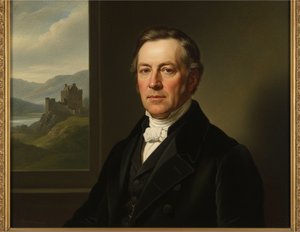
Sir Walter Scott


 Розгорнути текст
Гікле / Художній принт
Друк جيкле або на полотні музейної якості з оперативним виготовленням та різноманітними варіантами фінішної обробки. ( Замовити картину ручної роботи Перейти до цифрових зображень)




P118B ₴10

P118H ₴10

P118W ₴10

P438Z ₴10

P508JH ₴12

P508YH ₴12

P805H ₴10

P805Z ₴10

P919BZ ₴10

P919G ₴10

P919XJ ₴10

P959ZH ₴10

P968JZ ₴12

W106C ₴8

W218G ₴10

W218JH ₴8

W218Y ₴10

W307PJ ₴10

W316G ₴10

W316PJ ₴8

W316Y ₴10

W398PJ ₴8

W4111J ₴10

W500HY ₴15

W500JH ₴15

W692G ₴12

W849H ₴8

W940BG ₴15

W953PJ ₴8




Обирайте з наших стандартних розмірів, що відповідають оригінальним пропорціям твору мистецтва.

Введіть необхідну ширину та висоту, щоб принт ідеально підійшов до вашої рами або стіни. Принт можна лише обрізати, але не можна зробити більшим за оригінал, тому при зміні пропорцій частина зображення буде втрачена. Перед друком ми надсилаємо вам цифровий макет для затвердження. Зображення на цій сторінці не відображає реальну обрізку — її можна побачити лише на макеті.
Доставка по всьому світу () за 2 тижні замість стандартних 4/5 тижнів. (1 Листопад)

Безкоштовна експрес-доставка по всьому світу

Високоякісне лляне полотно

Повне страхове покриття доставки

Гарантія повернення митних зборів

Гарантія точного відтворення кольорів

Політика повернення протягом 100 днів (лише у разі виявлення дефектів)

Гарантія повернення 100% коштів

Пропозиція на оптові замовлення
 Скляний варіант доступний лише для розмірів до 110 см

Sir Walter Scott
Гікле / Художній принт
Розмір репродукції
-


Підсумкова вартість
₴ 3596
Sir Walter Scott, A Portrait of Romanticism
Henry Raeburn’s “Portrait of Sir Walter Scott” is more than just a likeness; it's a carefully constructed tableau of Scottish identity and the burgeoning spirit of the Romantic era. Completed in 1822, this iconic painting captures not merely the physical appearance of the celebrated novelist but also his intellectual presence, his connection to the land, and the weight of his literary legacy. The portrait immediately draws the eye with its dramatic lighting – a chiaroscuro technique borrowed from Caravaggio – that sculpts Scott’s features and imbues the scene with an almost theatrical intensity. The dark background serves not as mere backdrop but as a deliberate framing device, intensifying the focus on the subject and suggesting a world of stories waiting to be unveiled.
Raeburn's masterful handling of texture is equally compelling. The rich velvet of Scott’s robe, the worn leather of his slippers, and even the subtle sheen of his spectacles are rendered with painstaking detail. This meticulous realism, however, isn’t simply about accurate representation; it’s a deliberate choice to ground the portrait in the tangible world – a world that Scott so vividly brought to life through his novels. The inclusion of Maida, Scott's beloved terrier, nestled at his feet adds an element of warmth and domesticity, subtly hinting at the author’s deep connection to nature and his appreciation for simple pleasures.
The Context of a Literary Icon
Sir Walter Scott (1771-1832) was arguably the most influential novelist of his time. His works – *Waverley*, *Rob Roy*, *Ivanhoe* – not only popularized the historical novel but also played a crucial role in shaping Scottish national identity and fostering a renewed interest in its rich folklore and traditions. Raeburn, as Portrait Painter to King George IV in Scotland, was tasked with immortalizing this literary giant, and he understood that the portrait needed to convey more than just Scott’s appearance; it had to embody his spirit and legacy.
The painting was commissioned during a period of significant social and political change in Britain. The Napoleonic Wars were drawing to a close, and there was a growing sense of national pride and a desire to celebrate British achievements. Scott's success coincided with this mood, and his portraits became symbols of Scottish cultural prestige. Furthermore, the portrait’s creation coincided with Raeburn’s own rising fame; it cemented his position as one of Scotland’s most important artists.
A Study in Light and Character
Raeburn's technique is characterized by a remarkable ability to capture character through subtle details. Scott’s gaze, direct and intelligent, invites the viewer into his world. His slightly furrowed brow suggests deep thought, while the hint of a smile hints at wit and wisdom. The artist skillfully uses light and shadow to define Scott’s features, creating a sense of depth and volume that is both realistic and expressive.
The composition itself is carefully considered. Scott is positioned slightly off-center, drawing the eye across the canvas and creating a dynamic visual balance. The arrangement of his clothing – the velvet robe, the leather slippers, the spectacles – contributes to the overall sense of character and reinforces Scott’s status as a man of both refinement and practicality. Notice how Raeburn has used the light to highlight the texture of the fabrics, adding another layer of richness and detail to the portrait.
Symbolism and Enduring Legacy
Beyond its technical brilliance, “Portrait of Sir Walter Scott” is rich in symbolism. The dog Maida represents loyalty and companionship – qualities that were highly valued by Scott himself. The books stacked on a nearby table suggest his lifelong devotion to literature and scholarship. And the overall atmosphere of quiet contemplation reflects Scott’s role as a storyteller and a chronicler of Scottish history.
Today, this painting remains one of Raeburn's most celebrated works and a powerful symbol of Scottish culture. It is housed in the National Gallery of Scotland in Edinburgh, where it continues to captivate viewers with its beauty, its insight, and its enduring legacy. Reproductions offer an accessible way to experience the artistry and historical significance of this remarkable portrait, bringing the spirit of Sir Walter Scott into any space.
Питання та відповіді
Чи можу я детальніше розглянути "Sir Walter Scott"?
«Sir Walter Scott» можна досліджувати шар за шаром на сторінці Рентгенівське дослідження твору — це інтерактивний візуалізатор, натхненний освітлювальним столом реставратора, що пропонує одинадцять оптичних пластів зображення.
Наскільки насиченими є кольори у творі "Sir Walter Scott"?
Кольори твору «Sir Walter Scott» роботи Генрі Райберн вирізняються Muted насиченістю та Monochromatic інтенсивністю.
Хто створив "Sir Walter Scott" і в якому стилі виконано цей твір?
Генрі Райберн створив(ла) «Sir Walter Scott» у межах течії Romanticism.
Біографія митця
A Scottish Master of Realism: The Life and Art of Sir Henry Raeburn
Sir Henry Raeburn emerged from the shadows of early 18th-century Scotland, a figure whose artistic journey defied convention and ultimately redefined portraiture. Born in Stockbridge, Edinburgh, in 1756 – a village then on the outskirts of the city – his life began with an unexpected tragedy: the loss of both parents before he reached the age of six. Raised by his elder brother, William, Raeburn’s early years were marked by hardship and a reliance on familial support. This formative experience instilled in him a quiet determination that would later fuel his relentless pursuit of artistic mastery. His family's background as textile manufacturers provided a foundation for stability, allowing him to pursue his burgeoning passion without the immediate pressures of commercial obligations.From Goldsmith’s Apprentice to Miniature Master
Raeburn’s formal education was limited, yet this didn’t hinder his innate talent. At fifteen, he apprenticed himself to James Gilliland, a goldsmith and jeweler in Edinburgh's Old Town – a craft that honed his meticulous attention to detail and his understanding of intricate design. It was within the world of miniature portraiture that Raeburn truly began to flourish. He quickly demonstrated an extraordinary ability to capture likenesses with remarkable accuracy, creating exquisite portraits on ivory that were highly sought after by the Scottish elite. This early success provided him with financial security and a platform from which to develop his artistic vision. He was particularly adept at rendering the subtle nuances of facial expression, conveying not just physical resemblance but also the personality and character of his subjects.The Italian Influence: A Turning Point
Around 1784, Raeburn embarked on a transformative journey to Italy – a pilgrimage that would profoundly shape his artistic style. While the exact details remain somewhat shrouded in mystery, this trip allowed him to immerse himself in the works of the Old Masters, particularly those of Caravaggio and Rembrandt. He studied their masterful use of light and shadow, their dramatic compositions, and their ability to capture the psychological depth of their subjects. Returning to Edinburgh in 1786, Raeburn brought with him a renewed sense of purpose and a bolder, more expressive approach to painting. He began experimenting with larger canvases and incorporating elements of Baroque style into his work – a departure from the delicate miniatures that had defined his early career.The Rise of a National Portraitist
By the late 1780s, Raeburn had firmly established himself as Edinburgh’s leading portrait painter. He attracted commissions from prominent figures in Scottish society, including Adam Smith, David Hume, and James Grant – men who shaped the intellectual and cultural landscape of the nation. His portraits were characterized by a remarkable honesty and directness, capturing not just the outward appearance of his subjects but also their inner character and status. Raeburn’s technique was masterful—a combination of meticulous observation, confident brushwork, and a sophisticated understanding of light and shadow. He often positioned his subjects against dark backgrounds, allowing their faces and figures to emerge with striking clarity. His most famous work, *The Young Polo Player*, exemplifies this approach – it's not simply a depiction of a sporting gentleman; it’s an energetic snapshot of youthful vitality and aristocratic leisure.Recognition and Legacy: A Scottish Icon
In 1815, Raeburn achieved the pinnacle of his career when he was elected to the Royal Academy in London—a momentous occasion that solidified his reputation as one of Britain's leading portrait painters. Shortly before his death in 1823, he was appointed His Majesty’s Limner for Scotland – a testament to his enduring influence and artistic merit. Raeburn’s legacy extends far beyond the canvases he created. He represents a triumph of self-education, perseverance, and artistic vision—a symbol of Scottish ingenuity and creativity. His paintings continue to be studied and admired by artists and scholars alike, inspiring generations with their realism, psychological insight, and masterful technique. His work remains an integral part of Scotland’s rich cultural heritage, a testament to the enduring power of art to capture the essence of human experience.
Генрі Райберн
1756 - 1823 , Шотландія
Короткі факти
- Artistic Movement Or Style: Портрет, Реалізм
- Artists Or Movements Influenced By This Artist: ['Шотландське мистецтво']
- Artists Who Influenced This Artist:
- Девід Мартін
- Джошуа Рейнольдс
- Date Of Birth: 4 березня 1756
- Date Of Death: 8 липня 1823
- Full Name: Henry Raeburn
- Nationality: Шотландець
- Notable Artworks:
- The Young Polo Player
- Alexander Allan
- Sir John Hay
- Place Of Birth: Stockbridge, UK
Пов'язані статті

Топ-25 шедеврів Альфреда Джеймса Міннінгса: мистецтво коней та англійської глибинки | OriginalUniqueArt
Відкрийте 25 найкращих картин Альфреда Джеймса Міннінгса! Дослідіть шедеври англійського імпресіонізму, мистецтво коней та пейзажі Англії. Купуйте репродукції високої якості для вашого дому на OriginalUniqueArt.com.
Henry Raeburn: A Scottish Portraitist's Mastery of Light, Character & National Identity
Explore the life & work of Henry Raeburn, a master Scottish portraitist. Discover his innovative techniques, captivating portraits of the Enlightenment era, and lasting legacy in art history. Learn more at OriginalUniqueArt.

Топ-25 шедеврів Анрі Матісса: Кольори та форми, що змінили мистецтво | OriginalUniqueArt
Відкрийте для себе 25 найвідоміших шедеврів Анрі Матісса! Дізнайтесь історію фавізму, колірних рішень та унікального стилю художника. Репродукції картин Матісса для вашого дому – на OriginalUniqueArt.com. Дослідіть колекцію онлайн!

Henry Raeburn Dobson: A Scottish Colourist Bridging Tradition & Modernity
Explore the life & work of Henry Raeburn Dobson, a key figure bridging Scottish tradition & modern art. Discover his neoclassical portraits, landscapes, and connection to the Colourists. Learn about collecting his works.

Топ-25 шедеврів Джошуа Рейнольдса: портрети епохи та розкіш для вашого дому
Відкрийте для себе 25 найкращих шедеврів Джошуа Рейнольдса! Портрети епохи Просвітництва, бароко та рококо. Історія мистецтва, техніка живопису та розкішний декор дому на OriginalUniqueArt.com. Дослідіть повну колекцію онлайн!